The Industrialization Era
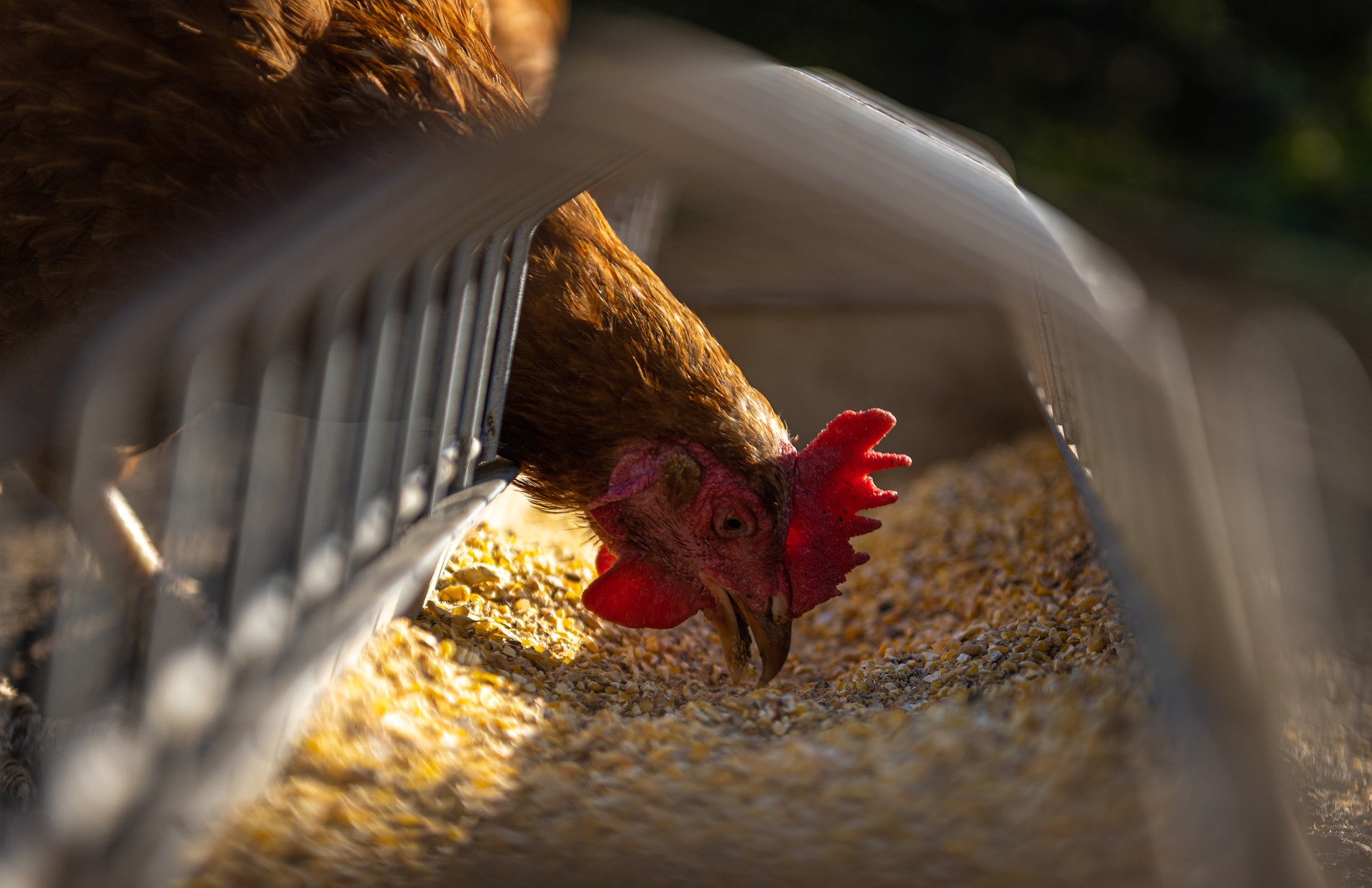
The mid-20th century marked the rise of intensive poultry farming. Technological advances in housing, automated feeding, and disease prevention revolutionized the industry. Chickens bred specifically for meat (broilers) and for egg production (layers) became widespread.
- 1940s–1950s: Broiler production took off, with birds reaching market weight faster than ever before.
- 1960s–1970s: Cage systems became common in layer production, designed to maximize efficiency and output.
- 1980s onwards: Automation, controlled housing, and improved biosecurity made large-scale, intensive poultry farming the global standard.
Poultry Farming Today
Today, poultry is the most consumed meat in the world, thanks to its affordability, versatility, and efficiency. Modern poultry houses can hold tens of thousands of birds, with sophisticated systems controlling temperature, ventilation, lighting, and feed distribution. Genetics, nutrition, and management practices are highly advanced, enabling rapid growth and high productivity.
At the same time, the industry faces growing scrutiny regarding animal welfare, sustainability, and antibiotic use. This has spurred the development of alternatives such as free-range systems, enriched housing, and precision livestock farming technologies.
Looking Ahead
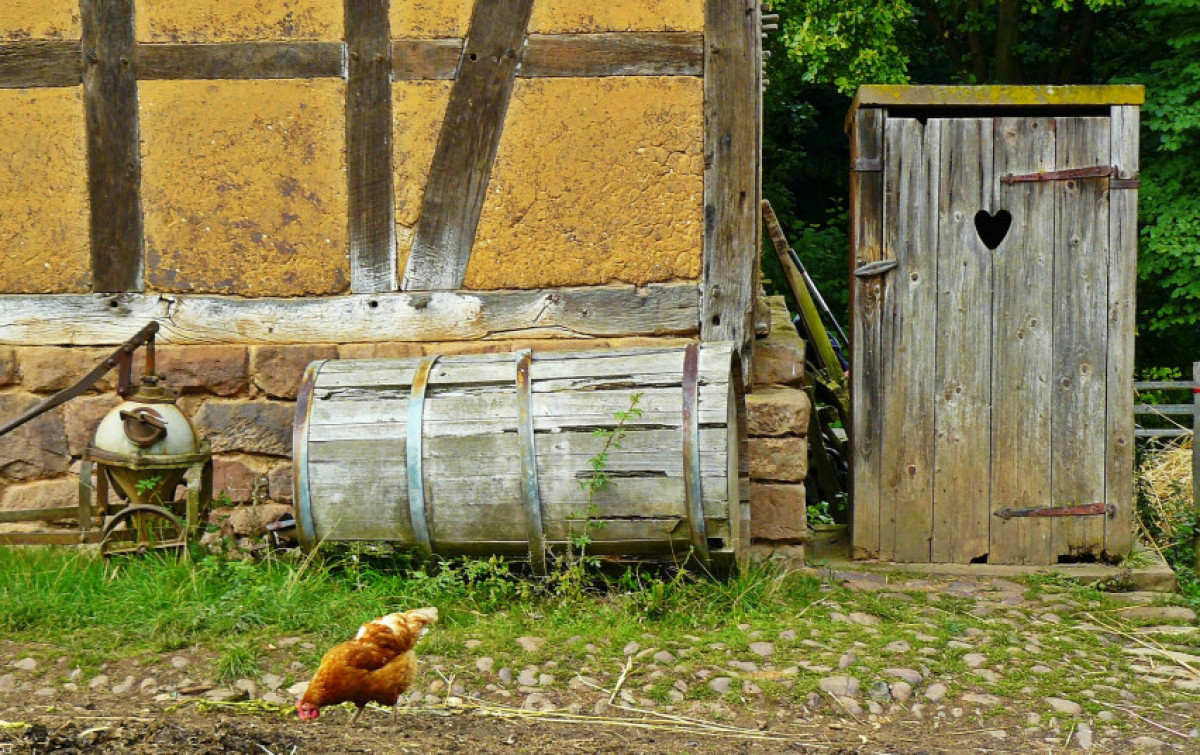
From its humble beginnings in backyard flocks to today’s data-driven, sensor-equipped production houses, poultry farming has undergone a remarkable transformation. What hasn’t changed is its central role in feeding people around the world.
The future of poultry production will likely combine efficiency with responsibility—balancing productivity with welfare, sustainability, and consumer expectations. The industry has always adapted, and its evolution shows that innovation and care go hand in hand.