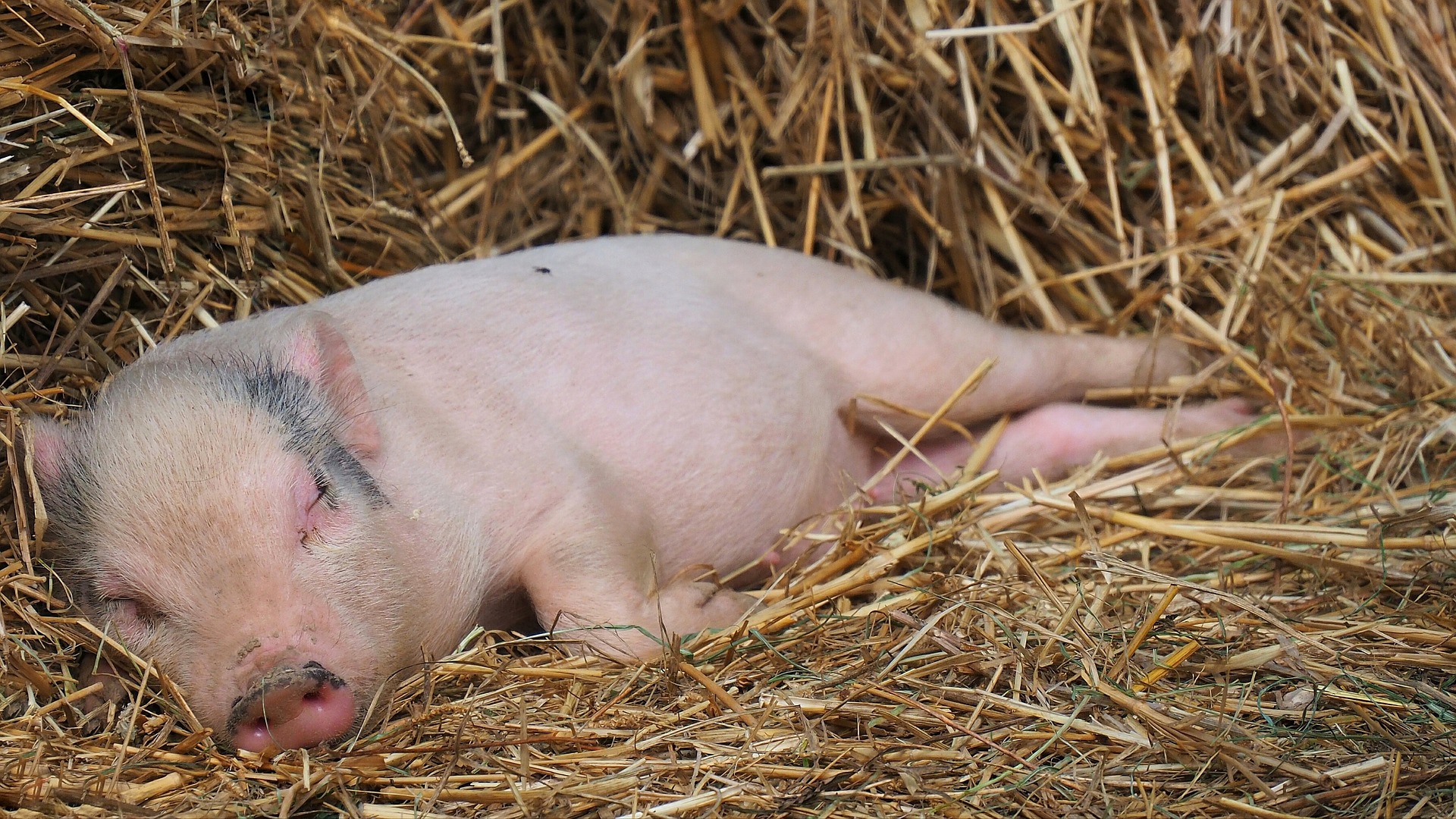
High mortality rates are one of the most serious challenges in pig production. Beyond the direct economic losses, elevated mortality often signals underlying problems related to health management, housing conditions, nutrition, or biosecurity. With proper planning, continuous monitoring, and proactive management, pig producers can significantly reduce mortality and maintain a healthy, productive herd.
Providing pigs with a stable and comfortable indoor climate is essential for reducing stress and preventing disease. Proper ventilation removes excess moisture, carbon dioxide, dust, and harmful gases such as ammonia from the air, all of which can negatively affect respiratory health.
Pigs are particularly vulnerable to thermal stress. Cold stress in piglets increases energy demand and susceptibility to disease, while heat stress in growing and finishing pigs reduces feed intake and weakens immune function. Well-designed ventilation systems help maintain optimal temperatures and air quality throughout the production cycle.
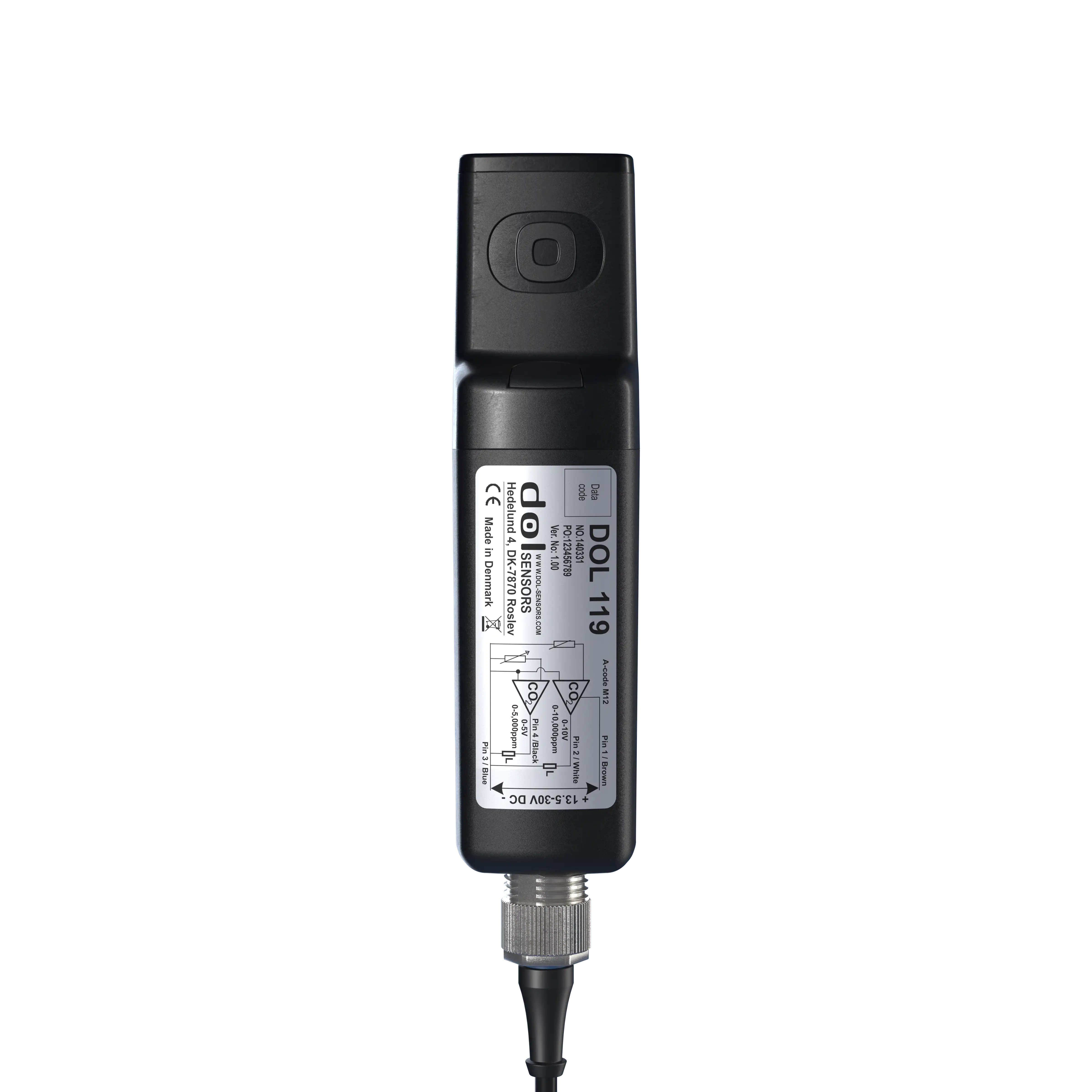
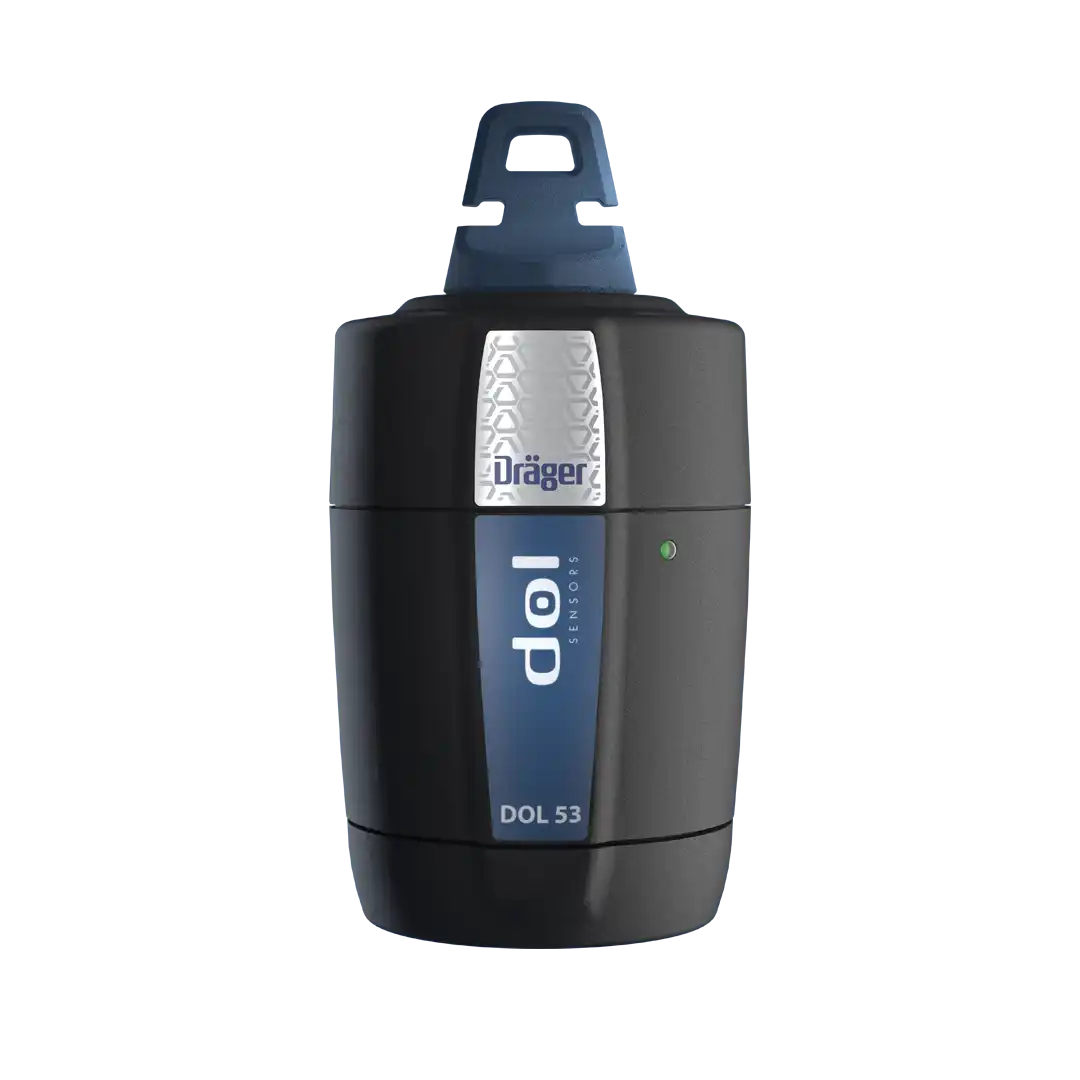
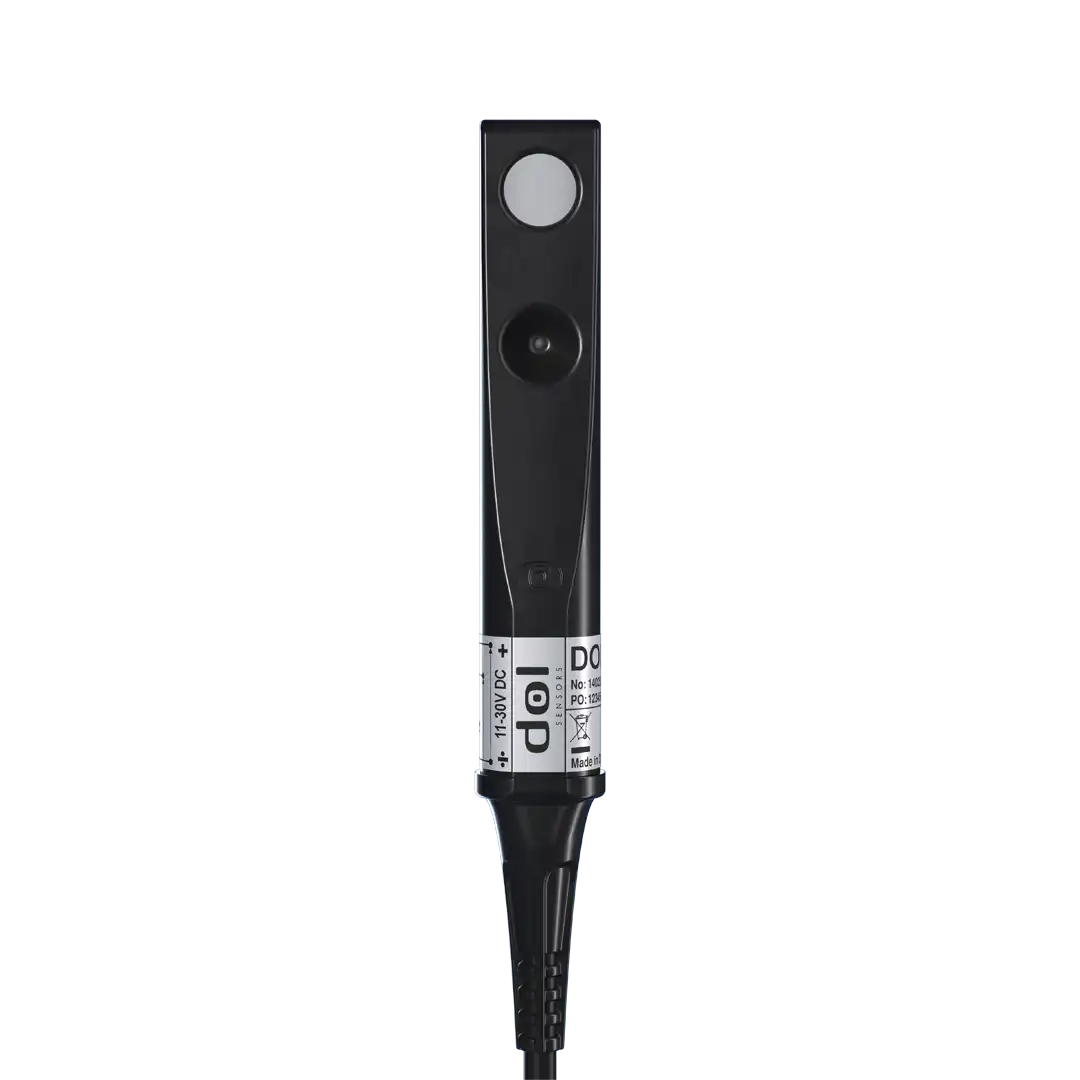
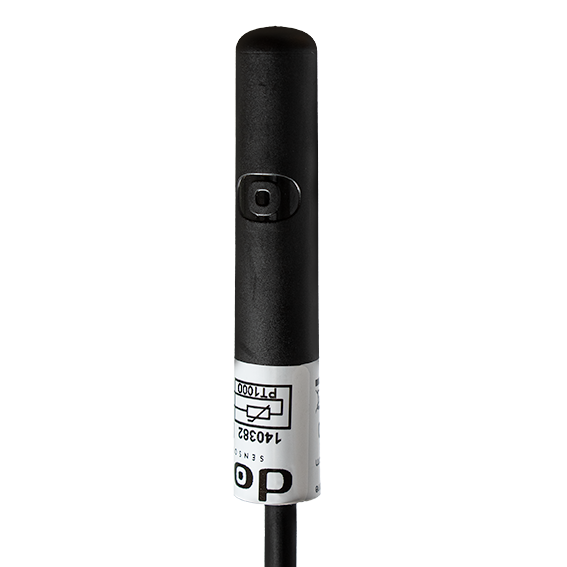
Climate sensors supply ventilation systems with continuous data on temperature, humidity, carbon dioxide, and ammonia levels in different zones of the building. This allows ventilation and heating to be adjusted automatically, ensuring consistent conditions and reducing mortality risk.
Strong biosecurity is the first line of defense against infectious diseases that can rapidly spread within and between pig herds. Effective biosecurity protocols include controlled access to the farm, thorough cleaning and disinfection of equipment and vehicles, and strict hygiene requirements for staff and visitors.
Separating pigs by age group and production stage is particularly important in pig production, as younger animals are more susceptible to pathogens. Quarantine procedures for incoming animals help prevent the introduction of new diseases into the herd.
Proper nutrition is fundamental to pig health, immune function, and survival. Diets must be formulated to meet the specific nutritional needs of piglets, weaners, growers, and finishers. Inadequate nutrient supply or imbalanced rations can weaken pigs and increase mortality.
Feed quality should be monitored regularly to avoid spoilage, mycotoxins, or nutrient degradation. Clean, fresh water must be available at all times, as dehydration can quickly lead to health problems. Sudden feed changes should be avoided, particularly around sensitive periods such as weaning.
Early detection of illness is critical in preventing losses. Regular observation of pigs for signs such as reduced feed intake, lethargy, coughing, lameness, or abnormal behavior allows for prompt intervention.
Close collaboration with a veterinarian is essential to establish a comprehensive health management program. This may include vaccination schedules, parasite control, routine health assessments, and clear protocols for isolating and treating sick animals to limit disease spread.
Maintaining high standards of cleanliness in pig housing reduces pathogen load and disease pressure. Regular cleaning and disinfection of pens, feeding equipment, and water systems are essential components of mortality prevention.
Effective manure management helps limit bacterial growth and improves air quality. Thorough cleaning between production cycles is particularly important in all-in/all-out systems to break infection cycles.
Stress significantly increases the risk of illness and mortality in pigs. Common stressors include overcrowding, aggressive behavior due to mixing unfamiliar animals, rough handling, excessive noise, and abrupt environmental changes.
Providing sufficient space, stable social groups, and calm handling practices helps reduce stress. Extra care should be taken during critical events such as weaning, transport, vaccination, and regrouping, as pigs are especially vulnerable during these periods.