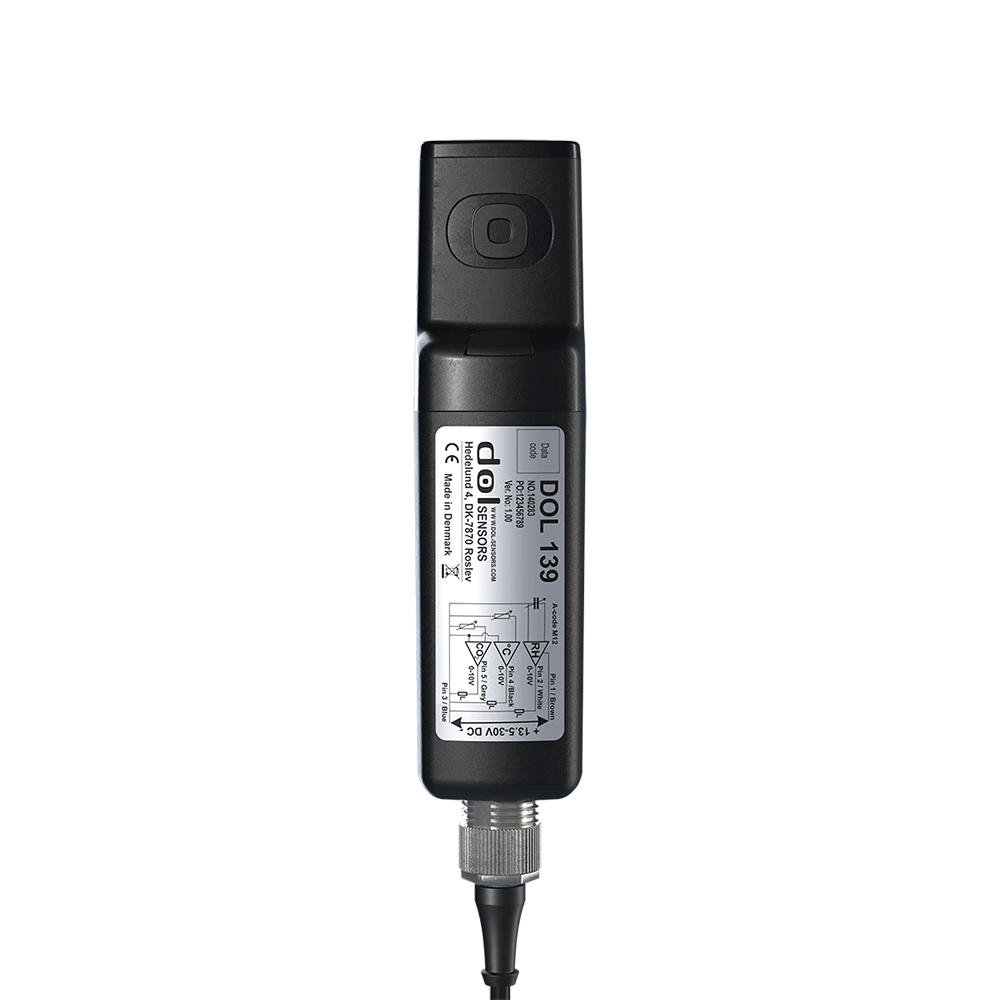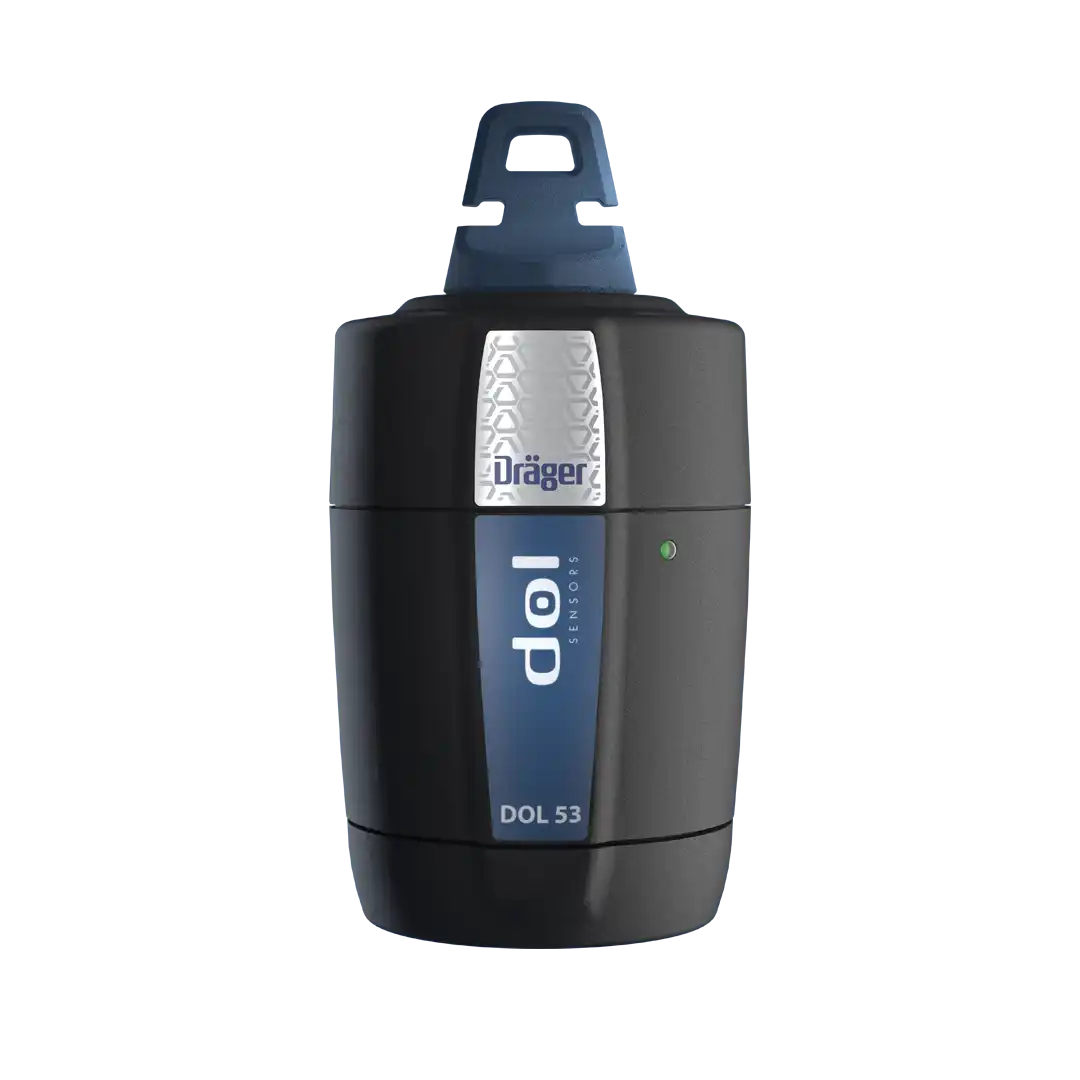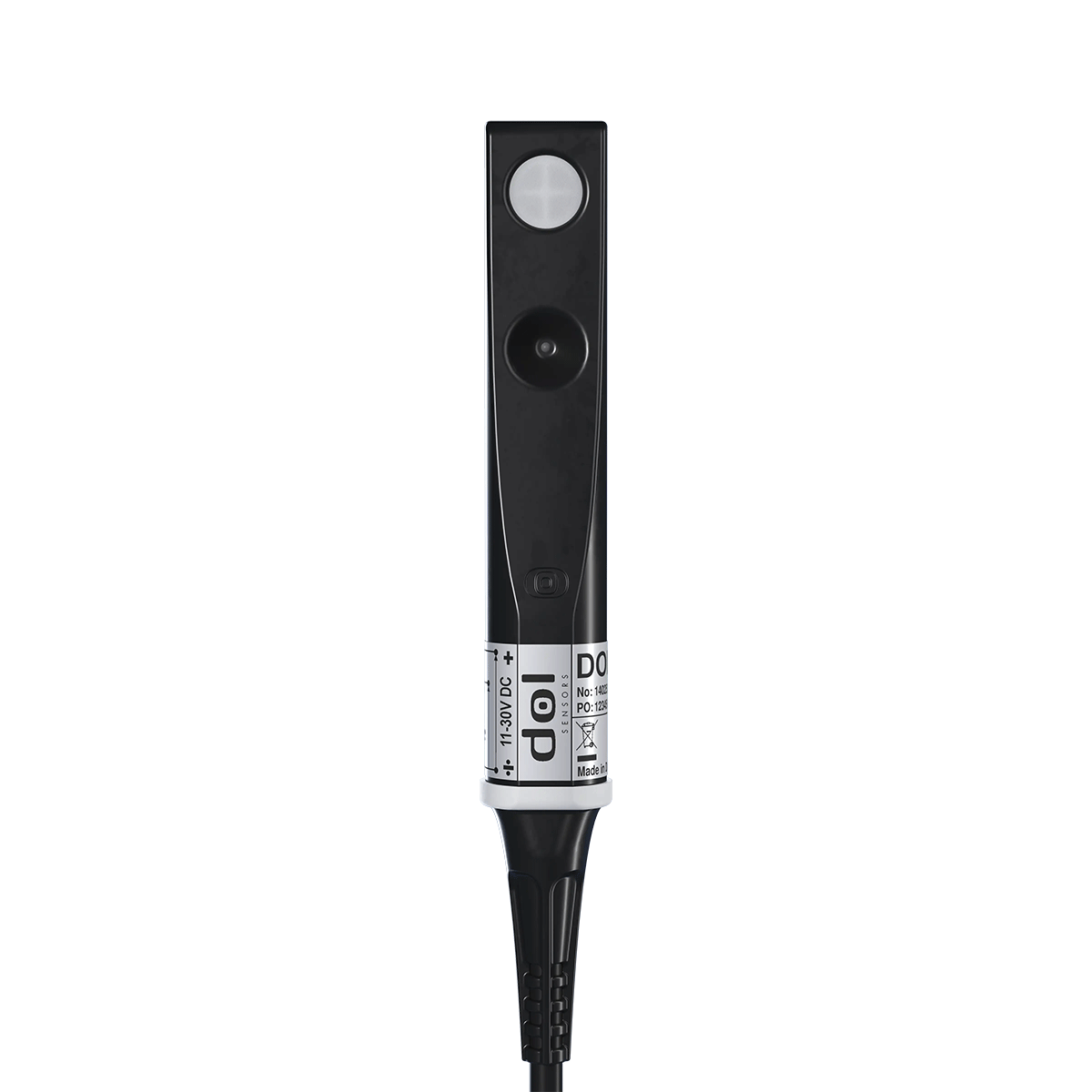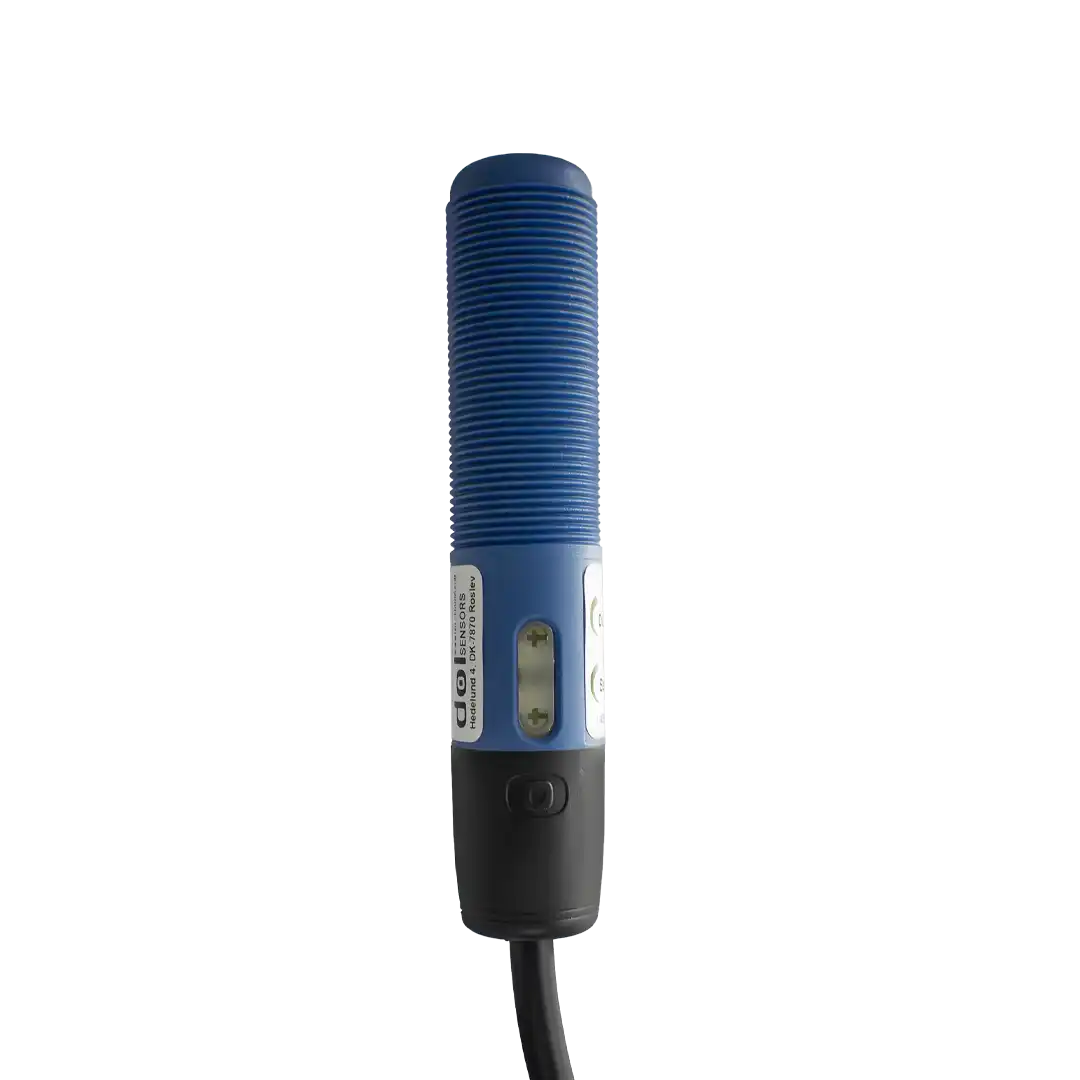
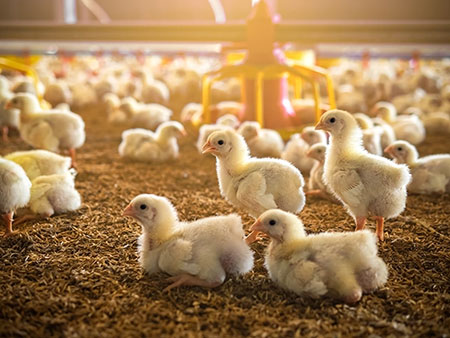
家禽生産における動物福祉を最適化することで、より収益性の高い生産が可能になります。アンモニアレベルだけでなく、温度、湿度、CO2 などの要素にも目を光らせておくことが動物愛護の維持に欠かせません。
ほとんどの農家や農場管理者が知っているように、鶏の健康と健康は家畜小屋の気候と光の量に影響されやすいため、家畜施設内のセンサーでこれを監視することが不可欠です。
畜舎では、センサーは常に高レベルの水蒸気量、温度変動、およびほこりによってテストされます。当社のセンサは、過酷な環境下でもセンサの耐用年数が長くなるように設計が強化されているため、畜舎内のこれらの要因を監視するように特別に設計されています。
Poultry production has evolved significantly over the past decades, driven by changes in technology, efficiency, and global demand.
The industry has become one of the fastest-growing sources of animal protein worldwide.
Read about the evolution of poultry production
Few issues in poultry farming generate as much discussion as housing systems. Should chickens be kept in cages or allowed to roam in free-range settings?
Each approach comes with its own benefits and drawbacks, and the decision often depends on how farmers balance efficiency, animal welfare, food safety, and consumer expectations.
Read our short article on the benefits and pitfalls of free-range and case sytems here.
Feed conversion ratio (FCR) is a key indicator of how efficiently birds turn feed into meat or eggs.
Understanding and improving FCR can help reduce feed costs, enhance productivity, and support more sustainable poultry production practices.
Read our article with tips for improving Feed Conversion Ratio here.