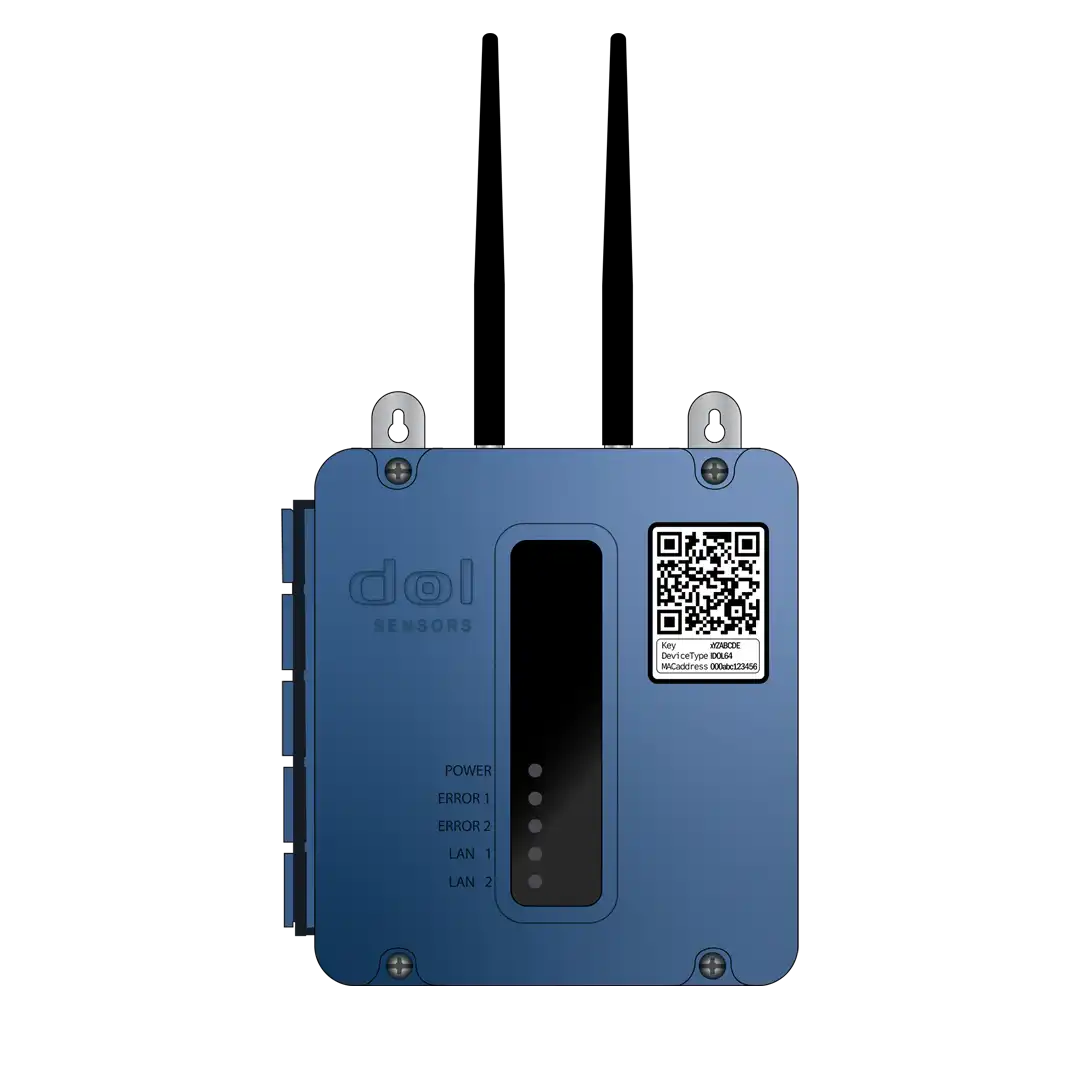

全球牲畜生产承受着前所未有的压力。到2050年,世界人口预计将达到近100亿,这需要估计 粮食产量增长70% 以满足需求。同时,该行业因其环境影响、动物福利标准和经济可持续性而面临越来越多的审查。传统的畜牧业方法——严重依赖体力劳动、目视检查和历史经验——已不足以应对这些挑战。
精准畜牧业 (PLF) 正在成为一种变革范例。它将传感器、机器人、人工智能 (AI) 和物联网 (IoT) 等尖端技术集成到农场的日常运营中。结果是一种新的动物农业形式,它优先考虑效率、可持续性和福利,同时也使农民能够实时做出以数据为依据的决策。
精准畜牧业可以广义地定义为 使用先进的监测和控制系统来持续跟踪、分析和响应个别动物或牛群的需求。其目标是通过将实时数据与自动化和分析相结合来改善农场管理。
原理很简单:如果可以对每只动物进行单独监测,农民就可以采取干预措施,在减少资源消耗的同时优化生产力和健康。实际上,PLF涵盖了广泛的技术和方法:
动物福利 对消费者偏好和监管框架越来越重要。PLF 技术可以在明显症状出现之前很久就检测出细微的生理或行为变化。例如:
这种主动护理减少了对抗生素的需求,最大限度地减少了痛苦,并改善了牛群的整体健康状况。
PLF 支持 精确喂食—在正确的时间为每只动物提供正确的营养。 优化饲料转化率 (FCR) 在家禽、猪和养牛业中至关重要,饲料是最大的单一成本投入。例如,奶牛场的机器人系统可以根据每头奶牛的哺乳周期量身定制挤奶时间表,从而提高牛奶产量和质量。
畜牧业对温室气体排放、土地退化和用水做出了重大贡献。PLF 通过以下方式减轻这些影响:
通过提高效率,农场可以用更少的资源增加产量,从而与全球可持续发展目标保持一致。
自动化减少了对重复体力劳动的需求, 鉴于劳动力短缺影响全球农业, 这一点尤其重要.农场工作人员可以专注于更高价值的活动,例如解释数据和实施福利计划,而不是花费数小时手动喂养或监控动物。
也许 PLF 的最大优势是 预测性洞察力。借助持续的数据流,农民可以预测挑战,而不是在问题升级后做出反应。这种从被动管理向主动管理的转变提高了动荡行业的盈利能力和弹性。
While the potential of PLF is clear, adoption remains uneven across regions and production systems. Key challenges include:
The trajectory of Precision Livestock Farming (PLF) points toward even deeper integration of artificial intelligence (AI), robotics, and digital platforms, creating a highly interconnected farming ecosystem. As technology advances, the livestock sector will undergo a profound transformation, moving beyond simple monitoring systems into predictive, autonomous, and consumer-driven models of production. Several key trends define this future:
In the future, farms will rely heavily on machine learning and advanced analytics to anticipate health challenges before they become critical. By analyzing continuous streams of data from sensors, cameras, and wearables, AI can detect subtle patterns in behavior, feed intake, or body temperature that humans might miss. These predictive health models could forecast disease risks days or even weeks in advance, enabling earlier intervention, reducing veterinary costs, and minimizing reliance on antibiotics. This shift from treatment to prevention has the potential to revolutionize animal welfare and significantly lower production losses.
Transparency in food production is no longer optional—it is a consumer demand. Blockchain technology will become central to guaranteeing traceability across the entire livestock supply chain. From birth to processing, every stage of an animal’s life can be recorded in a secure and tamper-proof digital ledger. Consumers will be able to scan a QR code on a package of meat, milk, or eggs and instantly access information about the farm of origin, welfare conditions, and environmental footprint. For farmers, blockchain-based traceability offers both market differentiation and compliance with stricter regulatory frameworks, while strengthening consumer trust in animal agriculture.
The integration of genomic science with PLF-generated data will usher in a new era of selective breeding. Genetic markers linked to desirable traits—such as disease resistance, feed efficiency, or climate adaptability—will be combined with real-time data on growth, reproduction, and health. This synergy will allow breeders to make more informed and precise decisions, accelerating genetic progress while maintaining biodiversity. Over time, genomic integration could lead to livestock populations that are not only more productive but also better suited to changing environmental conditions, such as heat stress or limited feed resources.
Perhaps the most transformative vision for PLF is the development of fully autonomous farming systems. In this model, barns and pastures are equipped with robotics and IoT technologies that handle nearly all routine tasks: automated feeders deliver individualized diets, robotic arms perform milking, cleaning robots maintain hygiene, and drones monitor free-range herds from above. These systems will require minimal human intervention, allowing farmers to focus on system oversight, data interpretation, and long-term strategy. While the complete automation of livestock farming may still be decades away, the trajectory is clear—human labor will increasingly shift from physical tasks to digital and managerial roles.
In the coming years, consumers will expect not only safe and affordable food but also ethical, sustainable, and transparent production systems. PLF technologies will enable farms to demonstrate compliance with animal welfare standards, environmental sustainability metrics, and ethical certifications in real time. This ability to showcase measurable data—such as carbon footprint per liter of milk or average welfare scores per herd—will be critical for maintaining public trust and securing access to premium markets. Additionally, farms may use digital storytelling tools, powered by PLF data, to connect directly with consumers and differentiate their products in increasingly competitive markets.