Air quality plays a critical role in animal welfare, health, and productivity. Yet many of the factors that influence air quality are invisible, making them easy to overlook until performance begins to decline.
Whether in poultry houses or pig facilities, poor air quality can affect animal comfort, feed efficiency, growth rates, and overall production results.
Unlike temperature or water systems, air quality cannot always be assessed through visual observation alone.
Gases such as carbon dioxide (CO₂) and ammonia (NH₃) can build up gradually, particularly during periods when ventilation rates are reduced to conserve heat or energy.
Without accurate measurements, producers may not realize conditions are changing until animals begin showing signs of stress or reduced performance.
Poor air quality creates an environment that can challenge both animals and farm staff.
Elevated ammonia levels may affect respiratory health and animal comfort, while high CO₂ concentrations can indicate insufficient air exchange within the building.
Maintaining a healthy environment requires balancing ventilation, temperature, humidity, and energy efficiency throughout the production cycle.
Because ammonia and CO₂ cannot be detected reliably through observation alone, continuous monitoring is becoming increasingly important.
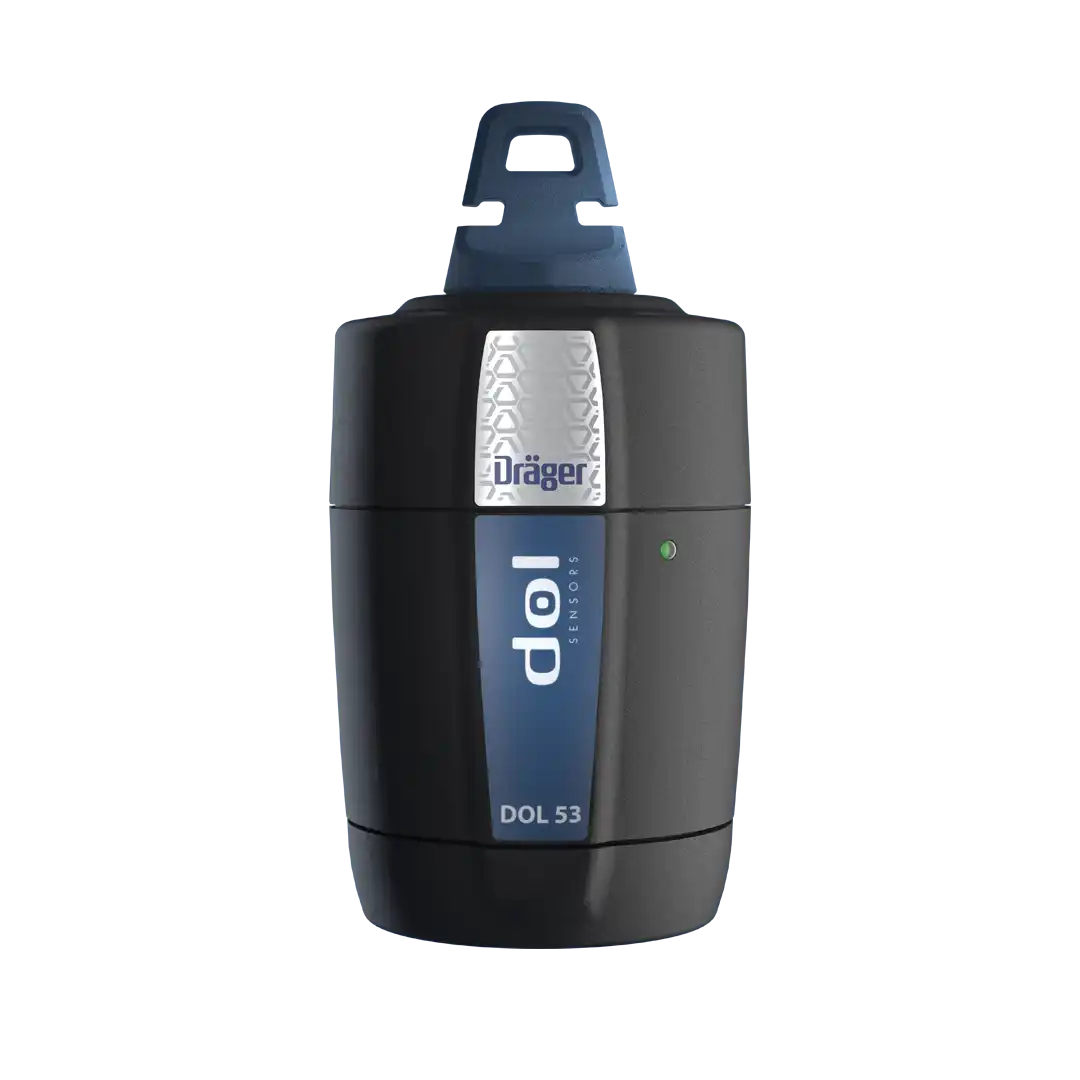
The DOL 53 Ammonia Sensor is specifically designed for continuous measurement of ammonia concentrations in livestock houses, helping producers identify elevated NH₃ levels before they impact welfare and performance.
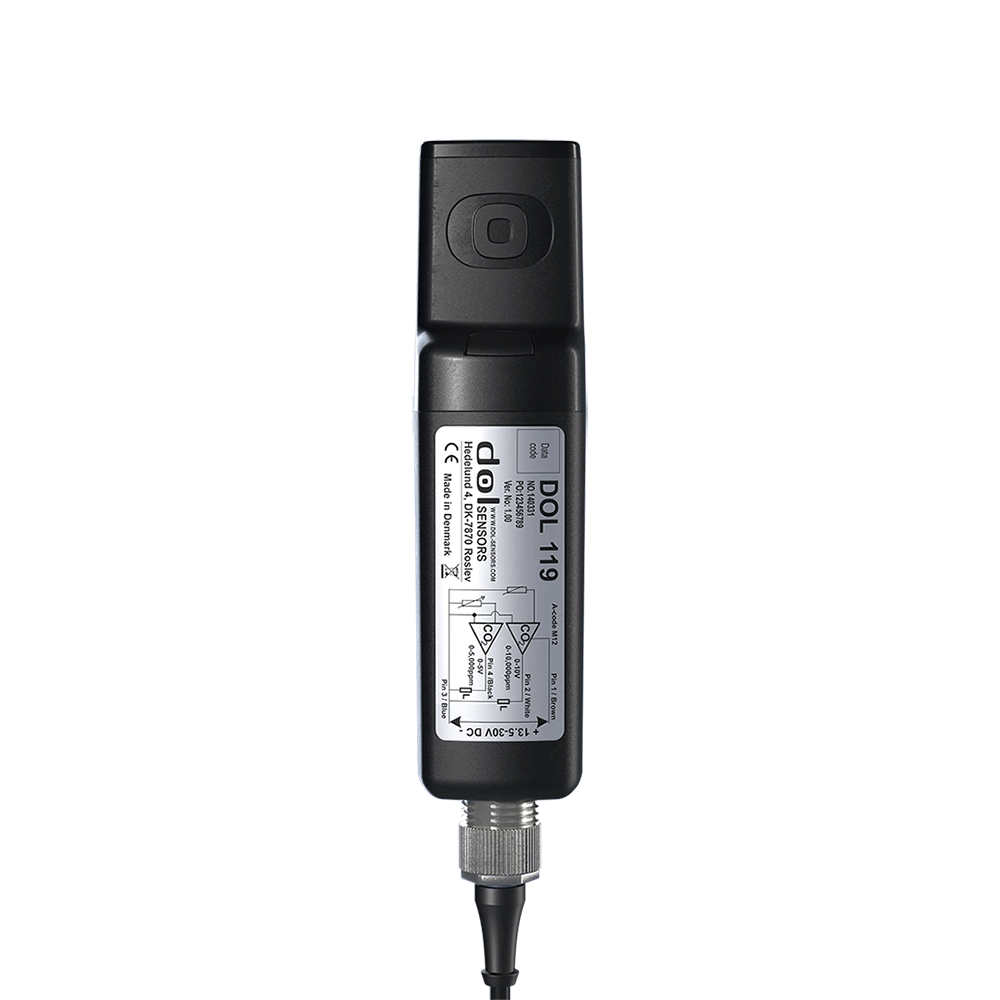
At the same time, the DOL 119 CO₂ Sensor provides valuable insight into ventilation effectiveness by continuously monitoring carbon dioxide levels. Together, these measurements help create a more complete understanding of indoor air quality and environmental conditions.
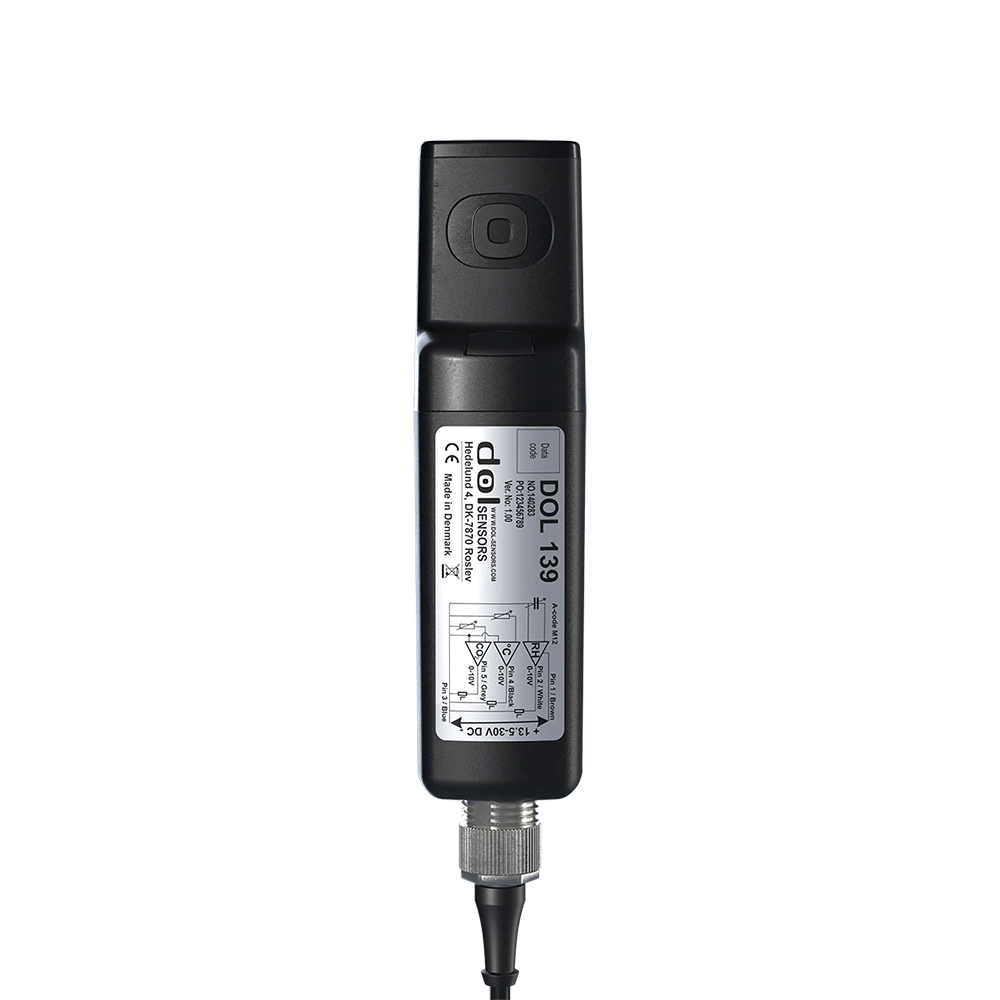
For producers seeking an integrated overview of house conditions, the DOL 139 Humidity, Temperature & CO₂ Sensor combines multiple environmental parameters in a single solution, making it easier to understand how different factors interact.
Air quality influences production every day, whether it is measured or not.
By gaining visibility into factors such as ammonia, CO₂, temperature, and humidity, producers can make more informed management decisions, support animal welfare, and create conditions that promote consistent performance.