The Hidden Cost of Poor Air Quality in Livestock Production

Air quality plays a critical role in animal welfare, health, and productivity. Yet many of the factors that influence air quality are invisible, making them easy to overlook until performance begins to decline.

Whether in poultry houses or pig facilities, poor air quality can affect animal comfort, feed efficiency, growth rates, and overall production results.

The Challenge of Invisible Risks

Unlike temperature or water systems, air quality cannot always be assessed through visual observation alone.

Gases such as carbon dioxide (CO₂) and ammonia (NH₃) can build up gradually, particularly during periods when ventilation rates are reduced to conserve heat or energy.

Without accurate measurements, producers may not realize conditions are changing until animals begin showing signs of stress or reduced performance.

Read: The Hidden Costs of CO₂ in Pig Barns

Air Quality and Animal Welfare

Poor air quality creates an environment that can challenge both animals and farm staff.

Elevated ammonia levels may affect respiratory health and animal comfort, while high CO₂ concentrations can indicate insufficient air exchange within the building.

Maintaining a healthy environment requires balancing ventilation, temperature, humidity, and energy efficiency throughout the production cycle.

The Importance of Good Barn Air
Poor air quality often goes unnoticed until performance declines. Discover how monitoring CO₂ and ammonia helps maintain better conditions.

Gaining Visibility Into Air Quality

Because ammonia and CO₂ cannot be detected reliably through observation alone, continuous monitoring is becoming increasingly important.

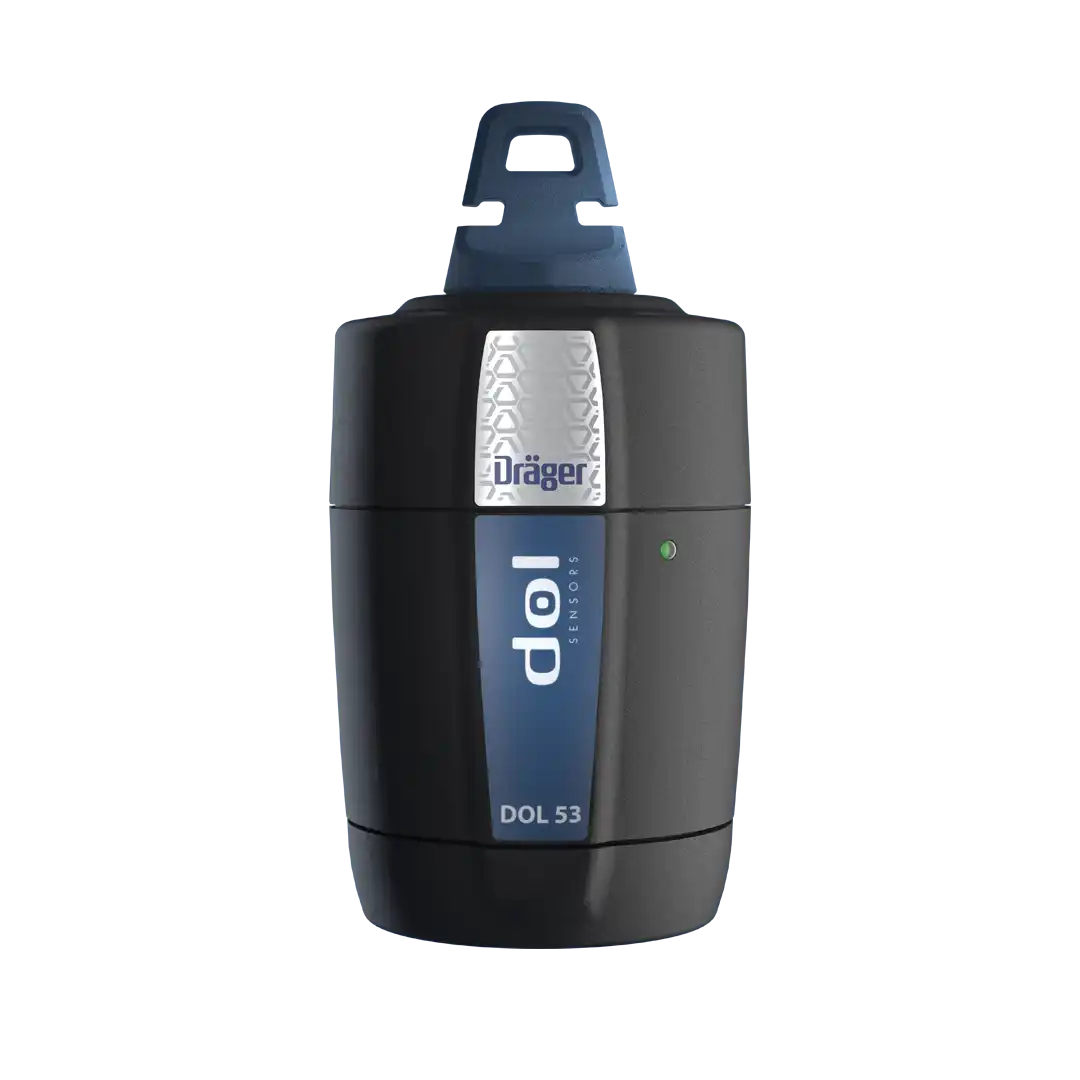
The DOL 53 Ammonia Sensor is specifically designed for continuous measurement of ammonia concentrations in livestock houses, helping producers identify elevated NH₃ levels before they impact welfare and performance.

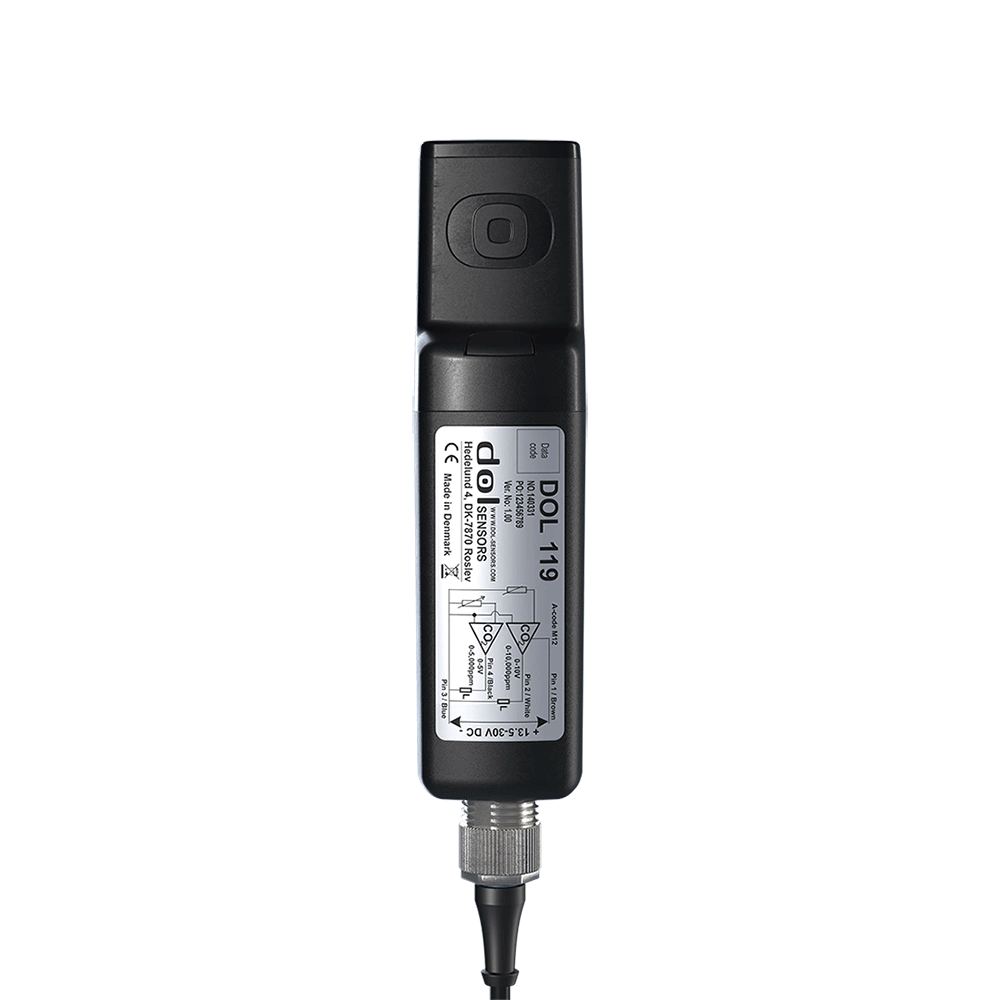
At the same time, the DOL 119 CO₂ Sensor provides valuable insight into ventilation effectiveness by continuously monitoring carbon dioxide levels. Together, these measurements help create a more complete understanding of indoor air quality and environmental conditions.

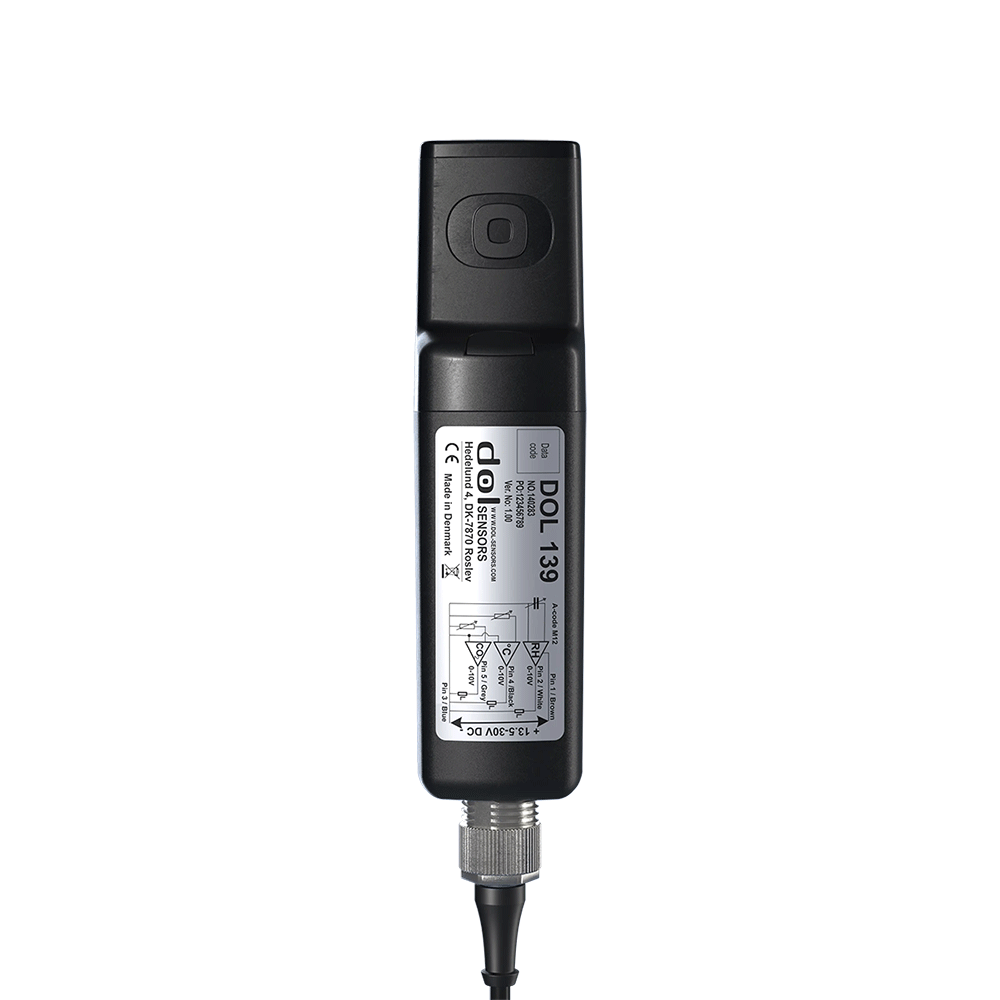
For producers seeking an integrated overview of house conditions, the DOL 139 Humidity, Temperature & CO₂ Sensor combines multiple environmental parameters in a single solution, making it easier to understand how different factors interact.

Looking Beyond What Is Visible

Air quality influences production every day, whether it is measured or not.

By gaining visibility into factors such as ammonia, CO₂, temperature, and humidity, producers can make more informed management decisions, support animal welfare, and create conditions that promote consistent performance.

Why Good Barn Air Matters More Than Ever
Learn how continuous monitoring helps producers identify developing production challenges through changes in water consumption, growth performance and other key production indicators.

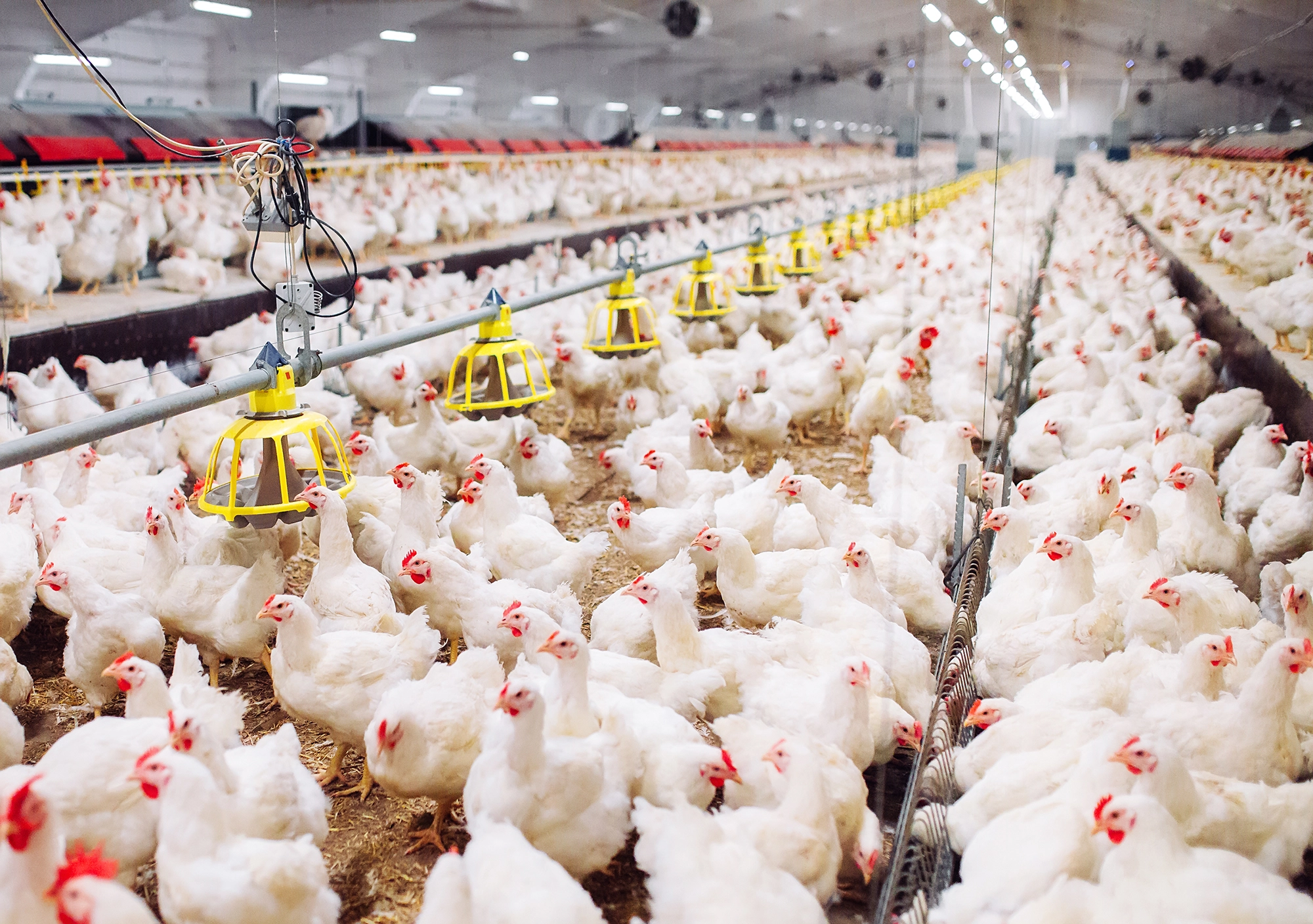
Air quality has always shaped poultry, but today it plays an even bigger role in flock performance, welfare, and overall farm efficiency. As production becomes more intensive and expectations for animal well-being rise, maintaining good barn air is no longer just a management task - it's a strategic advantage.

The Hidden Impact of Air

Poultry barns naturally generate dust, moisture, and gases like ammonia and CO₂. When ventilation or climate control slips, these elements build up quickly and begin to affect the birds long before visible symptoms appear.

Poor air quality can lead to:

  • Slower growth and reduced feed efficiency
  • Higher susceptibility to respiratory infections
  • Increased stress and uneven flock behavior
  • Wet litter and higher ammonia levels
  • Greater need for interventions and treatments

Even small deviations in air quality can quietly erode performance across an entire flock.

Why Air Quality Matters More Today

Modern poultry production demands tighter environmental control than ever, and that makes good barn air a crucial part of flock management. Higher stocking densities generate more heat, moisture, and gases in the same space, while today's fast-growing genetics leave birds more sensitive to even small environmental stressors. Welfare expectations call for stable and predictable conditions throughout the entire production cycle, and economic pressure means every point of feed conversion and every ounce of weight gain matters. Air quality isn't just a comfort factor - it has become a core driver of both flock welfare and overall profitability.

Early Warnings in Pig Production Help Prevent Costly Losses
Learn how continuous monitoring helps producers identify developing production challenges through changes in water consumption, growth performance and other key production indicators.

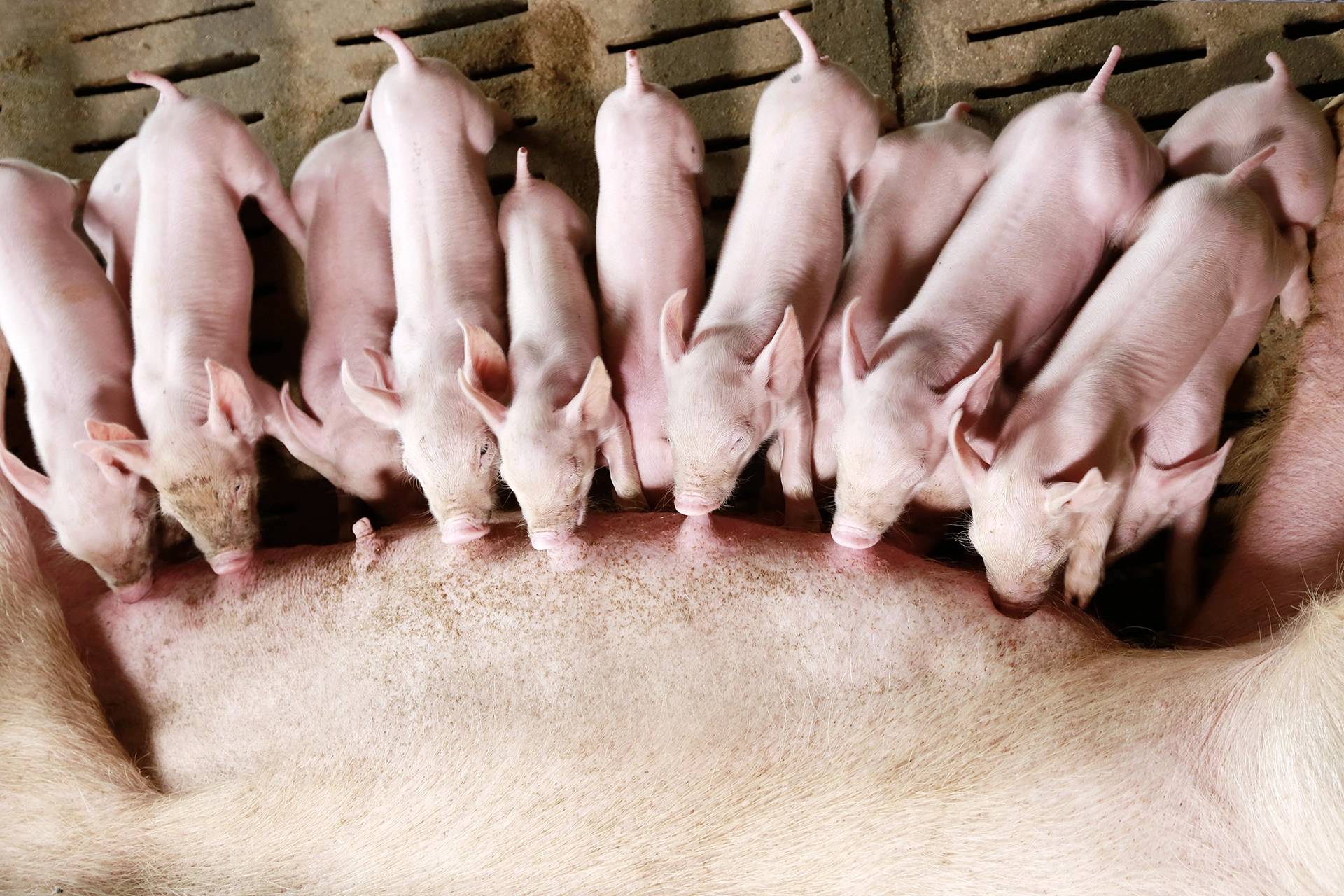
Pig production is currently under significant pressure across most regions of the world. Volatile pig prices and increasing requirements for animal welfare and sustainability are steadily eroding margins. At the same time, producers are expected to deliver consistent performance under conditions that are becoming more complex and less predictable.

For OEMs supplying equipment, systems and technology to the pig production industry, this creates a clear challenge: how to help customers maintain profitability and stability in an environment where small deviations in performance can quickly turn into substantial financial losses.

Disease pressure has reshaped global pig production

Disease outbreaks have been one of the most disruptive forces in pig production over the past decade. African Swine Fever (ASF), PRRS and other endemic diseases have had a measurable impact on global pork supply due to the sheer scale of production losses.

Between 2023 and 2025, global losses of slaughter pigs are estimated at 23–40 million animals annually, corresponding to approximately 1.8–2.8 percent of total global pig production. During the peak crisis period from 2019 to 2021, when ASF spread widely across Asia, annual losses rose dramatically to 45–70 million slaughter pigs, equivalent to 3.5–5.0 percent of global production.

These figures illustrate why disease prevention and early detection have moved from being operational concerns to becoming strategic priorities. Production losses on this scale have not only reduced supply but also contributed to increased price volatility, making revenue planning and long-term investment decisions significantly more difficult for producers.

Economic pressure amplifies the cost of late reactions

When margins are tight, the cost of reacting too late becomes disproportionately high. Disease, stress, suboptimal climate or feed changes rarely appear overnight. In most cases, performance deterioration starts gradually, through reduced feed intake, slower growth, increased variation or subtle behavioral changes.

However, these early signals are often missed in traditional production setups. Problems are typically detected only once mortality increases, feed conversion worsens or veterinary intervention becomes necessary. At that point, the financial damage has already occurred.

For OEMs, this raises a fundamental question: how can technology provide earlier insight into performance deviations, so corrective actions can be taken before losses accumulate?

Higher welfare expectations and reduced antibiotic use raise the bar

Consumer expectations are also changing rapidly. Across key markets, demand is growing for pork produced with higher animal welfare standards and minimal use of antibiotics. Retailers, processors and regulators increasingly require documentation to prove that welfare targets are being met and that antibiotic use is justified and controlled.

This development places additional pressure on producers to manage health proactively rather than reactively. Good welfare outcomes depend on stable environments, early intervention and consistent management, all of which benefit from better visibility into daily production performance.

For OEMs, the ability to support customers with data-driven insights that link welfare, health and productivity is becoming a critical differentiator.

CO2 Sensors
Learn how continuous monitoring helps producers identify developing production challenges through changes in water consumption, growth performance and other key production indicators.

CO2 Sensors For Better Animal Welfare

Keeping a low level of CO2 (carbon dioxide) is vital to agricultural production and animal welfare. In poultry and pig farms, a too high CO2 level can cause higher feed consdumption rates and higher mortality, thus impacting the performance of the production significantly and lower profits for farmers and farm managers.

Carbon dioxide accumilation in the barn, can cause respiratory problems and even death, which means that monitoring the CO2 level is vital to the production. Controlling the ventilation and eliminating CO2 in the house is one of the most important factors in poultry and pig production.

In addition, high levels of CO2 can cause stress and discomfort for the animals, leading to aggressive behavior and increased risk of injury. By monitoring the CO2 level and controlling the ventilation, farmers and farm managers can create a more comfortable and healthy environment for their animals, reducing the risk of disease and improving overall welfare.

Selected Sensors

Documents

English
Leaflet
DOL 53 Ammonia Sensor_Onepager
English
Leaflet
DOL 139 Humidity, Temperature and CO2 Sensor
English
Leaflet
DOL 119 One pager

Join our newsletter

Stay ahead in livestock production.

Join our newsletter and get industry insights, expert perspectives, and practical strategies for optimizing performance and efficiency.