Did you know that high CO₂ levels inside pig housing don’t just affect air quality — they quietly eat into your profits? Carbon dioxide (CO₂) is often overlooked in ventilation management, but it can have a significant impact on animal performance, energy efficiency, and even worker health. From slower growth rates and higher veterinary costs to reduced feed efficiency and fatigue among staff, poor barn air can be surprisingly costly.
In pig barns, CO₂ primarily originates from two sources:
Without proper airflow, CO₂ can accumulate quickly — particularly in cold seasons when barns are tightly sealed to conserve heat.
While CO₂ itself is not toxic at typical barn levels, concentrations above 3,000 ppm can begin to affect animal health and performance. Prolonged exposure may lead to:
High CO₂ also impacts humans working in the barn — leading to fatigue, headaches, and reduced concentration, all of which can decrease efficiency and safety.
Even moderate CO₂ elevations can quietly erode profitability. Producers may notice:
These hidden losses can add up over time, making air quality management a smart economic decision — not just an animal welfare one.
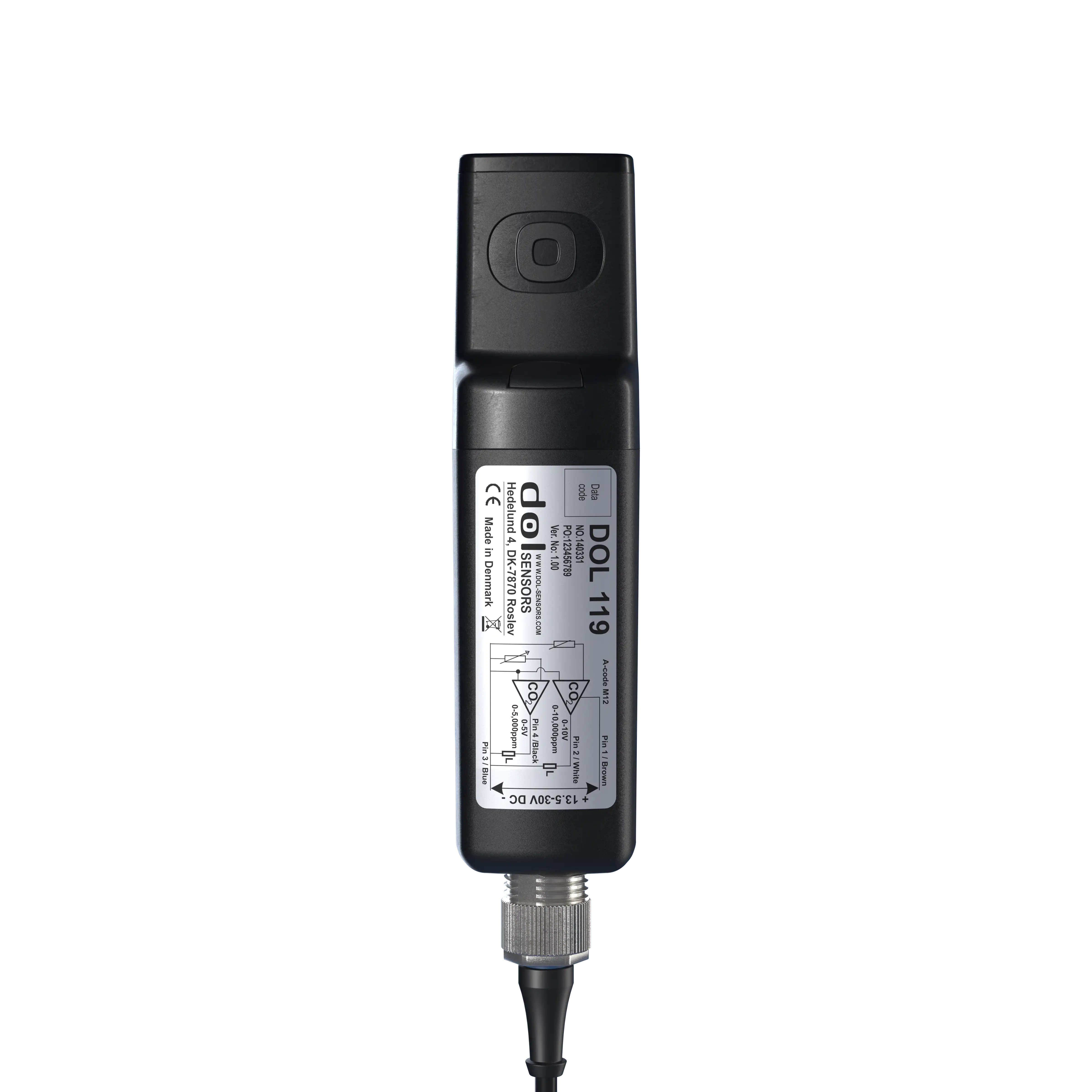
Modern technology makes it easier than ever to monitor and control barn air quality. Automated ventilation systems equipped with CO₂ sensors can adjust airflow in real time to maintain optimal conditions.
Key strategies include:
Effective ventilation isn’t about simply increasing airflow — it’s about achieving a balance between air quality, temperature, and energy use. Properly designed systems can remove excess CO₂, humidity, and dust without wasting heat or driving up costs.
By focusing on air quality management, producers can see tangible improvements in pig growth rates, feed efficiency, and overall herd health — all while creating a more comfortable working environment.