Discover how our reliable climate sensors transform duck farming by optimizing environmental conditions, enhancing air quality, and improving feed efficiency for maximum productivity and health of your flock.
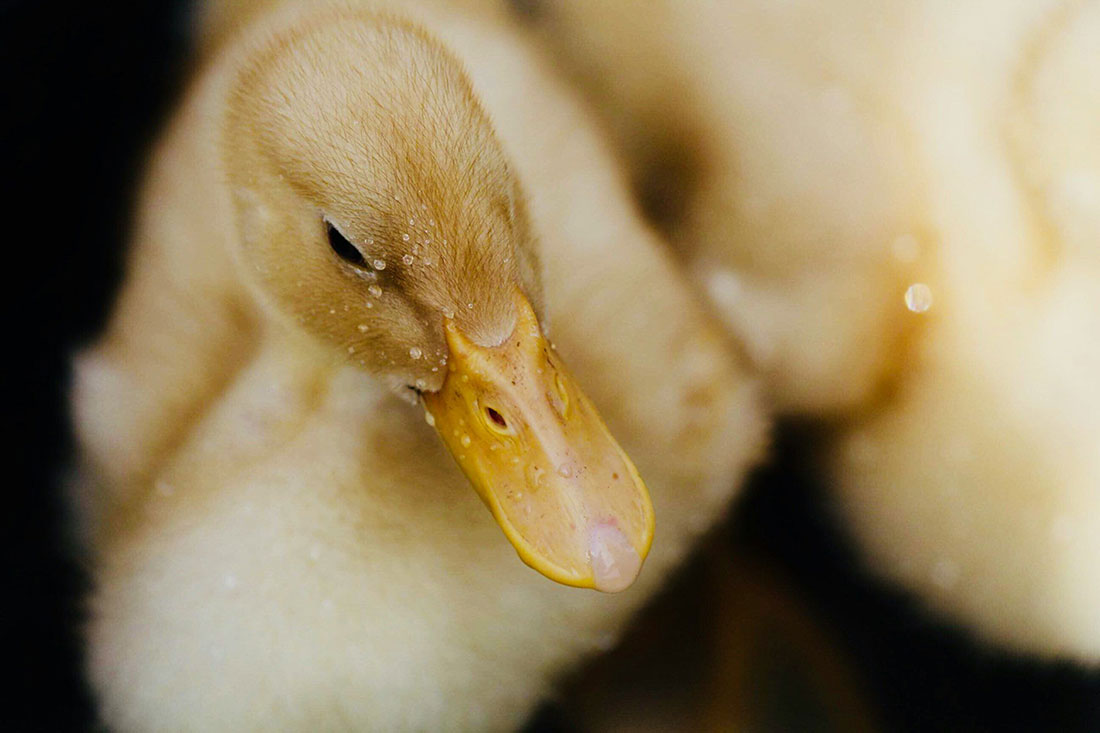
Environmental factors greatly influence duck well-being and productivity. Our climate sensors continuously monitor the conditions within duck houses, providing you with data on temperature, humidity, and air quality to create the ideal climate. An optimum climate prevents stress, promotes faster growth, and enhances overall flock health, directly impacting your bottom line.
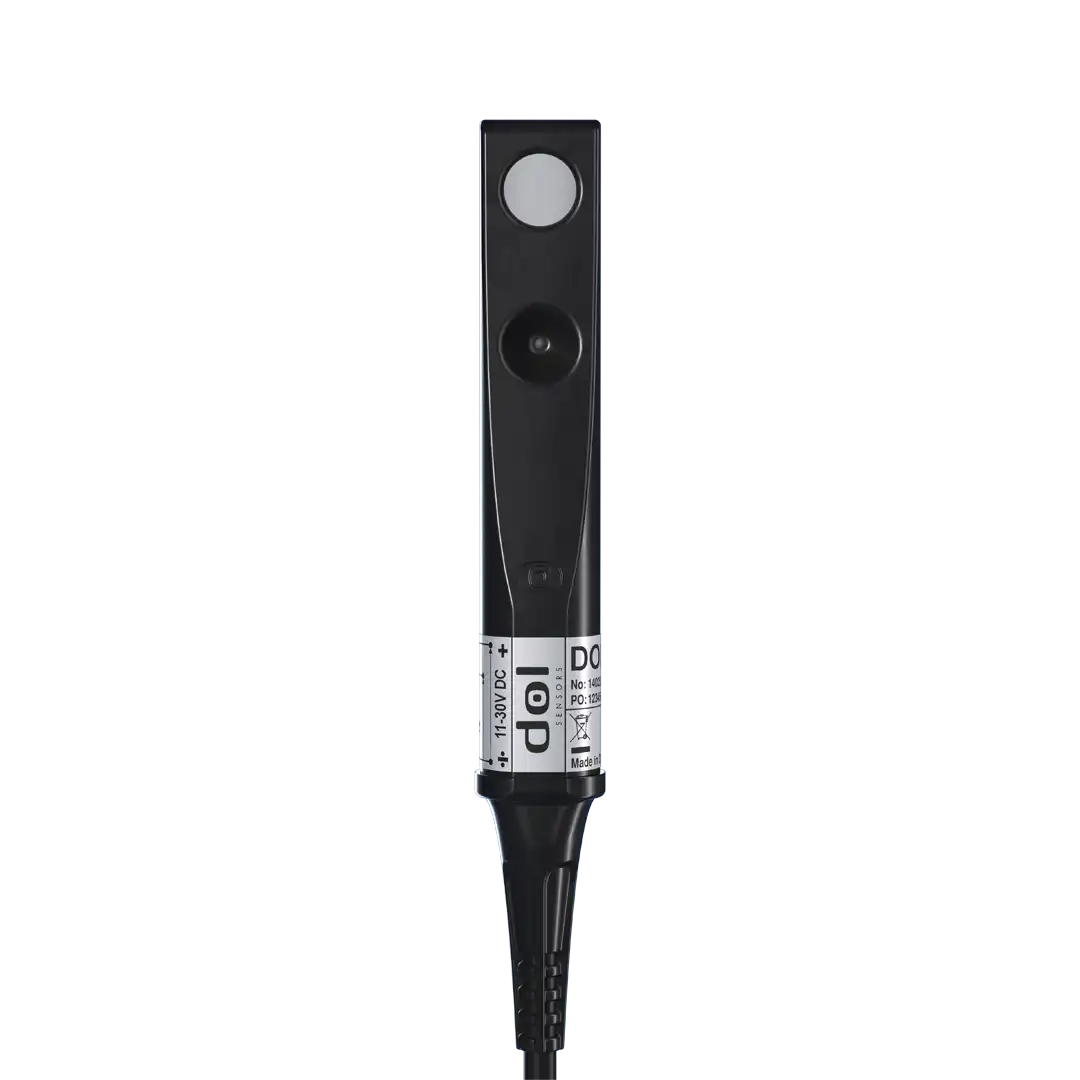
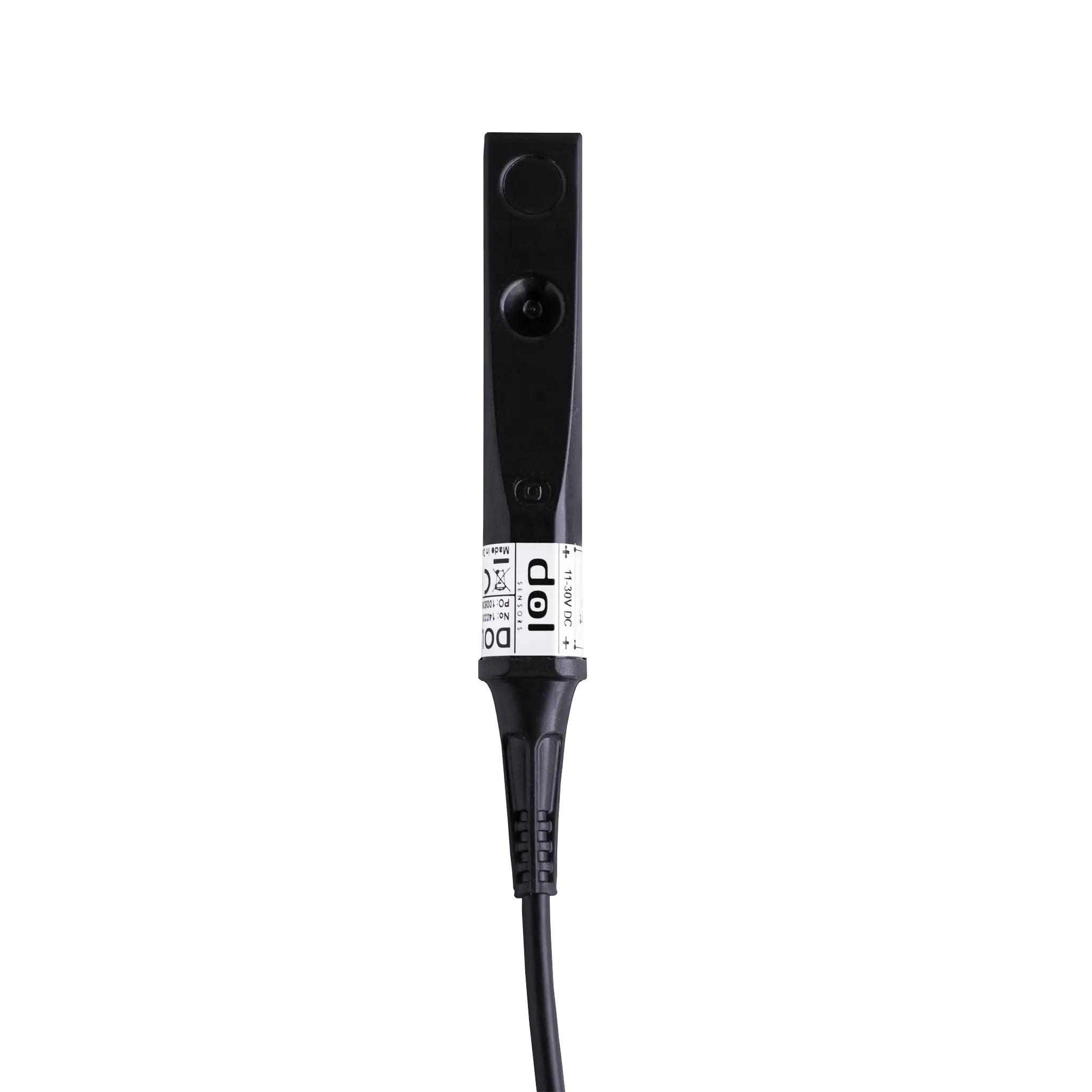
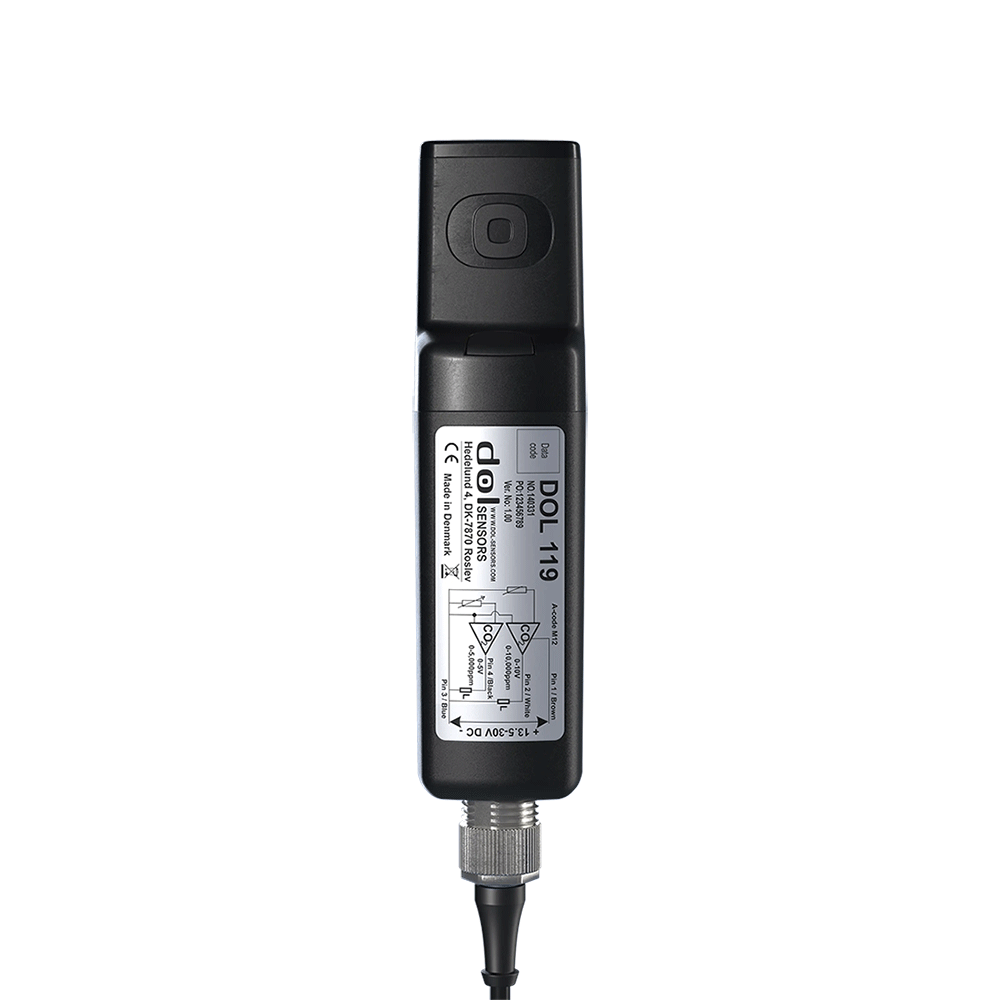
With our DOL 51 ammonia sensor for air cleaning, you can measure the residual ammonia concentration in the exhaust air after it passes through the filters on the clean gas side of air cleaners, ensuring the exhaust air remains clean. This measurement is crucial for documenting air quality and adhering to environmental standards. Our award-winning DOL 53 ammonia sensor complements this by monitoring ammonia concentrations at the air cleaner’s inlet, allowing for optimal operation and minimal additive costs.
Duck farms can produce odors and airborne pollutants, such as ammonia and dust from manure and feathers, which can degrade air quality and contribute to acid rain, harming local flora and fauna. Ammonia can also react with other atmospheric pollutants to form harmful particulate matter, affecting both environmental and human health.
Both the DOL 51 and DOL 53 sensors are equipped with changeable filters and are designed to withstand harsh conditions like dust, high humidity, and temperature fluctuations, helping you maintain cleaner air and a healthier environment around your farm.