
Standardizing Data Across Farms
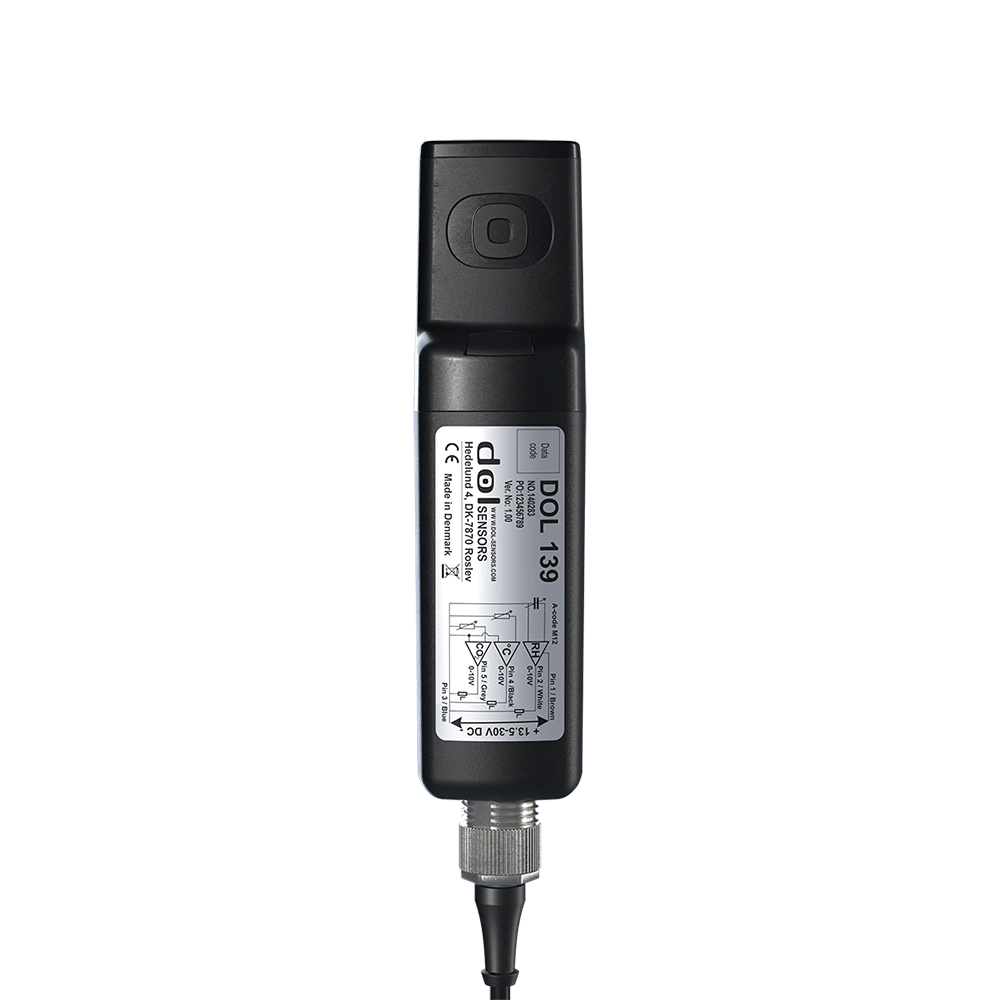
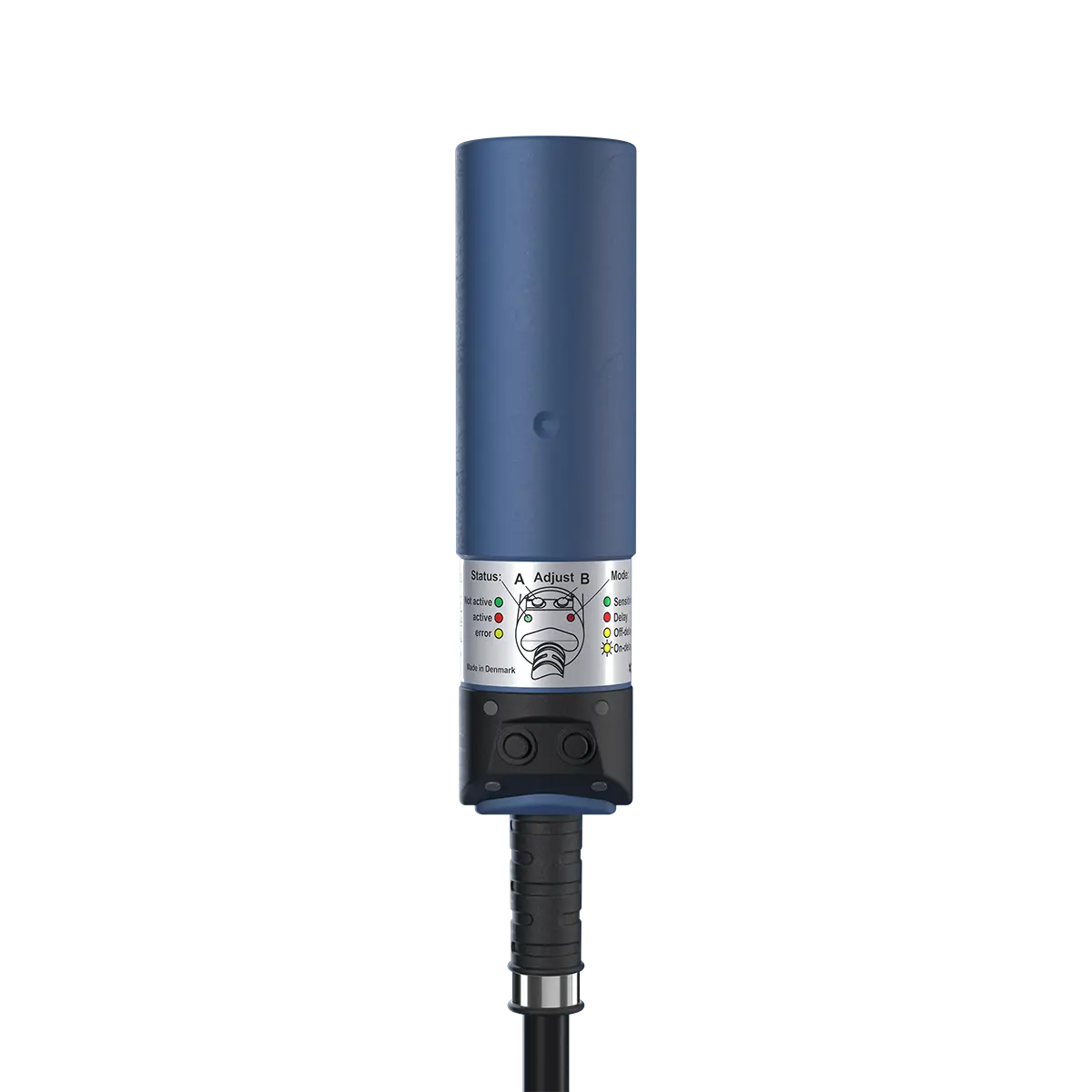
For meaningful comparisons, data must be consistent across all farms. This involves standardizing data collection methods, ensuring the same types of data are gathered in a comparable format. Software solutions play a pivotal role here, helping to integrate data from various sources and standardize it for analysis. It also makes sense to use the same sensors and weights to ensure the data is comparable.
Analyzing and Comparing Data
Identifying Key Performance Indicators (KPIs) is crucial. These might include feed conversion ratios, average bird weight and weight gain, and mortality rates. Using analytical tools, farm managers can compare these KPIs across different farms. Benchmarking against industry standards or internal best performers helps identify areas for improvement or practices worth replicating.
Visualization tools like graphs and dashboards on farm controllers or online in WebUIs are invaluable for making sense of large data sets. They help in spotting trends and patterns that may not be apparent from raw data. For instance, a consistent drop in feed efficiency in one farm could indicate a need for a review of feed quality or feeding practices.
Learning and Adapting
Learning from data involves looking at success stories and failures. Case studies where changes based on data insights led to improvements are particularly instructive. From these, a set of best practices can be developed and shared across all farms.
Adapting insights from one farm to another involves tailoring strategies to each farm’s unique context. It’s not just about replicating practices but adapting them to suit different environments, bird breeds, and farm sizes. Staff training and change management are also critical components of this process.