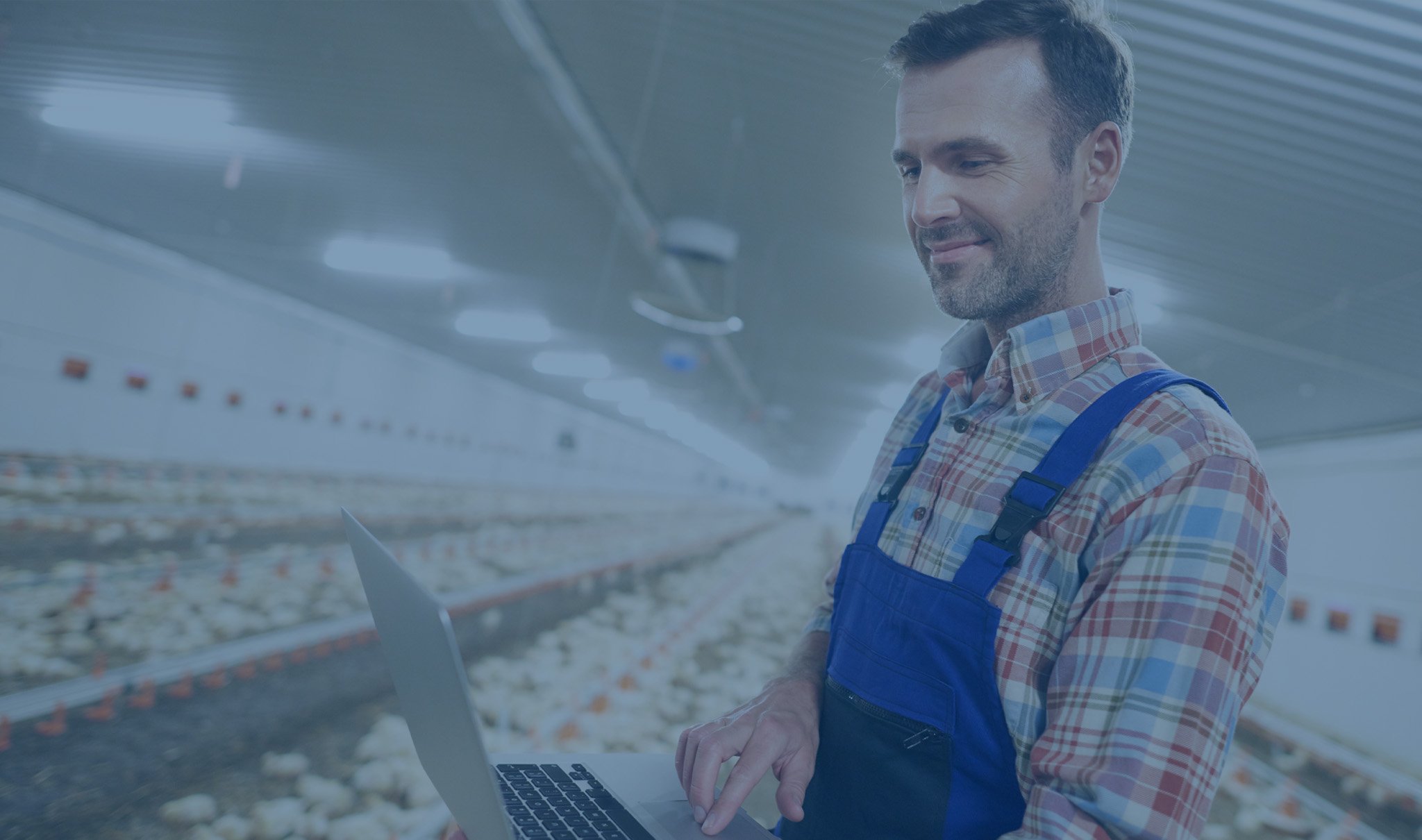
Compare Data From Multiple Farms

Optimizing Poultry Farm Performance through Data-Driven Insights

In the era of precision agriculture, data has become a cornerstone in managing poultry farms efficiently. With advanced sensors and farm controllers, today’s poultry experts can gather a wealth of information, offering unprecedented insights into daily operations.

Data Collection

Key to any data-driven approach is the collection of relevant data. In poultry farming, this includes environmental parameters like temperature, humidity, ammonia level, CO2 level, feed and water consumption, bird weight, and health indicators. Modern farms employ an array of sensors connected to farm controllers, ensuring real-time data acquisition. This data forms the basis of all subsequent analysis and decision-making processes.

The Benefits of Data
Data collection and analysis help identify best practices, improve efficiency, and optimize production performance across multiple farms.

Standardizing Data Across Farms

For meaningful comparisons, data must be consistent across all farms. This involves standardizing data collection methods, ensuring the same types of data are gathered in a comparable format. Software solutions play a pivotal role here, helping to integrate data from various sources and standardize it for analysis. It also makes sense to use the same sensors and weights to ensure the data is comparable.

Analyzing and Comparing Data

Identifying Key Performance Indicators (KPIs) is crucial. These might include feed conversion ratios, average bird weight and weight gain, and mortality rates. Using analytical tools, farm managers can compare these KPIs across different farms. Benchmarking against industry standards or internal best performers helps identify areas for improvement or practices worth replicating.

Visualization tools like graphs and dashboards on farm controllers or online in WebUIs are invaluable for making sense of large data sets. They help in spotting trends and patterns that may not be apparent from raw data. For instance, a consistent drop in feed efficiency in one farm could indicate a need for a review of feed quality or feeding practices.

Learning and Adapting

Learning from data involves looking at success stories and failures. Case studies where changes based on data insights led to improvements are particularly instructive. From these, a set of best practices can be developed and shared across all farms.

Adapting insights from one farm to another involves tailoring strategies to each farm’s unique context. It’s not just about replicating practices but adapting them to suit different environments, bird breeds, and farm sizes. Staff training and change management are also critical components of this process.

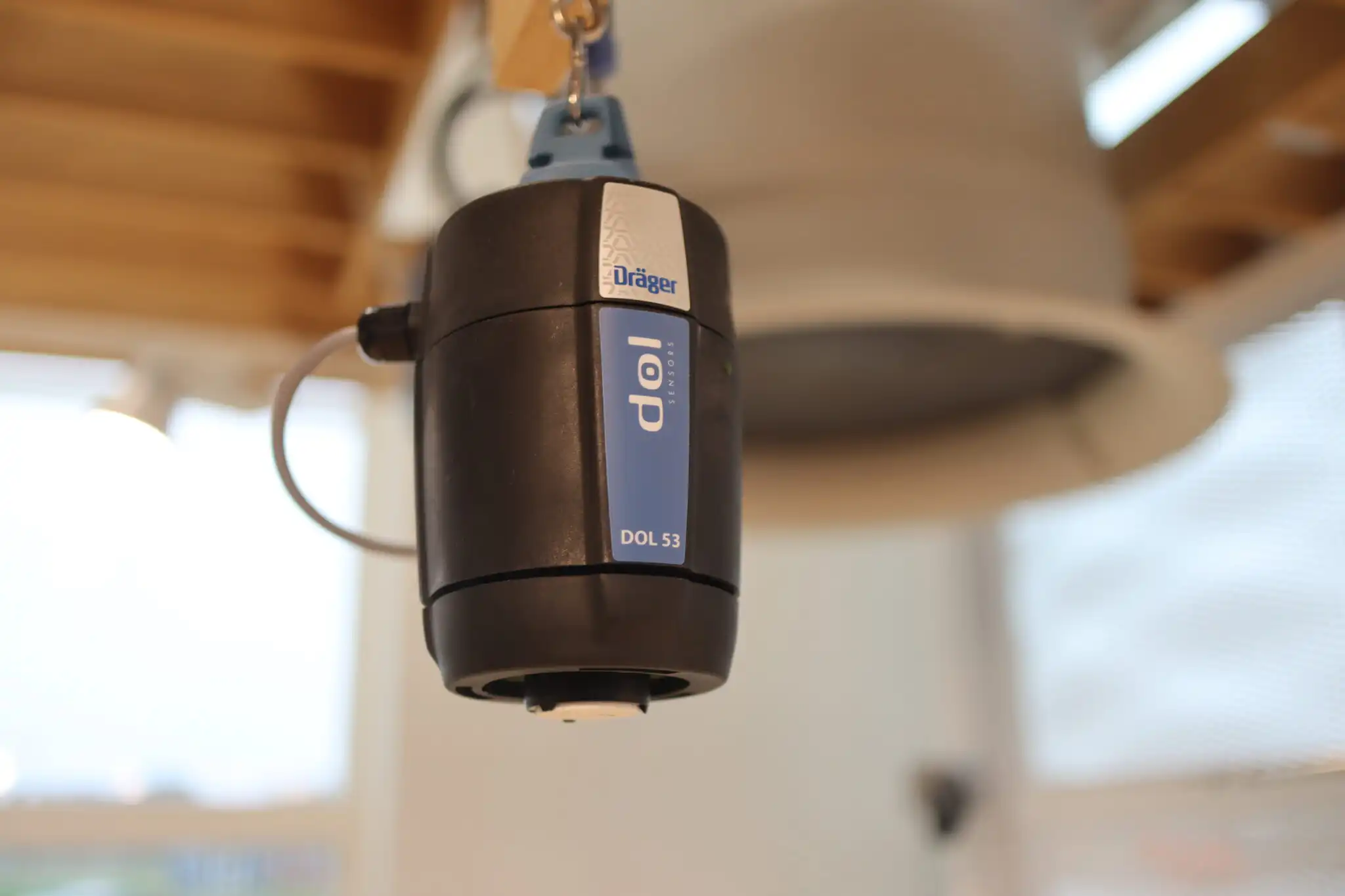
Capacitive Sensor With Heat
Learn how continuous monitoring helps producers identify developing production challenges through changes in water consumption, growth performance and other key production indicators.

Capacitive Sensor with Built-In Heating

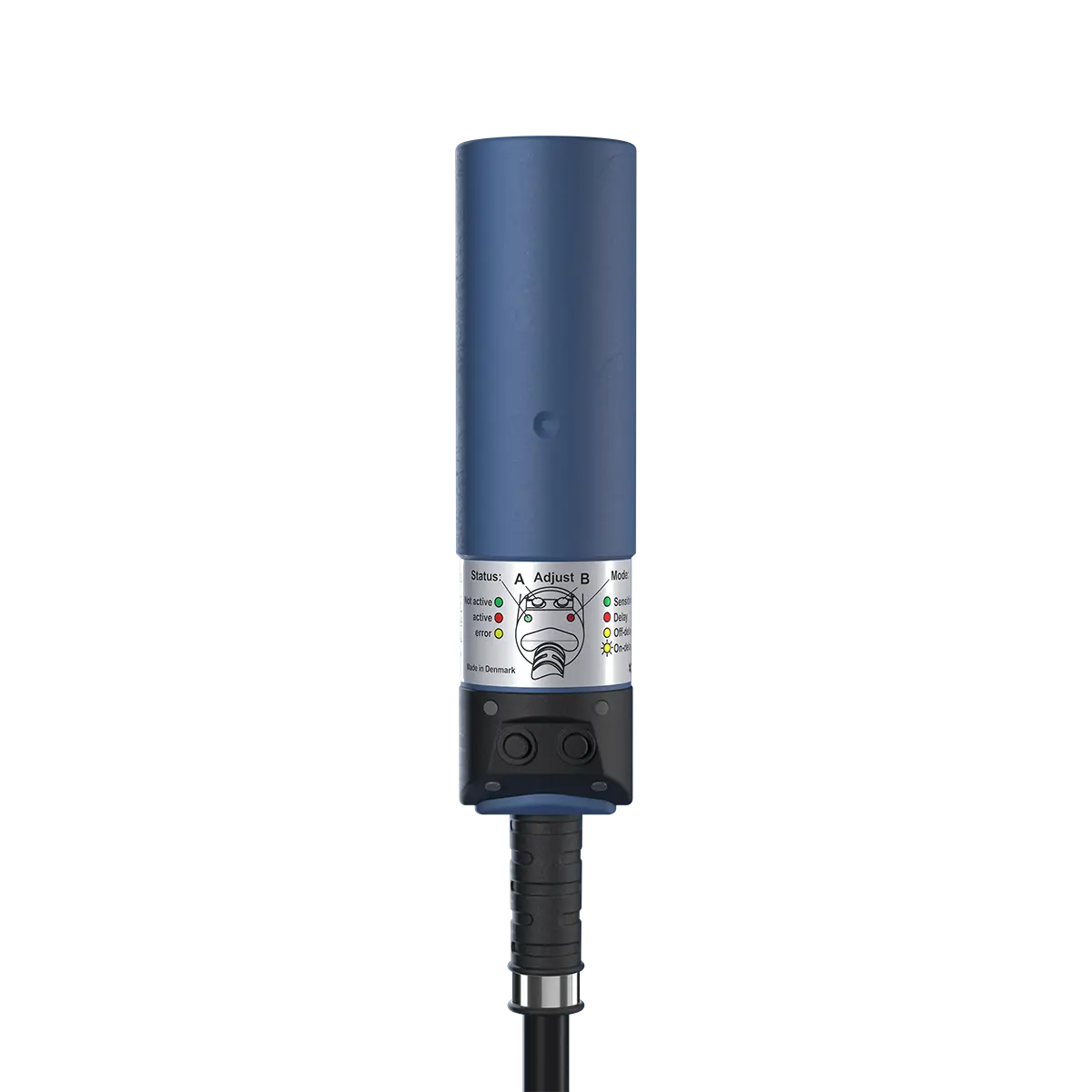
In environments where temperature fluctuations and high humidity pose a challenge to sensor reliability, the DOL 44 Capacitive Relay Sensor stands out as a robust solution. This advanced sensor features an integrated heating element, specifically designed to prevent condensation and ice buildup — a common problem in very cold or damp settings that can impair sensor accuracy and longevity.

Capacitive sensors operate by detecting changes in capacitance caused by the presence of materials, making them ideal for monitoring levels of grain, feed, and solids. However, in environments with condensation and cold temperatures, moisture and ice can interfere with sensor readings. The DOL 44 counters this issue by maintaining a stable internal temperature, ensuring consistent performance regardless of external conditions.

The built-in heating function not only increases the reliability of the sensor but also extends its operational life in demanding agricultural, industrial, or outdoor applications.

Climate Sensors That Fit All Farm Controllers
Learn how continuous monitoring helps producers identify developing production challenges through changes in water consumption, growth performance and other key production indicators.

Easy Integration Across Different Systems

One of the challenges many farmers face is integrating new sensors into existing farm management systems. When climate sensors are compatible with all major farm controllers, upgrades and replacements become much simpler. This gives producers greater flexibility when expanding facilities, replacing aging equipment, or standardizing sensor solutions across multiple farms.

Our climate sensors fit all farm controller, which makes it easy to install them no matter what controller you are using. They easily replace other climate sensors as well.

Climate sensors from dol-sensors are specially designed for the harsh environment in livestock houses. They are robust and last longer since they are protected against dust, high humidity, temperature swings and high levels of ammonia.

Read more about our different climate sensors.

Locate a dealer.

Five Practical Ways to Strengthen Bird Welfare in Modern Poultry Production
Learn how continuous monitoring helps producers identify developing production challenges through changes in water consumption, growth performance and other key production indicators.

Improving bird welfare doesn’t always require major changes - often, the biggest gains come from understanding how the barn environment shapes behavior, health, and performance. With better climate control, smarter monitoring, and thoughtful management, producers can create conditions where birds stay healthier, more active, and more uniform.

1. Keep Airflow Consistent from Day One

Young birds depend on fresh air just as much as warmth. When ventilation is too limited, CO₂ rises quickly, oxygen drops, and chicks become inactive, eat less, and grow unevenly. Opening inlets early and ensuring steady airflow helps distribute heat, reduce moisture, and maintain a healthier environment. Even in winter, controlled ventilation supports stronger starts and better long‑term performance.

2. Use Enrichment Strategically - and rotate it

Birds are naturally curious and motivated to forage, scratch, and peck. Enrichment items like straw bales, pecking blocks, or ramps help direct this behavior in positive ways. But enrichment only works when it stays interesting. Rotating items, adjusting placement, and choosing tools that match the flock’s needs - such as promoting activity in heavier birds - helps maintain engagement and reduce unwanted behaviors like feather pecking.

3. Support Gut Health from the Beginning

A healthy digestive system is the foundation for growth, immunity, and feed efficiency. Early-life challenges - humidity, litter moisture, coccidiosis pressure - can disrupt gut function and lead to long-term performance losses. Working with nutrition and veterinary teams to support gut health from placement onward helps birds absorb nutrients better, maintain stronger immunity, and stay on track throughout the cycle.

Selected Sensors

Documents

English
Leaflet
Capacitive Brochure
English
Leaflet
Climate Brochure
English
Technical Information
DOL 139_Technical Information_EN
English
Technical Information
DOL 40 series_DOL 41-43-45_Technical Information_EN
English
Technical Information
DOL 53 Technical Info_EN

Join our newsletter

Stay ahead in livestock production.

Join our newsletter and get industry insights, expert perspectives, and practical strategies for optimizing performance and efficiency.