
Poultry farming is one of the oldest forms of animal husbandry, with a history stretching back thousands of years. What began as small-scale, household-based bird keeping has since evolved into one of the most advanced and efficient food production systems in the world. Understanding where poultry production started, and how it has developed, gives valuable perspective on the challenges and opportunities that shape the industry today.
The domestication of chickens is believed to have begun more than 8,000 years ago in Southeast Asia, where the red junglefowl (Gallus gallus) was first tamed. Initially, chickens were not kept primarily for meat or eggs but for cultural and religious purposes, including cockfighting and ceremonial use. Over time, humans recognized their value as a source of food, and poultry spread across Asia, Africa, and Europe.
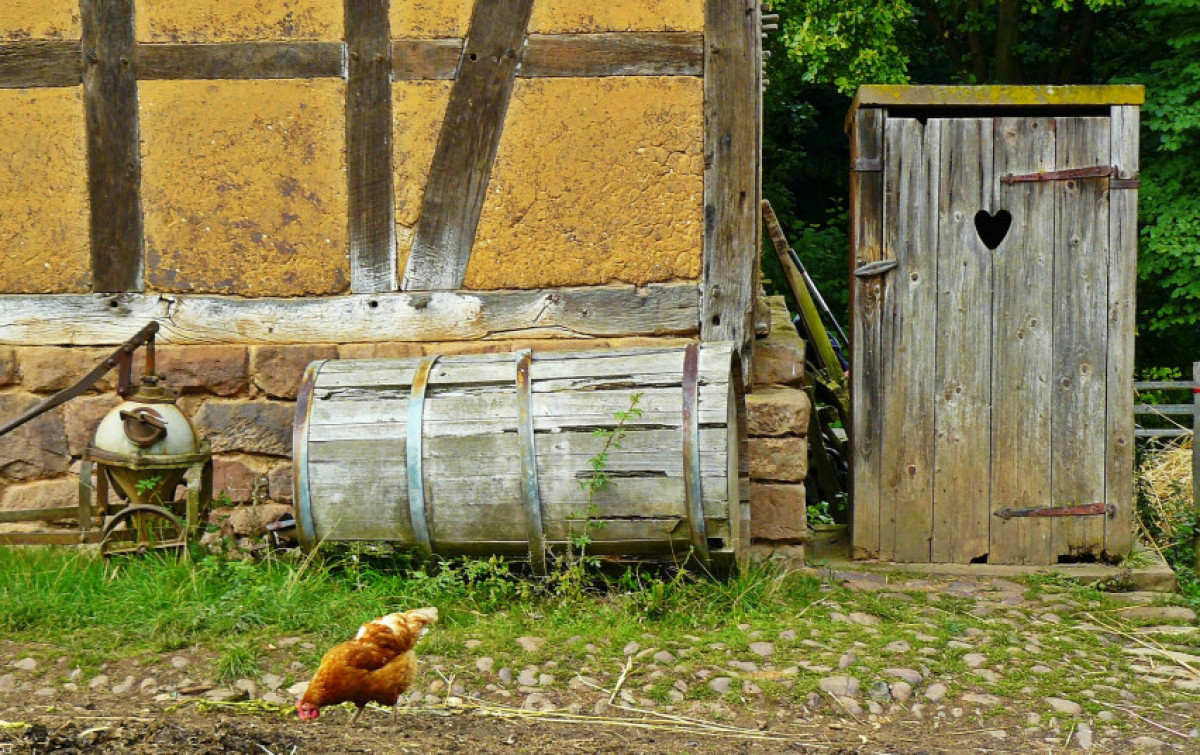
By the time of the Roman Empire, chickens were widely kept across Europe, mostly in small backyard flocks that supplied families with eggs and occasional meat. For centuries, poultry production remained decentralized and small-scale, with little selective breeding or organized management.
The real transformation began in the late 19th and early 20th centuries, when urbanization and population growth created demand for a more consistent and larger-scale food supply. Advances in transportation and refrigeration allowed poultry products to be traded more widely, moving beyond backyard consumption.
By the 1920s and 1930s, the first commercial poultry farms appeared, particularly in the United States. Producers began keeping larger flocks, often hundreds of birds, and selective breeding programs were introduced to improve growth rates, egg production, and feed efficiency.
The mid-20th century marked the rise of intensive poultry farming. Technological advances in housing, automated feeding, and disease prevention revolutionized the industry. Chickens bred specifically for meat (broilers) and for egg production (layers) became widespread.
Today, poultry is the most consumed meat in the world, thanks to its affordability, versatility, and efficiency. Modern poultry houses can hold tens of thousands of birds, with sophisticated systems controlling temperature, ventilation, lighting, and feed distribution. Genetics, nutrition, and management practices are highly advanced, enabling rapid growth and high productivity.
At the same time, the industry faces growing scrutiny regarding animal welfare, sustainability, and antibiotic use. This has spurred the development of alternatives such as free-range systems, enriched housing, and precision livestock farming technologies.
From its humble beginnings in backyard flocks to today’s data-driven, sensor-equipped production houses, poultry farming has undergone a remarkable transformation. What hasn’t changed is its central role in feeding people around the world.
The future of poultry production will likely combine efficiency with responsibility—balancing productivity with welfare, sustainability, and consumer expectations. The industry has always adapted, and its evolution shows that innovation and care go hand in hand.