Strategies to Reduce Ammonia Emissions
Reducing ammonia requires an integrated approach across nutrition, housing, and manure management.
1. Nutritional Strategies
Some producers are finding that small nutritional adjustments can make a big difference in reducing ammonia emissions. Since ammonia comes mainly from excess nitrogen in manure, improving how pigs use dietary protein is one of the most effective ways to limit emissions.
Many farms now reduce crude protein levels in the diet and instead balance amino acids like lysine, methionine, threonine, and tryptophan. This helps pigs grow efficiently while producing less nitrogen waste.
Others use feed additives to support this goal. For example, acidifiers such as benzoic acid can lower urine pH and reduce ammonia volatilization, while yucca extracts and zeolites may help bind or neutralize ammonia in the manure.
Phase feeding — adjusting feed formulations according to the pigs’ growth stages — is another strategy gaining traction. It ensures nutrients are provided in line with the animals’ actual requirements, improving feed efficiency and reducing waste.
Because results can vary between farms, it’s always best to consult a swine nutritionist or feed specialist before making dietary changes. They can help tailor a feeding program that maintains performance while minimizing emissions and feed costs.
2. Housing and Ventilation
- Maintain dry, clean floors to minimize urine–feces contact.
- Use slatted floors and frequent manure removal systems.
- Ensure adequate ventilation to dilute and remove gases effectively.
- Consider air scrubbers or biofilters for high-density operations.
3. Manure Management
- Frequent removal of slurry from pits prevents microbial breakdown within the housing.
- Slurry acidification (e.g., with sulfuric acid) can reduce ammonia emissions by over 50%.
- Covering storage tanks and applying manure by injection rather than surface spreading further minimizes losses.
Monitoring Ammonia Levels
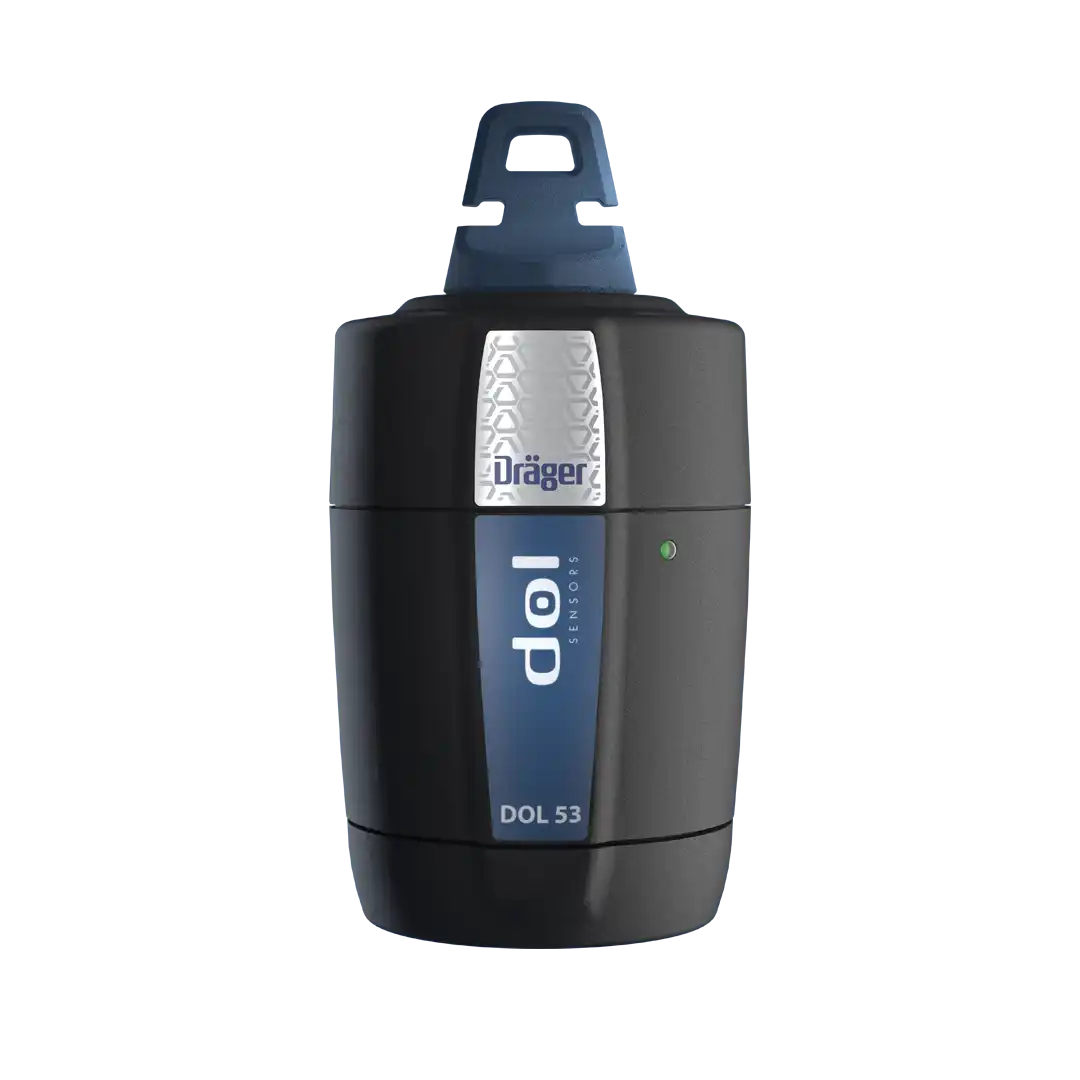
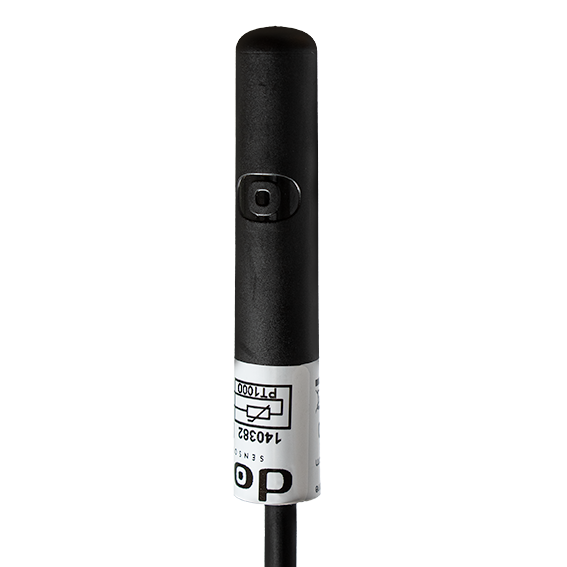
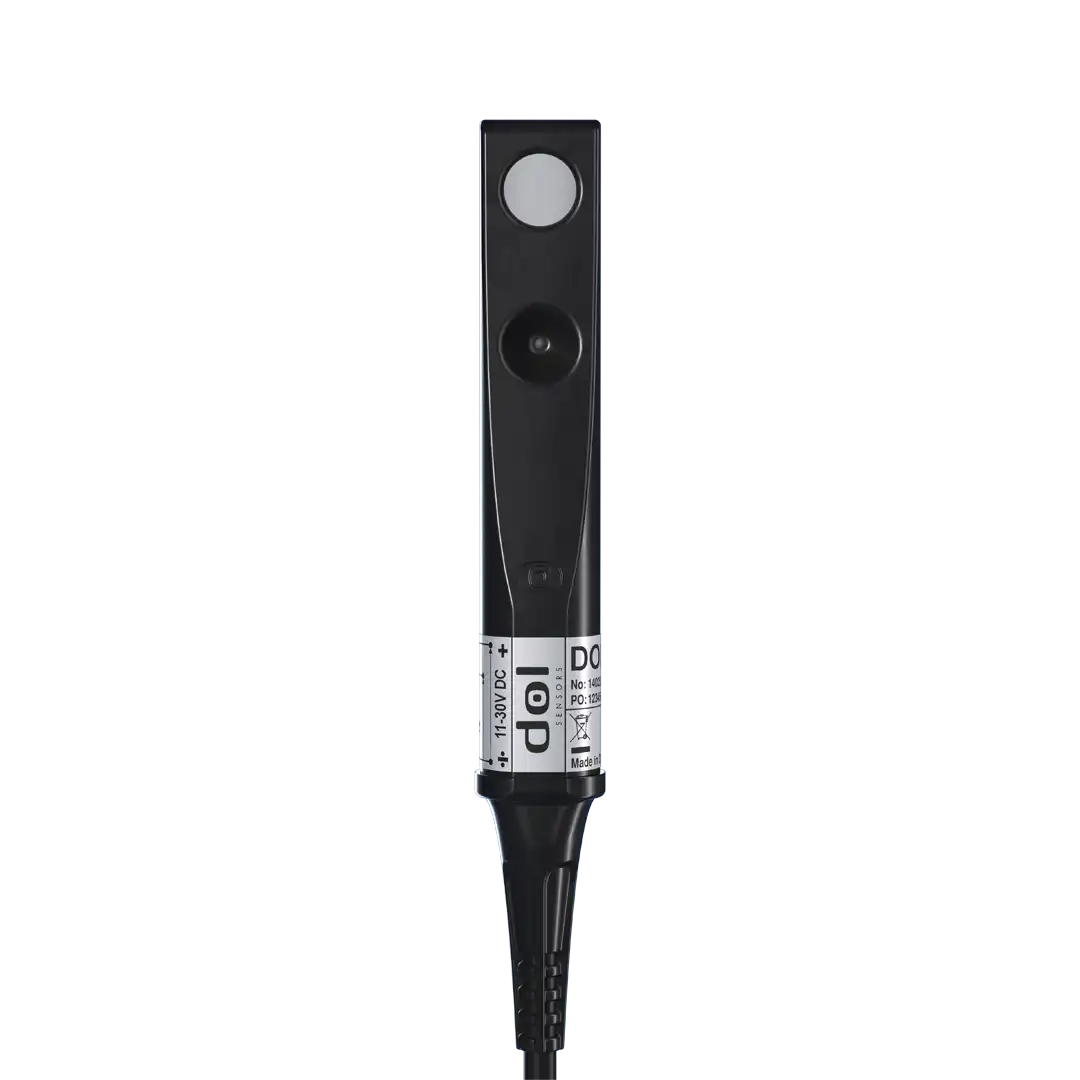
Regular monitoring is essential. Accurate ammonia sensors designed for the harsh environment of pig production, such as the DOL 53 Ammonia Sensor, can help producers maintain safe and efficient barn environments.