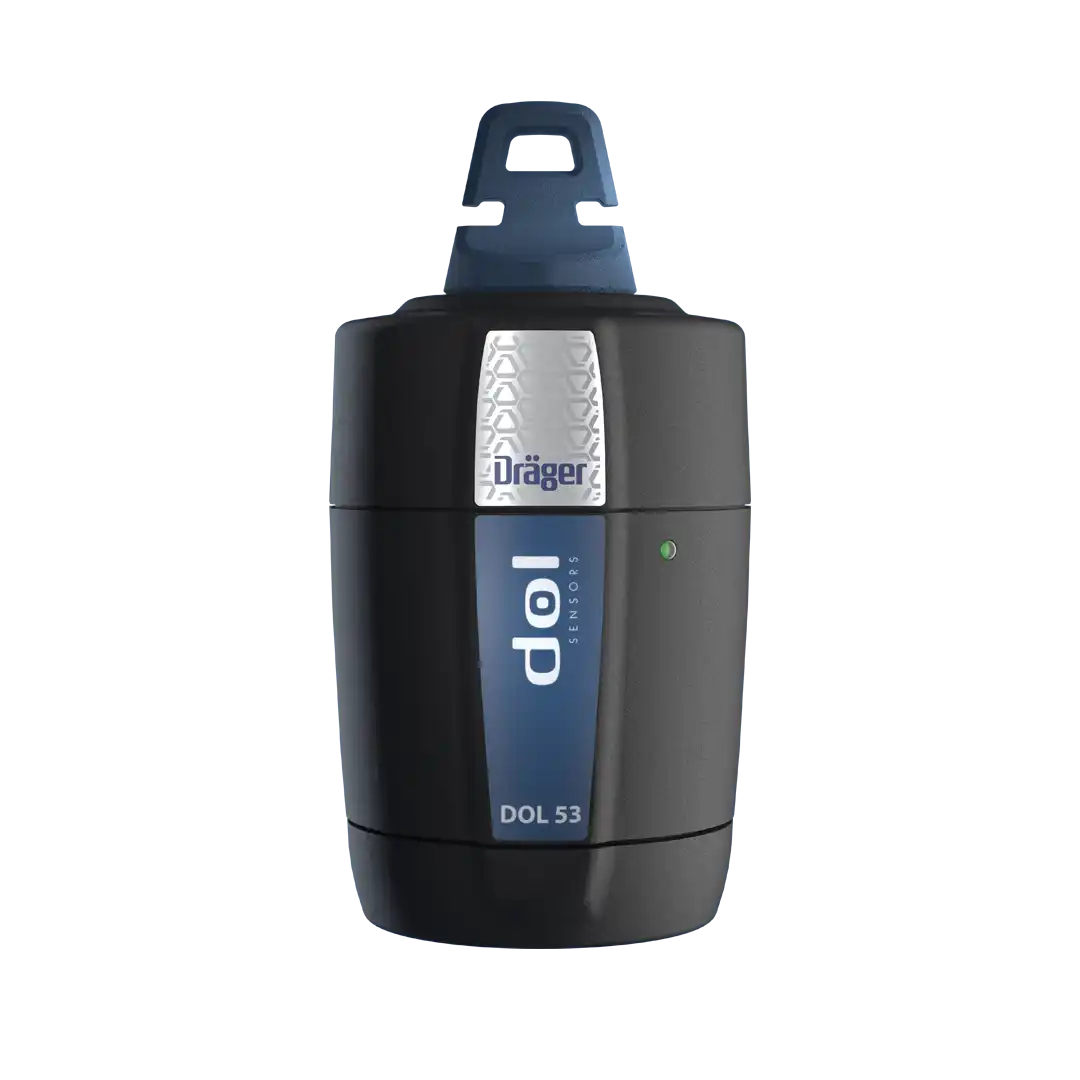
Automated Climate and Ventilation in Pig Production

Maintaining the right climate is one of the most critical factors in efficient pig production. Pigs are highly sensitive to changes in temperature, humidity, and air quality. Any imbalance can lead to heat stress, poor feed conversion, increased disease risk, and reduced growth rates. Automated climate and ventilation systems are transforming how farmers manage these challenges — ensuring healthier animals, greater efficiency, and higher profits.

The Importance of Climate Control in Pig Housing

Optimal climate control directly influences animal welfare and performance. Pigs cannot sweat, so managing heat and humidity within their environment is essential. Poor air quality caused by excess ammonia, carbon dioxide, or dust can also impact respiratory health and feed intake. Manual monitoring and adjustments can be time-consuming and inconsistent, especially in large-scale operations.

Automated systems solve this by continuously monitoring environmental factors such as:

  • Temperature and humidity levels
  • Ammonia and carbon dioxide concentrations
  • Airflow and ventilation rates
  • External weather conditions

By automatically adjusting fans, heaters, and inlets, these systems keep conditions stable around the clock.

Increase Greenhouse Yield with Automation
Discover how automatic climate control systems optimize greenhouse conditions, improve crop growth, and provide real-time insights for more productive and efficient operations.

Benefits of Automated Climate and Ventilation Systems

1. Energy Efficiency

Modern automation uses smart sensors and algorithms to minimize unnecessary energy use. For example, fans and heaters only operate when needed, reducing electricity and fuel consumption. This leads to significant energy savings over time.

2. Improved Feed Efficiency

When pigs are comfortable, they eat more consistently and convert feed into growth more effectively. Stable temperatures and fresh air prevent heat stress and respiratory issues that can reduce appetite and performance.

3. Reduced Mortality and Health Risks

Automated climate systems help prevent sudden changes that can cause stress or illness. Consistent air exchange lowers disease pressure by removing pathogens, dust, and moisture from the air — improving overall herd health.

4. Labor Savings

Automation reduces the need for manual monitoring and adjustments. Farmers can manage multiple barns from a central dashboard or even remotely through mobile apps, allowing more time for strategic management tasks.

5. Lower Overall Costs

While initial installation requires investment, the long-term savings from reduced energy use, lower mortality, and better feed conversion quickly offset the cost. Many producers see a clear return on investment within a few years.

Supporting Animal Welfare and Sustainability

Automated climate management not only improves productivity but also supports animal welfare standards. Consistent comfort means less stress, better growth, and improved reproductive performance. Furthermore, efficient energy use and reduced waste align with sustainability goals — an increasingly important aspect of modern livestock production.

Customized Sensor Solutions
Learn how continuous monitoring helps producers identify developing production challenges through changes in water consumption, growth performance and other key production indicators.

Every agricultural and industrial operation has its own unique challenges, workflows, and performance targets. At dol-sensors, we understand that every farm and industry has its own needs and therefor aim at providing unparalleled customer experiences. With a commitment to providing customized sensor solutions, we offer a wide range of sensors that can be tailored to meet the specific requirements of our customers.

Our mission is to deliver reliable, precise, and user-focused sensor technologies that help customers optimize production, improve animal welfare, reduce waste, and streamline daily operations. Whether you are upgrading an existing system or designing a completely new setup, our engineering team works closely with you to ensure the final solution fits seamlessly into your application.

Get A Customized Offer

To get an offer that suits your needs, please contact our Global Sales Manager.

Jan Jensen
Global Sales Manager

Ext.: +45 72 17 58 49
Mobile: +45 52 13 58 49
Email: [email protected]

Not Long From Idea to Finished Product

One of the key advantages of our company is the ability to customize our products. We innovate, design, and produce our sensor solutions at the same facility, which means that there is not long from idea to finished product.

Data Doesn't Replace Experience. It Strengthens It.
Learn how continuous monitoring helps producers identify developing production challenges through changes in water consumption, growth performance and other key production indicators.

Livestock production has always depended on experience.

Whether managing a poultry house or a pig facility, experienced producers develop a strong understanding of animal behavior, environmental conditions, and daily operations. These insights are built over years of observation and hands-on management.

As monitoring technologies become more common in modern livestock production, some producers wonder whether data is replacing experience.

The reality is quite the opposite.

Experience Still Matters Most

No sensor can replace the knowledge that comes from working with animals every day.

Experienced producers can often spot subtle changes in behavior, identify unusual patterns, and recognize early signs of developing challenges before they become serious problems. That expertise remains one of the most valuable resources on any farm. However, even the most experienced manager cannot be everywhere at once.

The Need for Greater Visibility

Modern poultry and pig production is becoming increasingly complex.

Environmental conditions can change throughout the day, often without obvious signs. Ventilation performance, temperature, humidity, CO₂ levels, and water consumption may shift gradually before they become noticeable during routine inspections. This is where continuous monitoring adds value.

Rather than replacing human expertise, monitoring technologies provide an additional layer of visibility that helps producers better understand what is happening inside the house or barn.

→ Read: They Key Environmental Factors Every Poultry Barn Should Get Right

Better Information Supports Better Decisions

Reliable data helps producers make decisions based on facts rather than assumptions.

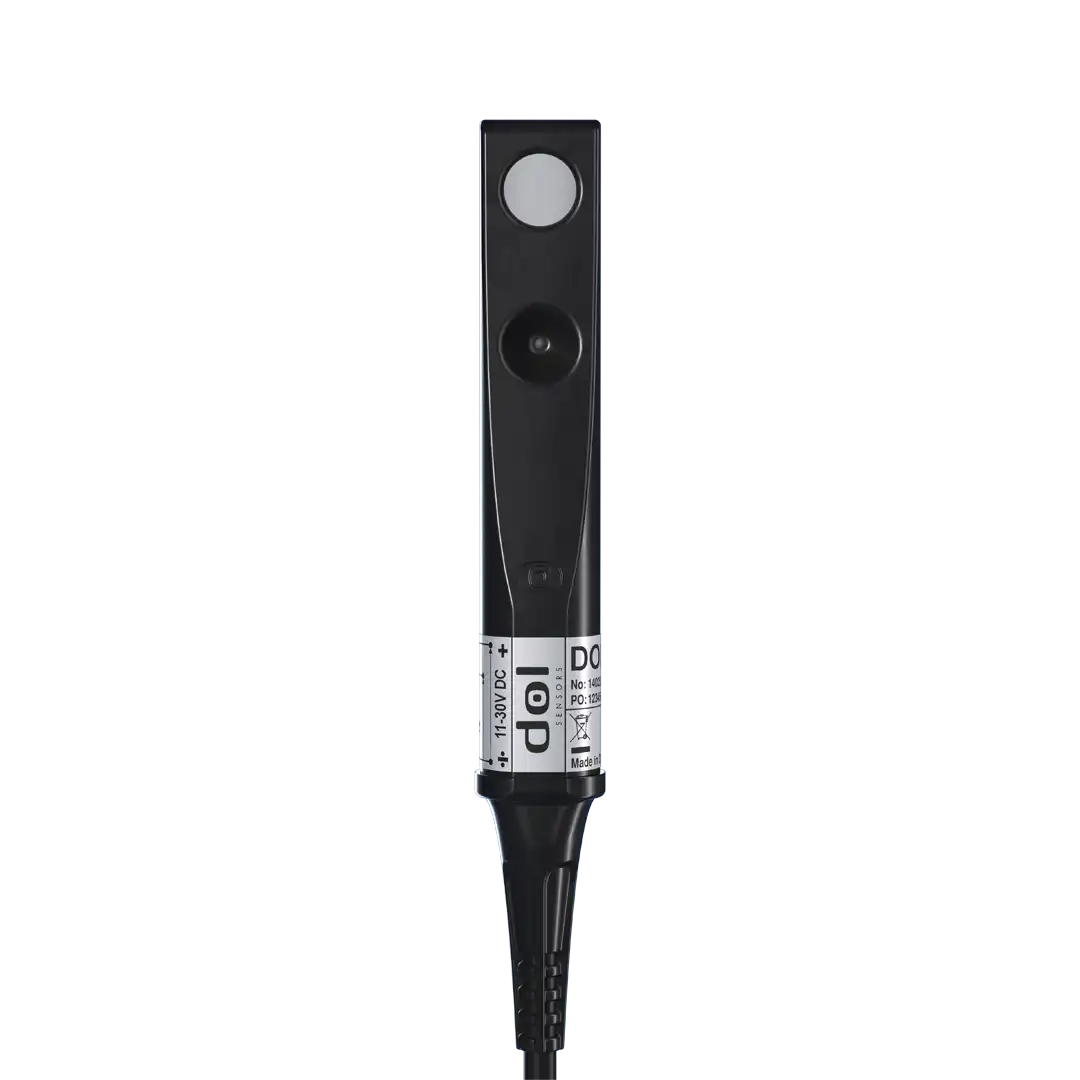
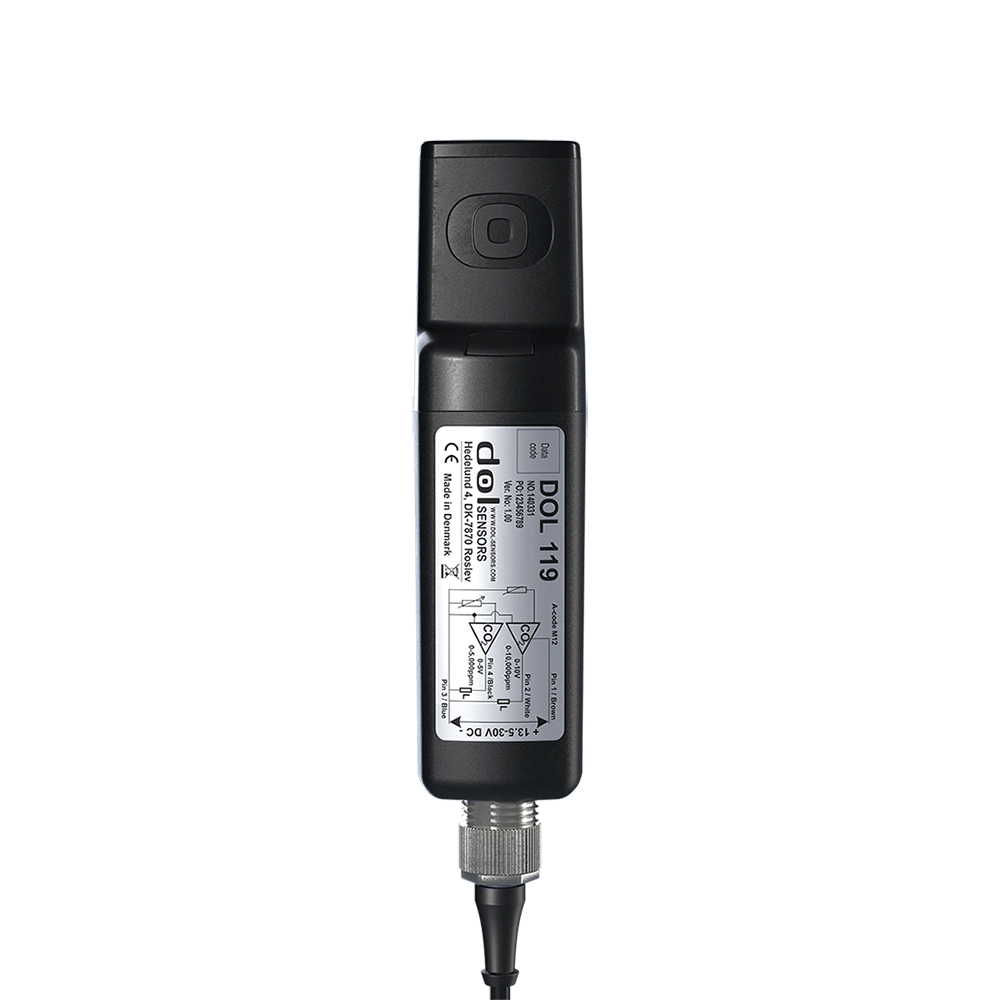
For example, the DOL 119 CO₂ Sensor provides insight into ventilation performance and indoor air quality, while the DOL 114 Humidity & Temperature Sensor helps monitor environmental conditions that influence animal welfare and productivity.

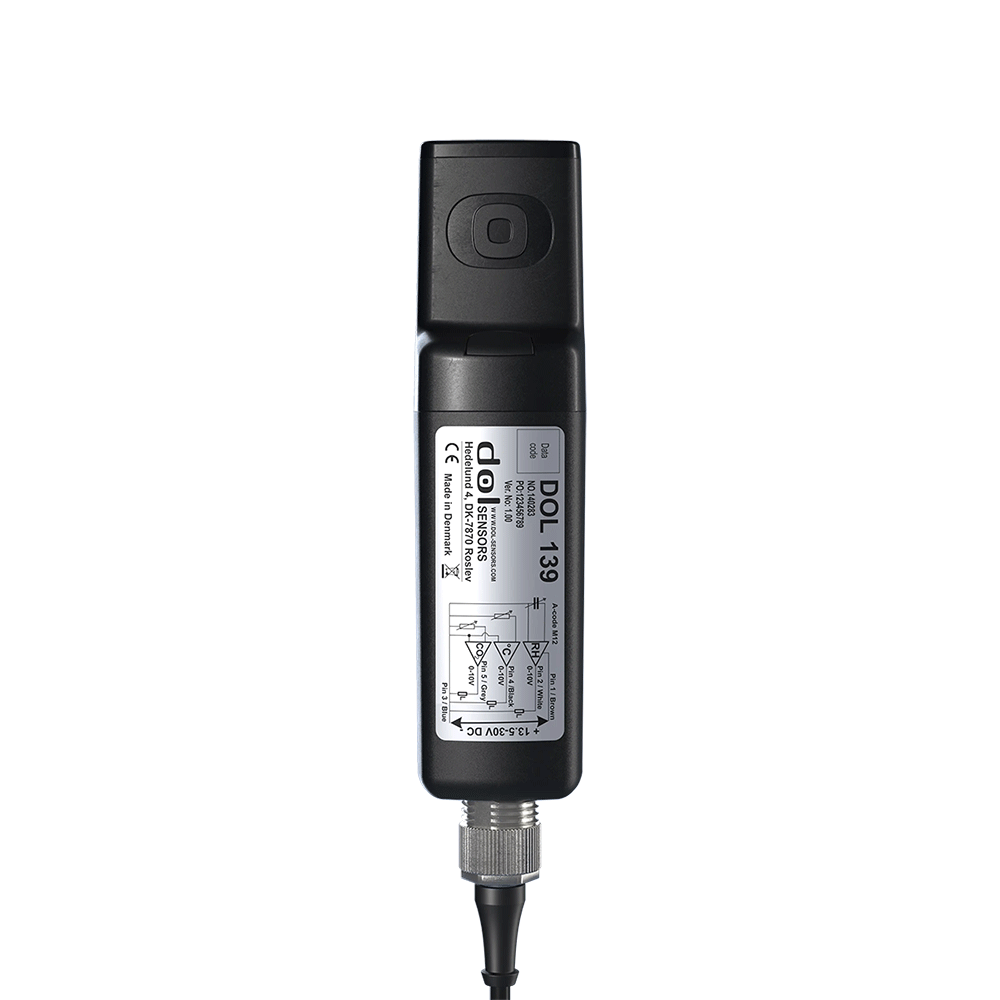
For producers seeking a broader environmental overview, the DOL 139 combines temperature, humidity, and CO₂ monitoring in a single sensor.

Production indicators are just as important. The DOL 90 Water Meter continuously monitors water consumption, often one of the earliest signs that something within the livestock house has changed. Together, these measurements provide valuable information that supports daily management decisions.

How Better Barn Environments Support Healthy Pig Growth
Learn how continuous monitoring helps producers identify developing production challenges through changes in water consumption, growth performance and other key production indicators.

Factors such as temperature, air quality, and overall barn stability shape how pigs behave, how efficiently they convert feed, and how vulnerable they are to disease. Modern production systems increasingly rely on real-time environmental monitoring to maintain these conditions, ensuring pigs live in a stable, predictable climate that supports their biological needs.

Why the Barn Matters for Growth

Pigs are highly sensitive to their surroundings. Even small fluctuations in temperature or air quality trigger stress responses which reduce feed intake, slow weight gain, and increase susceptibility to illness. A well-managed environment supports:

  • Optimal feed conversion - Pigs use energy for growth instead of fighting heat or cold stress
  • Stronger immune function - Stable conditions reduce respiratory challenges and pathogen pressure
  • Better welfare - Comfortable pigs are calmer, more active, and show fewer stress-related behaviors
  • Lower mortality and medication use - Healthy environments reduce disease outbreaks and treatment needs

These benefits translate directly into improved productivity and profitability for producers.

Key Environmental Factors That Influence Pig Growth

Temperature Stability

Continuous temperature monitoring helps producers maintain the ideal climate for each growth stage - from weaners to finishers.

Air Quality and Ventilation

Air quality is one of the most overlooked drivers of pig health. High levels of ammonia, CO₂, dust, and humidity can damage the respiratory system and increase disease risk.

Humidity Control

Humidity interacts with temperature influencing pig comfort. High humidity makes barns feel warmer, while low humidity increases dust levels in the air.

Noise and Stress Reduction

Environmental stressors - such as sudden noises, drafts, or inconsistent lighting - can disrupt feeding patterns and increase aggression. A calm, predictable environment supports steady growth and reduces injuries.

Selected Sensors

Documents

English
Leaflet
Climate brochure Pig

Join our newsletter

Stay ahead in livestock production.

Join our newsletter and get industry insights, expert perspectives, and practical strategies for optimizing performance and efficiency.