Learn how continuous monitoring helps producers identify developing production challenges through changes in water consumption, growth performance and other key production indicators.
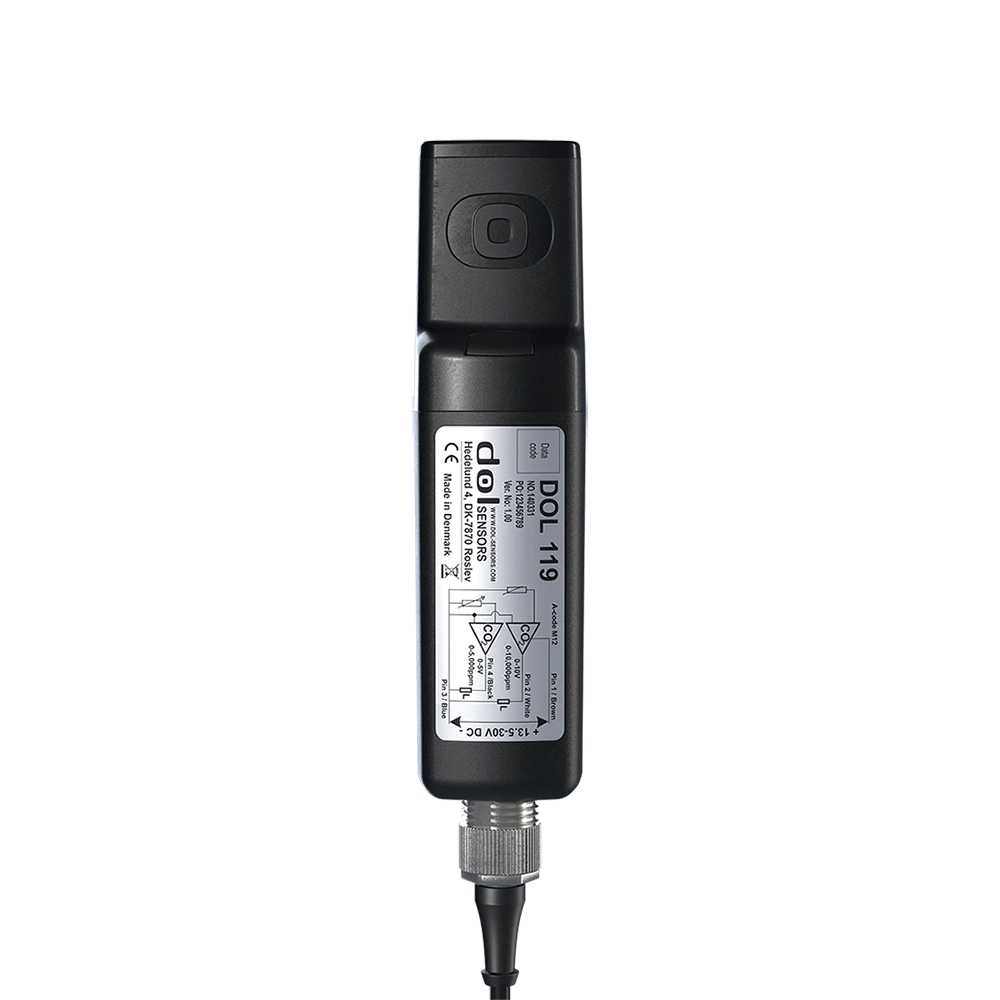
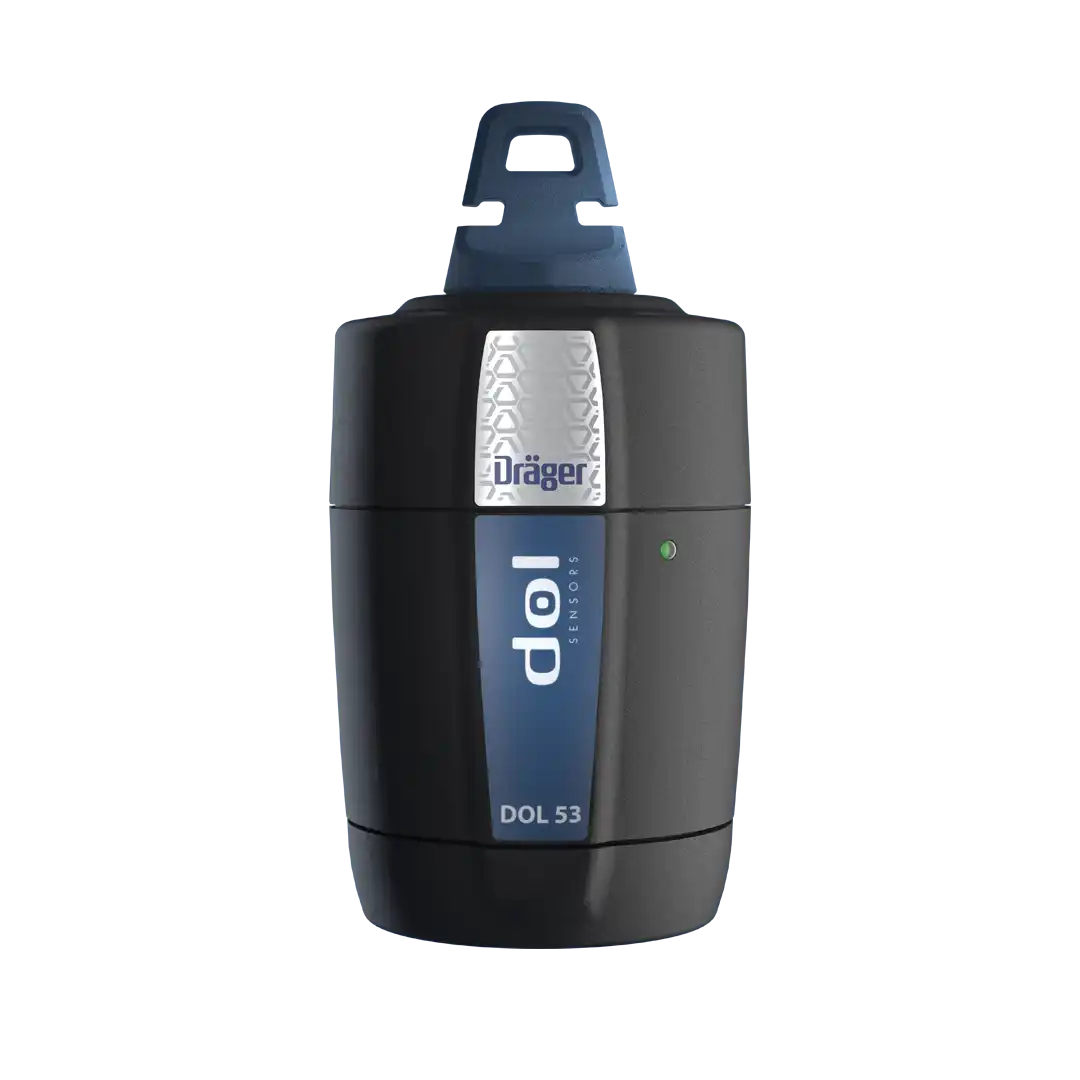
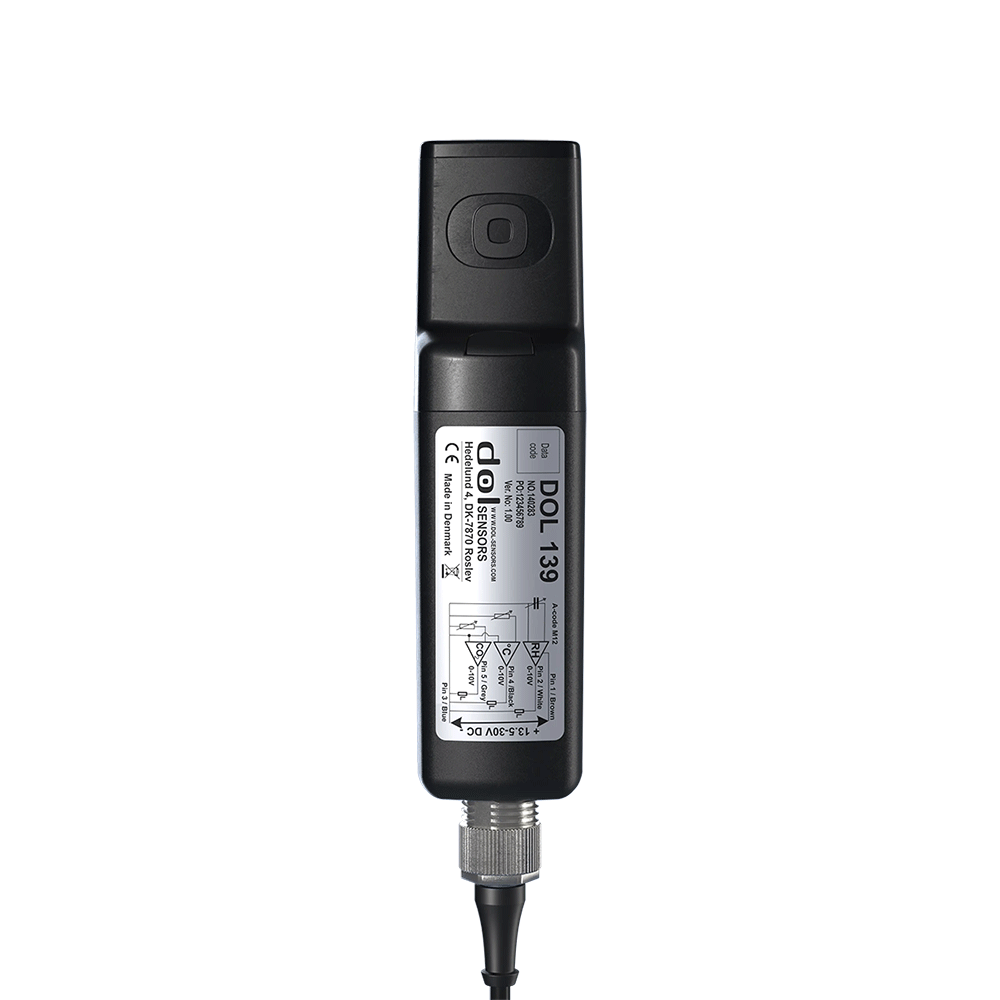
Ammonia sensors for poultry houses provide continuous measurement of NH₃ levels, helping producers monitor air quality and react to increasing ammonia levels. Reliable ammonia monitoring is particularly important in poultry houses, where dust, humidity and changing temperatures place high demands on sensor performance.
What Is Ammonia in Poultry Houses?
Ammonia is a chemical compound between the elements nitrogen (N) and hydrogen (H), and has the formula NH₃. The substance is found everywhere in nature and occurs naturally in manure and urine.
The smell of ammonia is known, among other things, from the pungent smell of manure or in the environment of a chicken farm.
Ammonia is formed in humans and animals by the breakdown of proteins (albumin) from the diet, or in connection with the ongoing remodeling of all tissues in the body. A part is also formed in the intestine from the breakdown of proteins and other nitrogenous compounds by bacteria.
What Causes Ammonia in Poultry Houses?
In poultry houses, ammonia is a byproduct of manure. When nitrogen compounds are decomposed the result is formation of ammonia (NH3+) and ammonium (NH4-). Ammonia is lighter than air and therefore it floats into the air causing respiratory problems and bad smell. High litter moisture, temperature and pH can increase ammonia release in poultry houses. Good litter management and ventilation therefore play an important role in keeping ammonia levels under control.