Stay Ahead of Poultry Health Issues

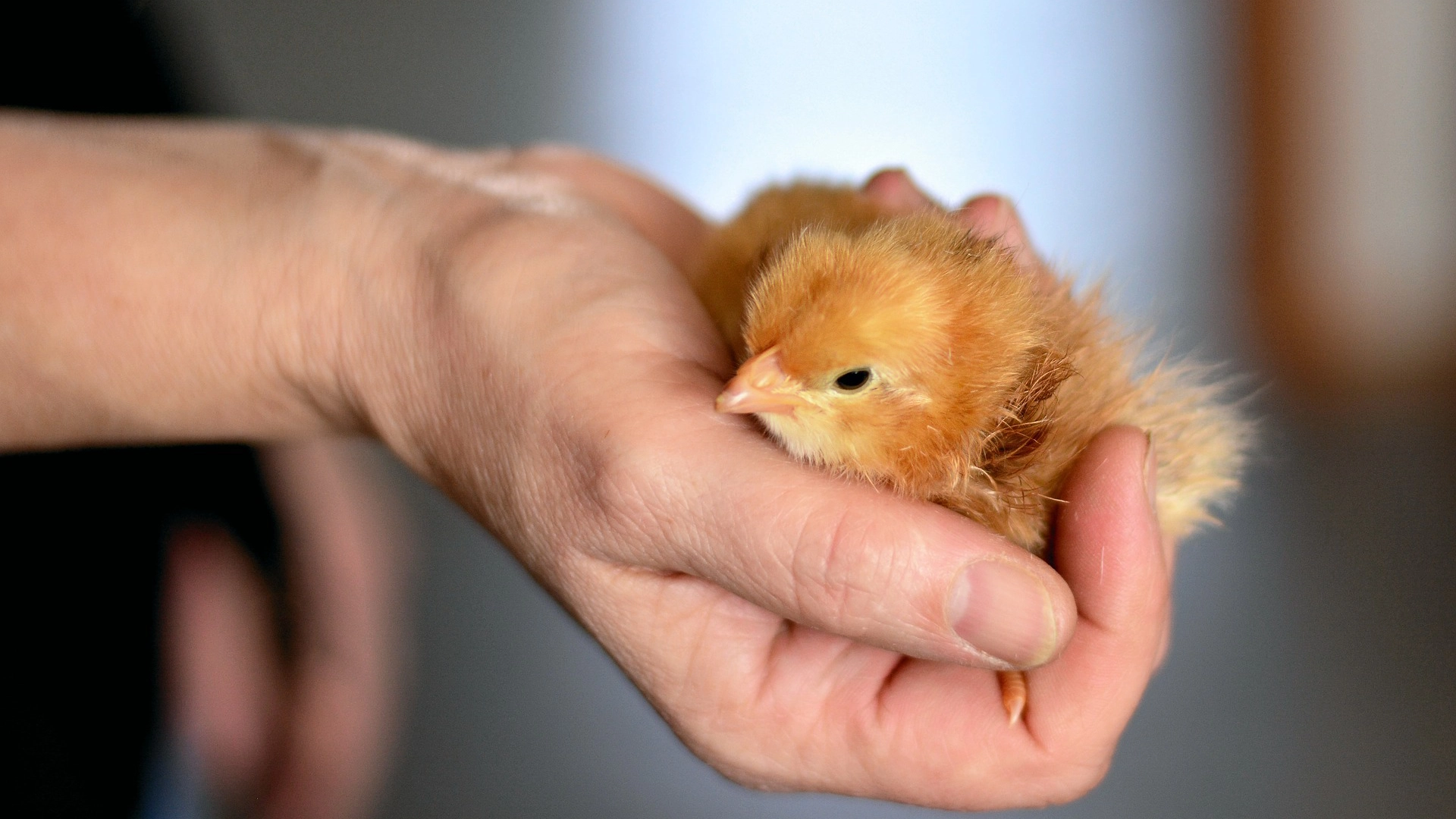
Poultry health challenges can develop quietly, and by the time visible symptoms appear, performance and welfare may already be affected. Staying ahead means spotting the earliest signs of change in behavior, environment, or flock activity - before they turn into costly problems.

Why Early Detection Matters

Small deviations often signal the start of bigger issues. A slight drop in activity, a shift in temperature, or rising CO₂ levels can indicate stress, disease, or equipment failure. Detecting these changes early helps producers: 

Consistency is the most powerful tool: steady cleaning, daily checks, and a dry, secure house prevent disease more effectively than reacting after problems appear.

Stay Ahead of Health Issues
Continuous monitoring helps identify early warning signs before health challenges impact flock welfare and performance.

How Sensor-based Monitoring Helps

Farm computers with connected sensors like dol-sensors can provide continuous, objective insight into flock conditions. Instead of relying on periodic manual checks, producers gain: 

  • Real-time tracking of temperature, humidity, CO₂, ammonia, and water consumption
  • Behavioral indicators that highlight early health concerns
  • Automated alerts when conditions drift from optimal ranges
  • Data trends that support better long-term management

This constant visibility allows producers to respond quickly, prevent escalation, and create a more stable, predictable production environment.

Building Healthier, More Resilient Flocks

Proactive monitoring transforms poultry management from reactive to preventive. With the right data at the right time, producers can safeguard flock health, improve welfare, and strengthen the overall efficiency of their operation.

Smarter farming with real-time insights

Modern livestock production increasingly relies on real-time monitoring of environmental and biological parameters.

Precision livestock farming technologies make it possible to detect issues early and improve overall farm management.

Discover precision livestock farming technologies

Ammonia Sensor Poultry
Learn how continuous monitoring helps producers identify developing production challenges through changes in water consumption, growth performance and other key production indicators.

Ammonia Sensor for Poultry

Ammonia is one of the most common causes of low animal welfare in chicken farms. It is also a major cause of respiratory problems, sores on feet and breasts as well as lower gain.

What is Ammonia?

Ammonia is a chemical compound between the elements nitrogen (N) and hydrogen (H), and has the formula NH3. The substance is found everywhere in nature and occurs naturally in manure and urine.

The smell of ammonia is known, among other things, from the pungent smell of manure or in the environment of a chicken farm.

Ammonia is formed in humans and animals by the breakdown of proteins (albumin) from the diet, or in connection with the ongoing remodeling of all tissues in the body. A part is also formed in the intestine from the breakdown of proteins and other nitrogenous compounds by bacteria.

Ammonia in Poultry Houses

In poultry houses ammonia is a byproducts of manure. When nitrogen compounds are decomposed the result is formation of ammonia (NH3+) and ammonium (NH4-). Ammonia is lighter than air and therefor it floats into the air causing respiration problems and bad smell. Ammonia formation is nurtured by low pH in the litter, high temperatures, and high humidity inside the poultry house.

Hardened Design For Agriculture
Learn how continuous monitoring helps producers identify developing production challenges through changes in water consumption, growth performance and other key production indicators.

Hardened Design for Agriculture

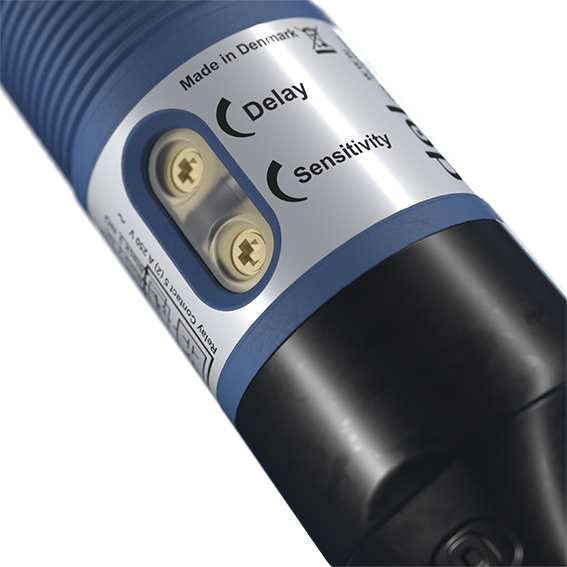
Our sensors are specially designed for withstanding the harsh environment in agriculture. Therefor all our capacitive and climate sensors are:

  • Robust
  • Accurate
  • Designed for lasting a lifetime

Read more about our different sensors here.

Ensuring Durability and Efficiency in Farming

Agriculture today is far more than just the simple cultivation of crops and raising of livestock—it’s a high-tech industry where precision and efficiency are key. Central to this modern approach are various types of sensors that help monitor everything from soil moisture and temperature to crop health and livestock conditions. However, the harsh environmental conditions of farming necessitate that these sensors not only be precise but also extremely durable. This is where the concept of a hardened design for agricultural sensors comes into play.

What is Hardened Design?

Hardened design refers to the process of making devices robust enough to withstand the harsh environments in which they are to be used. For agricultural sensors, this means ensuring that they can endure extreme environmental conditions, resist water and dust, and handle exposure to gases like CO2 and NH3 (ammonia). The objective is to create sensors that provide reliable data across a variety of challenging conditions without faltering.

Protect Your Birds
Learn how continuous monitoring helps producers identify developing production challenges through changes in water consumption, growth performance and other key production indicators.

Strengthen Biosecurity Practices to Protect Your Birds From Birds Flu

Bird flu, also known as avian influenza, is a viral infection that can significantly affect poultry farms and other bird populations. Implementing robust biosecurity measures is crucial in protecting your birds from this disease. Here’s a comprehensive guide on how to enhance your biosecurity practices.

Maintain an Optimum Environment

Creating and maintaining an optimum environment for your birds is one of the crucial factors in preventing the spread of bird flu. This includes regulating temperature, humidity, CO2 level and the level of ammonia within the poultry house. An ideal environment not only keeps your birds healthy and stress-free but also reduces the likelihood of viral infections taking hold.

En optimum light plan can keep your birds stress-free as well and ensure better animal welfare.

Selected Sensors

Documents

English
Leaflet
Corporate Brochure Poultry
English
Leaflet
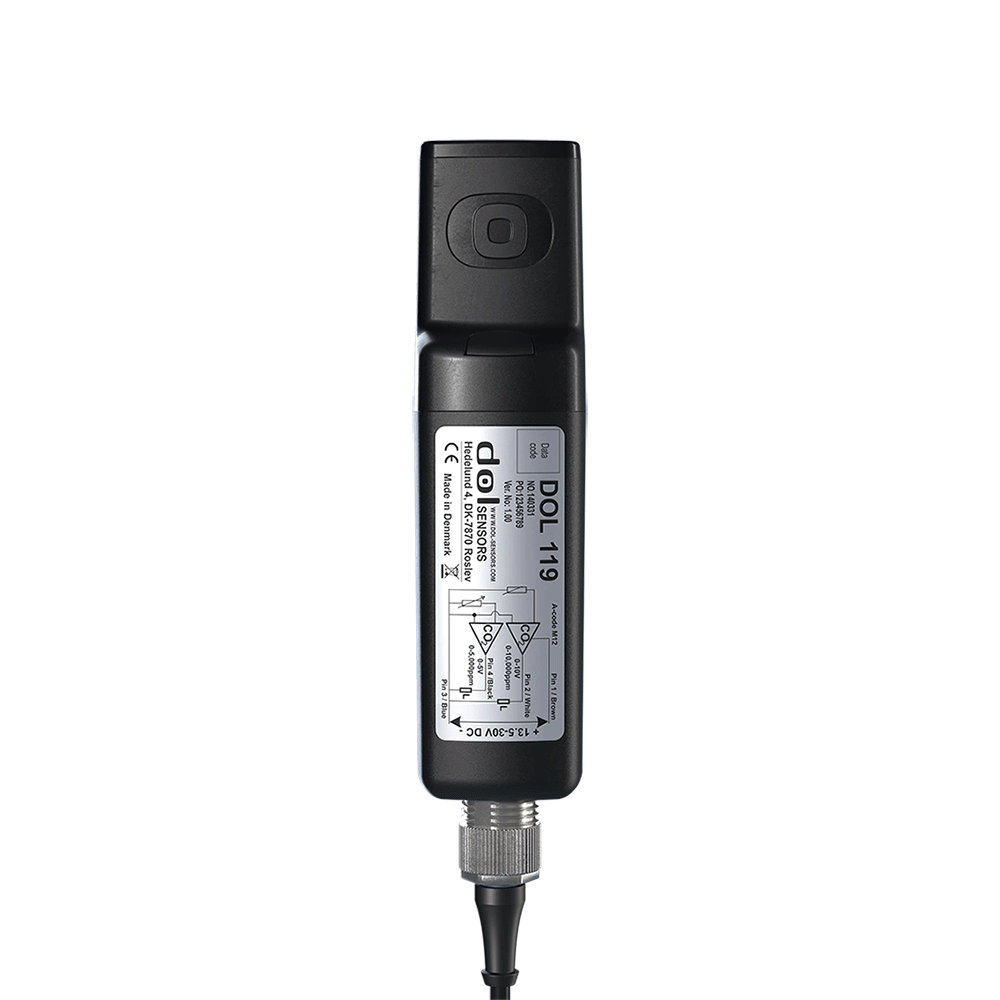
DOL 119 One pager
English
Leaflet
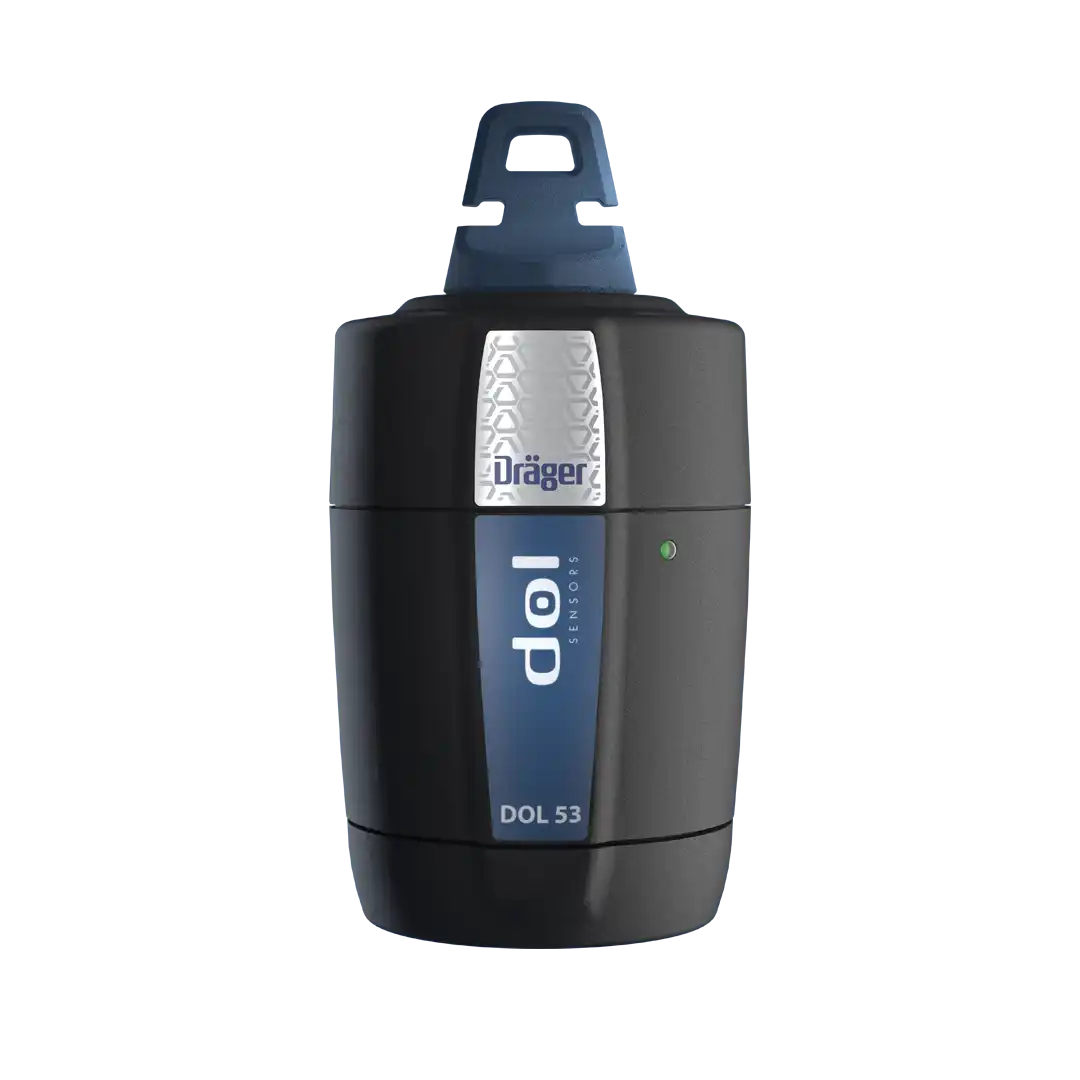
DOL 53 Ammonia Sensor_Onepager
English
Leaflet
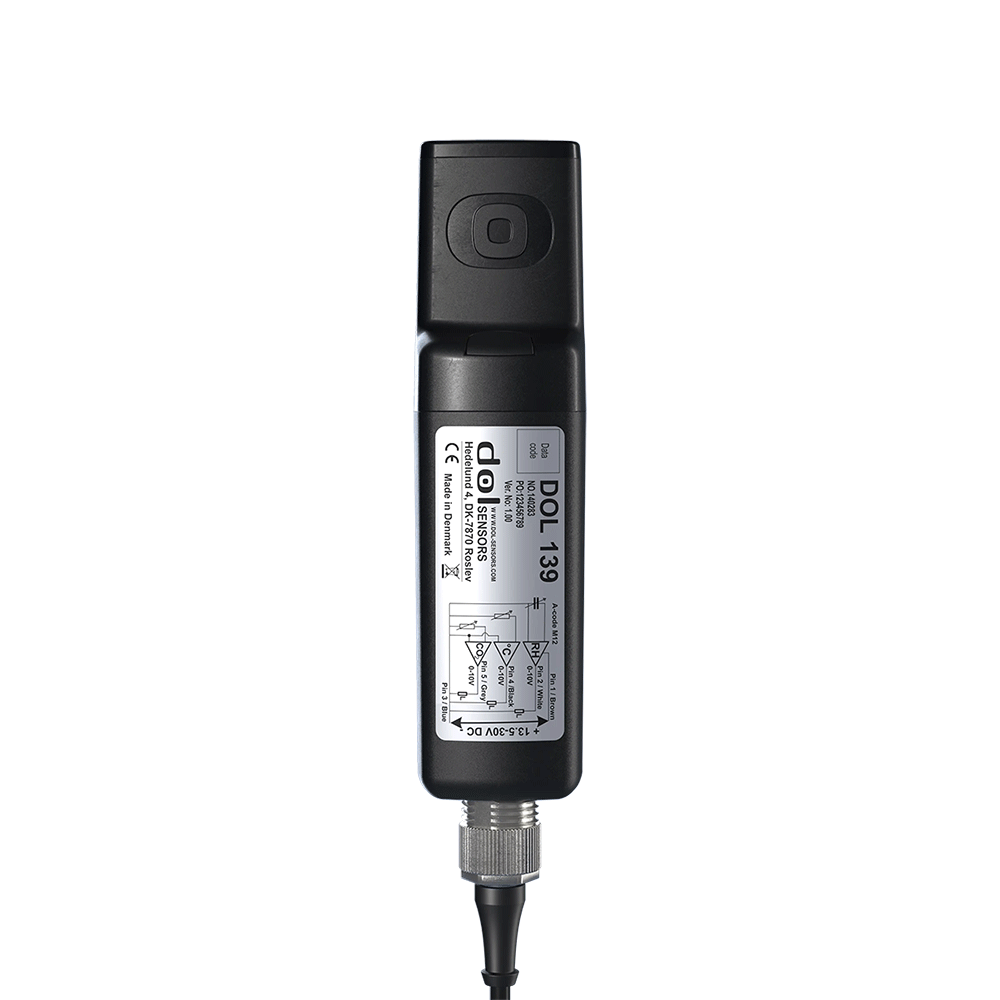
DOL 139 Humidity, Temperature and CO2 Sensor

Join our newsletter

Stay ahead in livestock production.

Join our newsletter and get industry insights, expert perspectives, and practical strategies for optimizing performance and efficiency.