Environmental stability is essential for maintaining health, welfare, and uniform growth in poultry production. When temperature, air quality, and airflow are not monitored continuously, deviations often develop gradually and remain unnoticed until they have already affected flock performance. These changes influence bird behavior and overall productivity.
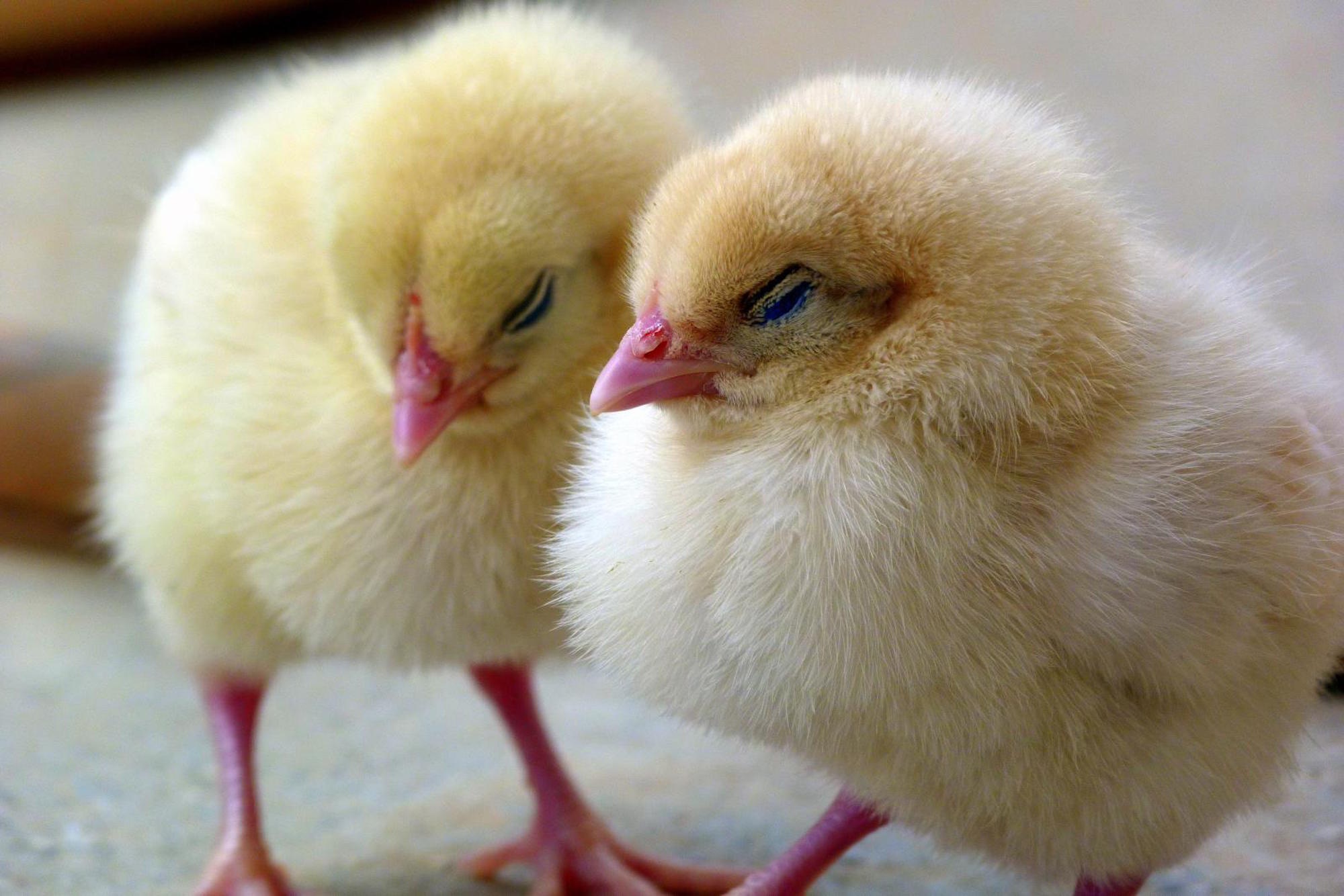
Temperature variation is one of the earliest consequences of inadequate monitoring. Birds respond by clustering in warmer areas and avoiding cooler zones, which alters feed access and increases competition. Over time, these behavioral adjustments lead to measurable differences in body weight and feed conversion. Because temperature drift develops slowly, it is rarely detected through periodic checks alone.
Humidity increases rapidly when ventilation is reduced, especially during nighttime or cold weather. Without monitoring, these fluctuations remain unnoticed until litter becomes wet or compacted. Elevated humidity accelerates ammonia release and reduces resting comfort. Birds avoid wet areas, concentrating stocking density in drier zones and reinforcing uneven growth patterns.
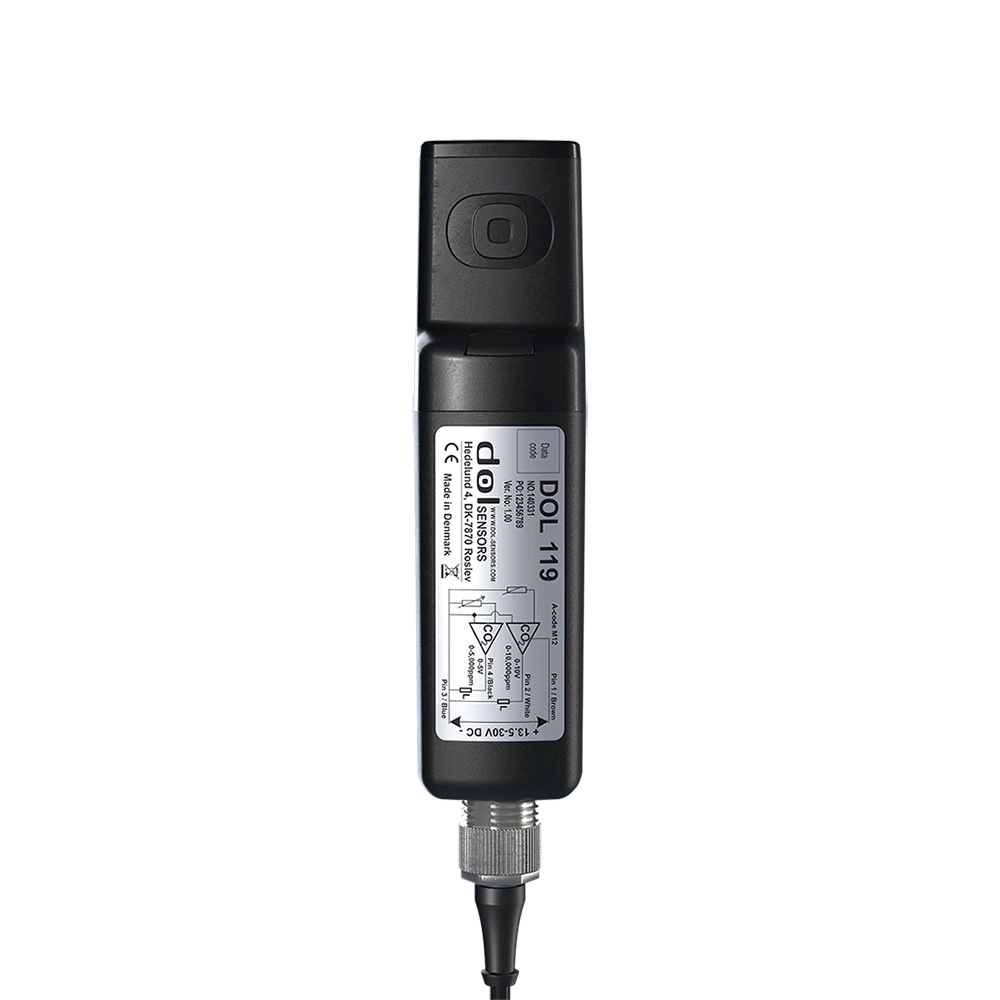
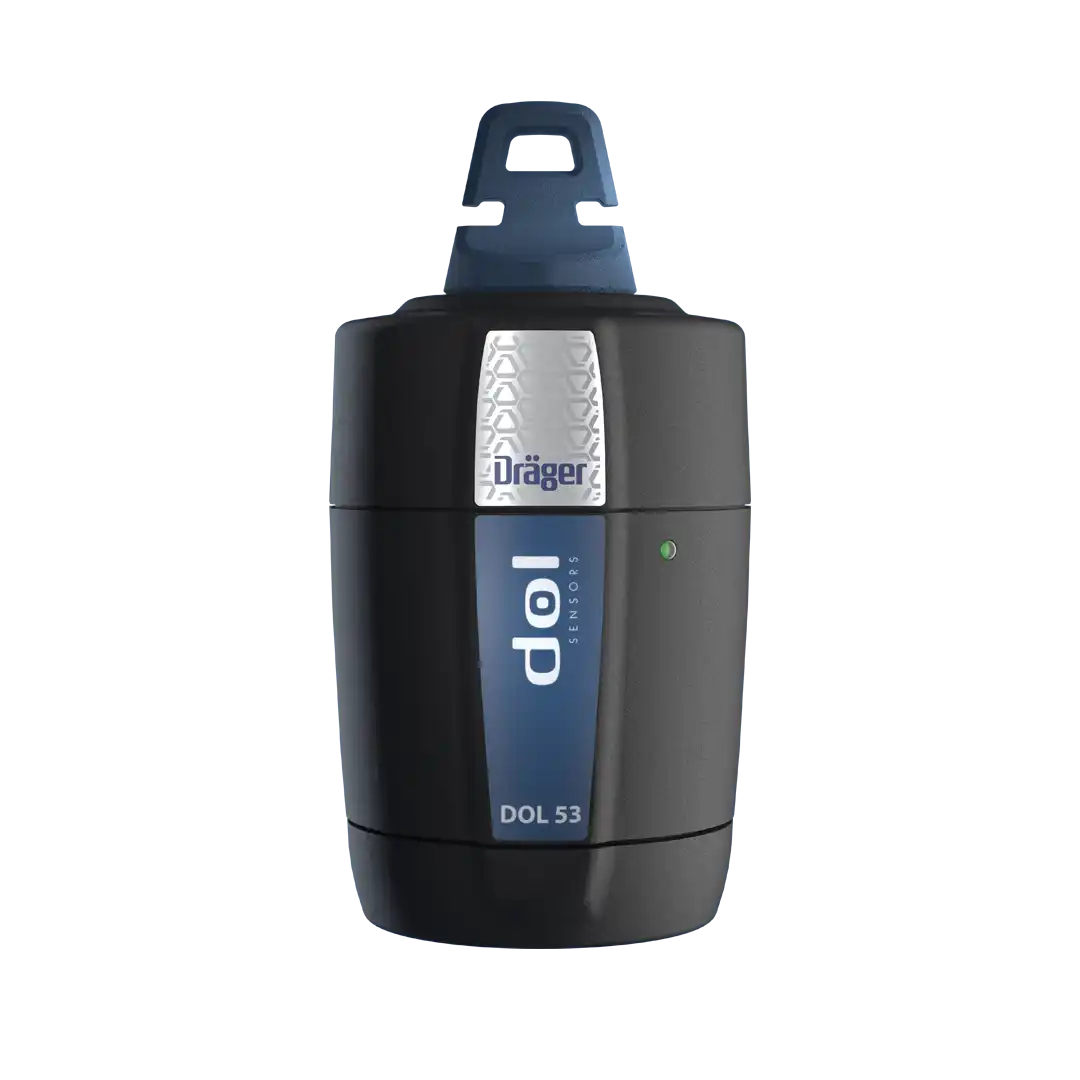
CO₂ and ammonia are invisible and cannot be reliably assessed through sensory cues. When ventilation weakens, CO₂ accumulates quickly, reducing bird activity and suppressing feed intake. Ammonia rises as litter moisture increases, irritating the respiratory tract and compromising immune defenses. Manual checks detect air quality problems too late, because CO₂ and ammonia can reach harmful levels long before they become noticeable to humans.
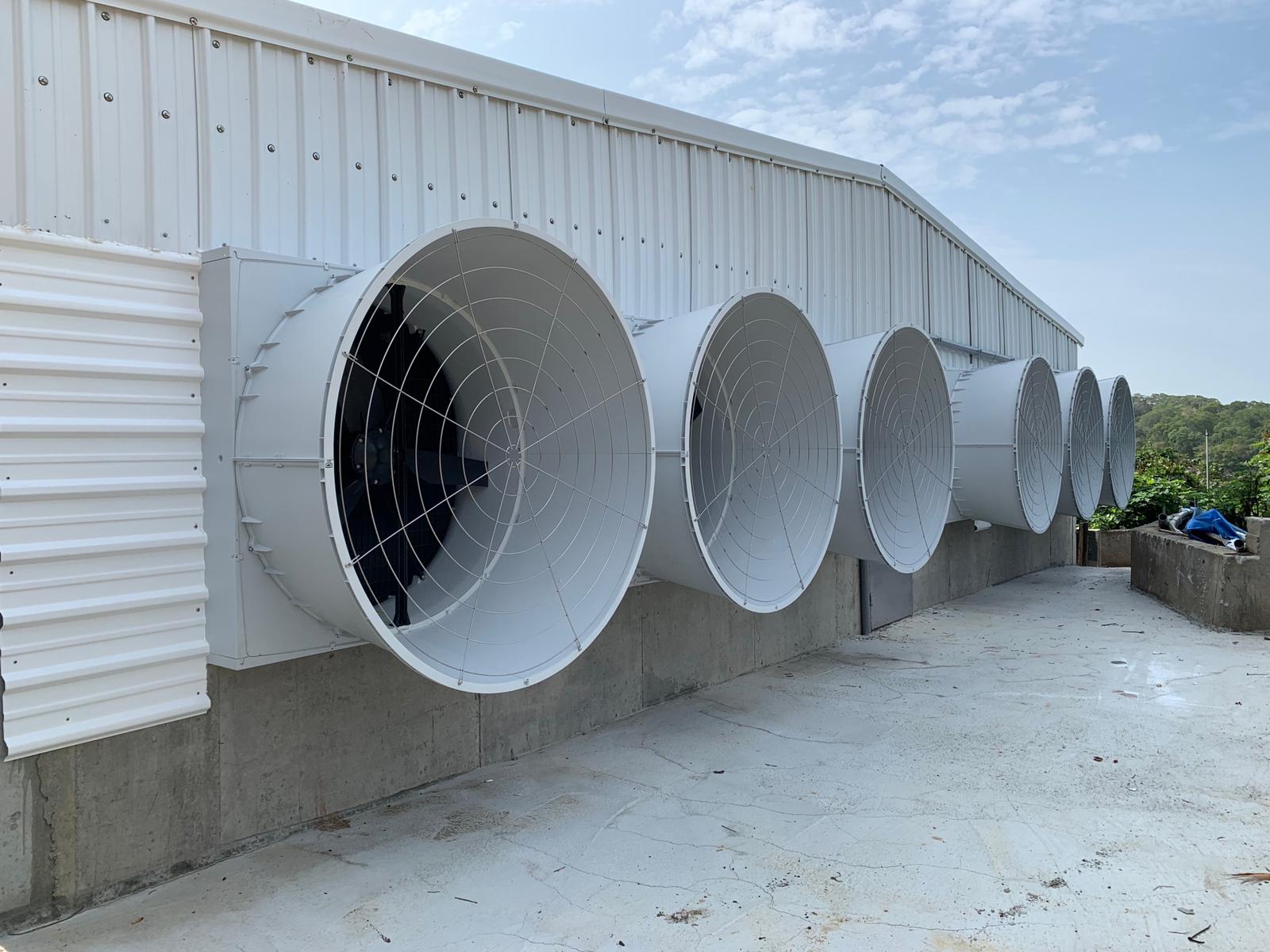
Ventilation systems can gradually lose efficiency due to fan wear, inlet obstruction, or pressure imbalance. Without continuous data, these changes go unnoticed, allowing microclimates to form. Stagnant zones with high humidity and CO₂ develop alongside areas with excessive drafts. These microclimates disrupt natural movement patterns and contribute to uneven distribution, growth variation, and welfare challenges.
The most significant consequence of insufficient monitoring is delayed detection. Environmental deviations often begin subtly and intensify over time. By the time clustering, reduced activity, or uneven distribution are observed, the underlying climate issue has already affected performance. This delay results in poorer feed conversion, increased litter problems, higher disease susceptibility, and greater variation at depletion.