Learn how continuous monitoring helps producers identify developing production challenges through changes in water consumption, growth performance and other key production indicators.
Ammonia (NH₃) is one of the most significant environmental and welfare challenges in modern pig production. While it is a natural by-product of livestock systems, excessive ammonia emissions can negatively affect animal health, worker safety, and the surrounding environment. Understanding how ammonia is produced — and how it can be managed — is essential for sustainable, efficient pig farming.
What Is Ammonia and How Is It Produced?
In pig production, ammonia is primarily formed when urea and uric acid in manure and urine are broken down by bacteria. The enzyme urease, naturally present in feces, catalyzes this conversion, releasing ammonia gas into the air.
Key factors influencing ammonia formation include:
- Temperature: Higher temperatures accelerate bacterial activity and volatilization.
- pH: Ammonia release increases when manure pH is above 7.5.
- Ventilation: Inadequate ventilation allows ammonia to accumulate in barns.
- Manure management: Frequent removal and cooling of manure reduce emissions.
Learn more about the benefits of automated climate and ventilation in pig production.
Impacts of Ammonia in Pig Housing
1. Animal Health and Welfare
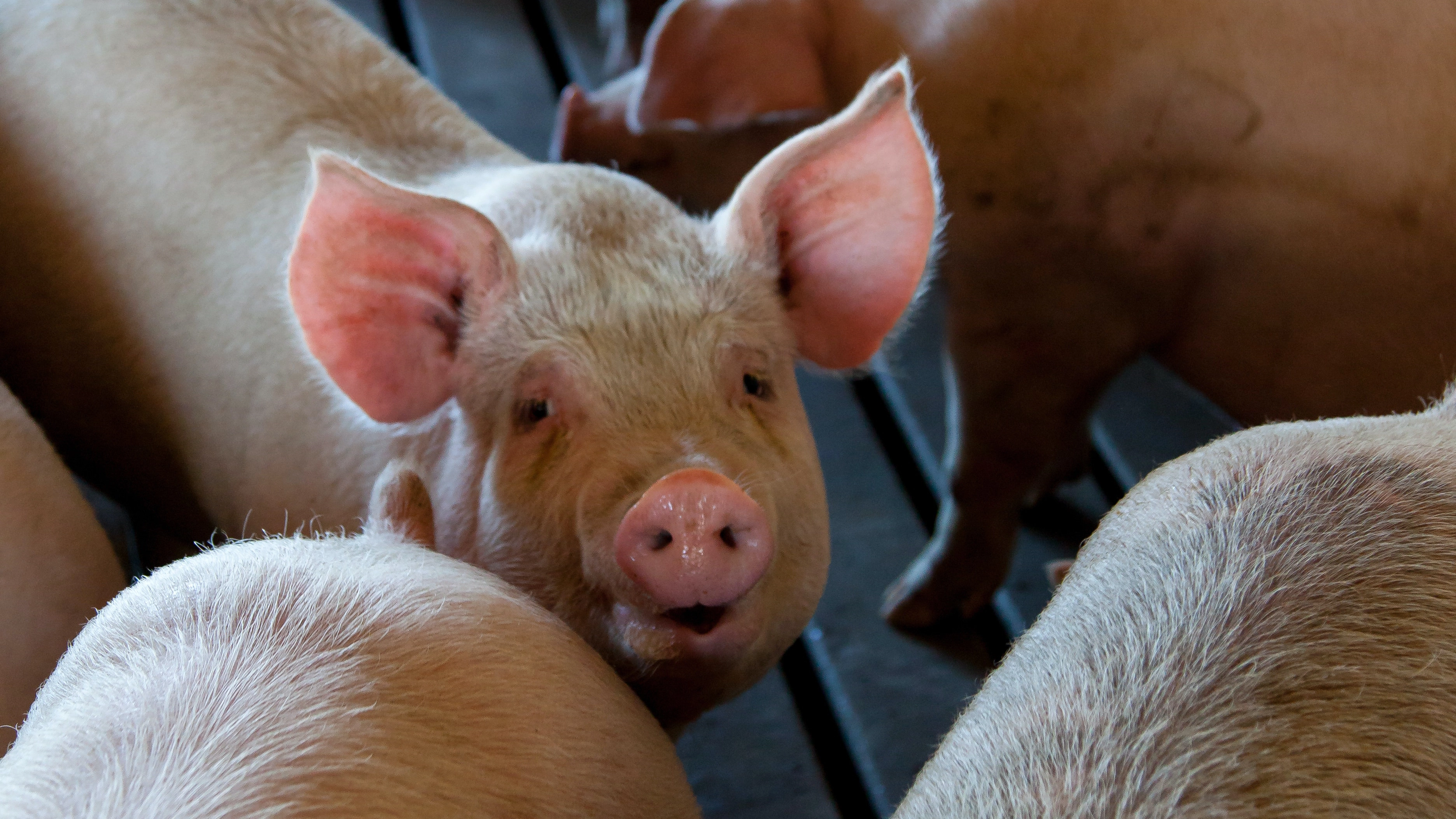
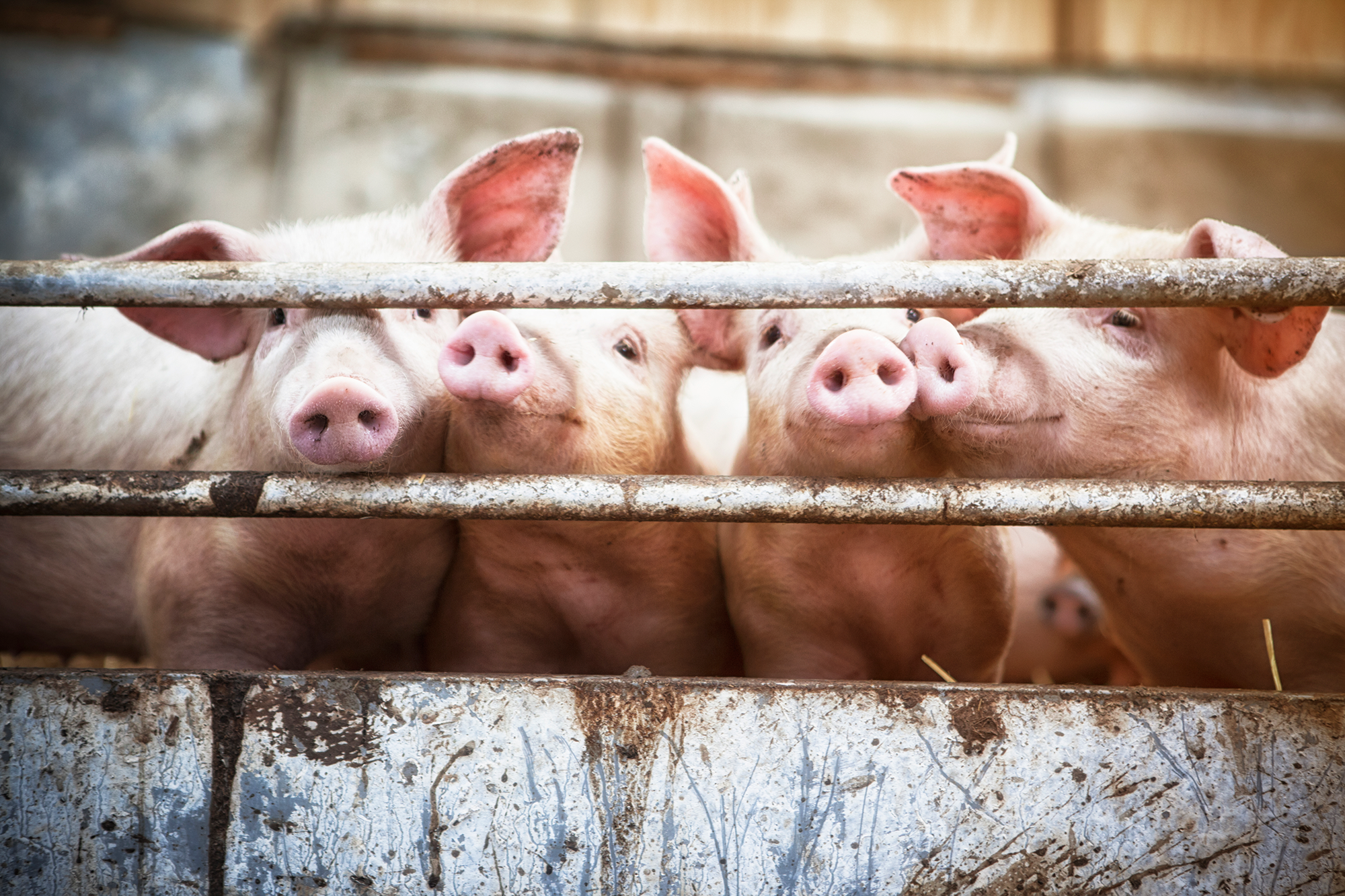
High concentrations of ammonia irritate the pigs’ respiratory tract, leading to:
- Reduced lung function and increased susceptibility to respiratory diseases.
- Lower feed intake and growth rates.
- Increased stress and reduced overall welfare.
Concentrations above 20 ppm are considered harmful to pigs, and levels above 10 ppm are generally discouraged in modern facilities.
2. Worker Health
Ammonia exposure can cause eye and throat irritation, headaches, and long-term respiratory problems in farm workers. Maintaining clean air is therefore not only an animal welfare priority but also a matter of occupational safety.
3. Environmental Impact
Once emitted into the atmosphere, ammonia contributes to acid rain among other things. This has downstream effects on soil, water quality, and climate. The pig industry and other industries are under increasing regulatory pressure to reduce ammonia emissions as part of broader sustainability goals.
4. Production Performance and Efficiency
Ammonia doesn’t just affect welfare — it has a direct impact on productivity. Chronic exposure to elevated ammonia levels has been shown to:
- Reduce average daily gain (ADG) and feed conversion efficiency (FCR).
- Delay the time to reach market weight, increasing feed costs per kilogram of gain.
- Lead to uneven growth within groups, complicating management and marketing.
Studies indicate that pigs exposed to ammonia concentrations above 25–30 ppm may experience growth rate reductions of 5–10%, depending on duration and housing conditions. Maintaining low ammonia levels therefore supports both animal health and economic performance.