Genetic Selection
Advances in pig genetics allow producers to select lines that are naturally more efficient at converting feed into lean tissue. Modern breeding programs focus on traits such as growth rate, feed intake efficiency, carcass quality, and robustness across different production systems. Genetic selection for improved feed efficiency plays a major role in lowering FCR, particularly in grower–finisher pigs, where feed consumption is highest.
Optimal Feed Composition
Matching feed formulations precisely to pigs’ nutritional requirements at each production stage is essential for optimal feed conversion. Pig diets are typically adjusted for weaners, growers, and finishers to ensure the correct balance of energy, protein, amino acids, minerals, and vitamins.
The use of feed additives such as amino acids, enzymes, organic acids, and probiotics can improve nutrient digestibility and gut health. Well-balanced diets reduce nutrient losses, support steady growth, and improve overall feed efficiency.
Health Management
Healthy pigs utilize feed more efficiently than animals under health or stress challenges. Comprehensive health management programs — including vaccination, parasite control, and strict biosecurity — help prevent disease outbreaks that negatively impact growth and FCR.
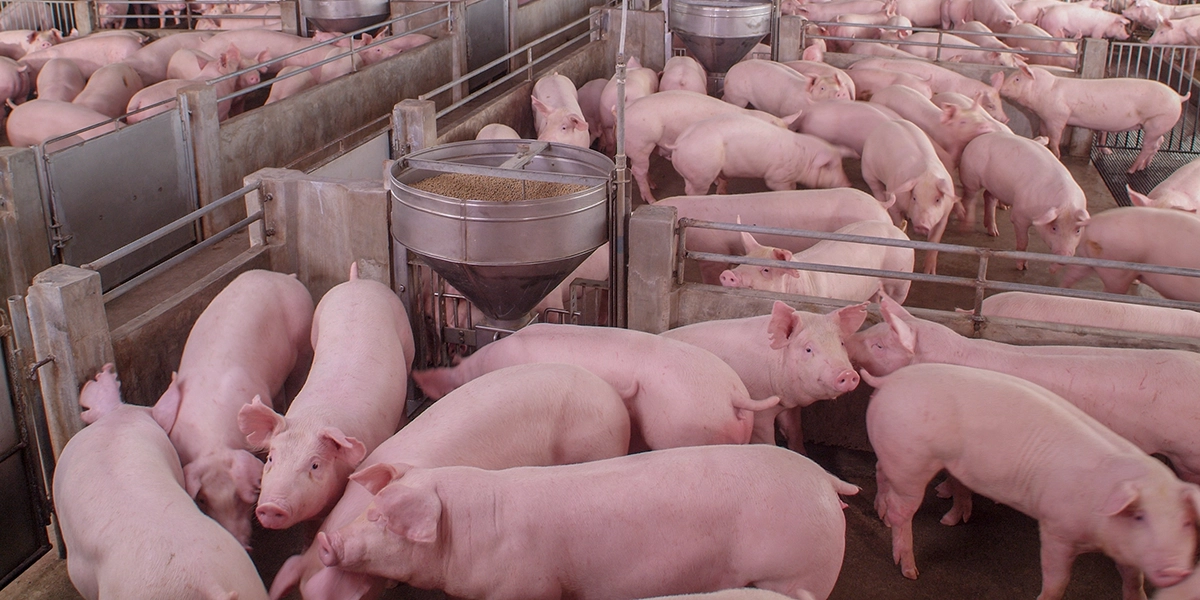
Stress also plays a significant role in feed efficiency. Factors such as overcrowding, poor air quality, inconsistent feeding, or abrupt environmental changes can reduce feed intake and impair nutrient utilization. Providing adequate space, comfortable housing, and good ventilation supports both animal welfare and feed conversion performance.
Environmental Controls
Pigs are highly sensitive to their thermal environment, especially young piglets and fast-growing finisher pigs. Maintaining optimal temperature, humidity, and air quality is critical for consistent feed intake and efficient growth.
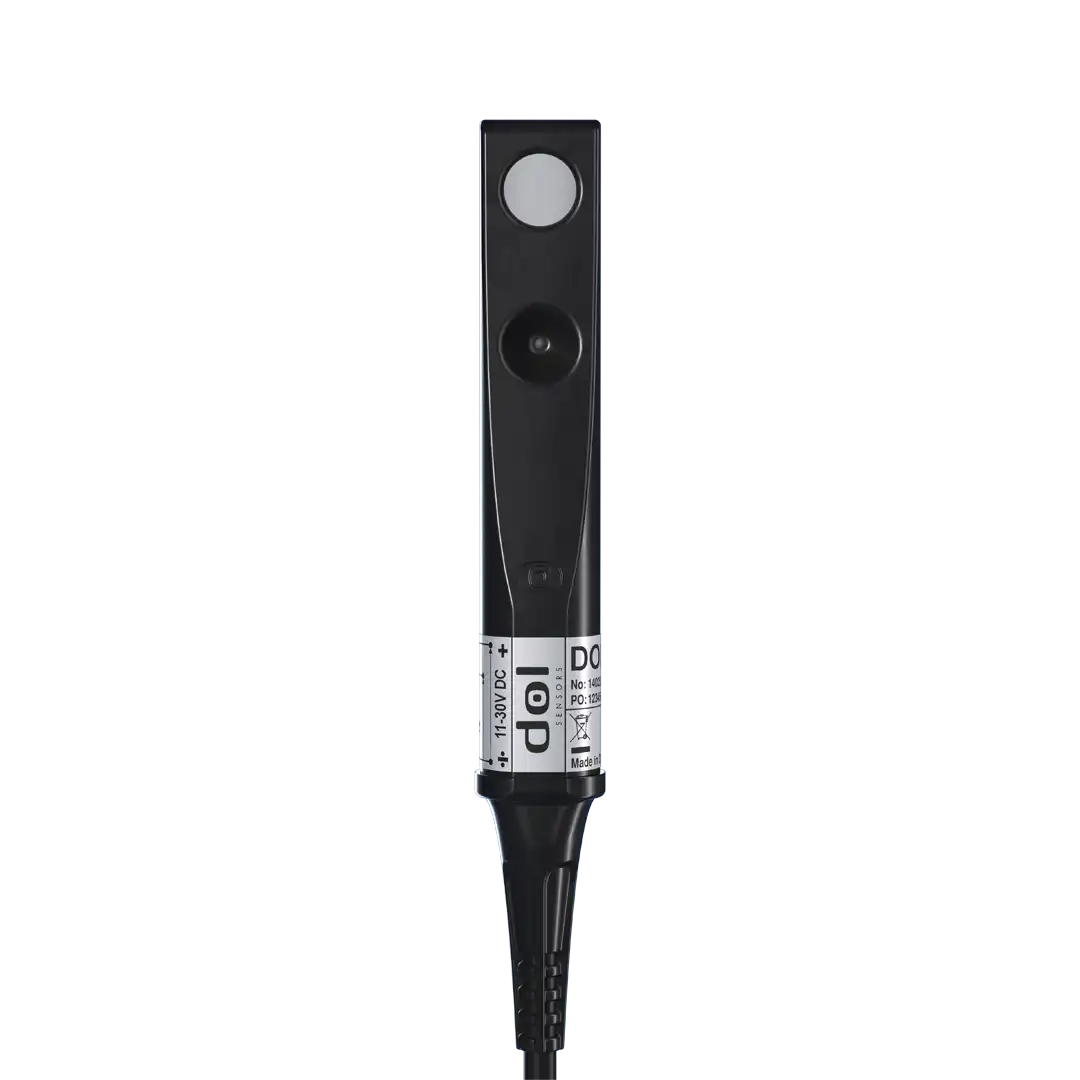
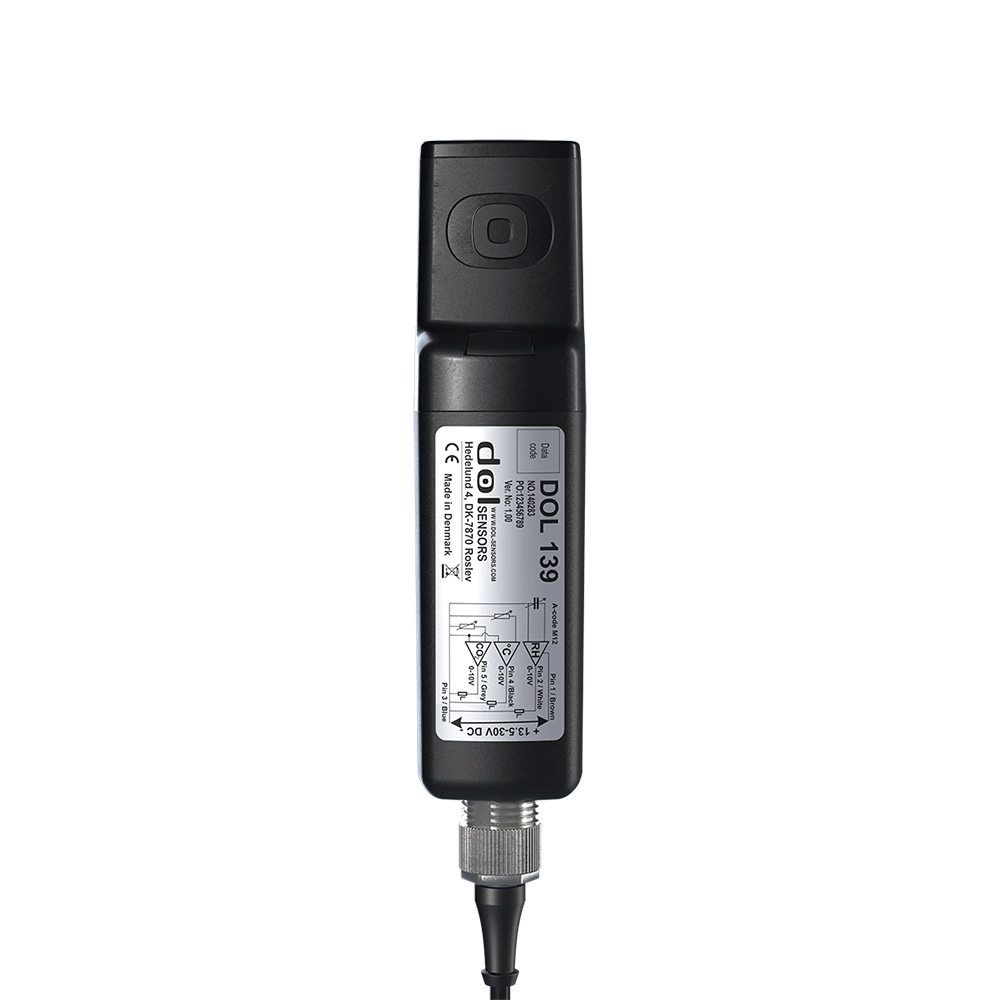
Automated climate control systems equipped with robust sensors designed for livestock production help maintain stable environmental conditions. By adjusting ventilation, heating, and airflow in real time, these systems reduce heat and cold stress, supporting improved feed conversion and overall pig performance.
Benefits of Improved FCR in Pig Production
Economic Benefits
Improving FCR directly lowers the feed cost per kilogram of live weight produced, significantly enhancing farm profitability. In periods of volatile feed prices, a lower FCR provides greater economic resilience and more predictable production costs.
Environmental Benefits
Efficient feed utilization reduces the total amount of feed required for pig production. This lowers demand for agricultural inputs such as land, water, and energy, while also reducing manure output and nutrient excretion — contributing to a smaller environmental footprint.
Healthier Pigs and Higher Production Quality
Optimized feeding, genetics, and management result in healthier pigs with more uniform growth and improved carcass quality. Better animal health and performance translate into consistent production outcomes and high-quality pork that meets market and consumer expectations.