Learn how continuous monitoring helps producers identify developing production challenges through changes in water consumption, growth performance and other key production indicators.
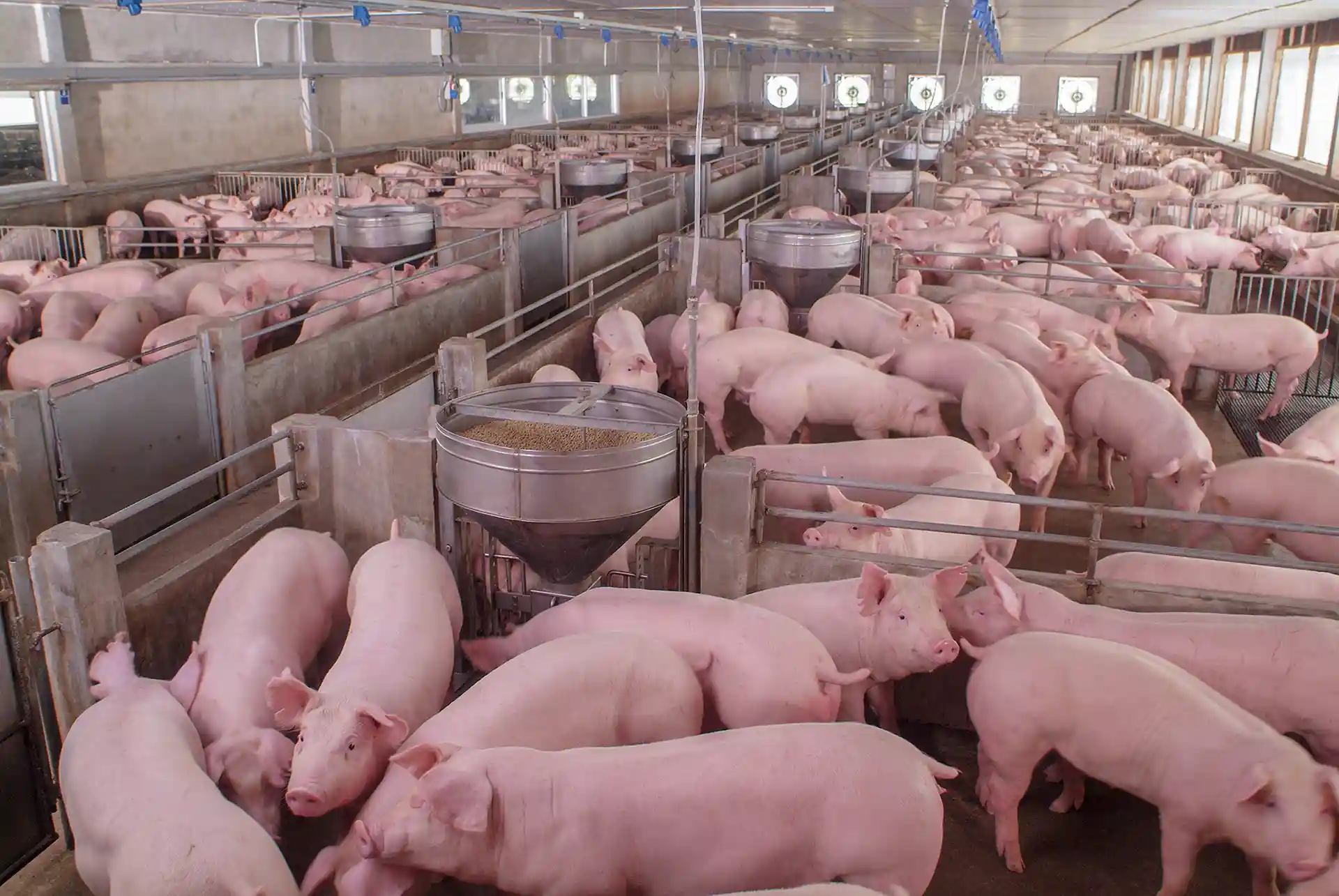
Factors such as temperature, air quality, and overall barn stability shape how pigs behave, how efficiently they convert feed, and how vulnerable they are to disease. Modern production systems increasingly rely on real-time environmental monitoring to maintain these conditions, ensuring pigs live in a stable, predictable climate that supports their biological needs.
Why the Barn Matters for Growth
Pigs are highly sensitive to their surroundings. Even small fluctuations in temperature or air quality trigger stress responses which reduce feed intake, slow weight gain, and increase susceptibility to illness. A well-managed environment supports:
- Optimal feed conversion - Pigs use energy for growth instead of fighting heat or cold stress
- Stronger immune function - Stable conditions reduce respiratory challenges and pathogen pressure
- Better welfare - Comfortable pigs are calmer, more active, and show fewer stress-related behaviors
- Lower mortality and medication use - Healthy environments reduce disease outbreaks and treatment needs
These benefits translate directly into improved productivity and profitability for producers.
Key Environmental Factors That Influence Pig Growth
Temperature Stability
Continuous temperature monitoring helps producers maintain the ideal climate for each growth stage - from weaners to finishers.
Air Quality and Ventilation
Air quality is one of the most overlooked drivers of pig health. High levels of ammonia, CO₂, dust, and humidity can damage the respiratory system and increase disease risk.
Humidity Control
Humidity interacts with temperature influencing pig comfort. High humidity makes barns feel warmer, while low humidity increases dust levels in the air.
Noise and Stress Reduction
Environmental stressors - such as sudden noises, drafts, or inconsistent lighting - can disrupt feeding patterns and increase aggression. A calm, predictable environment supports steady growth and reduces injuries.