Learn how continuous monitoring helps producers identify developing production challenges through changes in water consumption, growth performance and other key production indicators.
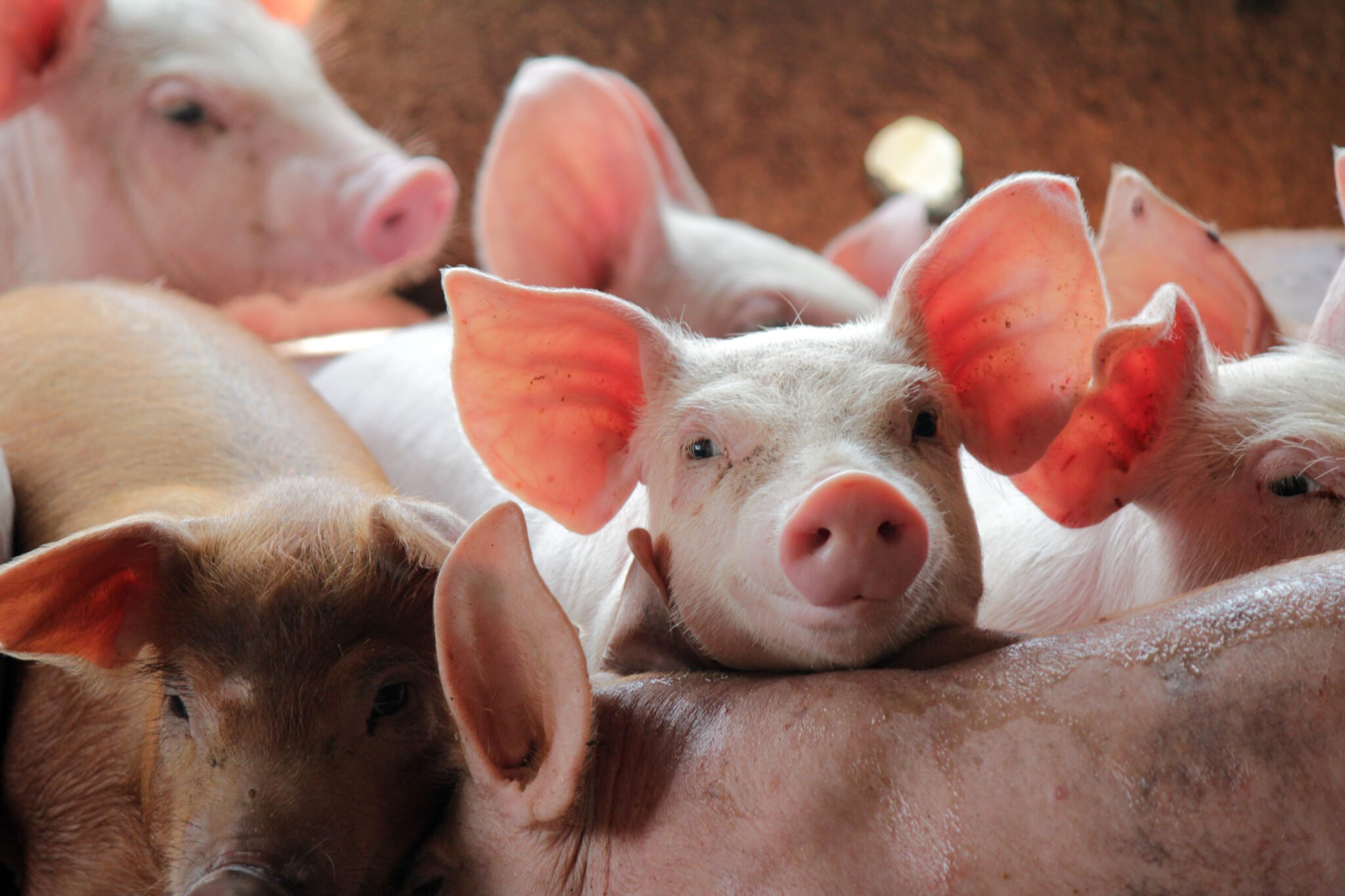
Feed Conversion Ratio (FCR) is a key performance indicator in pig production, measuring how efficiently pigs convert feed into body weight gain. A lower FCR means better efficiency, as less feed is required to produce one kilogram of live weight. Because feed represents the single largest cost in pig production, optimizing FCR is essential for improving profitability while also reducing the environmental footprint of production. Below, we outline the importance of FCR in pig farming and practical strategies to improve it.
Understanding Feed Conversion Ratio in Pig Production
Feed Conversion Ratio is defined as the total amount of feed consumed divided by the live weight gain over a specific period. In pig production, FCR is influenced by factors such as genetics, health status, housing conditions, feeding strategy, and environmental control.
Since feed costs account for a major share of total production expenses, even small improvements in FCR can result in substantial economic gains. Efficient feed utilization also reduces nutrient excretion, contributing to more sustainable pig production.
Strategies to Improve FCR in Pig Production
Effective Feed Management
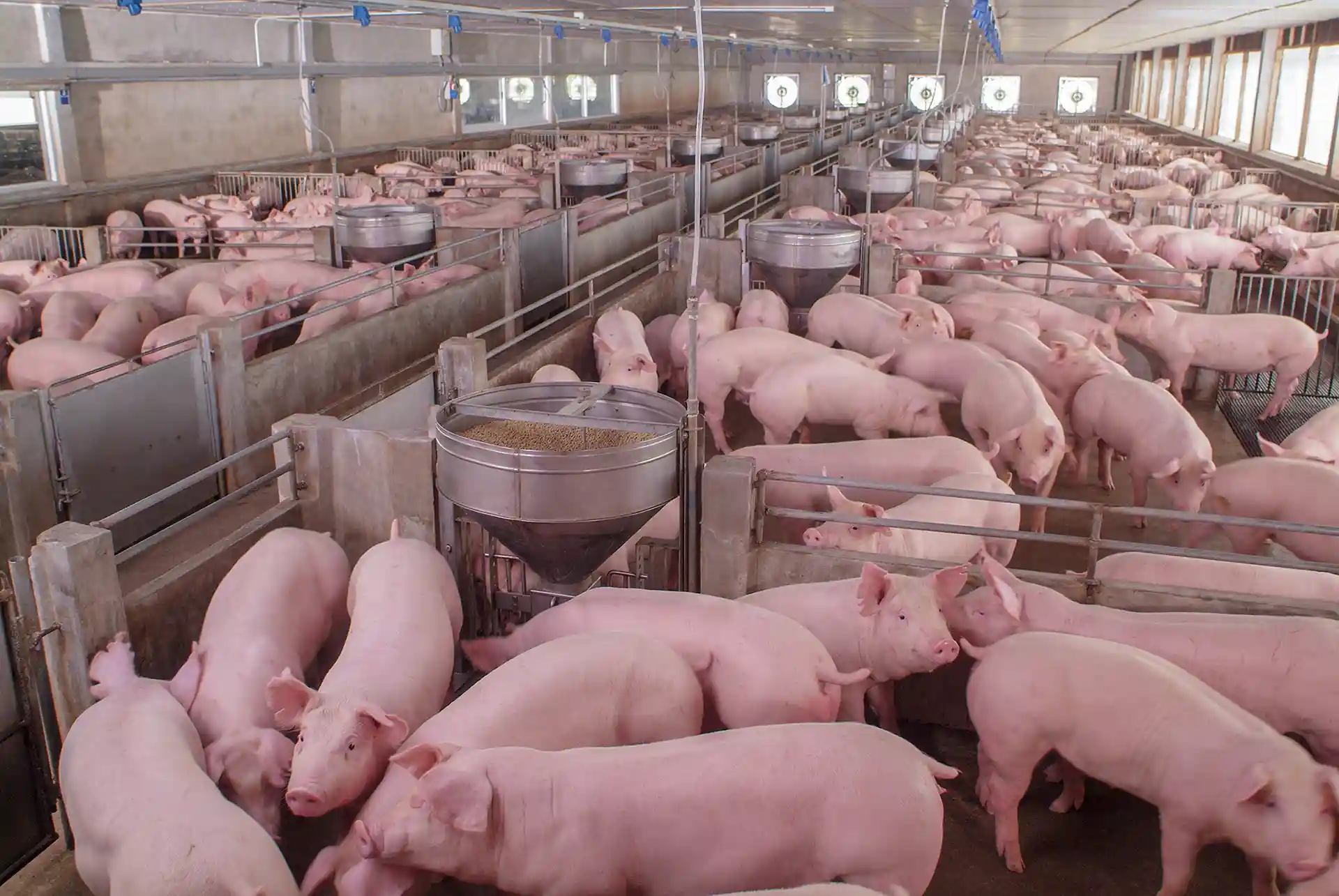
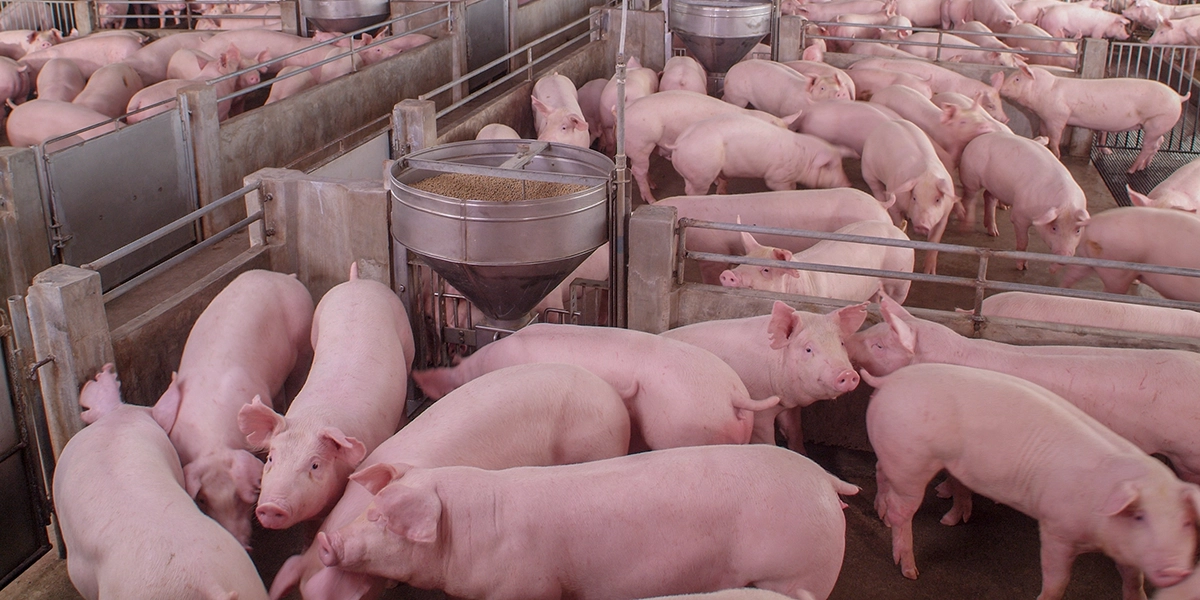
Precise feed management is critical to achieving optimal FCR in pigs. Feeding strategies must be aligned with the pigs’ growth stages, nutritional requirements, and daily feeding behavior. Inconsistent feed availability or incorrect rationing can lead to reduced growth rates and poorer feed efficiency.
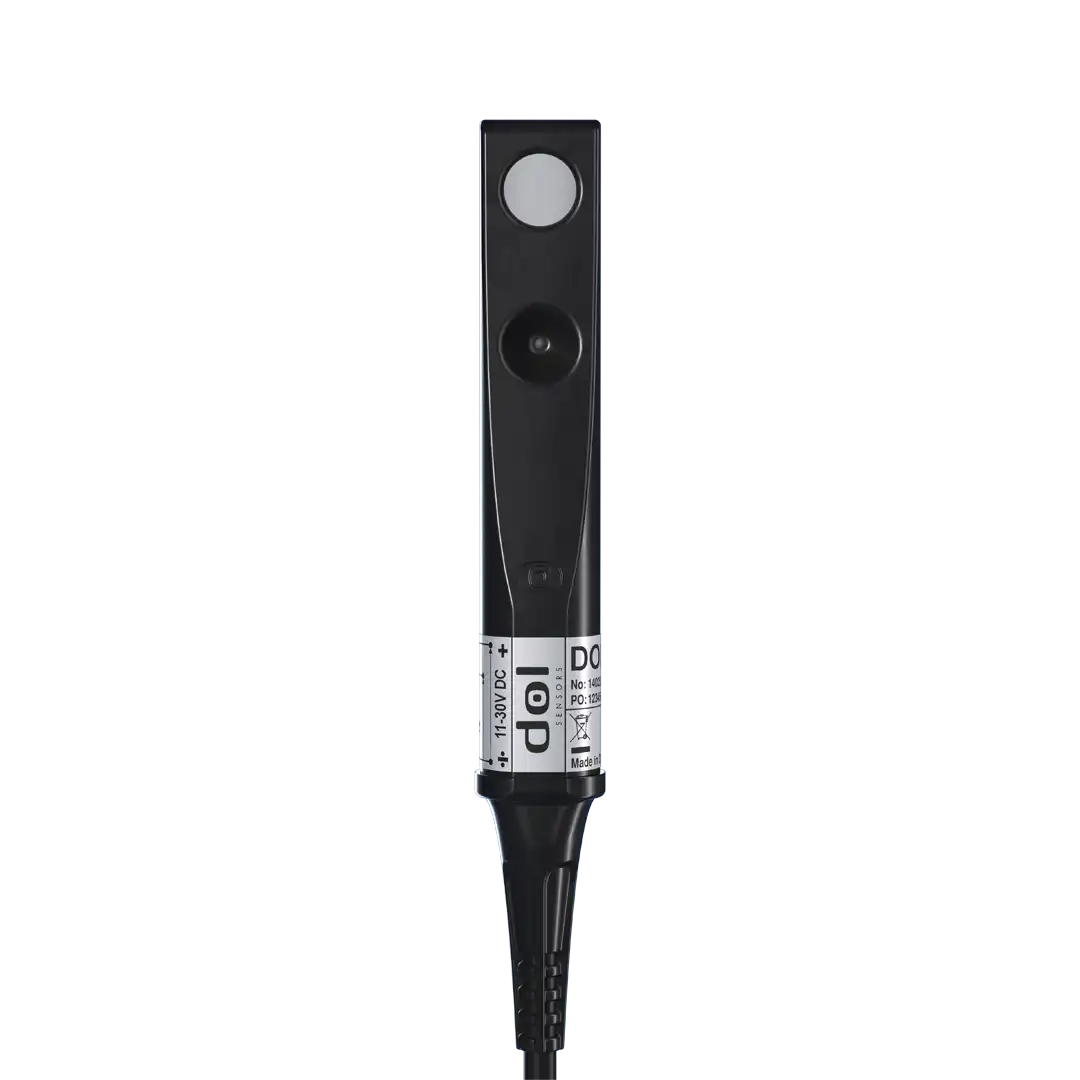
A reliable and continuous feed supply is essential. Accurate monitoring of feed levels helps prevent interruptions, overfeeding, and uneven feed distribution. To support this, the use of robust capacitive sensors designed for livestock environments enables precise feed level measurement in bins and silos, ensuring timely refilling and consistent feed delivery.
Proper feed storage is equally important. Feed quality can deteriorate due to moisture, temperature fluctuations, or spoilage, negatively affecting intake and digestibility. Well-designed storage systems and feeder designs that minimize spillage and segregation help reduce feed waste and maintain ration consistency.
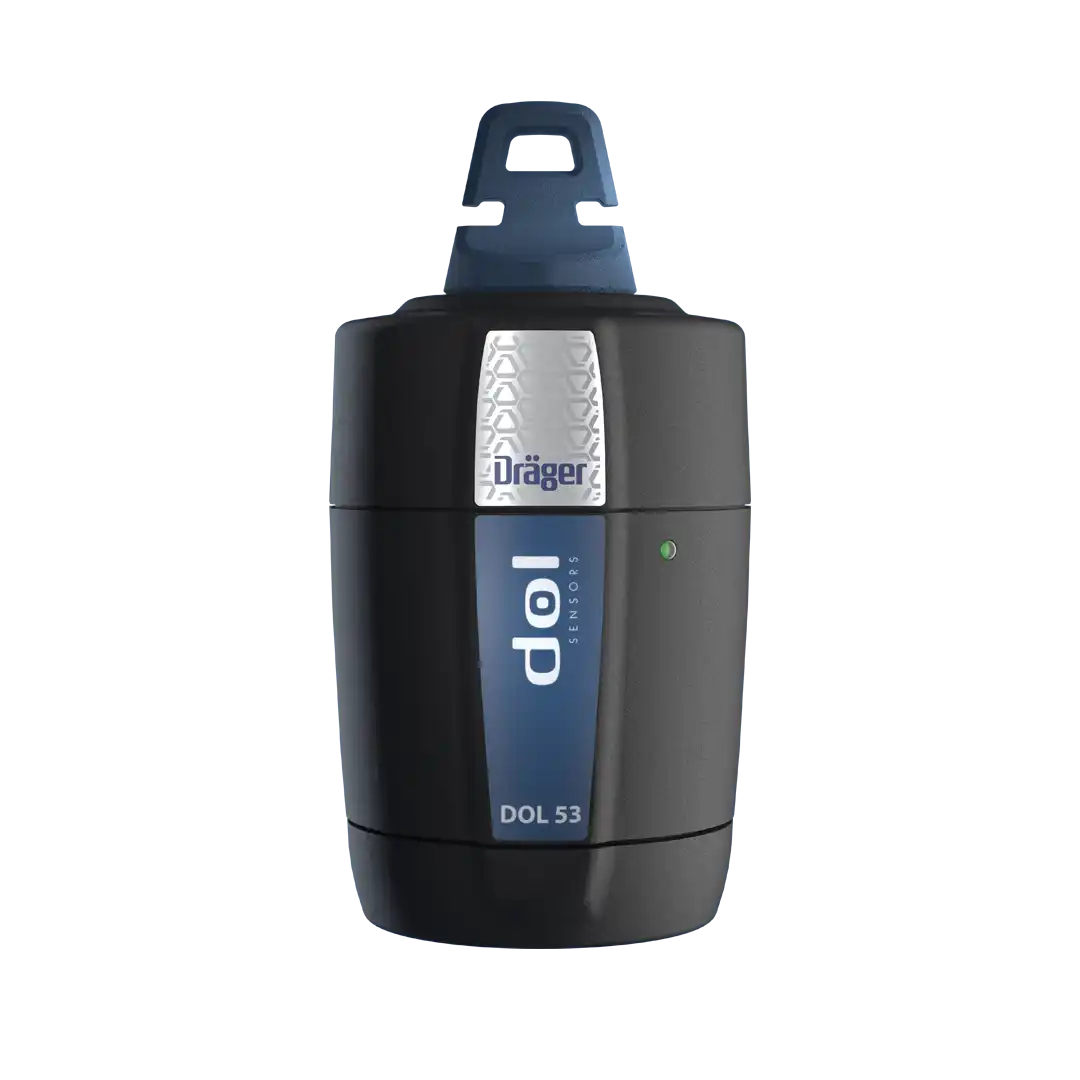
To protect stored grains and raw materials, monitoring moisture and temperature is crucial. Wireless grain sensors allow producers to detect unfavorable storage conditions early, preventing spoilage, mold growth, and nutrient losses that would otherwise compromise feed efficiency and pig performance.