Free-Range vs. Cage Systems in Poultry Production
Learn how continuous monitoring helps producers identify developing production challenges through changes in water consumption, growth performance and other key production indicators.
Free-Range vs. Cage Systems in Poultry Production: Benefits and Pitfalls
Few topics in poultry farming spark as much debate as housing systems. Should chickens be raised in cages or in free-range environments?
Both approaches have advantages and challenges, and the choice often depends on how farmers weigh efficiency, animal welfare, food safety, and consumer expectations.
Cage Systems: Efficient but Controversial
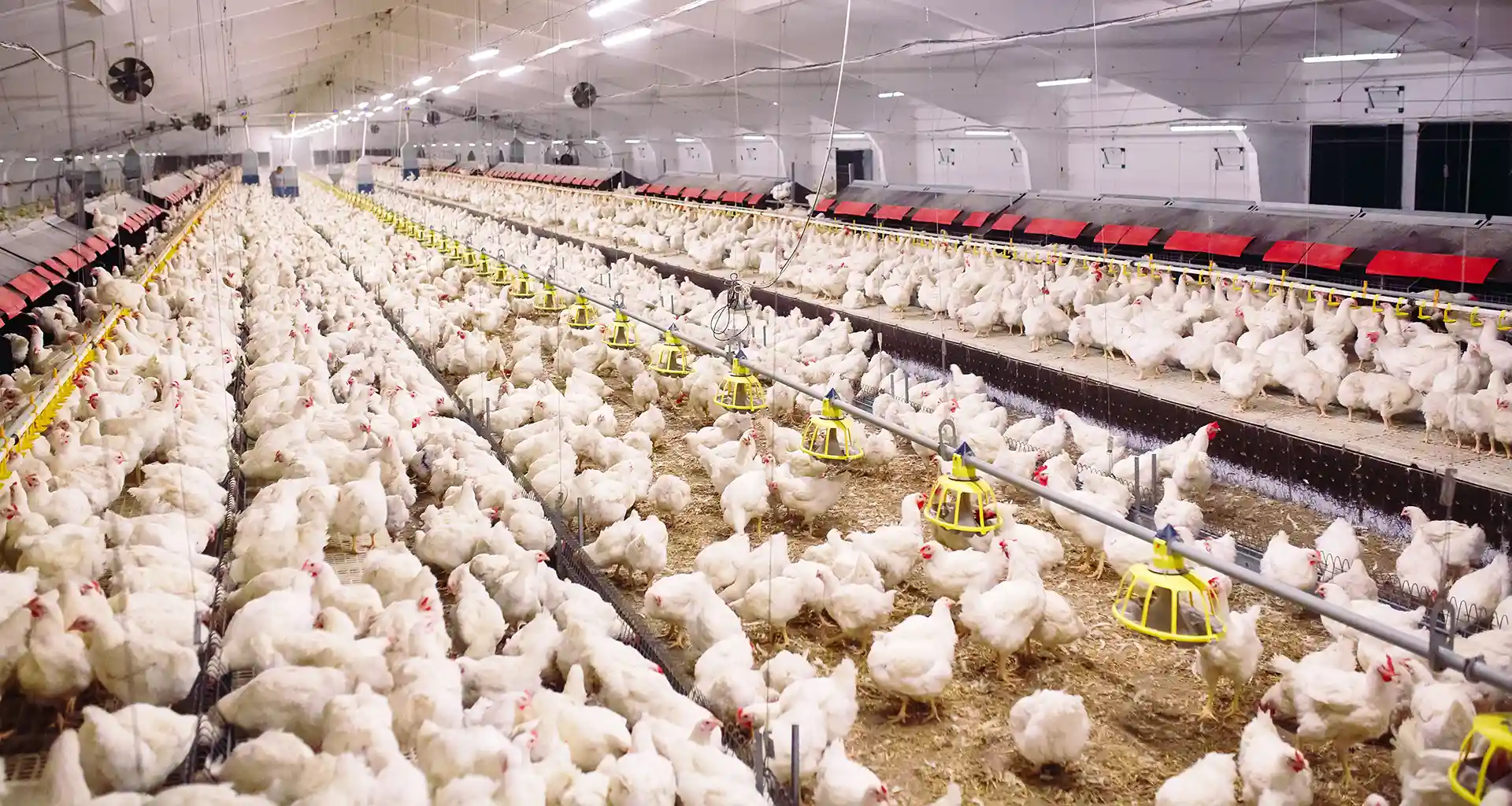
Cage systems, whether conventional or enriched, became the global standard for egg production in the mid-20th century. They were designed to maximize efficiency and food safety, allowing large numbers of hens to be managed in a controlled environment. This consistency led to high egg output and reliable feed conversion, while the reduced contact with litter helped lower the risk of some diseases and parasites. Mortality rates in well-managed cage systems are often lower than in alternative systems, and daily tasks such as feeding, watering, and egg collection are easier to manage.
Despite these strengths, cage systems remain highly controversial. By design, cages restrict birds’ natural behaviors such as dust bathing, wing flapping, foraging, and nesting. This lack of behavioral freedom has become a central welfare concern, particularly as consumers grow more aware of how their food is produced. Limited movement also affects bone strength and can lead to higher rates of osteoporosis. In many markets, conventional battery cages are being phased out altogether, replaced either by enriched cages with perches and scratching areas, or by alternative housing systems.
Free-Range Systems: Welfare and Consumer Appeal
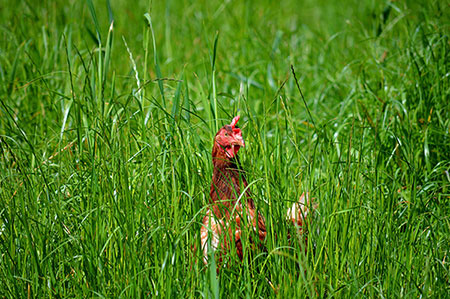
Free-range production presents a very different image, one that appeals strongly to consumers. Birds have greater freedom of movement and outdoor access, allowing them to express natural behaviors such as scratching, foraging, and dust bathing. This generally improves welfare and reduces stress, while more activity supports stronger muscles and bones. Free-range eggs are often marketed as healthier or more sustainable, and products from these systems can command a premium price in the marketplace.
For producers, however, free-range is not without challenges. Outdoor access increases the risk of exposure to predators, parasites, and pathogens such as avian influenza. Biosecurity is harder to maintain, and mortality rates are generally higher than in cage systems. Feed efficiency is often reduced, as birds spend more energy on activity and foraging. In addition, if outdoor areas are not carefully managed, manure accumulation can lead to soil degradation and nutrient pollution.