
Livestock production has always depended on experience.
Whether managing a poultry house or a pig facility, experienced producers develop a strong understanding of animal behavior, environmental conditions, and daily operations. These insights are built over years of observation and hands-on management.
As monitoring technologies become more common in modern livestock production, some producers wonder whether data is replacing experience.
The reality is quite the opposite.
No sensor can replace the knowledge that comes from working with animals every day.
Experienced producers can often spot subtle changes in behavior, identify unusual patterns, and recognize early signs of developing challenges before they become serious problems. That expertise remains one of the most valuable resources on any farm. However, even the most experienced manager cannot be everywhere at once.
Modern poultry and pig production is becoming increasingly complex.
Environmental conditions can change throughout the day, often without obvious signs. Ventilation performance, temperature, humidity, CO₂ levels, and water consumption may shift gradually before they become noticeable during routine inspections. This is where continuous monitoring adds value.
Rather than replacing human expertise, monitoring technologies provide an additional layer of visibility that helps producers better understand what is happening inside the house or barn.
Reliable data helps producers make decisions based on facts rather than assumptions.
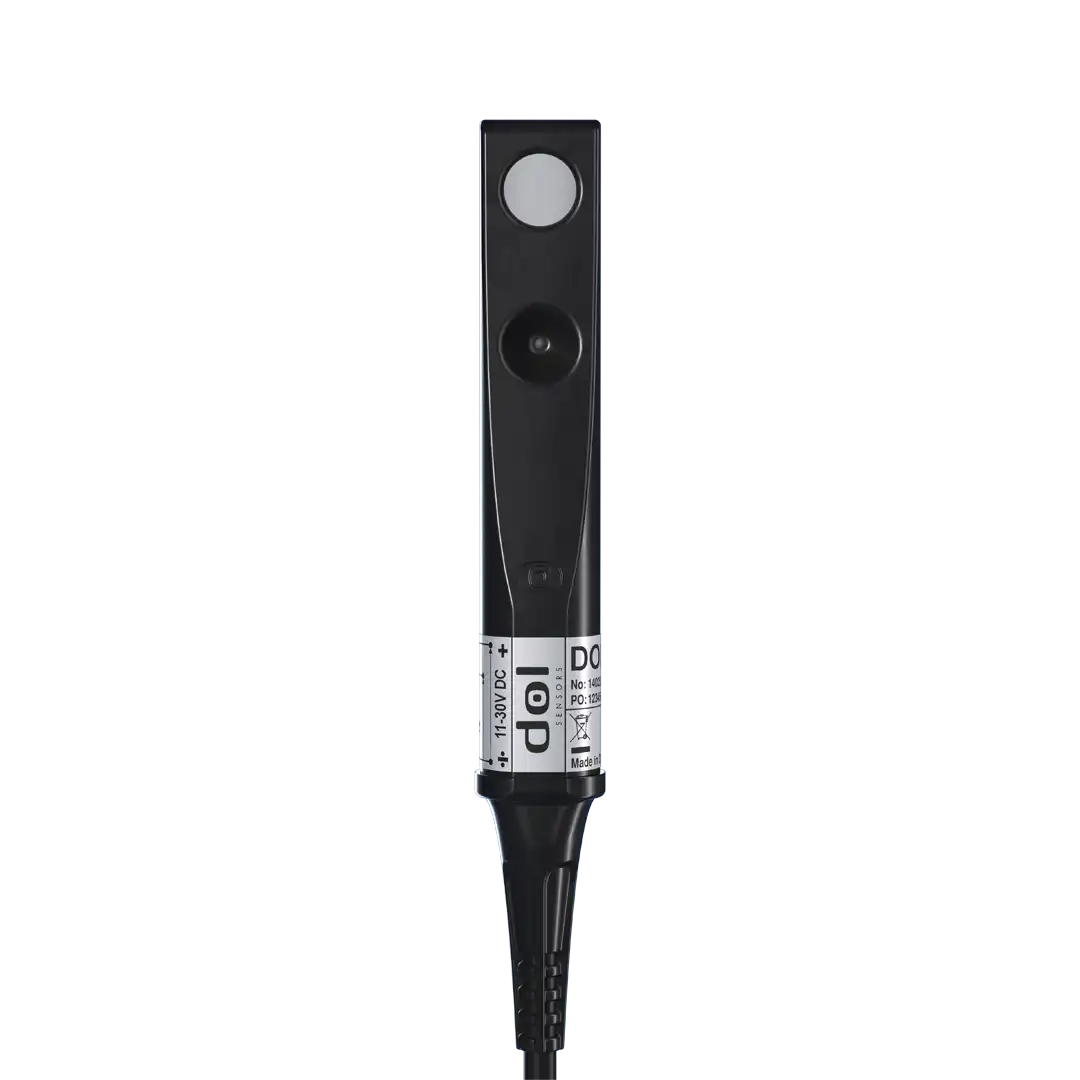
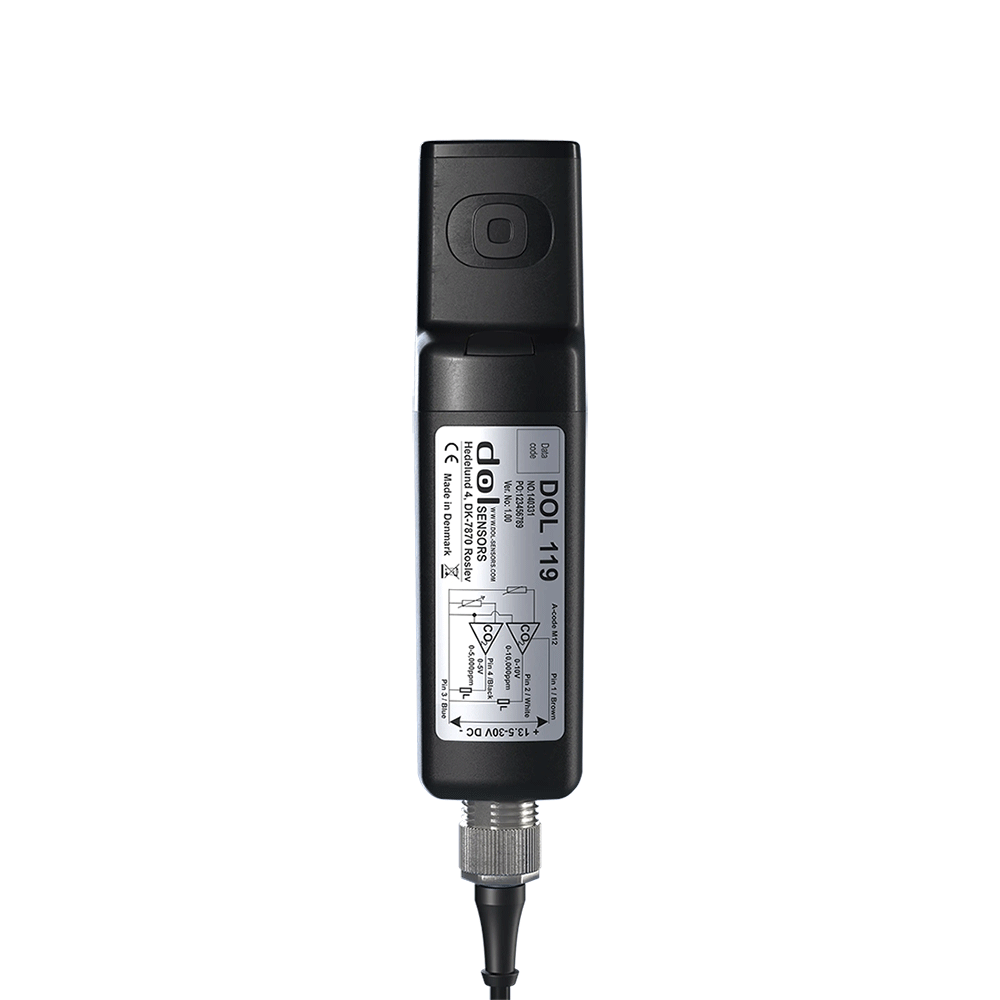
For example, the DOL 119 CO₂ Sensor provides insight into ventilation performance and indoor air quality, while the DOL 114 Humidity & Temperature Sensor helps monitor environmental conditions that influence animal welfare and productivity.
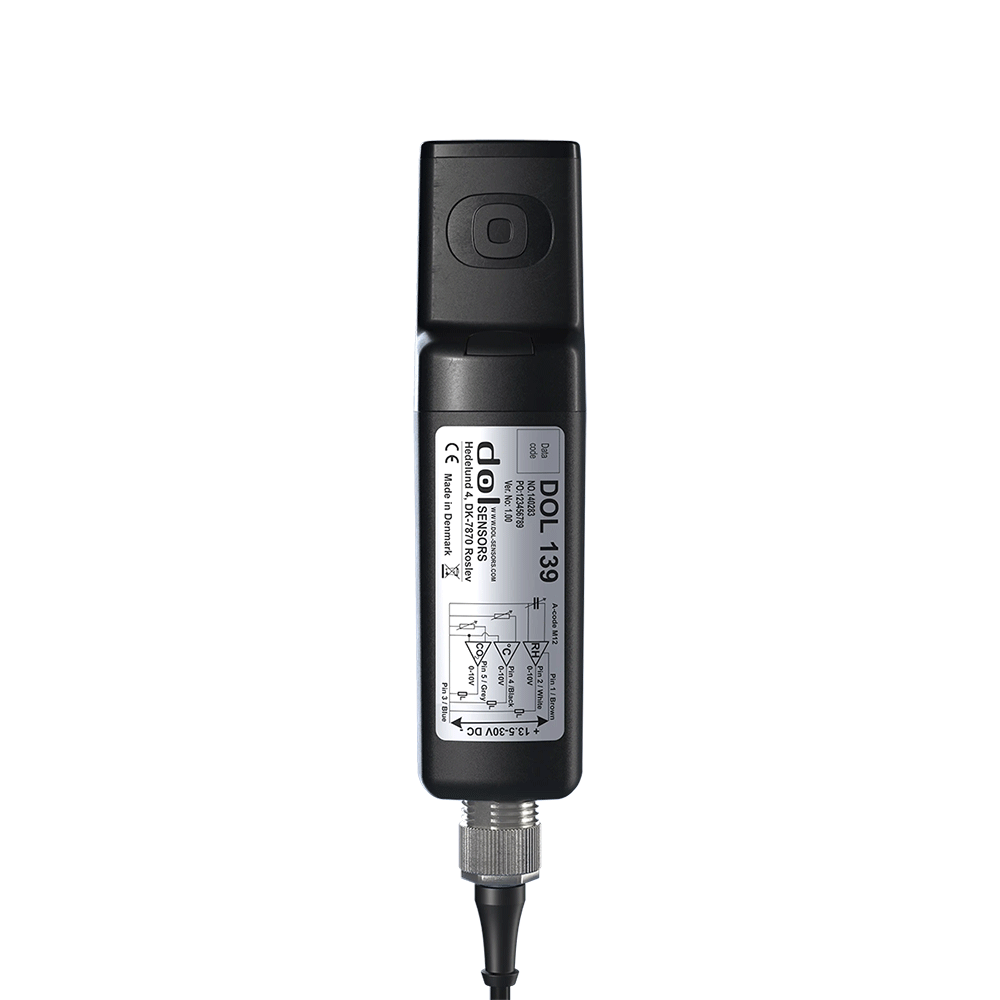
For producers seeking a broader environmental overview, the DOL 139 combines temperature, humidity, and CO₂ monitoring in a single sensor.
Production indicators are just as important. The DOL 90 Water Meter continuously monitors water consumption, often one of the earliest signs that something within the livestock house has changed. Together, these measurements provide valuable information that supports daily management decisions.
Data alone does not solve problems. What creates value is combining accurate measurements with practical experience. A sensor may identify a change in environmental conditions, but it is the producer's expertise that determines the best course of action.
Technology provides visibility.
Experience provides understanding.
When the two work together, producers are better equipped to identify challenges early, improve animal welfare, and support consistent production performance.
The future of livestock production is not about choosing between experience and technology.
It is about combining both.
Monitoring solutions from dol-sensors help provide the information producers need to make confident decisions, while experience remains the foundation of successful farm management.
Because data doesn't replace experience. It strengthens it.