Data Doesn't Replace Experience. It Strengthens It.

Livestock production has always depended on experience.

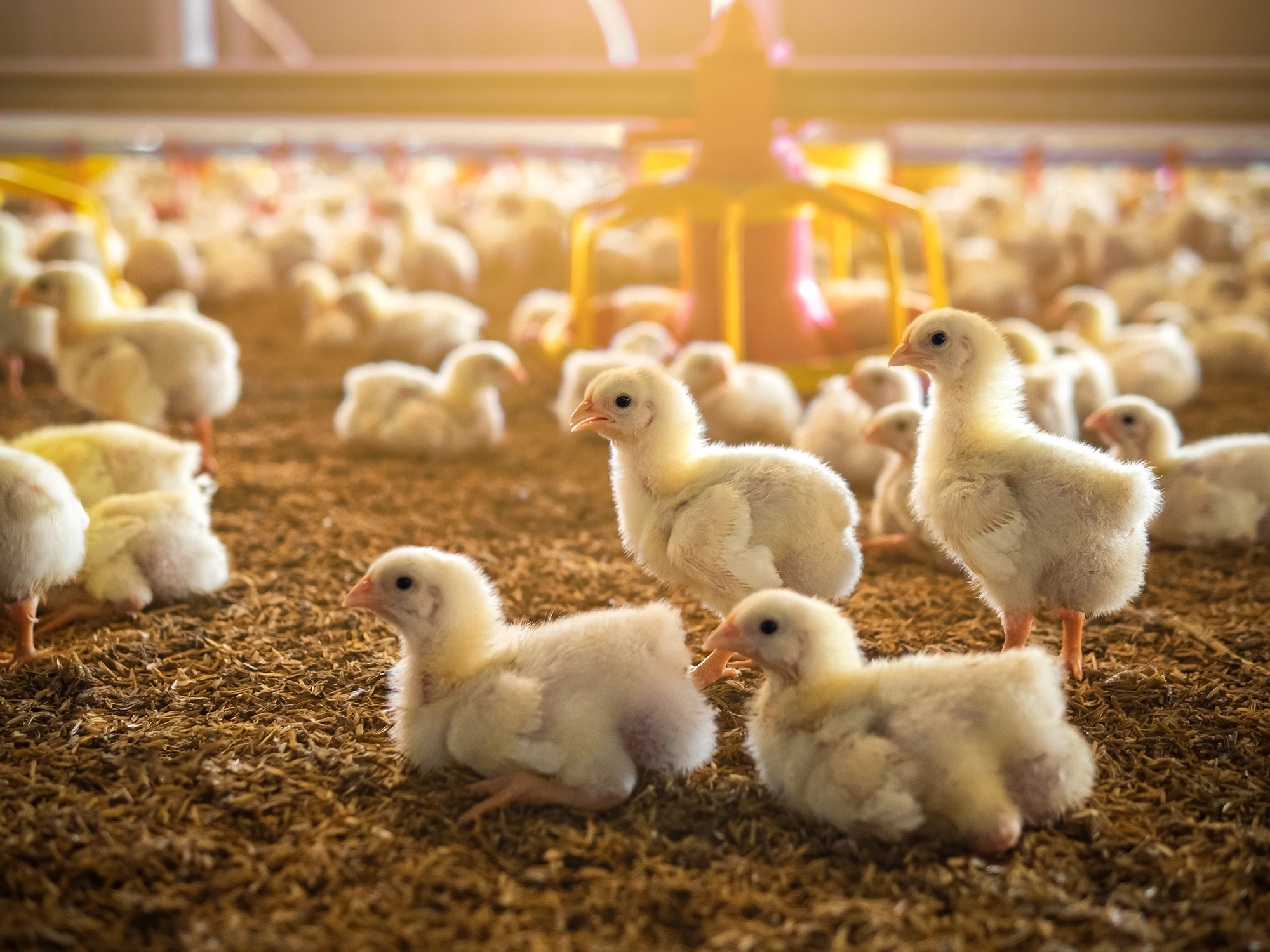
Whether managing a poultry house or a pig facility, experienced producers develop a strong understanding of animal behavior, environmental conditions, and daily operations. These insights are built over years of observation and hands-on management.

As monitoring technologies become more common in modern livestock production, some producers wonder whether data is replacing experience.

The reality is quite the opposite.

Experience Still Matters Most

No sensor can replace the knowledge that comes from working with animals every day.

Experienced producers can often spot subtle changes in behavior, identify unusual patterns, and recognize early signs of developing challenges before they become serious problems. That expertise remains one of the most valuable resources on any farm. However, even the most experienced manager cannot be everywhere at once.

The Need for Greater Visibility

Modern poultry and pig production is becoming increasingly complex.

Environmental conditions can change throughout the day, often without obvious signs. Ventilation performance, temperature, humidity, CO₂ levels, and water consumption may shift gradually before they become noticeable during routine inspections. This is where continuous monitoring adds value.

Rather than replacing human expertise, monitoring technologies provide an additional layer of visibility that helps producers better understand what is happening inside the house or barn.

→ Read: They Key Environmental Factors Every Poultry Barn Should Get Right

Better Information Supports Better Decisions

Reliable data helps producers make decisions based on facts rather than assumptions.

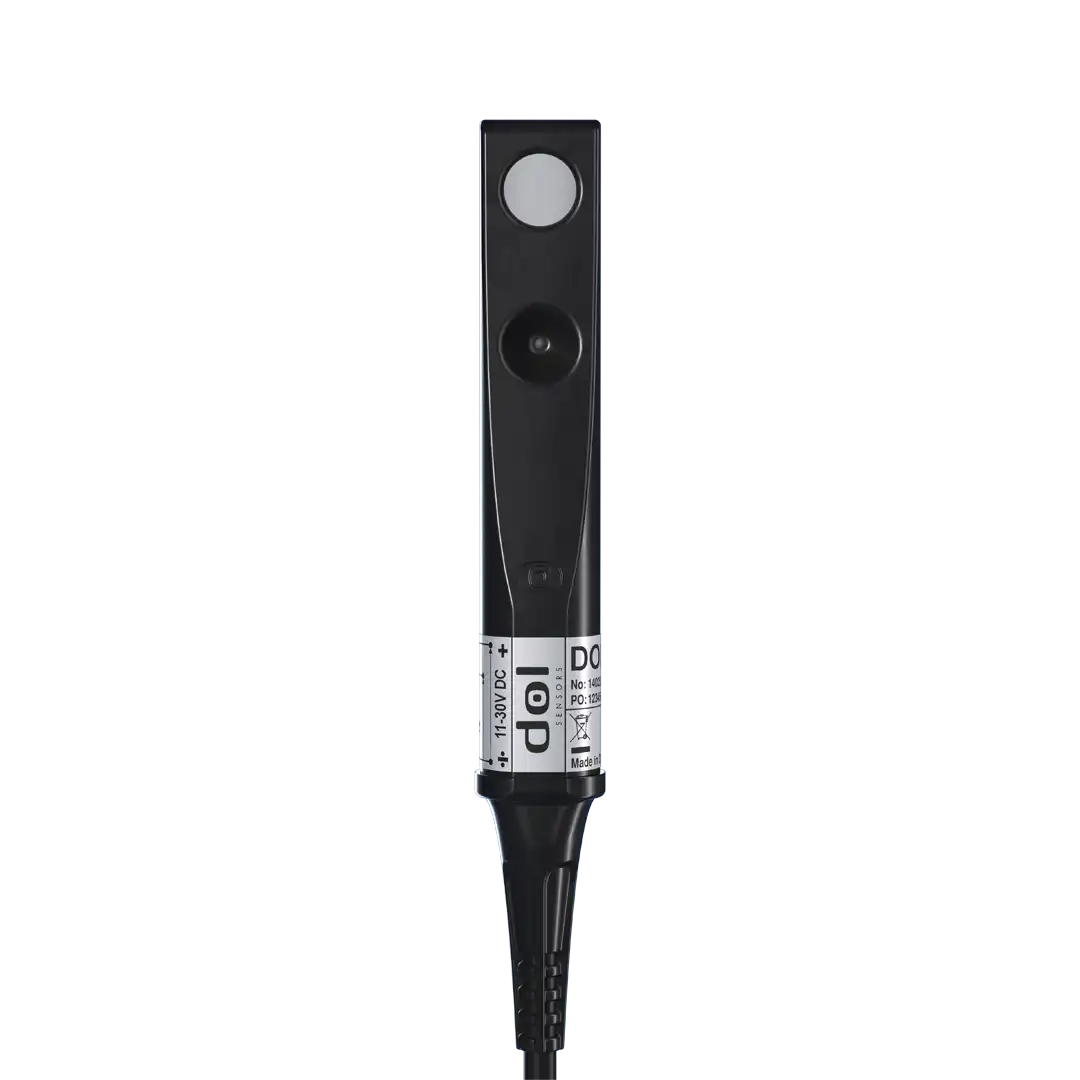
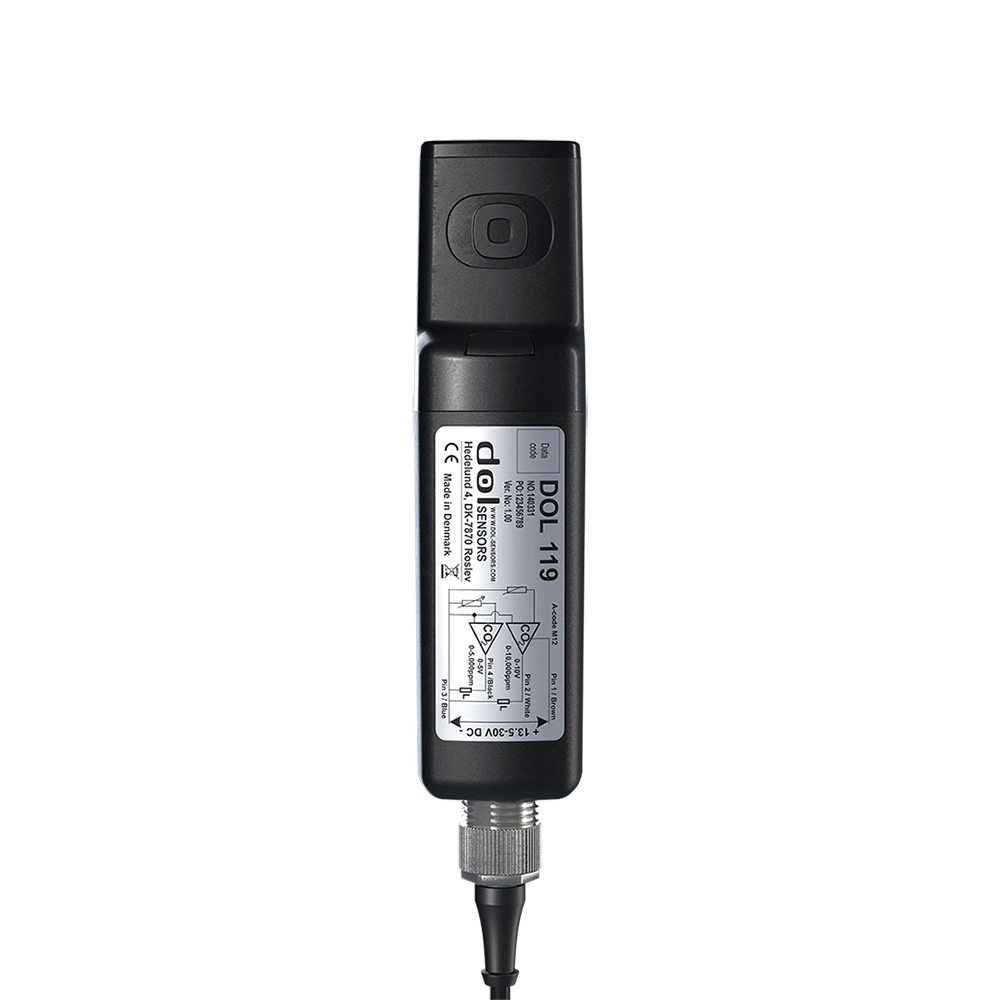
For example, the DOL 119 CO₂ Sensor provides insight into ventilation performance and indoor air quality, while the DOL 114 Humidity & Temperature Sensor helps monitor environmental conditions that influence animal welfare and productivity.

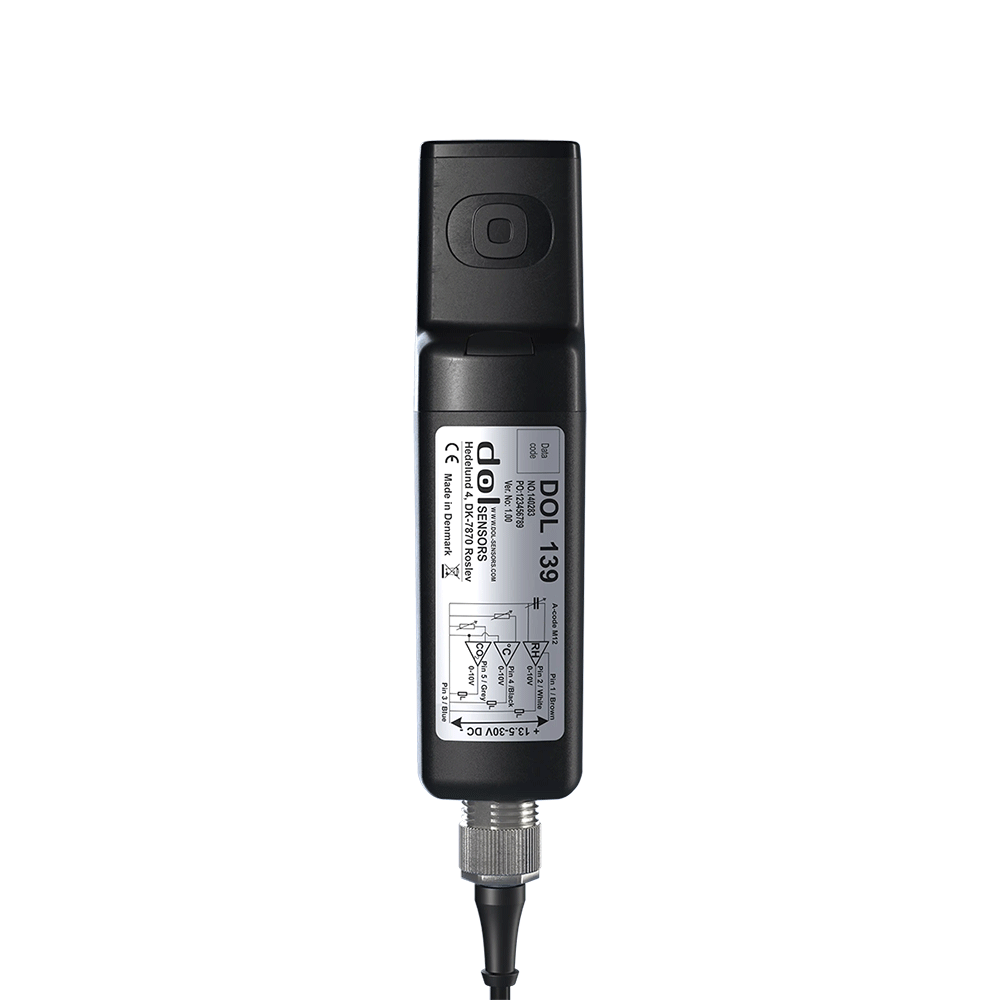
For producers seeking a broader environmental overview, the DOL 139 combines temperature, humidity, and CO₂ monitoring in a single sensor.

Production indicators are just as important. The DOL 90 Water Meter continuously monitors water consumption, often one of the earliest signs that something within the livestock house has changed. Together, these measurements provide valuable information that supports daily management decisions.

Why Experience and Data Work Better Together
Learn how sensor data provides greater visibility into environmental conditions and production performance.

Combining Knowledge and Technology

Data alone does not solve problems. What creates value is combining accurate measurements with practical experience. A sensor may identify a change in environmental conditions, but it is the producer's expertise that determines the best course of action.

Technology provides visibility.

Experience provides understanding.

When the two work together, producers are better equipped to identify challenges early, improve animal welfare, and support consistent production performance.

Looking Ahead

The future of livestock production is not about choosing between experience and technology.

It is about combining both.

Monitoring solutions from dol-sensors help provide the information producers need to make confident decisions, while experience remains the foundation of successful farm management.

Because data doesn't replace experience. It strengthens it.

Why Data Is Becoming a Farmer's Best Friend
Learn how continuous monitoring helps producers identify developing production challenges through changes in water consumption, growth performance and other key production indicators.

Data is rapidly becoming one of the most valuable tools in modern pig production. As herds grow and production systems become more complex, farmers need clearer insight into what's happening inside the barn, every hour, every day. Data provides that visibility, turning daily uncertainty into informed, confident decision-making.

How Data Helps Farmers Stay Ahead

  • Early detection of problems - Changes in temperature, humidity, ammonia, or the pigs' behavior show up in the data long before they become visible issues
  • More stable barn environments - Automated systems adjust ventilation and climate based on real-time measurements, keeping pigs comfortable and healthy
  • Better growth performance - When pigs live in consistent conditions, they eat better, grow faster, and experience fewer health challenges
  • Stronger documentation - Data supports audits, welfare requirements, and communication with veterinarians and advisors
The Future of Livestock Production is Data-driven
Learn how continuous monitoring helps producers identify developing production challenges through changes in water consumption, growth performance and other key production indicators.

Livestock production is changing. Increasing demands for efficiency, animal welfare, and sustainability are reshaping how farms operate - and intuition alone is no longer enough. The future of livestock production is data-driven, where accurate insights form the foundation for better decisions, healthier animals, and greener production.

From Experience to Insight

Modern production is more complex than ever. Factors such as temperature, humidity, CO2, ammonia levels, and water intake interact continuously - and small changes can have a big impact on animal welfare. Data allows farm managers to move from reacting to problems toward anticipating and preventing them. When critical parameters are measured accurately and consistently, decision-making becomes proactive rather than reactive.

Turning Data into Better Animal Welfare

Real-time monitoring enables faster responses and more precise climate adjustments. With continuous data, farm managers can: 

  • Maintain stable and comfortable indoor conditions
  • Detect deviations early
  • Reduce stress and health risks
  • Support consistent growth and performance

When animals thrive, production becomes both more ethical and more efficient.

Efficiency and Sustainability go Hand in Hand

Data‑driven livestock production is not only good for animals - it also supports sustainable and responsible farming.

Accurate monitoring allows producers to optimize ventilation, heating, and resource use based on actual needs rather than assumptions. This reduces energy consumption, minimizes waste, and supports lower emissions - all while maintaining optimal production conditions.

Smarter data enables:

  • Precise use of energy and resources
  • Reduced environmental impact
  • Improved production efficiency
  • Long‑term operational sustainability

In this way, data becomes a key driver of greener production.

Busting the Most Common Poultry Myths
Learn how continuous monitoring helps producers identify developing production challenges through changes in water consumption, growth performance and other key production indicators.

Poultry farming is full of ideas that have been repeated for years, but not all of them hold up in modern production. As genetics, housing, and management practices evolve, it becomes increasingly important to challenge old assumptions and understand what truly drives flock health and performance.

Myth 1: The Birds Will Show You When Something Is Wrong

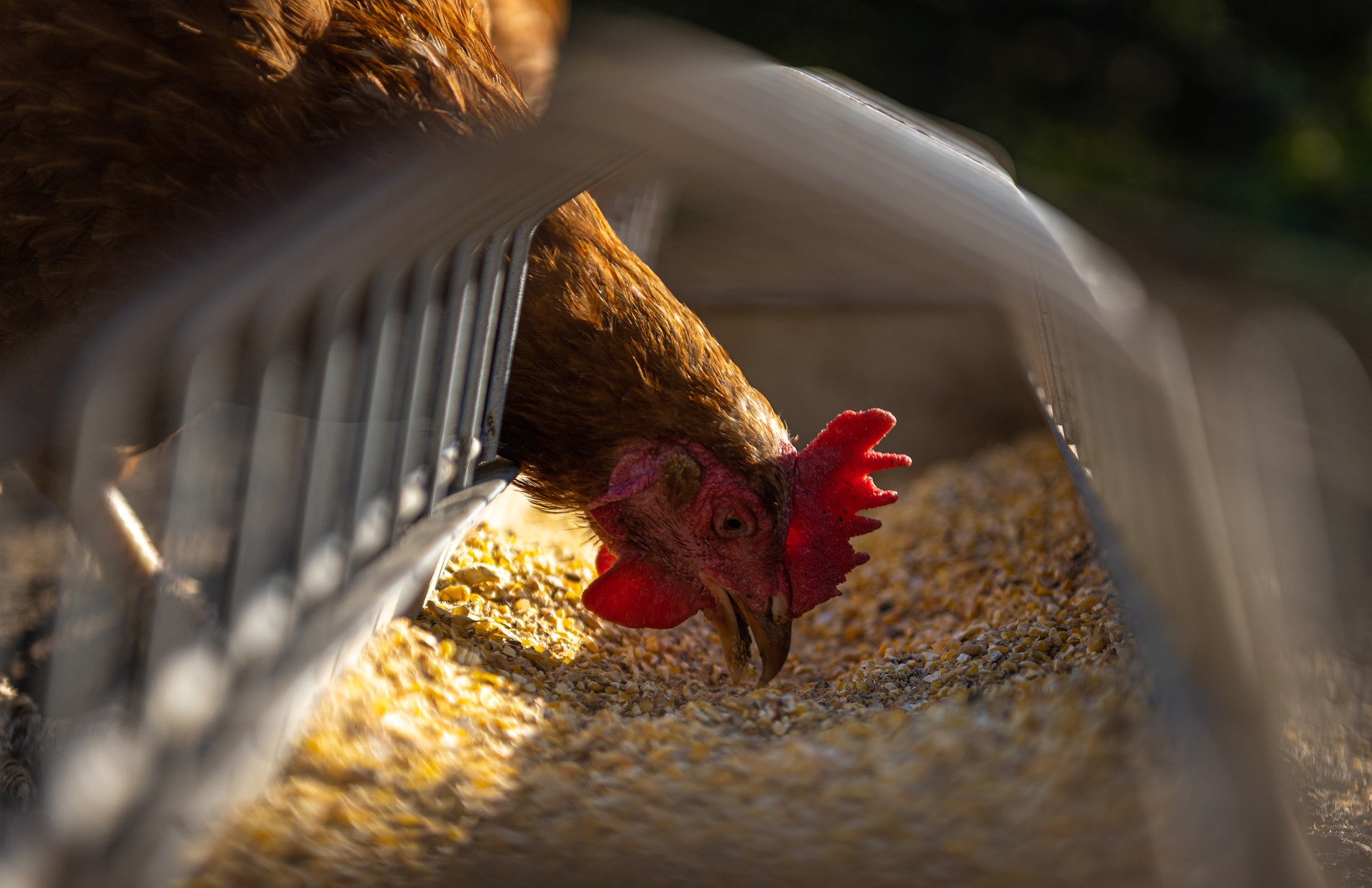
Poultry are prey animals, and they instinctively hide early signs of stress or illness. By the time symptoms become visible, the issues have often been developing for quite some time.

  • Early changes in behavior or environment are easy to miss
  • Relying only on visual checks often leads to late reactions
  • Continuous monitoring helps catch problems long before they escalate

Myth 2: Ventilation Is Only a Winter Concern

Many believe barns should be closed in colder weather to keep birds warm, but poor air exchange quickly creates new problems.

  • Humidity, ammonia, and CO₂ rise fast when airflow drops
  • These invisible changes affect growth, comfort, and respiratory health
  • Good ventilation is essential all year - not just in winter

Myth 3: More Feed Means Better Growth

Modern birds don't grow better simply because more feed is available.

Selected Sensors

Documents

English
Leaflet
DOL 114 Humidity and Temperature Sensor_Onepager
English
Leaflet
DOL 139 Humidity, Temperature and CO2 Sensor
DOL 90 Water Meter_One Pager
English
Leaflet
DOL 119 One pager

Join our newsletter

Stay ahead in livestock production.

Join our newsletter and get industry insights, expert perspectives, and practical strategies for optimizing performance and efficiency.