CO₂ Management: Unlocking Higher Crop Performance

Why Accurate CO₂ Monitoring Matters

Many commercial growers supplement CO₂ to increase crop productivity. However, successful enrichment depends on precise measurements.

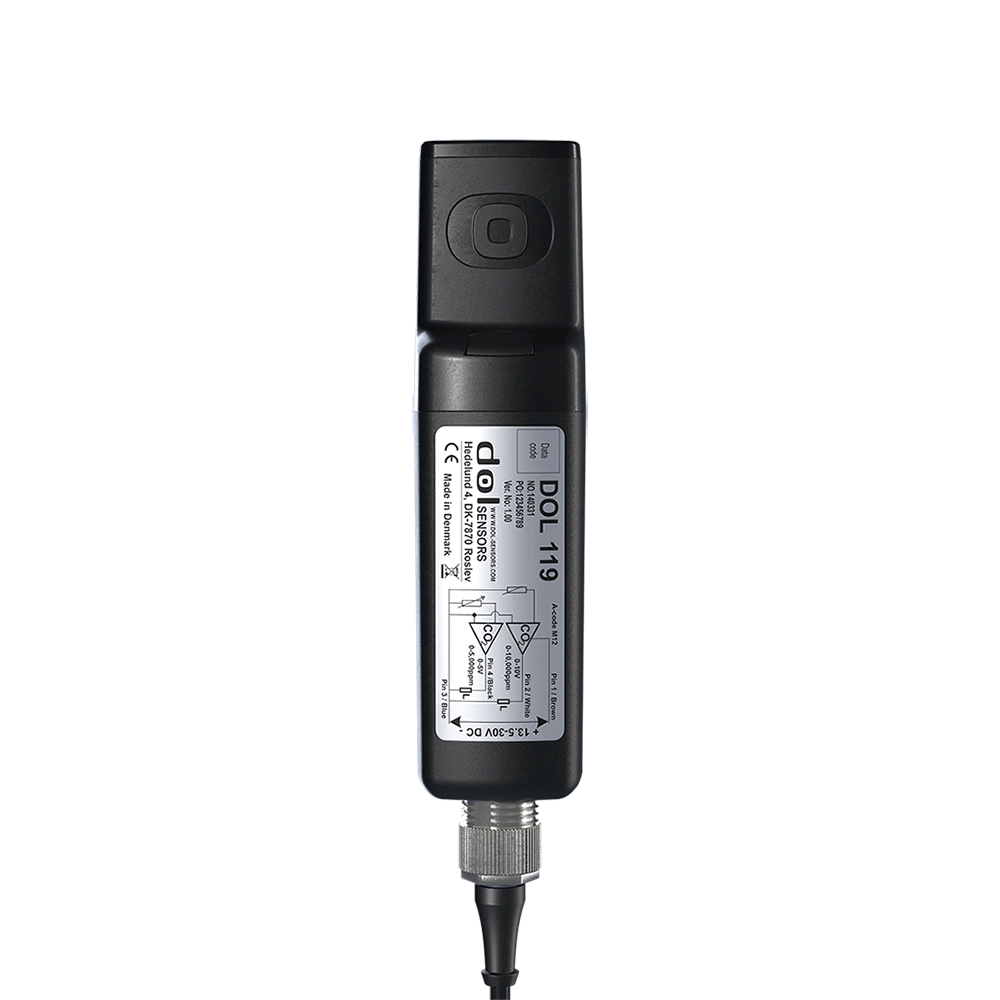
The DOL 119 CO₂ Sensor continuously monitors carbon dioxide concentrations, providing growers with accurate data to optimize enrichment strategies and avoid unnecessary CO₂ consumption. Reliable monitoring helps maintain optimal growing conditions while improving operational efficiency.

For growers seeking a complete climate monitoring solution, the DOL 139 Sensor combines CO₂ measurements with temperature and humidity monitoring in one unit. This allows climate control systems to evaluate multiple environmental factors simultaneously and make more intelligent adjustments.

A Competitive Advantage for Professional Growers

As horticultural operations become more sophisticated, precision climate management continues to differentiate successful growers from their competitors.

Reliable CO₂ monitoring provides the insights needed to optimize photosynthesis, improve crop quality, and maximize production potential throughout the growing season.

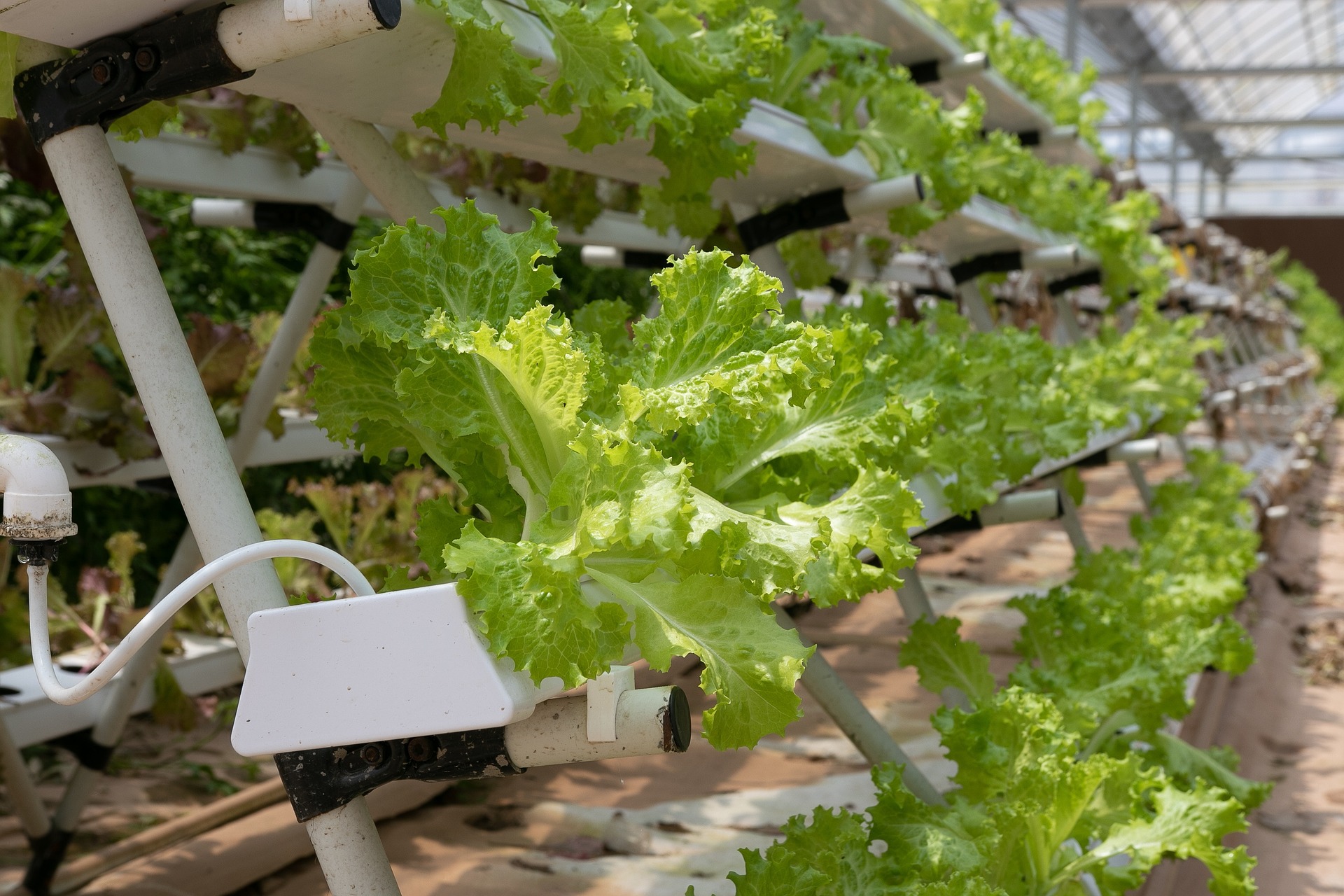
What is Automated Vertical Farming?
The automation aspect of the vertical farming technology allows for precise control over the growing environment, leading to higher crop yields and reduced need for human labor.

A Smarter Approach to Enrichment

Rather than operating enrichment systems on fixed schedules, growers can use sensor-based control to apply CO₂ when crops need it most. This improves growing consistency, reduces waste, and supports higher crop performance.

Supporting Sustainable Production

Sustainability is becoming increasingly important across the horticulture industry. Growers are under pressure to reduce resource consumption while maintaining production levels.

Accurate CO₂ monitoring helps support these objectives by ensuring enrichment systems operate only when needed. Rather than relying on fixed schedules, growers can use real-time measurements to adjust applications according to actual crop demand.

The result is improved growing efficiency, better resource utilization, and healthier crops.
→ Read: The Future of Livestock Production Is Data-driven

自動化垂直農法
Learn how continuous monitoring helps producers identify developing production challenges through changes in water consumption, growth performance and other key production indicators.

自動化垂直農法

持続可能な農業の未来

人口増加に伴い、持続可能な食料生産の必要性がますます高まる中、自動化垂直農法は非常に有望な解決策として注目されています。

垂直農法における自動化技術は、温度、湿度、照明などの栽培環境を精密に制御することを可能にし、収穫量の増加と人件費の削減を実現します。さらに、農薬を使用せず、閉鎖型システムを採用しているため、この方法で栽培された農作物はオーガニックと見なされることが一般的です。自動化垂直農法の利点には、カーボンフットプリントの削減、食料安全保障の向上、そして管理された環境下での通年栽培が挙げられます。作物の成長を最大化し、安定した栽培条件を維持するには、正確なCO₂モニタリングが不可欠です。詳細については、以下をご覧ください。 農業用CO₂センサー

自動化垂直農法とは?

自動化垂直農法とは、管理された環境下でトレイを積み重ね、作物を栽培する手法です。垂直農法はスペースを最大限に活用し、水やその他の資源の使用量を最小限に抑えることで、廃棄物を減らしながら収穫量を高めることができます。

自動化垂直農法の利点

自動化垂直農法には多くの利点があります。最も大きな利点の一つは、カーボンフットプリントの削減です。従来の農業手法では広大な土地、大量の水、エネルギーを必要としますが、自動化垂直農法ではこれらの資源を大幅に節約できます。

もう一つの利点は、食料安全保障の向上です。人口増加と都市化が進むにつれ、食料需要は今後も高まり続けます。自動化垂直農法は都市部での効率的な食料生産を可能にし、長距離輸送の必要性を減らすとともに、新鮮な農作物の供給を安定させます。

さらに、垂直農法の閉鎖型システムにより、栽培される農作物はオーガニックと見なされることが多くあります。農薬の使用を抑えられるため、自動化垂直農法で育てられた作物は、より健康的で安全な食品として評価されています。

最後に、管理された環境下で通年栽培が可能であるため、季節や天候に左右されず、安定した食料供給源となります。

環境センサー
Learn how continuous monitoring helps producers identify developing production challenges through changes in water consumption, growth performance and other key production indicators.

畜舎における環境センサーの5つの利点

環境センサーは、私たちの周りの環境を測定するデバイスです。空気の質、温度、湿度などの監視に使用できますが、畜舎の環境センサーや 気候センサー 最適な環境を確保するために使用されます。

高い空気の質でより良い動物福祉を手に入れよう

環境センサーを使用するにはいくつかの方法があります 畜産。1つの方法は、二酸化炭素センサーとアンモニアセンサーを使用して空気の質を測定することです。これらのセンサーをコントローラーと農場管理システムに接続すると、警報や家の換気の開始に関するデータが得られます。

動物が最適に育たないのは、CO2とアンモニアの両方が原因です。二酸化炭素とアンモニアの濃度が高すぎると、呼吸障害、飼料や皮膚の腐食による損傷、目や口の粘膜への刺激を引き起こします。濃度が高いと空気の質が低下し、死亡率が増加し、生産量が減少します。

受賞歴のあるものでアンモニアのレベルを測定できます DOL 53 アンモニアセンサー ロバストでCO2レベルを把握できます DOL 119 二酸化炭素センサー または3-in-1センサー ドール 139 湿度、温度、CO2を測定します。

未来の気候センサー
Learn how continuous monitoring helps producers identify developing production challenges through changes in water consumption, growth performance and other key production indicators.

未来の気候センサー

より持続可能な食料生産への需要は年々高まっています。これに応えるためには、食料生産者は生産量を増やし続け、動物が可能な限り最高の生活環境を維持できるようにする必要があります。そうすることで、死亡やの増加、肉質の低下を防ぐことができます。そのためには、正確なリアルタイムデータが必要です。

正確なリアルタイムデータ

最適な動物福祉と最も効率的な生産を実現するには、畜舎の気候を常に監視することが不可欠です。温度、湿度、CO2、アンモニアを時々測定するだけではもはや十分ではありません。 気候センサー 将来の正確なリアルタイムデータを提供することで、農家や農場管理者が生産の最新状況を把握できるため、生産管理に関してよりタイムリーで効果的な意思決定が可能になります。

正確なデータの重要性

鶏舎で気候センサーを使用する主な利点の1つは、病気の蔓延を防ぐのに役立つことです。家禽は特に呼吸器感染症にかかりやすく、空気の質が悪いと悪化することがあります。二酸化炭素、アンモニア、湿度のレベルを監視することで、鶏舎内の空気が新鮮で、有害ガスが含まれていないことを確認できます。

養鶏場では、孵化場から孵化から食肉処理場に送られるまで、鶏の生涯にわたって温度と湿度が重要な役割を果たします。ニワトリは温度変化に非常に敏感です。気温が低すぎると、鶏は食べる量が多く、くっついて暖かく保つことがあります。つまり、飼料の消費量が多いことと動きが少ないことの組み合わせにより、鶏は肉よりも多くの脂肪を生産することになります。温度が低いと、産卵の問題が発生する可能性もあります。

気候センサーからのデータが正確かどうかは、生産に大きな影響を与えます。前述のように、温度と湿度は生産と動物福祉に大きな影響を与えるため、正確な測定が不可欠です。データが正確であれば、鳥類へのストレスが軽減され、生産性が向上します。

Selected Sensors

Documents

English
Leaflet
DOL 119 One pager
English
Leaflet
Climate brochure Horticulture

Join our newsletter

Stay ahead in livestock production.

Join our newsletter and get industry insights, expert perspectives, and practical strategies for optimizing performance and efficiency.