The Future of Livestock Production is Data-driven

Livestock production is changing. Increasing demands for efficiency, animal welfare, and sustainability are reshaping how farms operate - and intuition alone is no longer enough. The future of livestock production is data-driven, where accurate insights form the foundation for better decisions, healthier animals, and greener production.

From Experience to Insight

Modern production is more complex than ever. Factors such as temperature, humidity, CO2, ammonia levels, and water intake interact continuously - and small changes can have a big impact on animal welfare. Data allows farm managers to move from reacting to problems toward anticipating and preventing them. When critical parameters are measured accurately and consistently, decision-making becomes proactive rather than reactive.

Turning Data into Better Animal Welfare

Real-time monitoring enables faster responses and more precise climate adjustments. With continuous data, farm managers can: 

  • Maintain stable and comfortable indoor conditions
  • Detect deviations early
  • Reduce stress and health risks
  • Support consistent growth and performance

When animals thrive, production becomes both more ethical and more efficient.

Efficiency and Sustainability go Hand in Hand

Data‑driven livestock production is not only good for animals - it also supports sustainable and responsible farming.

Accurate monitoring allows producers to optimize ventilation, heating, and resource use based on actual needs rather than assumptions. This reduces energy consumption, minimizes waste, and supports lower emissions - all while maintaining optimal production conditions.

Smarter data enables:

  • Precise use of energy and resources
  • Reduced environmental impact
  • Improved production efficiency
  • Long‑term operational sustainability

In this way, data becomes a key driver of greener production.

The Future Is Data-Driven
Accurate data helps producers make smarter decisions and build more efficient, sustainable livestock operations.

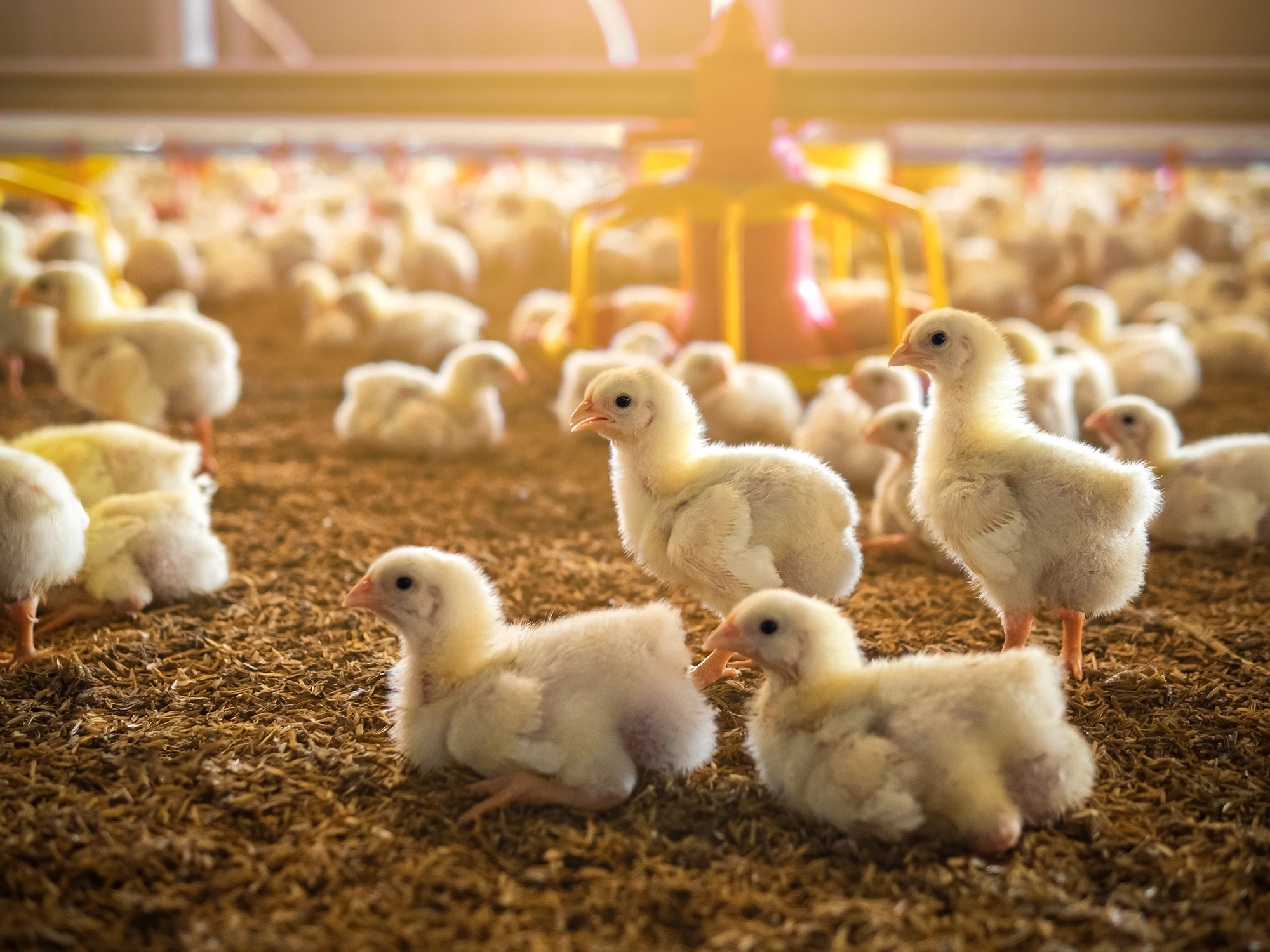
Built for Real-World Production

Data is only as reliable as the equipment behind it. Livestock environments are demanding, with dust, humidity, temperature fluctuations, and constant operation placing sensors under daily stress.

That's why dol-sensors develops solutions engineered specifically for agricultural conditions. With durable construction, long service life, and stable performance, our sensors are designed to deliver reliable data.

The Future Is Measured

As livestock production continues to evolve, data will play an even greater role in shaping efficient, sustainable, and welfare-focused farming. Sensors are no longer optional tools - they are strategic assets.

At dol-sensors, we are proud to support the future of livestock production by transforming environmental conditions into actionable insights. Because when decisions are powered by data, smart farming becomes a reality.

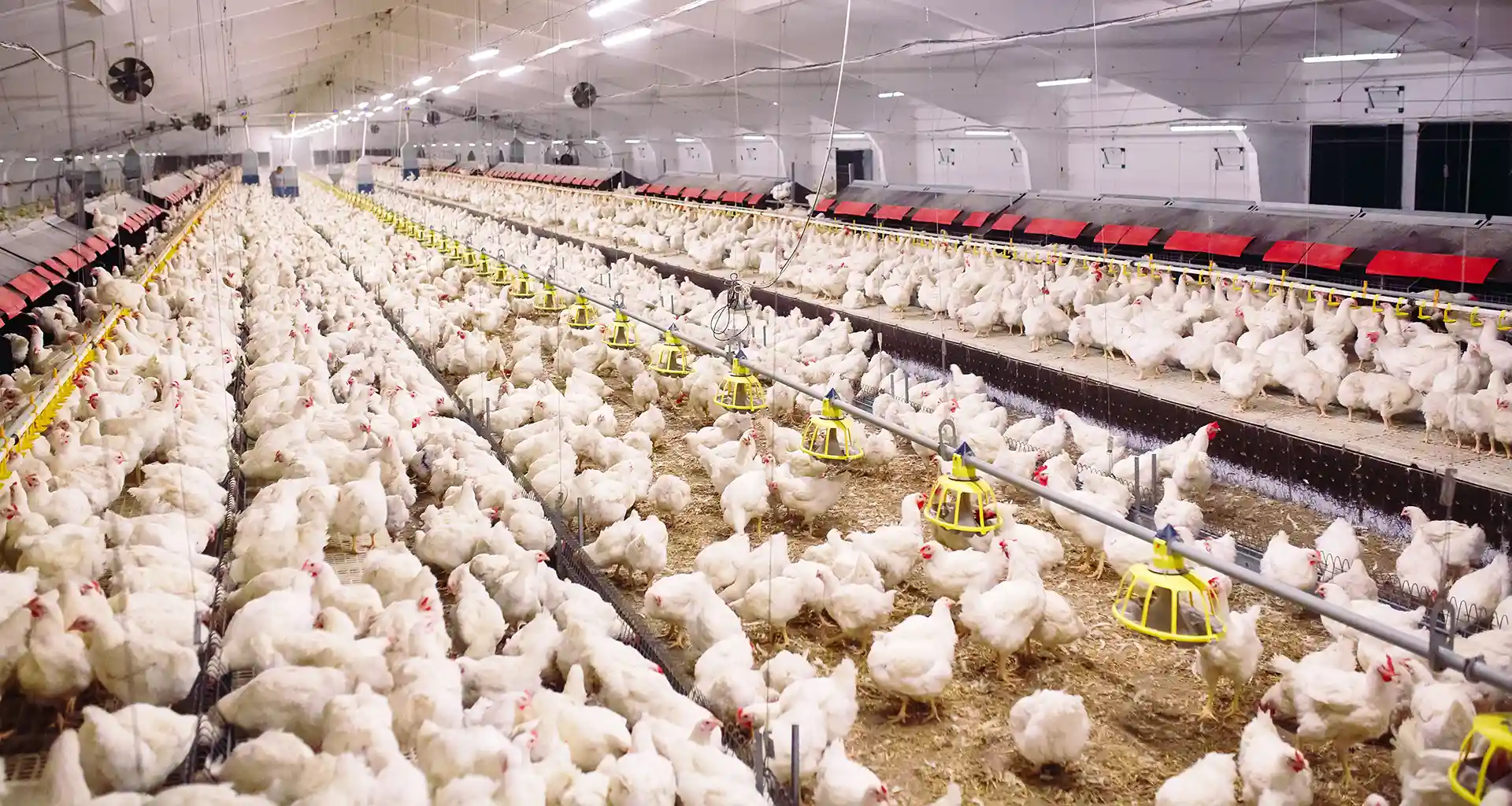
Consistent And Reliable Feed Supply In Poultry Production
Learn how continuous monitoring helps producers identify developing production challenges through changes in water consumption, growth performance and other key production indicators.

Feed supply involves the delivery of raw materials, ingredients, or mixed feed to production sites like factories, plants, or animal farming operations. Maintaining a steady and dependable supply of feed is essential for the efficient functioning of any production site and for the well-being of animals in farming contexts.

Incorporating Capacitive Sensors into Feed Supply Management

Enhancing the feed supply chain’s effectiveness can be achieved by integrating capacitive sensors. Capacitive sensors are electronic devices that measure the capacity or amount of electrical charge stored in a material. They work by detecting changes in capacitance, which is the ability of a material to store an electrical charge.

Capacitive sensors have a wide range of applications in managing feed supplies. For instance, they are effective in gauging the quantity of raw materials in storage facilities like bins, silos, or tanks. This monitoring helps in averting material shortages and guarantees uninterrupted production due to sufficient raw material or compound feed availability.

Monitoring The Flow Rate

Capacitive sensors can also be used to monitor the flow rate of raw materials being transported through pipes or conveyor belts. This can help to optimize the rate at which materials are supplied to the production process, ensuring that there is neither an excess nor a deficiency of raw materials.

Overall, the use of capacitive sensors in the feed supply process can help to improve efficiency, reduce costs, and prevent disruptions in production. They offer a reliable and cost-effective means of monitoring and controlling the flow of raw materials, ensuring that production can be maintained at optimal levels.

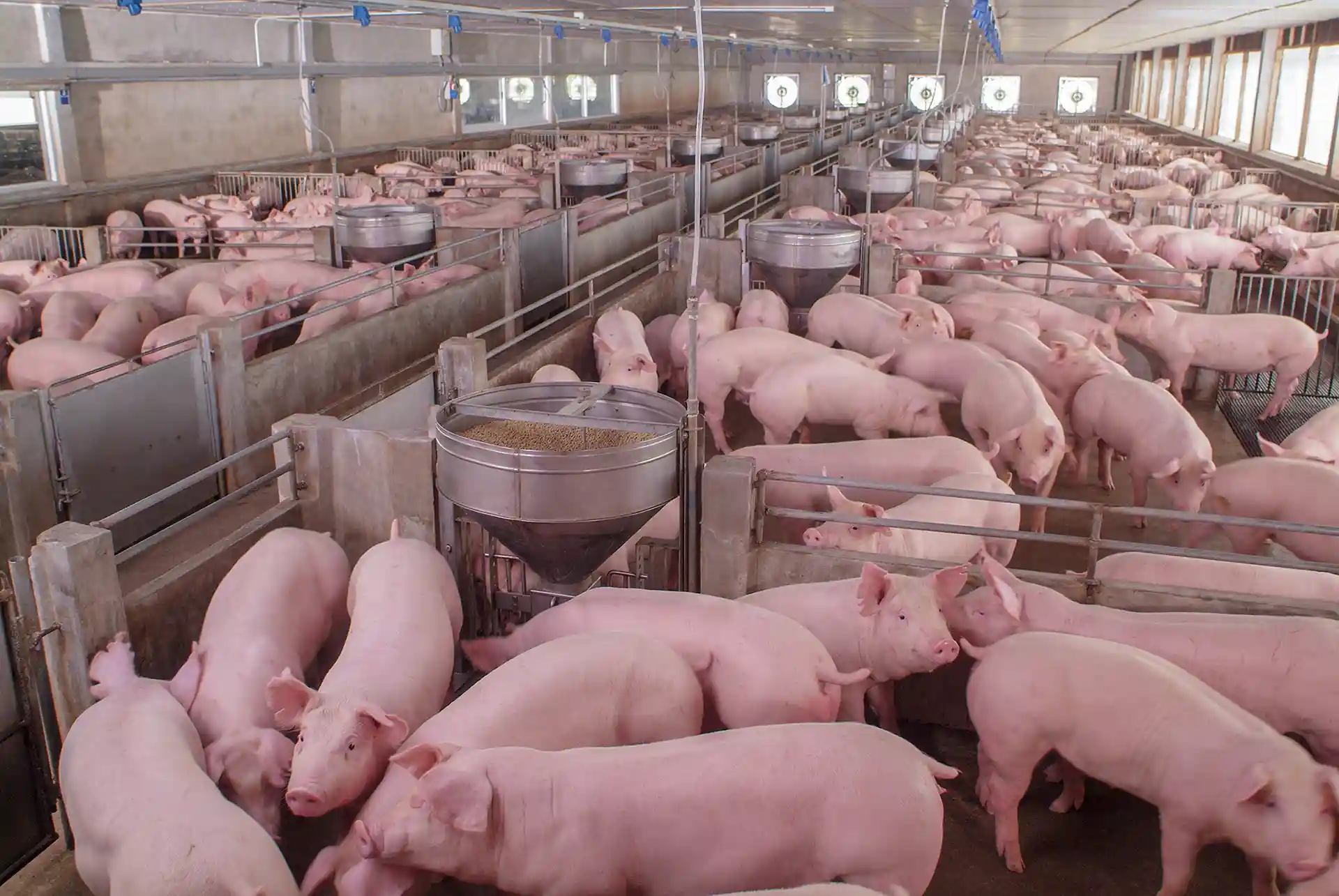
Preparing Pig Farms for a Changing Climate
Learn how continuous monitoring helps producers identify developing production challenges through changes in water consumption, growth performance and other key production indicators.

Climate change is reshaping how pig farms operate. Higher temperatures, unpredictable weather, and shifting disease risks are creating new challenges that require farms to adapt quickly and strategically.

Heat Stress and Rising Temperatures

Pigs struggle to regulate heat, making them vulnerable during hotter summers and heatwaves. This can reduce feed intake, slow growth, and lower fertility. Farm managers can respond with better ventilation, cooling systems, and heat-resistant building designs.

Extreme Weather and Infrastructure Risks

Stronger storms, flooding, and droughts can damage barns. disrupt power, and contaminate feed or water supplies. Many farmers are reinforcing buildings, improving drainage, and installing backup generators to stay operational during extreme events.

Changing Disease Patterns

More humid conditions support the spread of viruses, bacteria, and parasites. Strengthened biosecurity - with more frequent monitoring of the barn environment, and updated vaccination programs help reduce these risks.

Pressure on Feed and Resources

Climate impacts on global crop production can raise feed prices and reduce availability. Farms are exploring alternative feed ingredients, precision feeding, and larger on-farm storage to buffer against shortages.

Save Energy In Your Poultry Production
Learn how continuous monitoring helps producers identify developing production challenges through changes in water consumption, growth performance and other key production indicators.

Produce More, Use Less Energy

Energy might be one of the largest operating costs in poultry farming, and with rising prices and increasing sustainability demands, producers are under growing pressure to reduce consumption. Fortunately, there are several effective ways to save energy without compromising animal welfare or production results. In fact, smart energy management often leads to healthier flocks and improved profitability.

Optimize Climate Control

Heating, cooling, and ventilation are among the biggest energy users in a poultry house. By investing in automated climate control, producers can ensure that fans, heaters, and inlets work together efficiently. Modern systems adjust ventilation to the flock’s needs in real time, preventing unnecessary energy use while keeping conditions stable.

Improve Insulation and Sealing

A poorly insulated or leaky poultry house wastes energy. Insulating walls, ceilings, and floors, along with properly sealing doors, windows, and ventilation flaps, helps maintain the desired climate with less heating or cooling. Even small improvements in insulation can result in significant long-term savings.

Use Energy-Efficient Lighting

Lighting accounts for a considerable share of electricity use. Switching to LED lighting tailored for poultry not only reduces power consumption but also provides the correct light intensity and spectrum for bird welfare and productivity. Timers and dimming systems further optimize energy use.

Selected Sensors

Documents

English
Leaflet
Climate Brochure
English
Leaflet
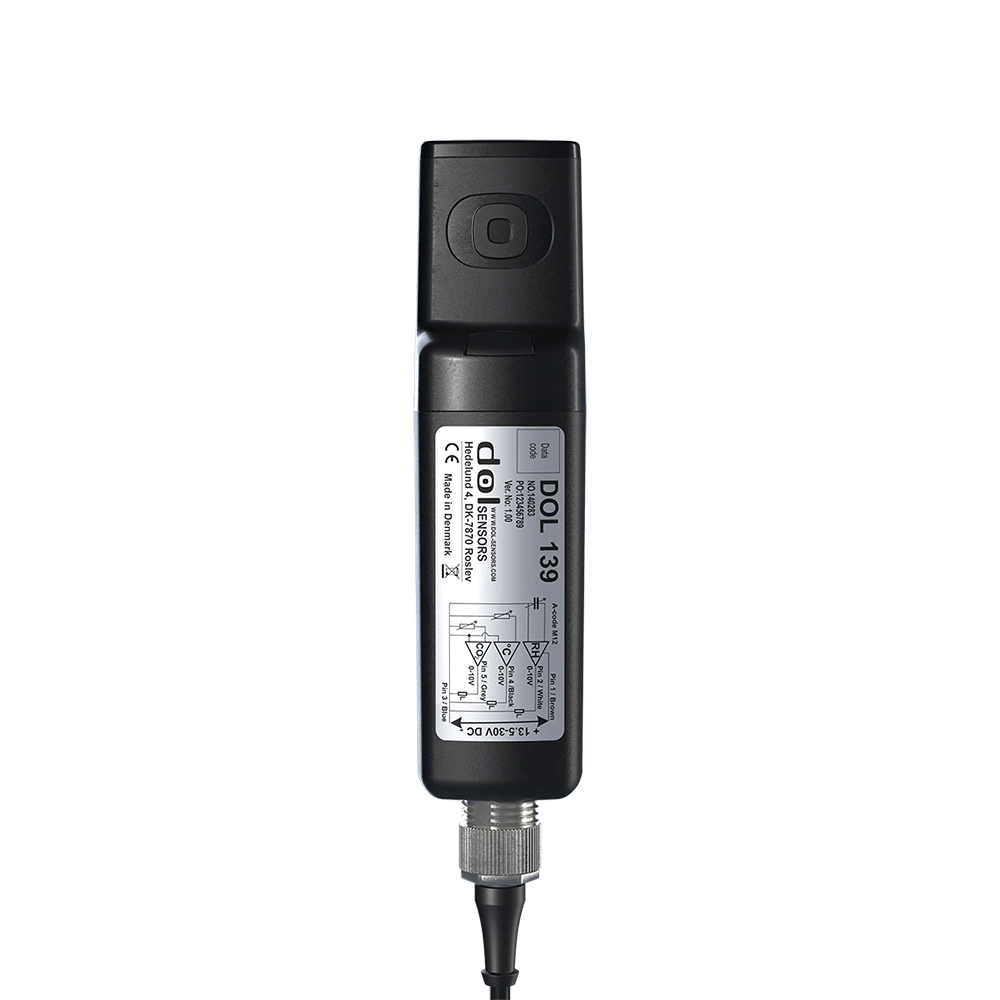
DOL 139 Humidity, Temperature and CO2 Sensor
English
Leaflet
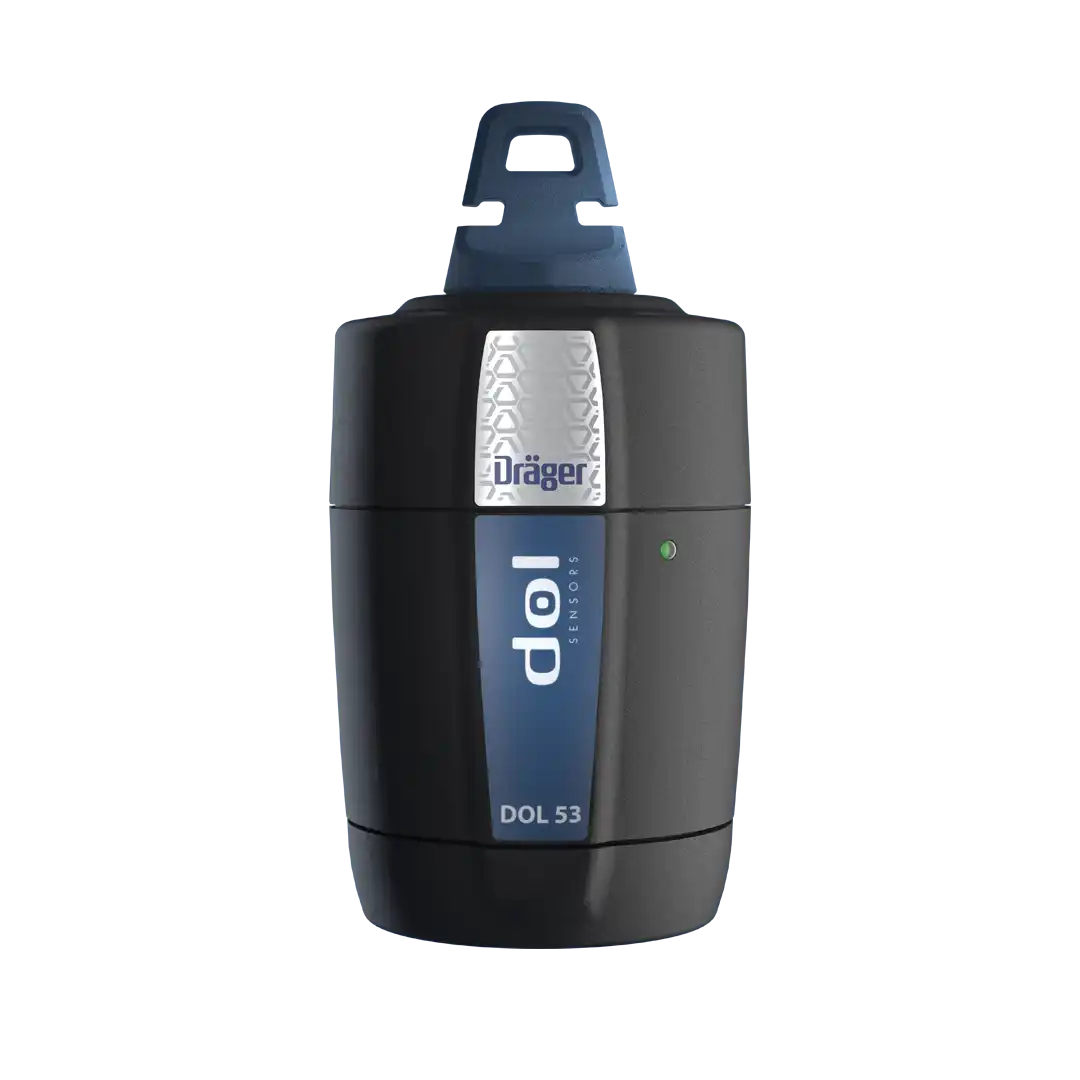
DOL 53 Ammonia Sensor_Onepager

Join our newsletter

Stay ahead in livestock production.

Join our newsletter and get industry insights, expert perspectives, and practical strategies for optimizing performance and efficiency.