CO₂ Management: Unlocking Higher Crop Performance

Why Accurate CO₂ Monitoring Matters

Many commercial growers supplement CO₂ to increase crop productivity. However, successful enrichment depends on precise measurements.

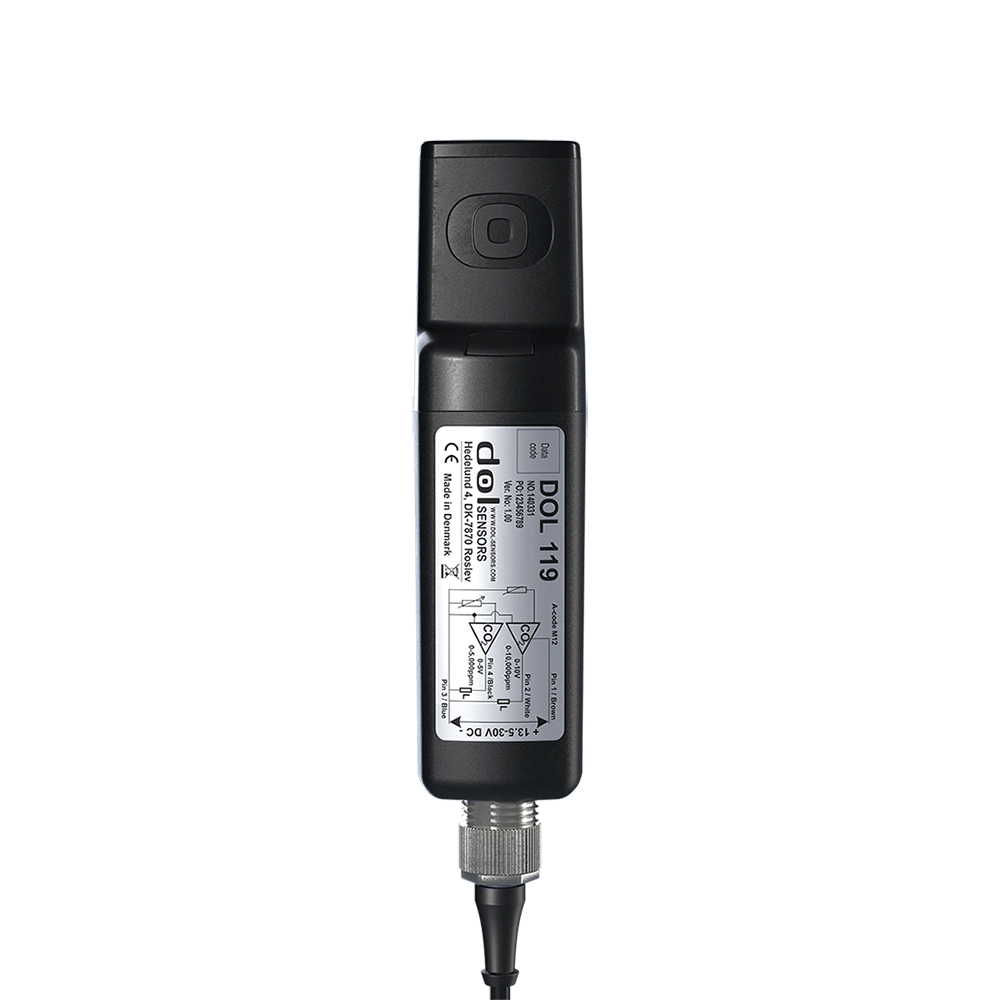
The DOL 119 CO₂ Sensor continuously monitors carbon dioxide concentrations, providing growers with accurate data to optimize enrichment strategies and avoid unnecessary CO₂ consumption. Reliable monitoring helps maintain optimal growing conditions while improving operational efficiency.

For growers seeking a complete climate monitoring solution, the DOL 139 Sensor combines CO₂ measurements with temperature and humidity monitoring in one unit. This allows climate control systems to evaluate multiple environmental factors simultaneously and make more intelligent adjustments.

A Competitive Advantage for Professional Growers

As horticultural operations become more sophisticated, precision climate management continues to differentiate successful growers from their competitors.

Reliable CO₂ monitoring provides the insights needed to optimize photosynthesis, improve crop quality, and maximize production potential throughout the growing season.

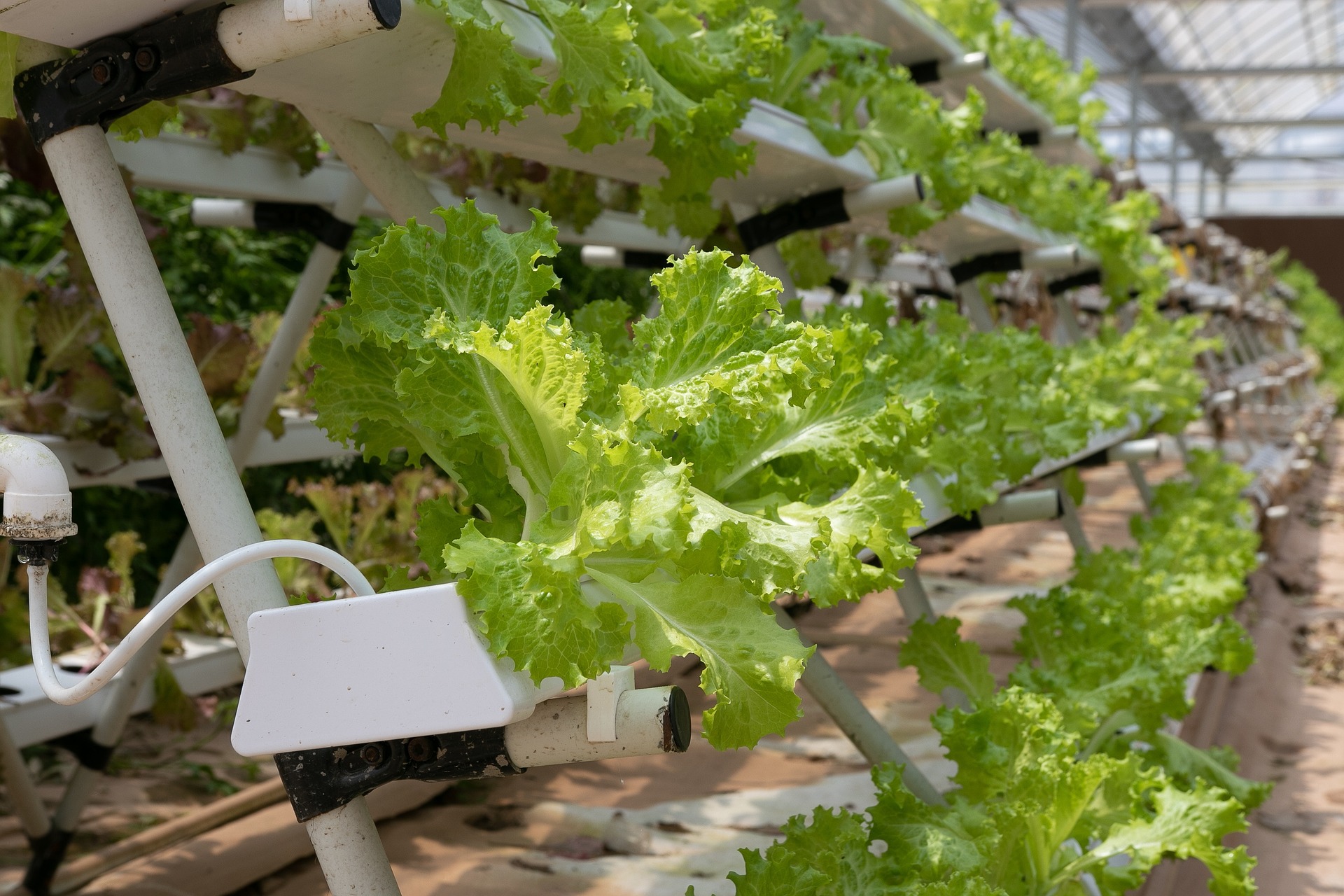
What is Automated Vertical Farming?
The automation aspect of the vertical farming technology allows for precise control over the growing environment, leading to higher crop yields and reduced need for human labor.

A Smarter Approach to Enrichment

Rather than operating enrichment systems on fixed schedules, growers can use sensor-based control to apply CO₂ when crops need it most. This improves growing consistency, reduces waste, and supports higher crop performance.

Supporting Sustainable Production

Sustainability is becoming increasingly important across the horticulture industry. Growers are under pressure to reduce resource consumption while maintaining production levels.

Accurate CO₂ monitoring helps support these objectives by ensuring enrichment systems operate only when needed. Rather than relying on fixed schedules, growers can use real-time measurements to adjust applications according to actual crop demand.

The result is improved growing efficiency, better resource utilization, and healthier crops.

→ Read: The Future of Livestock Production Is Data-driven

Automated Vertical Farming
Learn how continuous monitoring helps producers identify developing production challenges through changes in water consumption, growth performance and other key production indicators.

The Future of Sustainable Agriculture

As the population continues to grow, and the need for sustainable food production becomes increasingly urgent, automated vertical farming is an exciting and viable solution.

The automation aspect of the vertical farming technology allows for precise control over the growing environment, including temperature, humidity, and lighting, leading to higher crop yields and reduced need for human labor. Additionally, the lack of pesticides and the closed-loop system of the vertical farm means that produce grown in this way is often considered organic. The benefits of automated vertical farming include a reduced carbon footprint, increased food security, and the ability to grow crops year-round in a controlled environment. Accurate CO₂ monitoring is essential for maximizing crop growth and maintaining stable growing conditions. Learn more about agricultural CO₂ sensors.

What is Automated Vertical Farming?

Automated vertical farming is a method of growing crops in stacked layers using trays that are placed in a controlled environment. The vertical farm maximizes space and minimizes the use of water and other resources, allowing for higher crop yields with less waste.

Benefits of Automated Vertical Farming

The benefits of automated vertical farming are numerous. One of the most significant benefits is the reduced carbon footprint of the technology. Traditional farming methods require large amounts of land, water, and energy, but automated vertical farming uses significantly less of all of these resources.

Another benefit of automated vertical farming is increased food security. As the population continues to grow and urbanization expands, the demand for food will continue to increase. Automated vertical farming allows for the efficient production of food in urban environments, reducing the need to transport food long distances and increasing the availability of fresh produce.

In addition, the closed-loop system of the vertical farm means that produce grown in this way is often considered organic. With less need for pesticides, the food grown in automated vertical farms is often considered healthier and safer for consumption.

Finally, the ability to grow crops year-round in a controlled environment means that automated vertical farming can provide a reliable source of food no matter the season or weather.

Environmental Sensors
Learn how continuous monitoring helps producers identify developing production challenges through changes in water consumption, growth performance and other key production indicators.

5 Benefits of Environmental Sensors in Livestock Houses

An environmental sensor is a device that measures the environment around us. It can be used to monitor air quality, temperature, humidity, etc. In livestock houses environmental sensors or climate sensors are used to ensure an optimum environment.

Get Better Animal Welfare With a High Air Quality

There are several ways to use environmental sensors in livestock farming. One way is to use them to measure air quality by using a carbon dioxide sensor and an ammonia sensor. Connected to a controller and your farm management system these sensors will provide data for alarms or for starting the ventilation in the house.

CO2 and ammonia are both to blame for the animals not thriving optimally. To high levels of CO2 and ammonia causes problems with breathing, corrosion damage on feed and skin, as well as irritation of the mucous membranes in the eyes and mouth. The high levels reduce the air quality thus increasing mortality and reducing production.

You can measure the level of ammonia with the award-winning DOL 53 Ammonia Sensor and keep track of the CO2 level with the robust DOL 119 CO2 Sensor or the 3-in-1 sensor DOL 139 that measures humidity, temperature and CO2.

Climate Sensors Of The Future
Learn how continuous monitoring helps producers identify developing production challenges through changes in water consumption, growth performance and other key production indicators.

The demand for a more sustainable food production increases every year. To live up to this, food producers must keep enhancing their production and make sure that the animals have the best living conditions possible in order to avoid mortality, enhanced FCR, and poor meat quality. This calls for accurate real-time data.

Accurate Real-time Data

Constantly monitoring the climate in livestock houses is essential to create optimal animal welfare and the most efficient production. It is no longer enought to measure the temperature, humidity, CO2, and ammonia once in a while. Climate sensors of the future provide accurate real-time data allowing for more timely and effective decision-making, when it comes to managing the production, since the farmer or farm manager get an up-to-date picture of the production.

The Importance of Accurate Data

One of the key benefits of using climate sensors in poultry houses is that they can help prevent the spread of disease. Poultry are particularly susceptible to respiratory infections, which can be exacerbated by poor air quality. By monitoring the levels of carbon dioxide, ammonia, and humidity, you can make sure that the air inside the poultry house is fresh and free from harmful gases.

In a poultry production, the temperature and humidity play an important role during the entire life of the chicken from hatchery and hatching until they are sent to slaughter. Chickens are very sensitive to temperature changes. If it is too cold, the chickens might eat more and stick together to keep warm, meaning they produce more fat than meat due to the combination of high feed consumption and low movement. A low temperature might also cause egg laying problems.

Whether the data from the climate sensors is accurate or not has a huge impact on the production. As mentioned, temperature and humidity have a great effect on the production and animal welfare which makes it vital that the measurements are accurate. Accurate data can lead to less stress on birds and thus greater productivity.

Selected Sensors

Documents

English
Leaflet
DOL 119 One pager
English
Leaflet
Climate brochure Horticulture

Join our newsletter

Stay ahead in livestock production.

Join our newsletter and get industry insights, expert perspectives, and practical strategies for optimizing performance and efficiency.