
Maintaining the right climate is one of the most critical factors in efficient pig production. Pigs are highly sensitive to changes in temperature, humidity, and air quality. Any imbalance can lead to heat stress, poor feed conversion, increased disease risk, and reduced growth rates. Automated climate and ventilation systems are transforming how farmers manage these challenges — ensuring healthier animals, greater efficiency, and higher profits.
Optimal climate control directly influences animal welfare and performance. Pigs cannot sweat, so managing heat and humidity within their environment is essential. Poor air quality caused by excess ammonia, carbon dioxide, or dust can also impact respiratory health and feed intake. Manual monitoring and adjustments can be time-consuming and inconsistent, especially in large-scale operations.
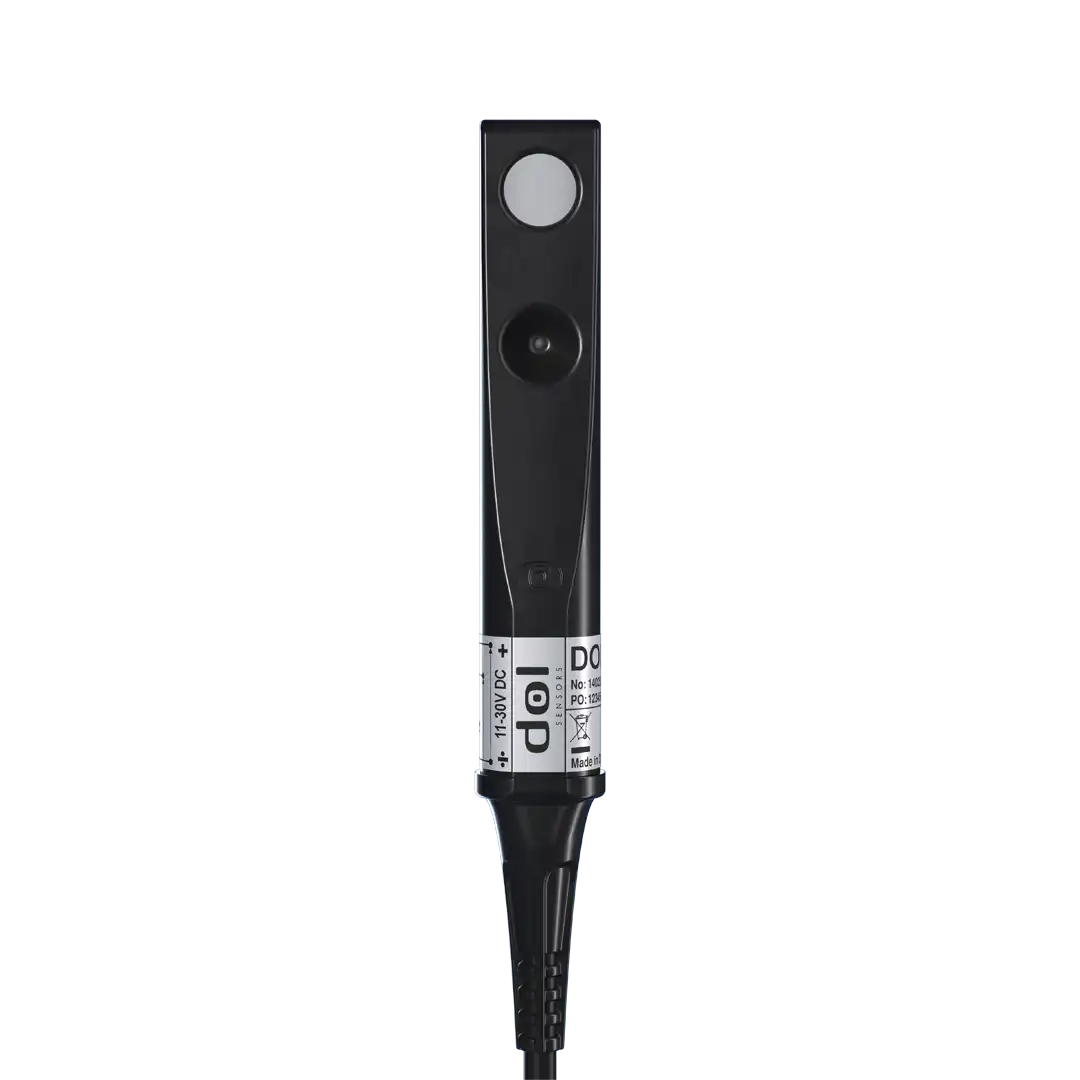
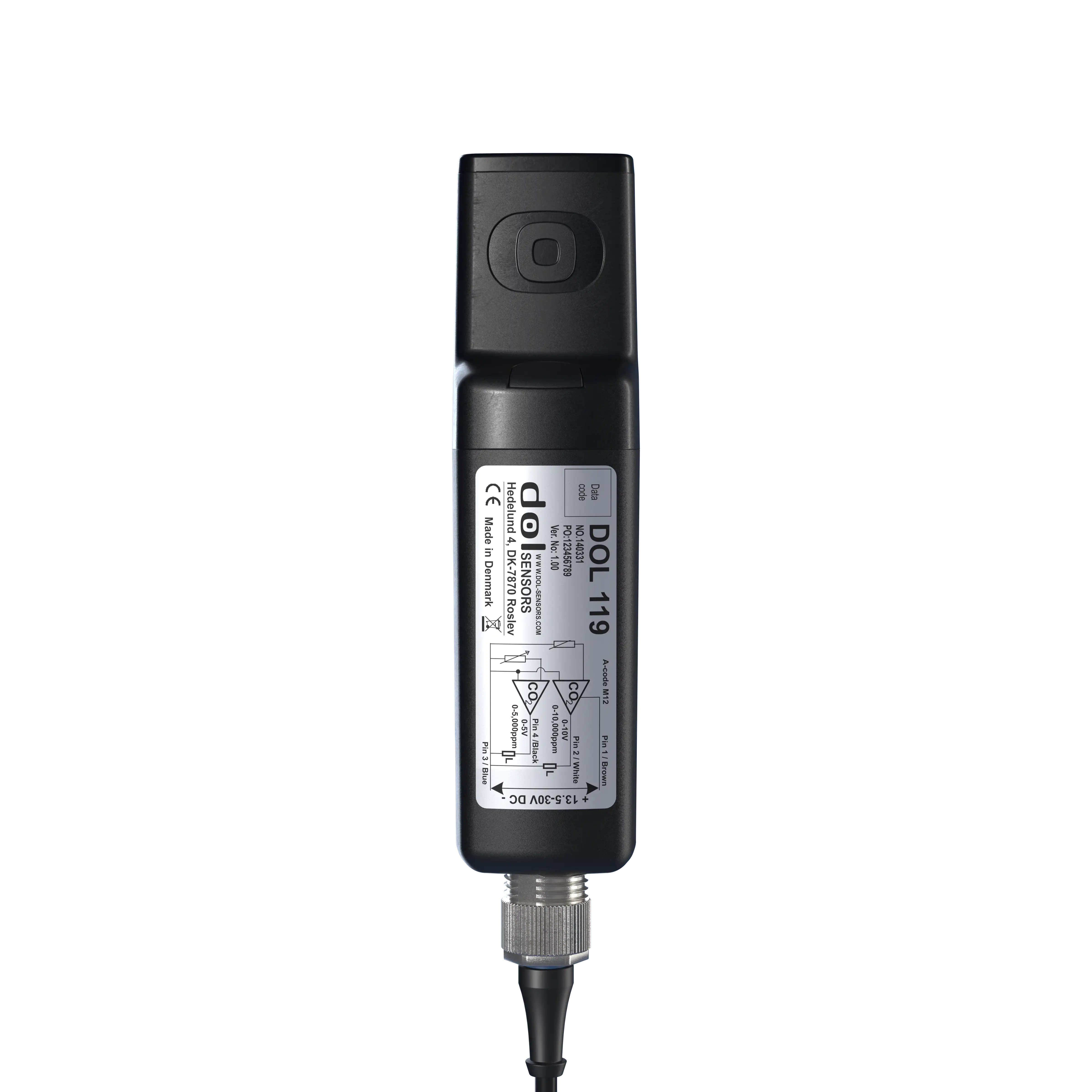
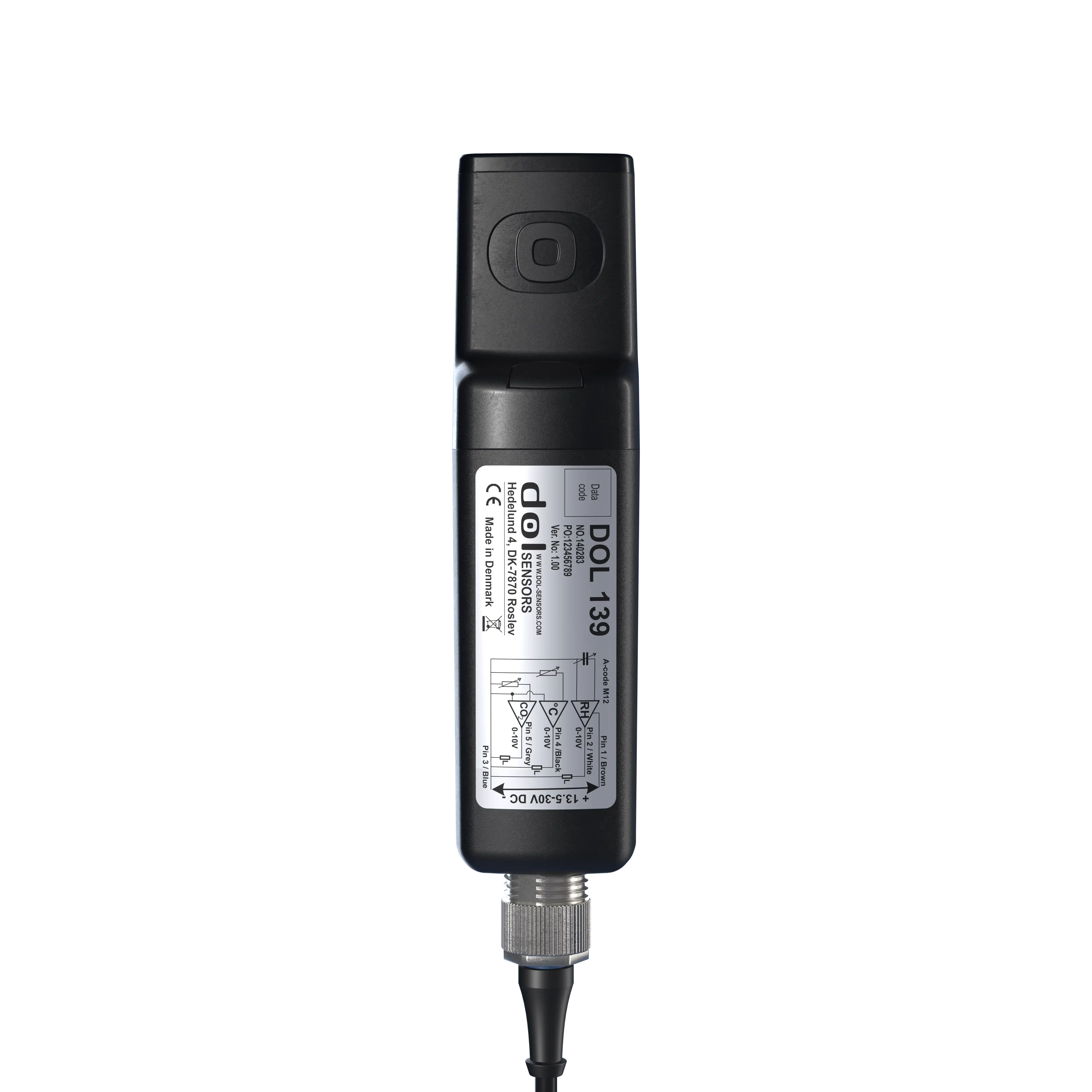
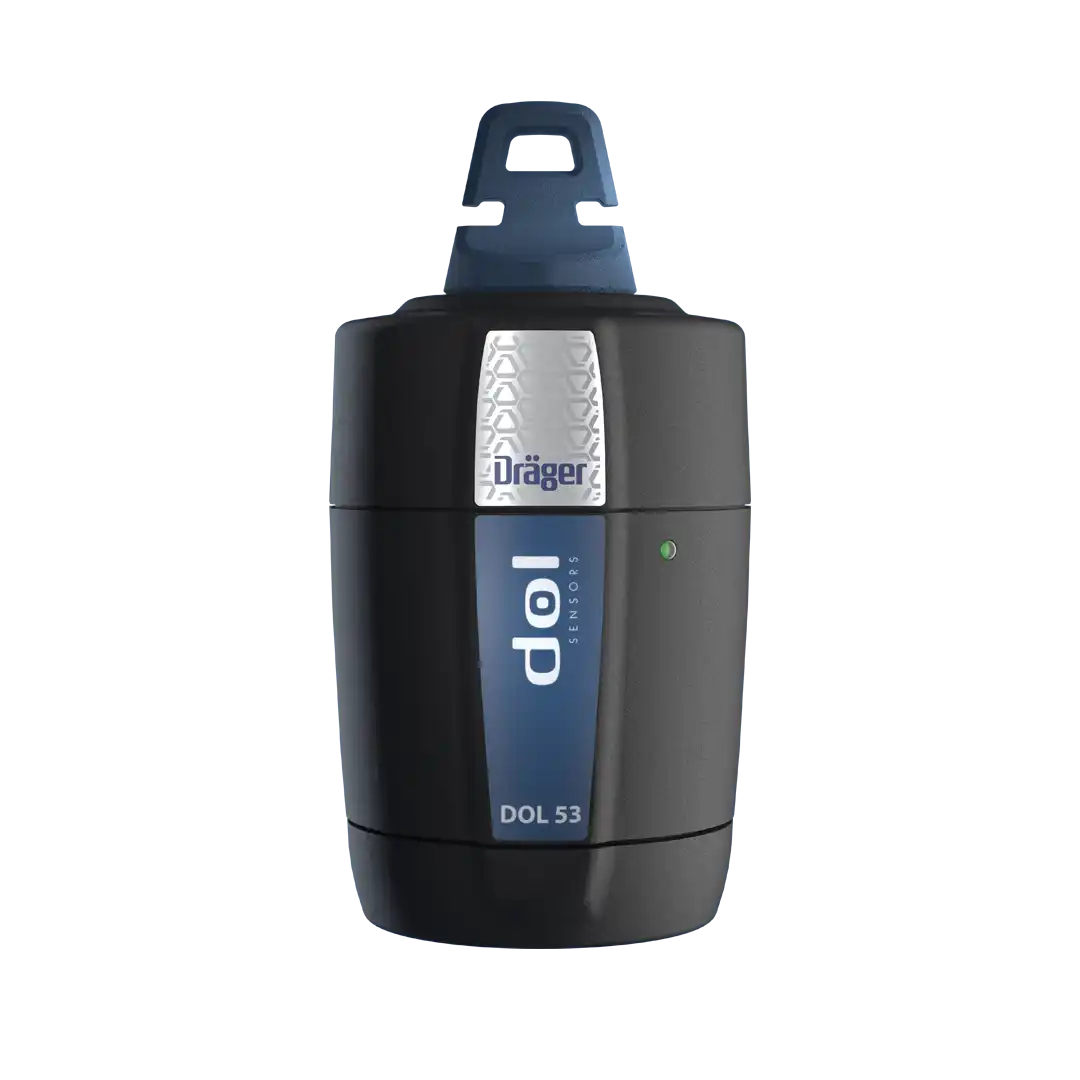
Automated systems solve this by continuously monitoring environmental factors such as:
By automatically adjusting fans, heaters, and inlets, these systems keep conditions stable around the clock.
Modern automation uses smart sensors and algorithms to minimize unnecessary energy use. For example, fans and heaters only operate when needed, reducing electricity and fuel consumption. This leads to significant energy savings over time.
When pigs are comfortable, they eat more consistently and convert feed into growth more effectively. Stable temperatures and fresh air prevent heat stress and respiratory issues that can reduce appetite and performance.
Automated climate systems help prevent sudden changes that can cause stress or illness. Consistent air exchange lowers disease pressure by removing pathogens, dust, and moisture from the air — improving overall herd health.
Automation reduces the need for manual monitoring and adjustments. Farmers can manage multiple barns from a central dashboard or even remotely through mobile apps, allowing more time for strategic management tasks.
While initial installation requires investment, the long-term savings from reduced energy use, lower mortality, and better feed conversion quickly offset the cost. Many producers see a clear return on investment within a few years.
Automated climate management not only improves productivity but also supports animal welfare standards. Consistent comfort means less stress, better growth, and improved reproductive performance. Furthermore, efficient energy use and reduced waste align with sustainability goals — an increasingly important aspect of modern livestock production.