Bird flu, also known as avian influenza, is a viral infection that can significantly affect poultry farms and other bird populations. Implementing robust biosecurity measures is crucial in protecting your birds from this disease. Here’s a comprehensive guide on how to enhance your biosecurity practices.
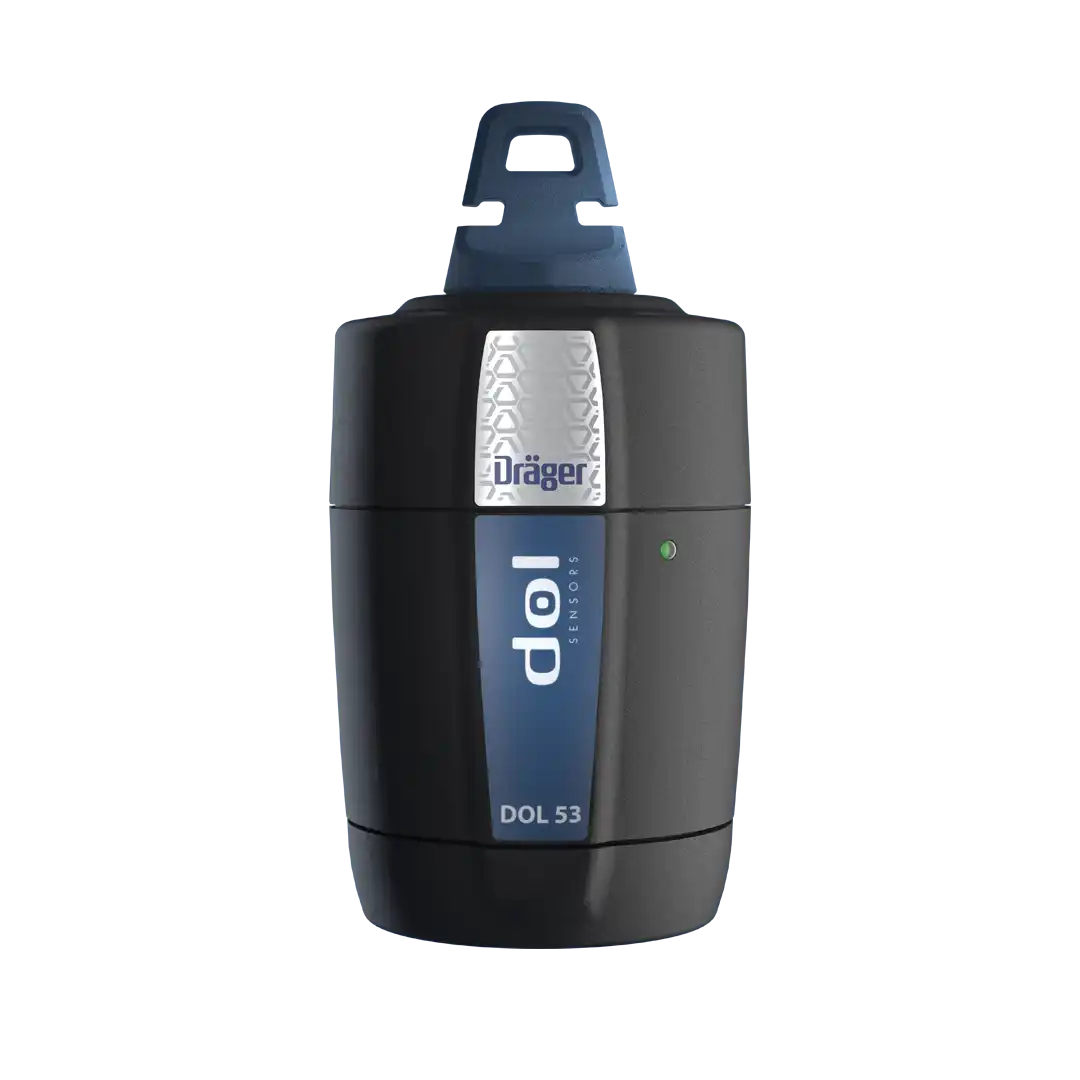
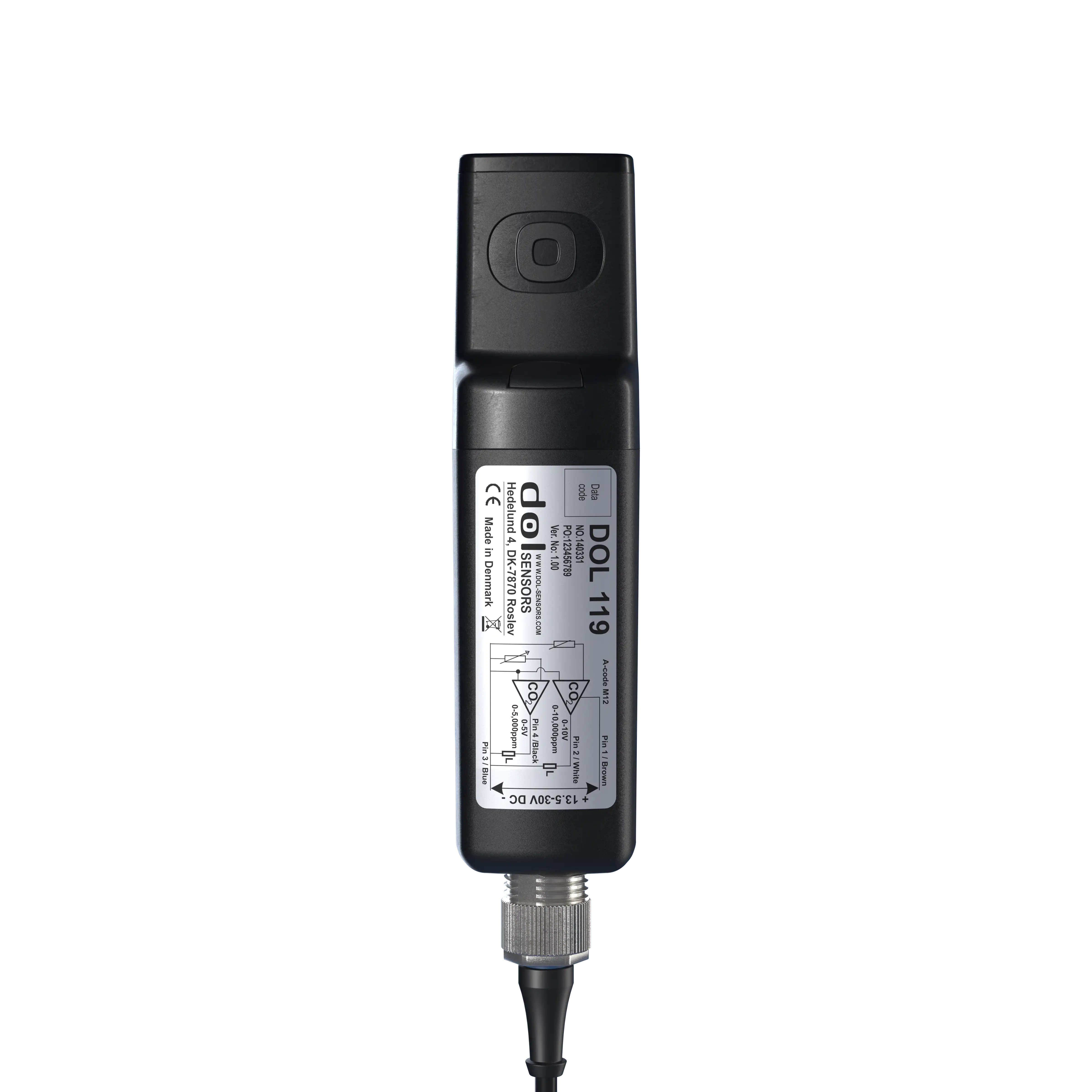
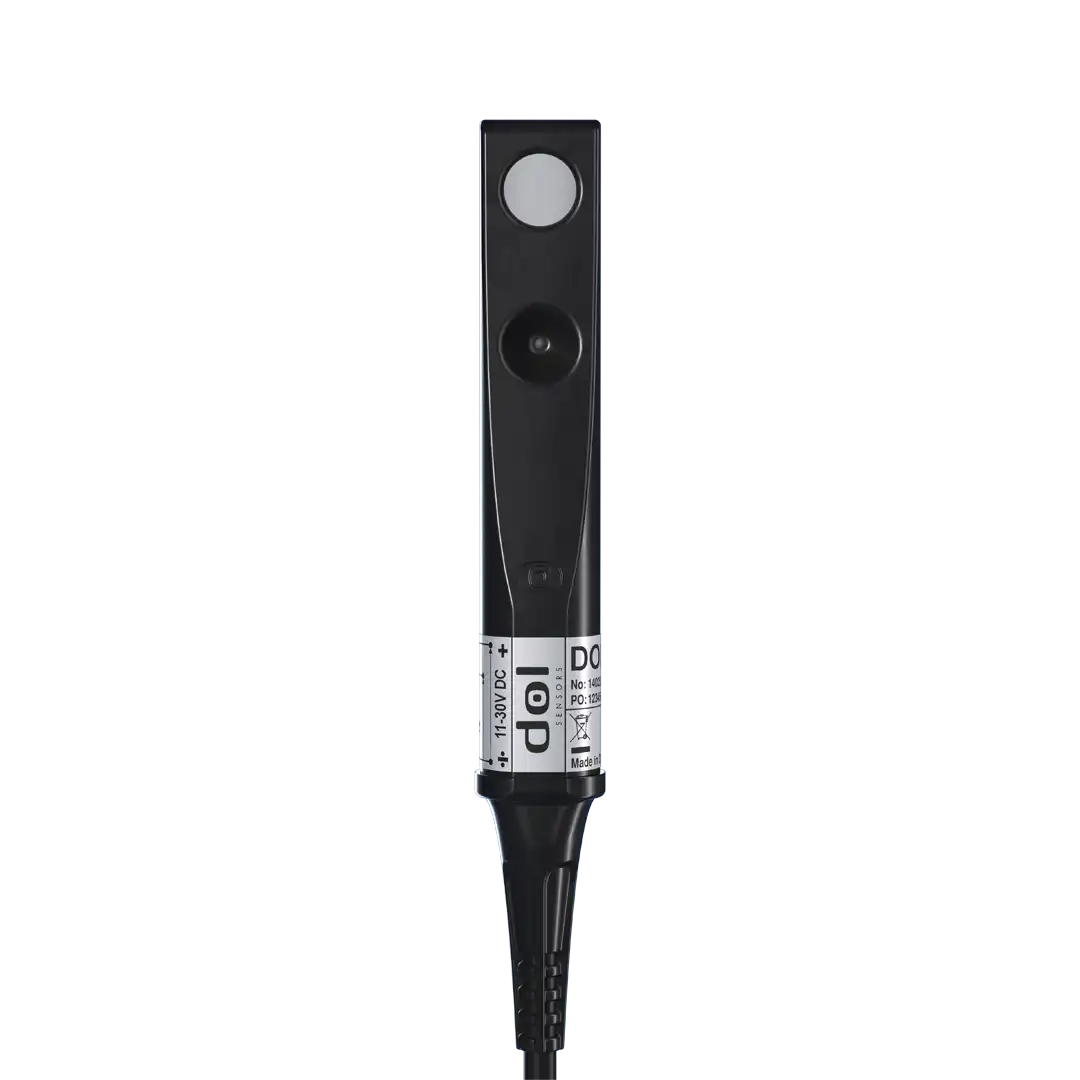
Creating and maintaining an optimum environment for your birds is one of the crucial factors in preventing the spread of bird flu. This includes regulating temperature, humidity, CO2 level and the level of ammonia within the poultry house. An ideal environment not only keeps your birds healthy and stress-free but also reduces the likelihood of viral infections taking hold.
En optimum light plan can keep your birds stress-free as well and ensure better animal welfare.
One of the primary steps in safeguarding your birds against bird flu is thorough disinfection of the livestock house between flocks. This involves cleaning and disinfecting all surfaces, equipment, and areas where birds are housed. It’s important to use approved disinfectants and follow the recommended guidelines for effective disinfection.
The primary techniques for disinfecting poultry houses with chemical agents include spraying, foaming, and thermo-misting. It’s important to adhere to a systematic approach during the disinfection process to guarantee comprehensive coverage of all areas, equipment, and materials in the barns.
Wild birds are often carriers of the bird flu virus. Therefore, preventing their entry into your livestock house is essential. This can be achieved by securing the poultry house with bird-proof netting, maintaining strict access controls, and ensuring that feed and water sources are not accessible to wild birds. Regular checks for breaches or gaps in the structure are also important to keep wild birds at bay.
Using disposable boot covers and coveralls can significantly reduce the risk of bringing contaminants into the bird environment. These should be worn by anyone who enters the livestock house, including workers, visitors, and veterinarians. It’s crucial to dispose of these covers and coveralls properly after each use to prevent the spread of the virus.
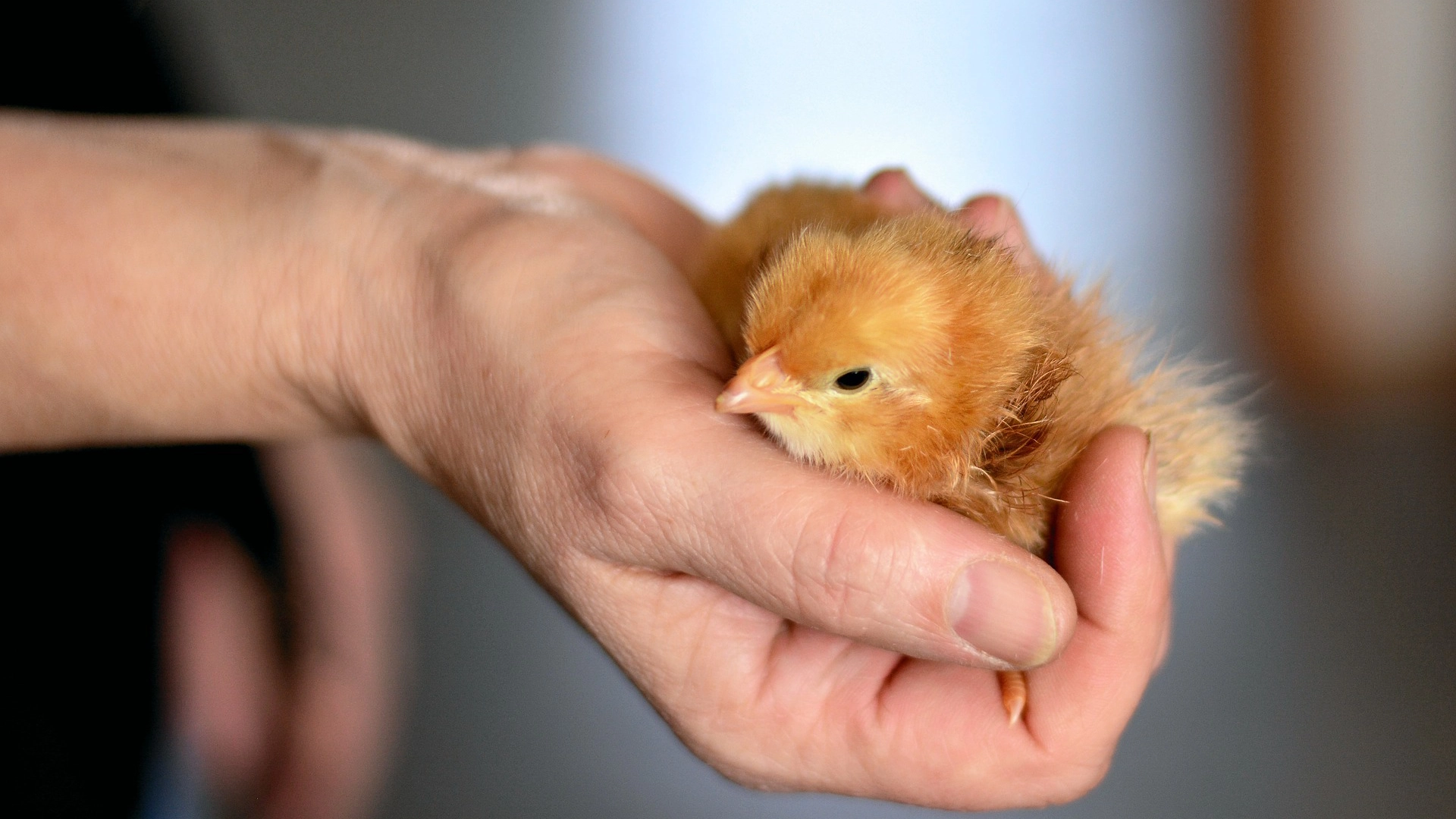
Regular inspection of your birds is vital in early detection and management of bird flu. Look out for signs of illness, such as respiratory distress, reduced egg production, or unexplained deaths. Early detection can lead to quicker isolation and treatment of affected birds, reducing the spread of the virus. It’s also important to keep records of any signs of illness and report them to the relevant veterinary authorities.