
Energy might be one of the largest operating costs in poultry farming, and with rising prices and increasing sustainability demands, producers are under growing pressure to reduce consumption. Fortunately, there are several effective ways to save energy without compromising animal welfare or production results. In fact, smart energy management often leads to healthier flocks and improved profitability.
Heating, cooling, and ventilation are among the biggest energy users in a poultry house. By investing in automated climate control, producers can ensure that fans, heaters, and inlets work together efficiently. Modern systems adjust ventilation to the flock’s needs in real time, preventing unnecessary energy use while keeping conditions stable.
A poorly insulated or leaky poultry house wastes energy. Insulating walls, ceilings, and floors, along with properly sealing doors, windows, and ventilation flaps, helps maintain the desired climate with less heating or cooling. Even small improvements in insulation can result in significant long-term savings.
Lighting accounts for a considerable share of electricity use. Switching to LED lighting tailored for poultry not only reduces power consumption but also provides the correct light intensity and spectrum for bird welfare and productivity. Timers and dimming systems further optimize energy use.
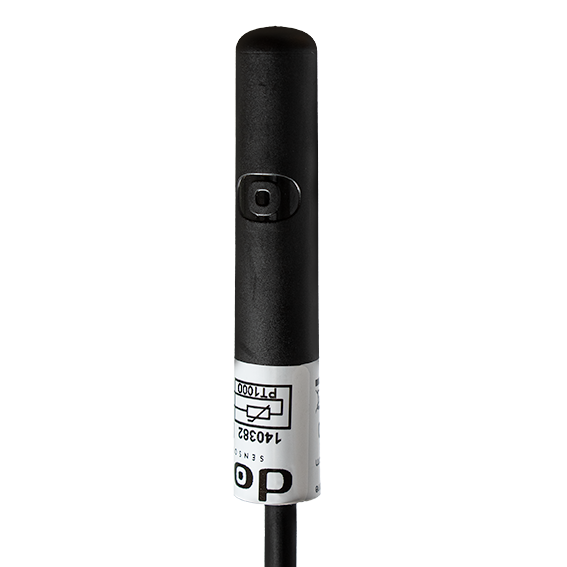
Fans, heaters, and motors that are not well maintained often consume more energy than necessary. Regular maintenance, cleaning, and timely replacement of worn parts keep equipment running efficiently. Installing sensors to monitor performance can also highlight areas where energy is being wasted.
Where possible, renewable energy sources such as solar panels or biomass heating can reduce dependence on fossil fuels and lower long-term energy costs. Many farms are already benefiting from on-site renewable solutions that provide stable and predictable energy supply.
Reducing energy use is not only about lowering costs—it also improves sustainability and helps poultry producers stay competitive in a changing market. By combining better climate control, efficient equipment, and smart management practices, farms can achieve substantial energy savings while supporting healthier flocks and more efficient production.