通过更好的气候控制和监测最大限度地提高谷仓效率

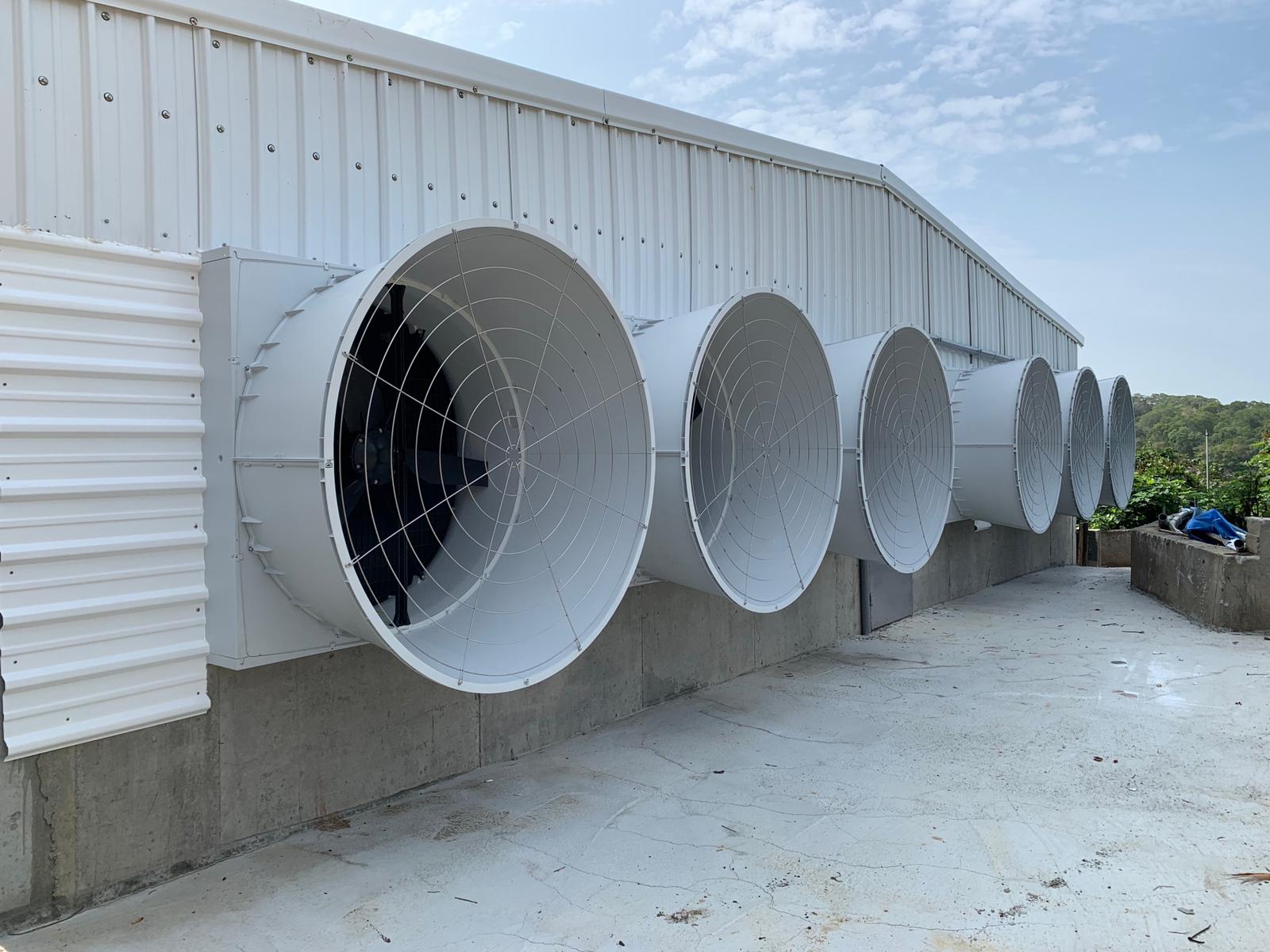
高效的家禽生产不仅取决于良好的遗传和营养,谷仓气候在鸟类舒适度、性能和能源使用方面起着核心作用。供暖和通风系统是家禽舍中最耗能的组成部分之一。改善牛舍管理空气、热量和压力的方式可以显著减少浪费,同时支持更强的羊群成绩。

密封良好的谷仓可保护能量和性能

漏气是最大的隐性热损失来源之一。当谷仓密封不良时,冷空气会不受控制地进入,迫使加热器更加努力地工作,破坏气流模式。

  • 简单的负压测试有助于识别建筑围护结构中的泄漏和薄弱环节。
  • 适当的密封可确保进入的空气通过设计的入口进入,而不是裂缝或间隙进入。
  • 受控的进气可以改善混合,减少鸟类水平的气流,并稳定温度。

密闭的谷仓是高效通风的基础,也是任何气候策略都能按预期发挥作用的基础。

通风效率始于适当的气流

通风对于在提供新鲜氧气的同时去除水分、二氧化碳和氨至关重要。但是,只有当谷仓密封且入口按设计运行时,气流才能正常工作。

  • 红外成像显示,冷空气应如何通过通风口进入,并在穿过天花板时逐渐升温,然后下降到鸟区。
  • 当气流正常时,温度分布会变得更加均匀。减少冷点,提高鸟类舒适度。
  • 适当的入口管理可防止热量流失,减少湿度积聚,并支持干燥的垃圾。

跟踪不同区域温度、湿度和空气质量的传感器可帮助生产商验证气流是否符合预期。

Optimize Barn Efficiency
Continuous climate monitoring helps improve ventilation, reduce energy waste, and support flock performance.

智能供暖策略在不牺牲舒适度的前提下降低成本

取暖是家禽生产中最大的能源支出之一,尤其是在较冷的气候下。但是,由于空气分布不良或压力设置不正确,许多谷仓会不必要地散失热量。

  • 确保温暖的空气分布均匀可防止鸟类聚集并减少性能差异。
  • 监控温度梯度有助于识别热量逸出或无法有效到达的区域。
  • 根据实时传感器数据调整通风速率可防止过度通风,从而浪费热量。

平衡热量和气流是关键:通风过少会损害空气质量,而过多的通风会增加能源消耗。

使用数据维持最佳气候

现代谷仓会生成宝贵的环境数据,包括温度、湿度、二氧化碳、氨气和气流模式。当持续监控这些信息时,生产商可以在微小偏差变成代价高昂的问题之前做出反应。

  • 及早发现二氧化碳或湿度的上升有助于确保适当的空气混合和压力平衡。
  • 长期数据趋势揭示了季节性模式和节能机会。

数据驱动的方法将气候控制从被动任务转变为主动管理工具。

回报:更好的福利、更低的成本、更可预测的结果

高效的谷仓不仅可以节省能源,还可以创造更稳定的环境,使鸟类可以均匀生长,保持健康,并更有效地转化饲料。通过将良好的建筑维护与持续的气候监测相结合,生产商可以:

  • 减少热量损失和能量浪费
  • 改善空气质量和垃圾状况
  • 保持整个谷仓的温度稳定
  • 支持更强的羊群表现和福利
Ammonia Sensor Poultry
Learn how continuous monitoring helps producers identify developing production challenges through changes in water consumption, growth performance and other key production indicators.

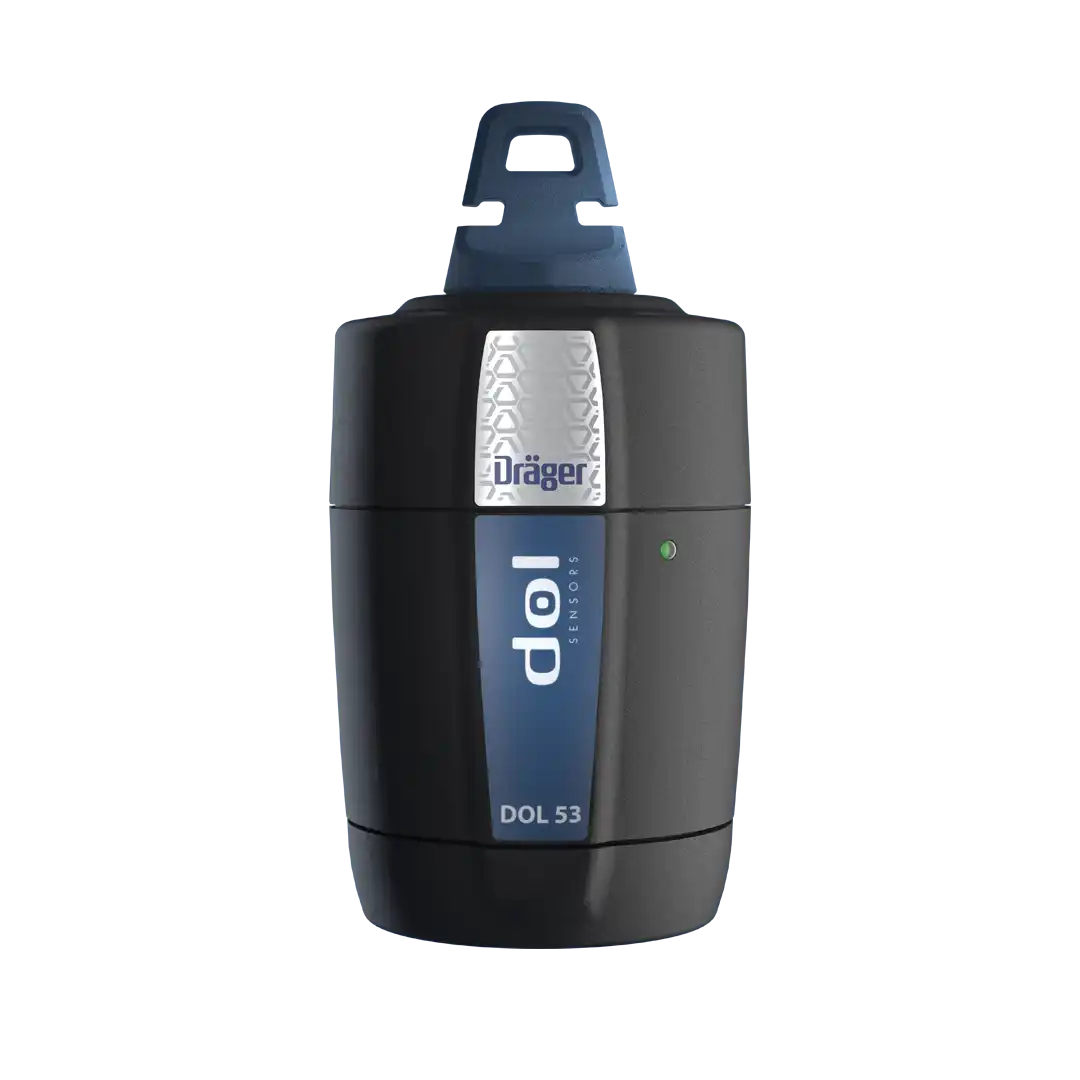
Ammonia Sensor for Poultry

Ammonia is one of the most common causes of low animal welfare in chicken farms. It is also a major cause of respiratory problems, sores on feet and breasts as well as lower gain.

What is Ammonia?

Ammonia is a chemical compound between the elements nitrogen (N) and hydrogen (H), and has the formula NH3. The substance is found everywhere in nature and occurs naturally in manure and urine.

The smell of ammonia is known, among other things, from the pungent smell of manure or in the environment of a chicken farm.

Ammonia is formed in humans and animals by the breakdown of proteins (albumin) from the diet, or in connection with the ongoing remodeling of all tissues in the body. A part is also formed in the intestine from the breakdown of proteins and other nitrogenous compounds by bacteria.

Ammonia in Poultry Houses

In poultry houses ammonia is a byproducts of manure. When nitrogen compounds are decomposed the result is formation of ammonia (NH3+) and ammonium (NH4-). Ammonia is lighter than air and therefor it floats into the air causing respiration problems and bad smell. Ammonia formation is nurtured by low pH in the litter, high temperatures, and high humidity inside the poultry house.

家禽的自动气候和通风
Learn how continuous monitoring helps producers identify developing production challenges through changes in water consumption, growth performance and other key production indicators.

气候管理是成功生产家禽的最决定性因素之一。家禽对环境极其敏感,尤其是温度、空气质量和气流。由于鸟类的新陈代谢率高,调节体温的能力有限,即使与最佳条件的微小偏差也会很快导致热应激、饲料摄入量减少、生长不佳、死亡率升高和羊群表现不均衡。自动气候和通风系统在维持稳定的条件和支持高效的现代家禽生产方面起着至关重要的作用。

为什么气候控制对家禽舍至关重要

与哺乳动物不同,家禽不会出汗。它们主要通过呼吸和行为来调节体温,因此高度依赖通风和空气流动。气候控制不当可能导致:

  • 温暖时期的热应激
  • 寒冷条件下会出现寒冷和生长不均衡
  • 由于吸湿性差导致的潮湿垃圾
  • 氨含量升高会损害呼吸系统健康和脚垫

高放养密度进一步提高了热量和湿气的产生,尤其是在肉鸡舍中。手动气候调整通常过于缓慢且不精确,无法应对鸟龄、体重或外部天气条件的快速变化。

自动化系统持续监控和调节关键环境参数,例如:

  • 温度和相对湿度
  • 氨气和二氧化碳水平
  • 空气速度和压力
  • 外部气候条件

根据实时数据,自动调整通风率、加热、冷却和进气口,以满足鸟类在每个生产阶段的需求。

Avoid High Mortality In Poultry Production
Learn how continuous monitoring helps producers identify developing production challenges through changes in water consumption, growth performance and other key production indicators.

One of the most concerning challenges faced by poultry producers is high mortality rates, which not only affect profits but also indicate underlying issues in management, disease control, and environmental conditions. However, with proper planning, management, and proactive measures, it’s possible to mitigate mortality rates and sustain a healthy poultry operation.

Adequate Ventilation

Create a comfortable and stress-free environment for your poultry by providing well-ventilated housing that protects them from extreme weather conditions. Proper ventilation helps remove excess moisture, CO2, and ammonia from the air, reducing the risk of respiratory diseases.

Exposure to excessive heat or cold stress can weaken the immune system, making birds more susceptible to diseases and increasing mortality rates. Thus, adequate ventilation is vital to ensure the right temperature in the poultry house.

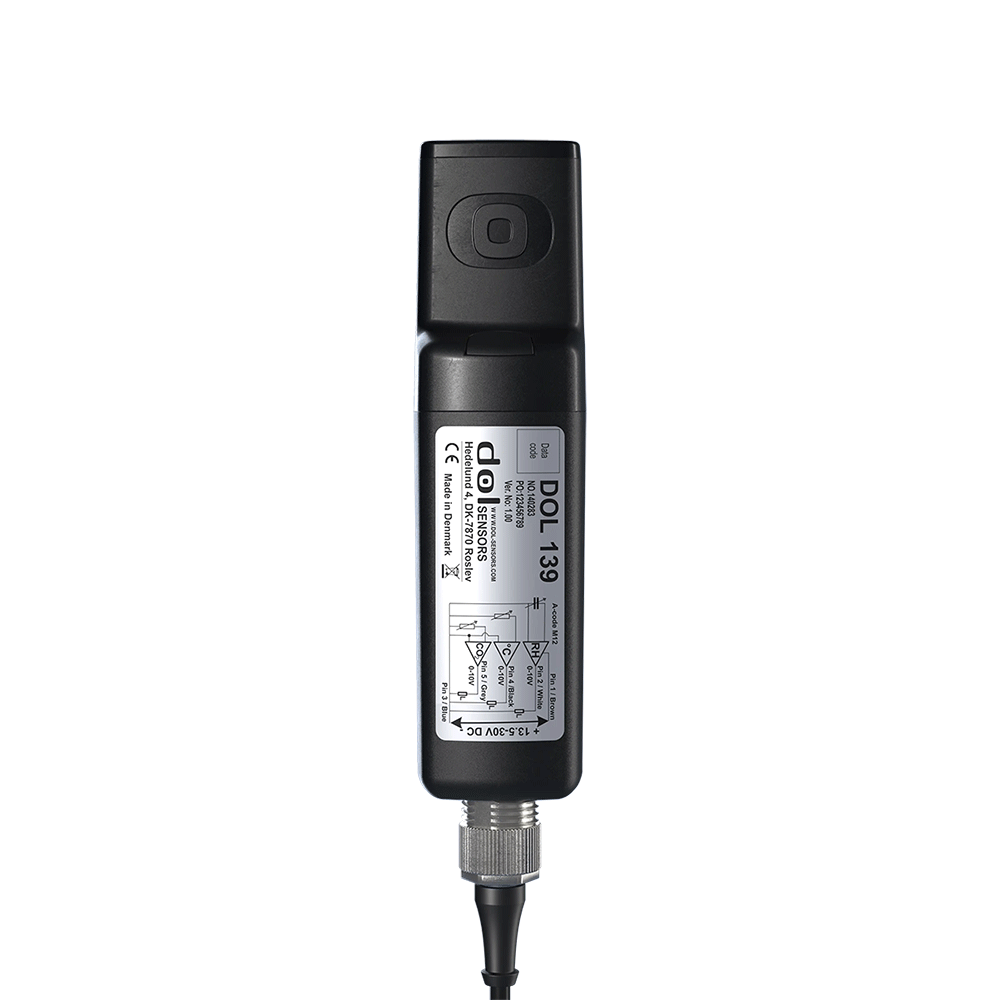
Climate sensors provide your ventilation system with data on humidity, CO2, and ammonia levels ad well as the temperature in different reas of the house.

Selected Sensors

Documents

English
Leaflet
DOL 139 Humidity, Temperature and CO2 Sensor
English
Leaflet
DOL 53 Ammonia Sensor_Onepager

Join our newsletter

Stay ahead in livestock production.

Join our newsletter and get industry insights, expert perspectives, and practical strategies for optimizing performance and efficiency.