
Smart Heating Strategies Reduce Costs Without Sacrificing Comfort
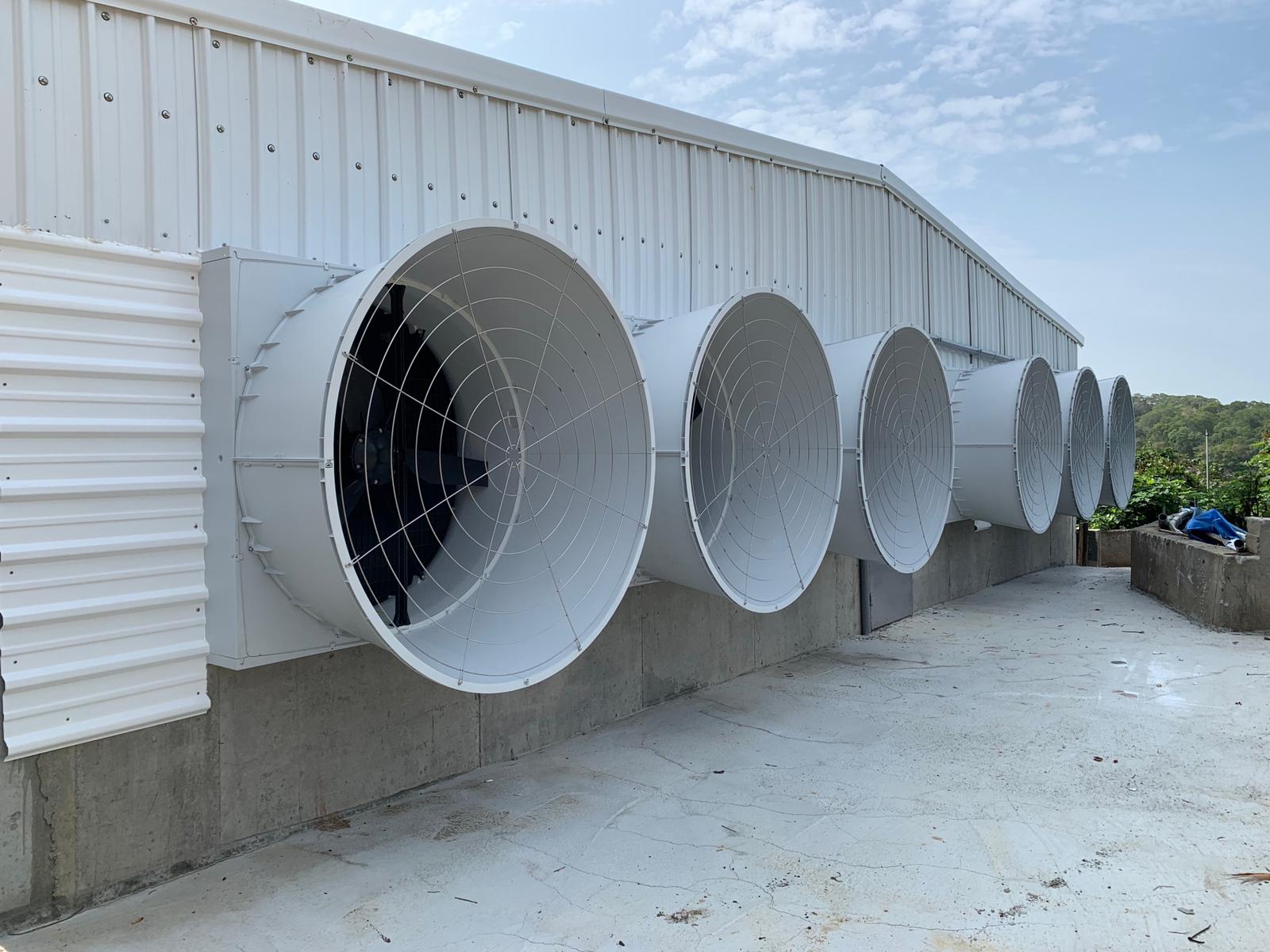
Heating is one of the largest energy expenses in poultry production, especially in colder climates. But many barns lose heat unnecessarily due to poor air distribution or incorrect pressure settings.
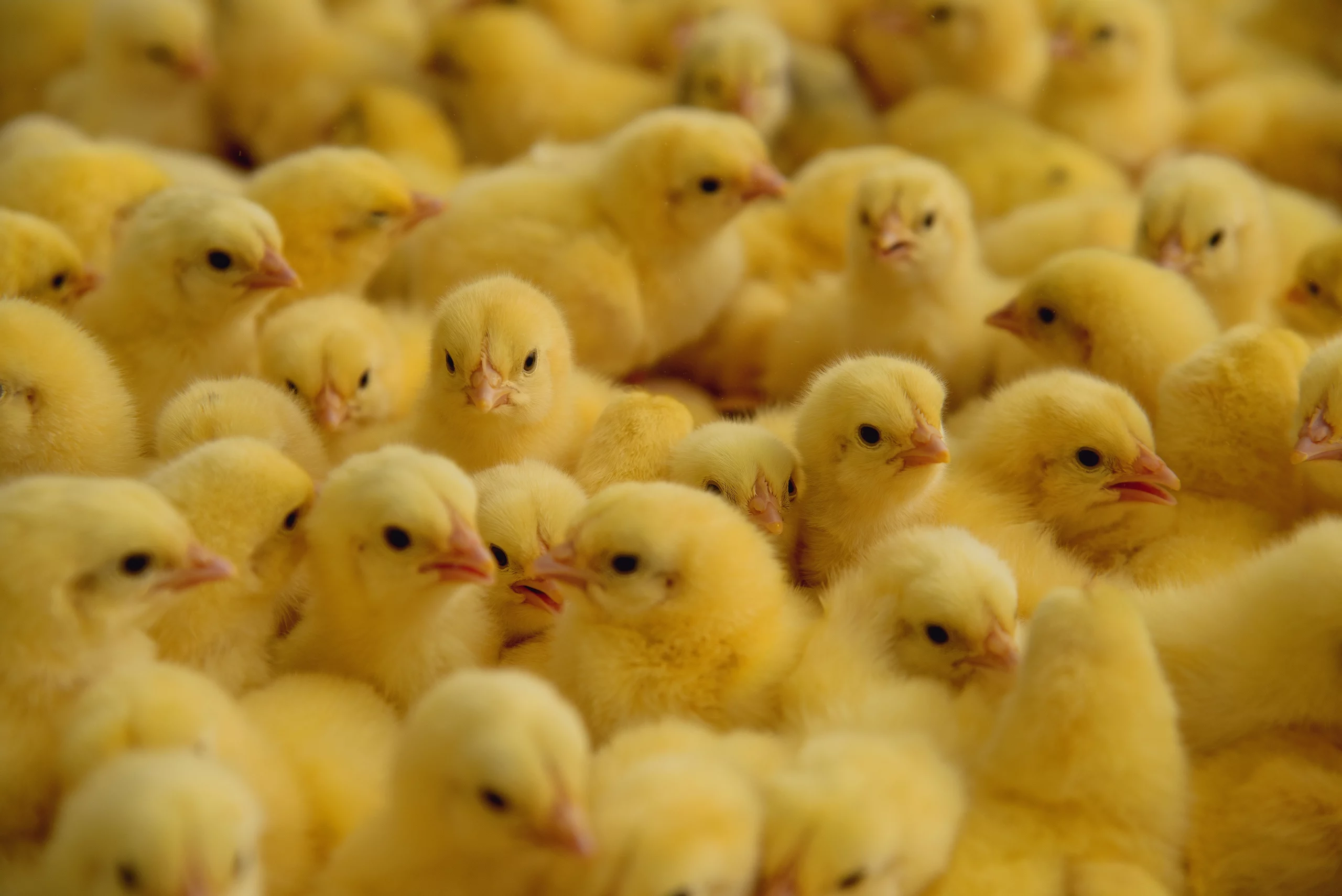
- Ensuring that warm air is evenly distributed prevents birds from clustering and reduces performance variation.
- Monitoring temperature gradients helps identify areas where heat is escaping or not reaching effectively.
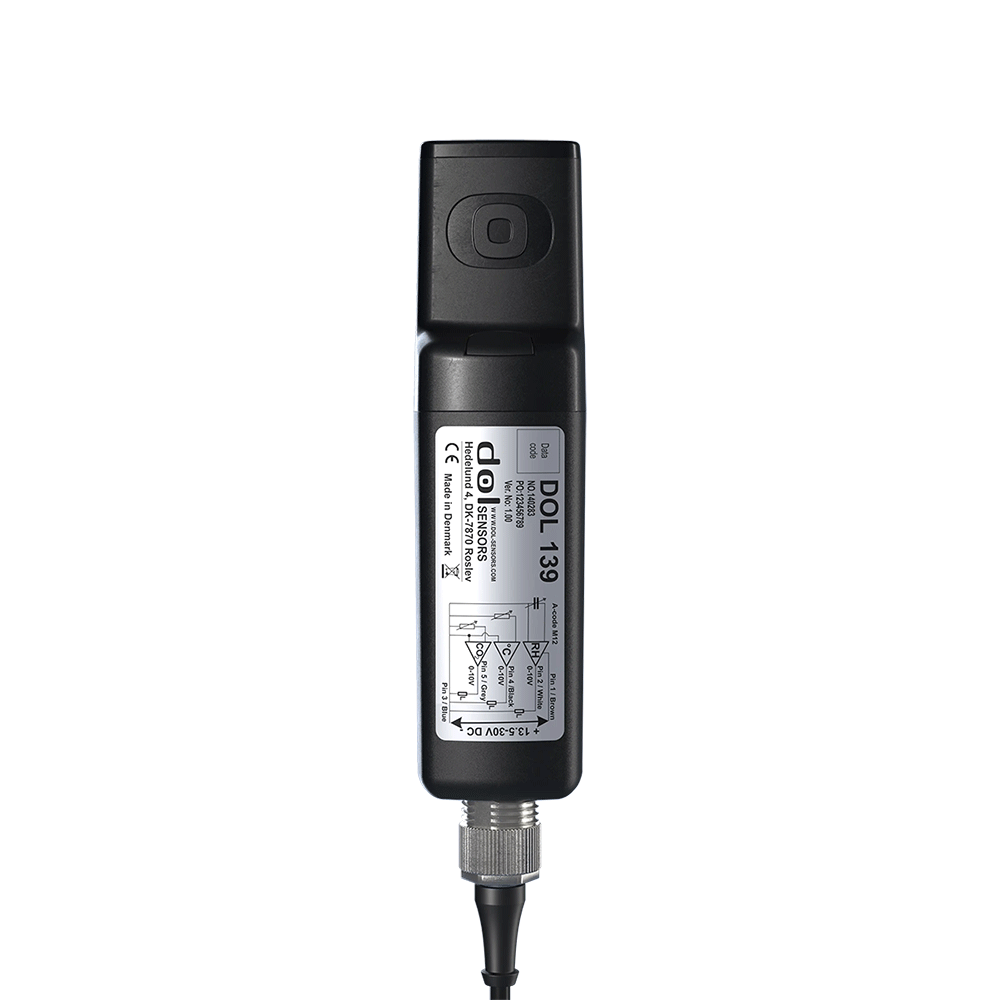
- Adjusting ventilation rates based on real-time sensors data prevents over-ventilation, which wastes heat.
Balancing heat and airflow is key: too little ventilation harms air quality, while too much ventilation drives up energy use.
Using Data to Maintain an Optimal Climate
Modern barns generate valuable environmental data - temperature, humidity, CO₂, ammonia, and airflow patterns. When this information is monitored continuously, producers can react before small deviations become costly problems.
- Early detection of rising CO₂, or humidity helps ensure proper air mixing and pressure balance.
- Long-term data trends reveal seasonal patterns and opportunities for energy savings.
A data-driven approach turns climate control from a reactive task into a proactive management tool.
The Payoff: Better Welfare, Lower Costs, More Predictable Results
Efficient barns don't just save energy - they create more stable environments where birds grow evenly, stay healthier, and convert feed more effectively. By combining good building maintenance with continuous climate monitoring, producers can:
- Reduce heat loss and energy waste
- Improve air quality and litter conditions
- Maintain consistent temperature across the barn
- Support stronger flock performance and welfare