How Poultry Perceive Light

How Poultry Perceive Light: A Hidden World of Vision and Biology

Light is one of the most powerful regulators of life. For poultry, it is more than just a way to see—it shapes their physiology, behavior, and productivity. Unlike humans, who mainly rely on vision through their eyes, poultry experience light in a surprisingly complex way, involving not only their eyes but also special light-sensitive structures deep within their brains.

A Vision Beyond Ours

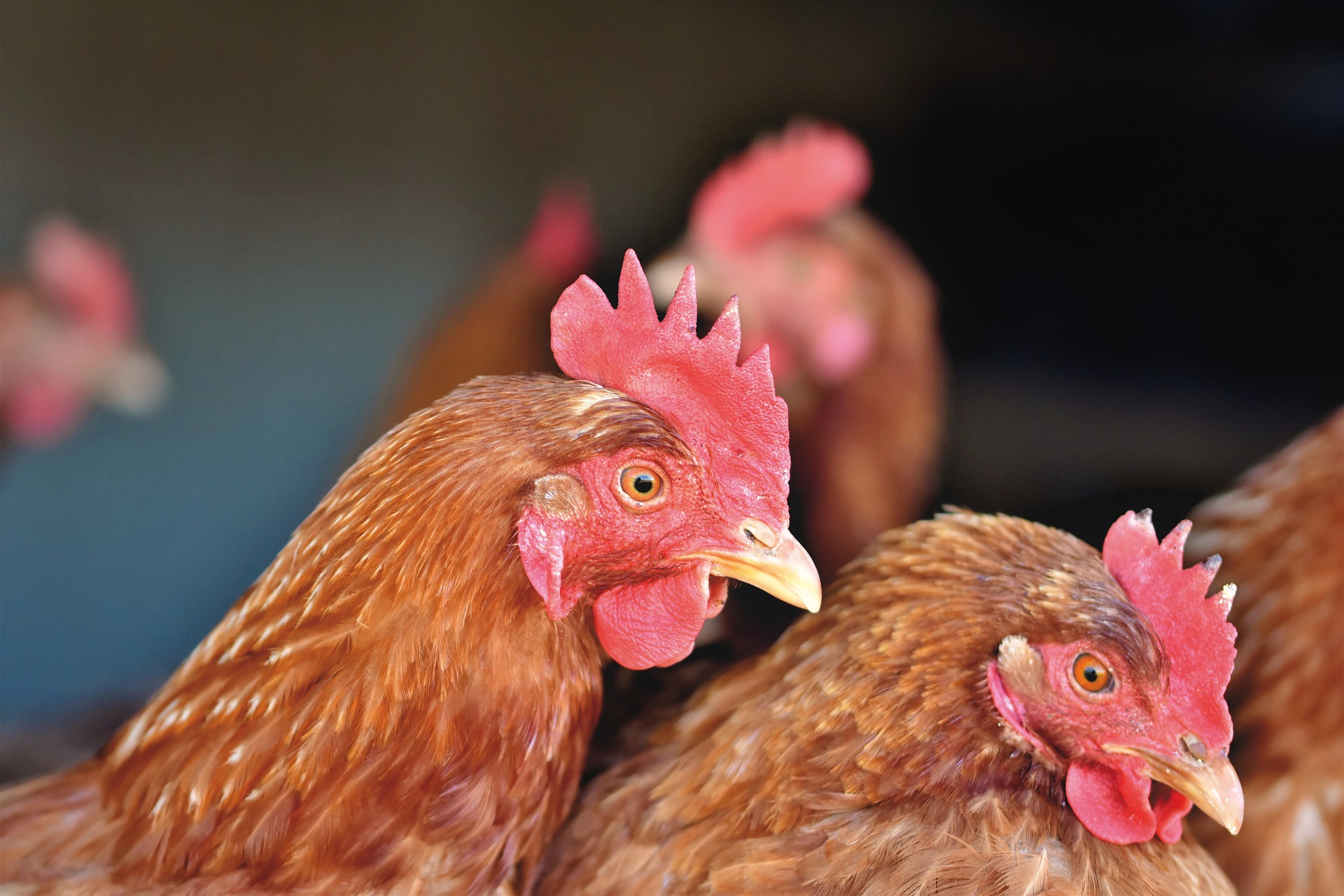
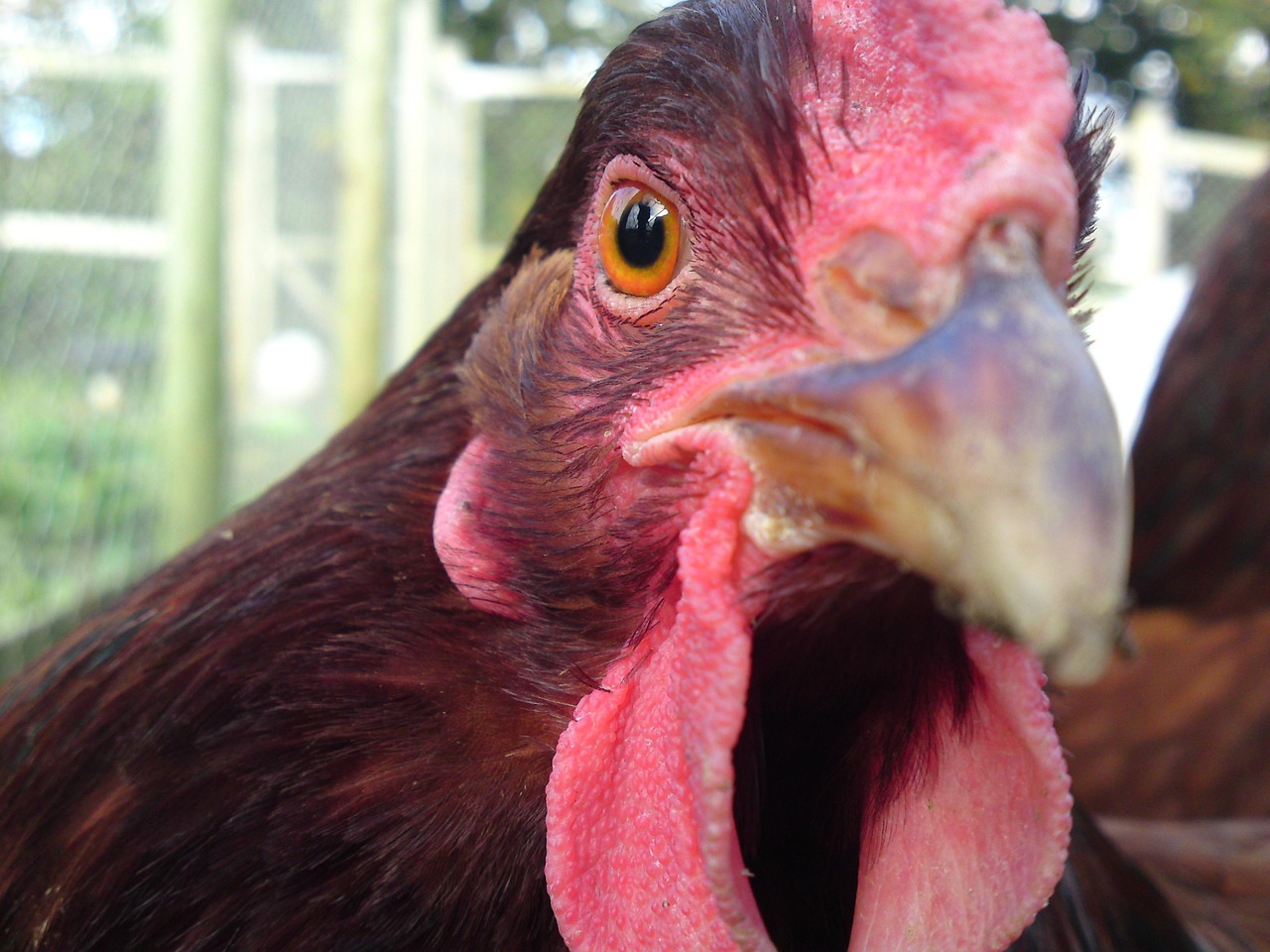
Chickens, turkeys, and other poultry species see the world quite differently from humans. While our vision is based on three types of cone cells in the retina (red, green, and blue sensitivity), poultry have four to five types of cones, including one tuned to ultraviolet (UV) light. This means they see a richer, more vibrant spectrum than we do, detecting subtle markings on feathers and food that are completely invisible to humans.

Each cone cell in poultry is also paired with a colored oil droplet that acts like a filter, sharpening color discrimination. Imagine seeing the world through built-in polarizing sunglasses—poultry have that advantage every day.

More Than Eyes: The “Extra-Retinal” Pathways

Here’s where poultry differ most from humans: they can perceive light not just through their eyes, but through specialized photoreceptors in their pineal gland and hypothalamus.

  • Pineal gland: Sometimes called the “third eye,” it can directly sense light, helping regulate daily biological rhythms.
  • Hypothalamus: Light penetrates through the skull and stimulates receptors here, influencing hormones tied to growth, reproduction, and behavior.

This is why the color and duration of artificial lighting in poultry houses can affect egg production, fertility, and even stress levels.

Lighting in Poultry Production
Learn how poultry respond to different light spectrums and why lighting plays a crucial role in growth, welfare, and egg production.

Light and Behavior

The spectrum of light influences poultry differently:

  • Red light penetrates tissue more effectively, reaching the hypothalamus and stimulating reproductive hormones—making it important in egg-laying operations.
  • Blue and green light tend to calm birds and can encourage growth, which is useful during the rearing phase.
  • UV light helps poultry recognize social signals, improve foraging, and even synthesize vitamin D naturally.

Without UV, chickens may have a distorted perception of feather colors, potentially altering how they interact socially within a flock.

Implications for Farming and Welfare

Modern poultry production carefully controls light intensity, duration, and spectrum. By mimicking natural cycles or adjusting them strategically, farmers can improve welfare and efficiency. For example, providing UV light in indoor housing can reduce stress and enhance natural behaviors, while shifting to red light during laying encourages sustained egg production.

But this raises ethical questions too—how much should we manipulate light for productivity, and how much should we prioritize a more natural sensory environment for the birds?

Why Lighting is Key to Flock Performance

Light affects feed intake, activity levels, and biological rhythms in poultry.

By managing lighting conditions carefully, producers can improve performance, health, and consistency across the flock.
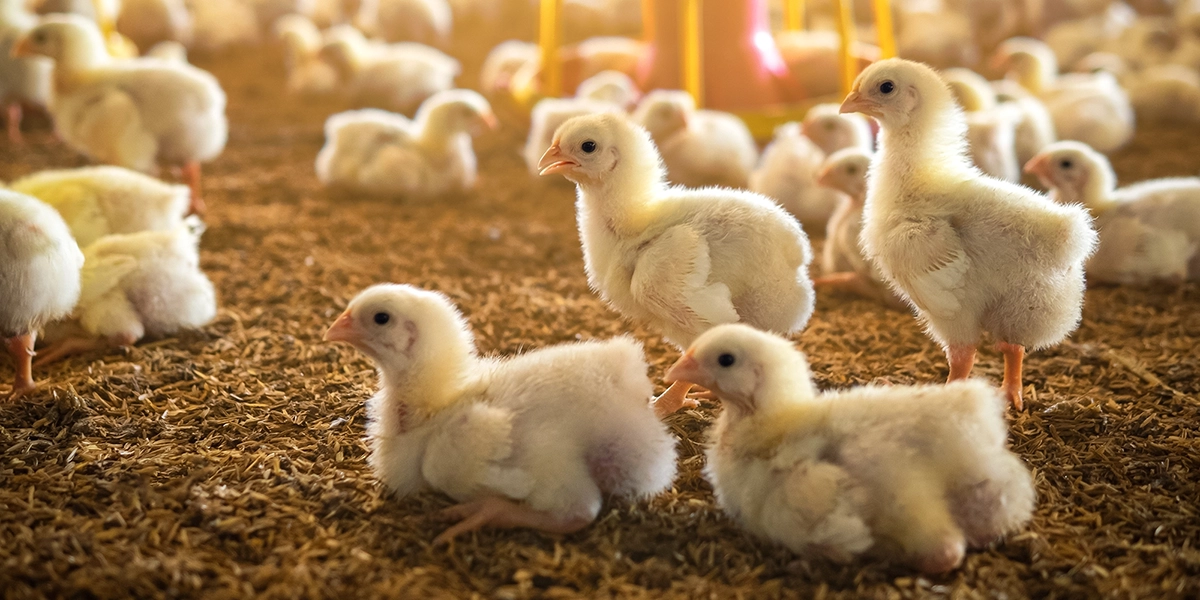
Learn more about poultry lighting

The Importance Of Light In Poultry Production
Learn how continuous monitoring helps producers identify developing production challenges through changes in water consumption, growth performance and other key production indicators.

Lighting is a critical factor in poultry production, directly influencing animal welfare, growth, and overall productivity. To understand its impact, it is important to look at how birds perceive and respond to both light intensity and duration.

Light Intensity and Color Spectrum

Chickens perceive light differently than humans, not only through their eyes but also through the top of the skull. They are sensitive to a wider spectrum, including red, blue, green, and ultraviolet light. This makes the choice of lighting essential.

  • Warm or yellow LED light is generally considered best for poultry housing.
  • Green and cool blue light have been shown to stimulate growth in broiler chickens.
  • Red-spectrum light can reduce aggression and improve egg production in laying and breeding hens.

The correct light intensity also affects feed and water intake, aggression, and cannibalism. Adjusting the light at different growth stages helps manage behavior, health, and performance.

Duration of Light

Poultry thrive on a consistent day–night cycle. Providing the right light schedule supports activity levels, growth, immune function, and overall health. Proper light duration improves mobility, alertness, and productivity, all of which enhance flock welfare.

Equal Light Distribution

Uneven lighting encourages birds to crowd in darker areas for rest or egg laying, which can cause management issues. Unequal distribution may also result in cold, moist litter in unused areas, increasing the risk of poor litter quality and mold formation. Ensuring even light distribution helps birds spread evenly throughout the house and improves overall flock performance.

Why Proper Lighting Is Essential in Modern Poultry Houses
Learn how continuous monitoring helps producers identify developing production challenges through changes in water consumption, growth performance and other key production indicators.

Lighting is one of the most influential - yet often underestimated - environmental factors in poultry production. Birds respond quickly to changes in light intensity, duration, and distribution, and getting these elements right has a direct impact on behavior, welfare, and performance. In today's high-efficiency production systems, proper lighting is no longer optional; it's a core management tool.

How Light Shapes Bird Behavior

Light influences how birds move, eat, rest and interact with their surroundings. When lighting is well-designed, birds behave more naturally and consistently.

  • Adequate light intensity encourages birds to explore the barn, find feed and water, and stay active
  • Even light distribution prevents clustering, reduces competitions, and supports uniform growth
  • Calm periods help birds rest properly, reducing stress and improving overall welfare

The Role of Day-length and Light-cycles

Birds rely on predictable light cycles to regulate their internal clocks. Consistency day-length supports stable feeding patterns, better rest, and healthier development.

  • Longer light periods stimulate activity and feed intake
  • Controlled dark periods promote rest and recovery
  • Sudden changes in light schedules can stress birds and disrupt behavior

A well-planned lighting program helps maintain a balanced, predictable production cycle.

Farming
Learn how continuous monitoring helps producers identify developing production challenges through changes in water consumption, growth performance and other key production indicators.

Welcome to the Future of Farming Sensors!

At dol-sensors, we are passionate about revolutionizing agriculture through the use of cutting-edge technology. Our farming sensors are designed to help farmers and farm managers to optimize their production, lower their costs, lower FCR and mortality, increase animal welfare, and reduce ammonia emmission.

Imagine being able to monitor the climate in your livestock house, controlling the filling and emptying of silos, automate the ventilation, heating, and cooling of the farm house, and make informed decisions on how to manage your production. Combined with a farm controller, that’s exactly what our sensors can do for you. Whether you’re a small-scale farmer or a large agribusiness, our sensors can help you improve your production and increase your profits.

Vast experience within farming

dol-sensors has more than 50 years of experience in the farming industry. We strive to be the leading supplier through innovation of climate and capacitive sensors for food production and other industries.

Our mission is to provide intelligent sensor solutions to contribute to global efficient and sustainable food production.

Selected Sensors

Documents

English
Leaflet
Climate Brochure
English
Leaflet
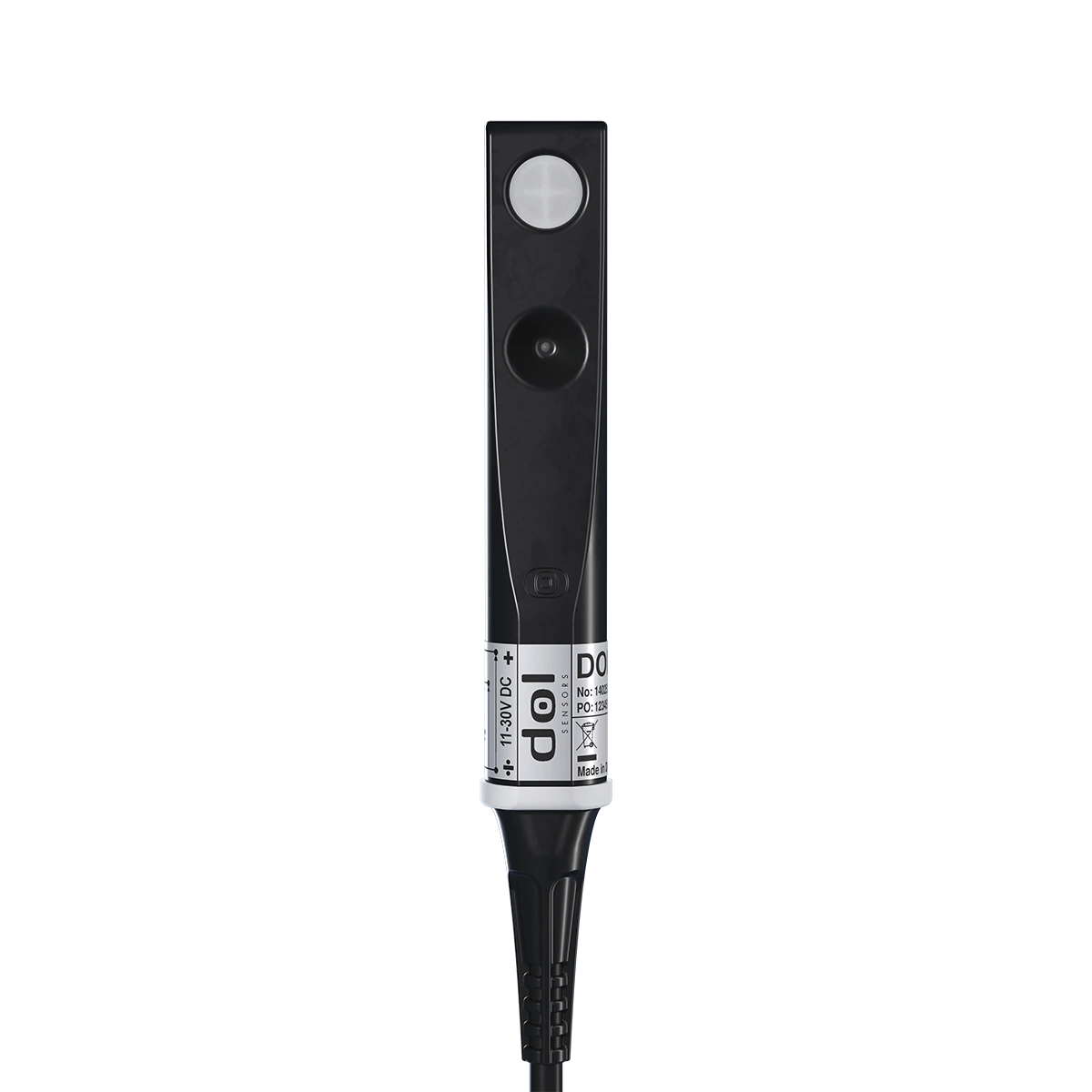
DOL 16 Light Sensor_Onepager

Join our newsletter

Stay ahead in livestock production.

Join our newsletter and get industry insights, expert perspectives, and practical strategies for optimizing performance and efficiency.