The Importance Of Light In Poultry Production

Lighting is a critical factor in poultry production, directly influencing animal welfare, growth, and overall productivity. To understand its impact, it is important to look at how birds perceive and respond to both light intensity and duration.

Light Intensity and Color Spectrum

Chickens perceive light differently than humans, not only through their eyes but also through the top of the skull. They are sensitive to a wider spectrum, including red, blue, green, and ultraviolet light. This makes the choice of lighting essential.

  • Warm or yellow LED light is generally considered best for poultry housing.
  • Green and cool blue light have been shown to stimulate growth in broiler chickens.
  • Red-spectrum light can reduce aggression and improve egg production in laying and breeding hens.

The correct light intensity also affects feed and water intake, aggression, and cannibalism. Adjusting the light at different growth stages helps manage behavior, health, and performance.

Duration of Light

Poultry thrive on a consistent day–night cycle. Providing the right light schedule supports activity levels, growth, immune function, and overall health. Proper light duration improves mobility, alertness, and productivity, all of which enhance flock welfare.

Equal Light Distribution

Uneven lighting encourages birds to crowd in darker areas for rest or egg laying, which can cause management issues. Unequal distribution may also result in cold, moist litter in unused areas, increasing the risk of poor litter quality and mold formation. Ensuring even light distribution helps birds spread evenly throughout the house and improves overall flock performance.

The Importance of Light
Discover how lighting influences bird behavior, welfare, growth, and overall poultry house performance.

Light Requirements by Age

Light needs vary depending on the age of the birds:

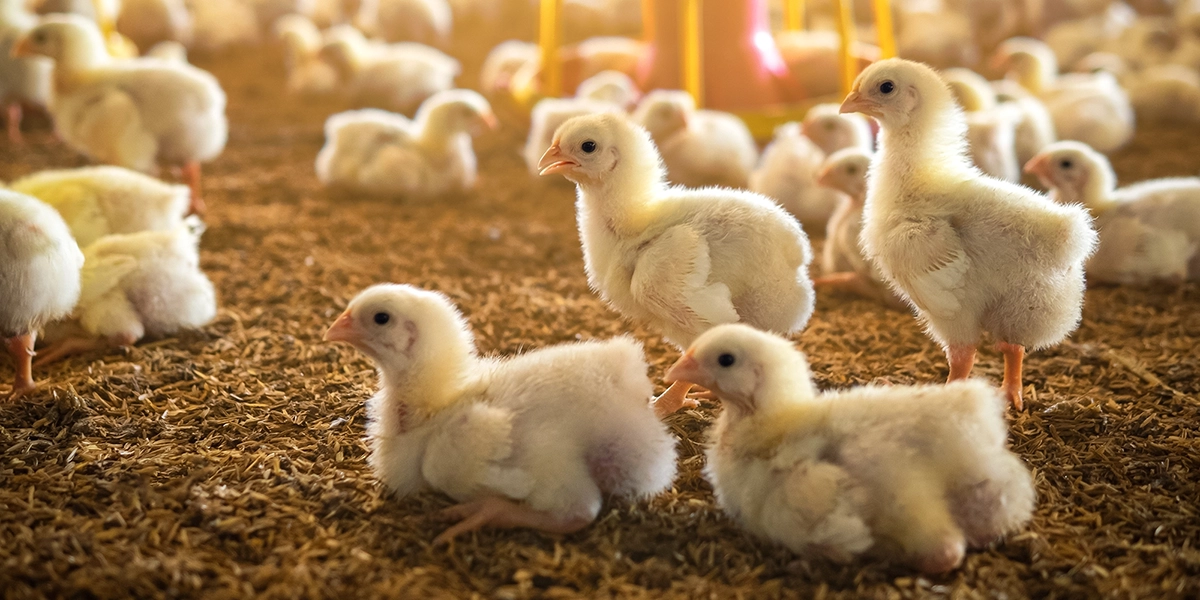
  • Day-old chicks require high light intensity to find feed, as their eyesight is not yet fully developed.
  • After the first week, light intensity can be reduced to control growth and minimize stress.
  • Toward the final growth phase, light intensity may be increased again to stimulate feed intake and maximize weight gain.

Automation and Control

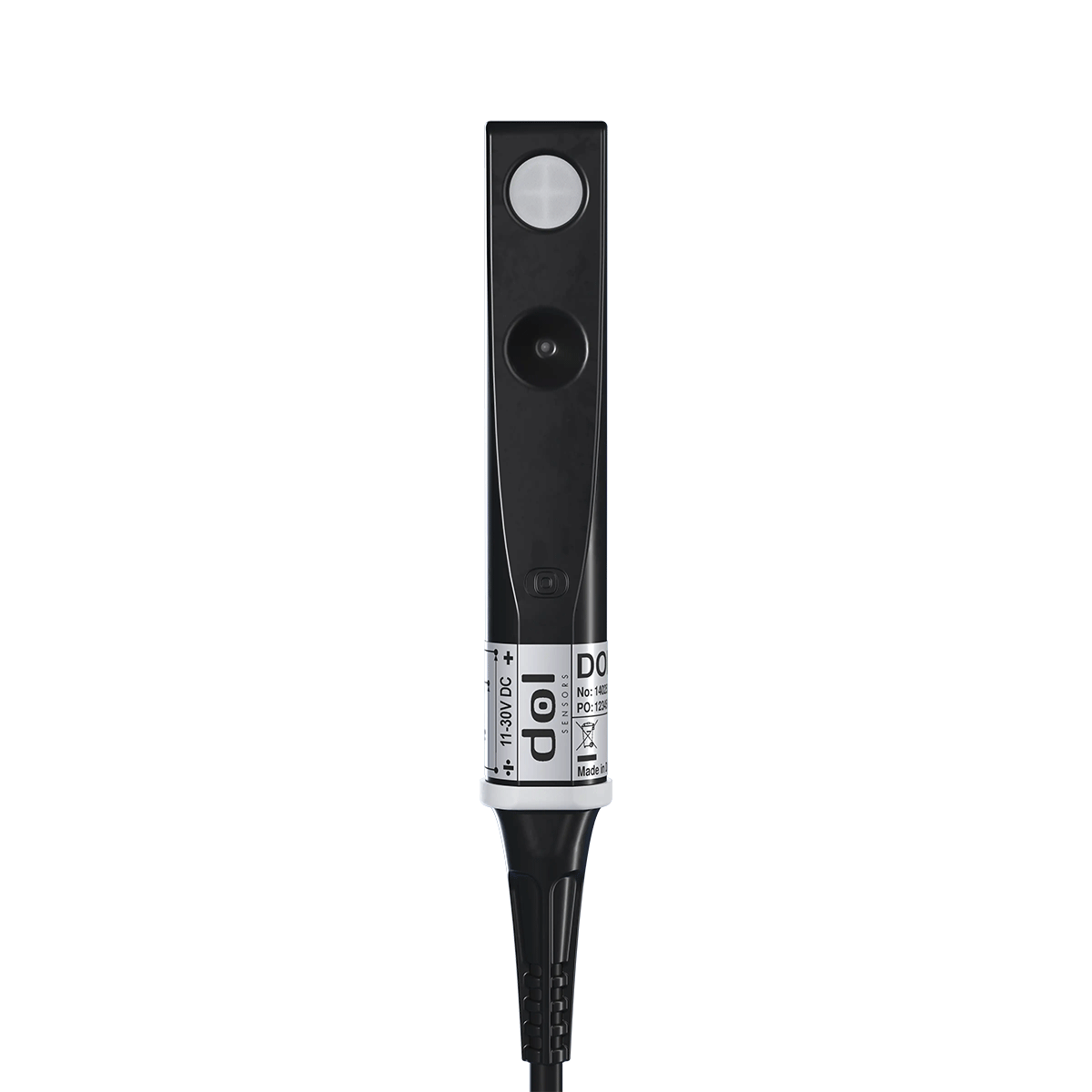
For precise management, dimmable lighting or multiple circuits allow producers to adjust intensity to flock needs. The most effective solution is to automate light schedules and intensity using robust light sensors designed for poultry houses. These sensors provide accurate data and, when connected to farm controllers, enable consistent and optimized lighting management.

Avoid High Mortality In Poultry Production
Learn how continuous monitoring helps producers identify developing production challenges through changes in water consumption, growth performance and other key production indicators.

One of the most concerning challenges faced by poultry producers is high mortality rates, which not only affect profits but also indicate underlying issues in management, disease control, and environmental conditions. However, with proper planning, management, and proactive measures, it’s possible to mitigate mortality rates and sustain a healthy poultry operation.

Adequate Ventilation

Create a comfortable and stress-free environment for your poultry by providing well-ventilated housing that protects them from extreme weather conditions. Proper ventilation helps remove excess moisture, CO2, and ammonia from the air, reducing the risk of respiratory diseases.

Exposure to excessive heat or cold stress can weaken the immune system, making birds more susceptible to diseases and increasing mortality rates. Thus, adequate ventilation is vital to ensure the right temperature in the poultry house.

Climate sensors provide your ventilation system with data on humidity, CO2, and ammonia levels ad well as the temperature in different reas of the house.

Decrease The Need For Labour In Poultry Production
Learn how continuous monitoring helps producers identify developing production challenges through changes in water consumption, growth performance and other key production indicators.

How to Decrease the Need for Labour in Poultry Production

With rising costs, staff shortages, and growing demands for efficiency, producers are increasingly looking for ways to streamline operations without compromising animal welfare or productivity. The good news is that advances in management practices and technology are making it possible to reduce labour needs while maintaining—or even improving—flock performance.

The Challenge of Labour in Poultry Farming

Traditional poultry production requires a high level of manual work: feeding, monitoring climate conditions, checking water lines, collecting data, maintaining equipments, cleaning, and inspecting flock health. These repetitive and time-consuming tasks not only require manpower but also increase the risk of human error. By reducing the need for manual intervention, producers can save time, cut costs, and create a more consistent production flow.

Improve Feed Conversion Ratio In Poultry
Learn how continuous monitoring helps producers identify developing production challenges through changes in water consumption, growth performance and other key production indicators.

The feed conversion ratio (FCR) is a critical measure in poultry farming that gauges how efficiently birds convert feed into body mass. A lower FCR indicates better efficiency, as less feed is required to produce a unit of poultry product, be it meat or eggs. This not only has significant implications for cost control but also impacts environmental sustainability. Here, we explore various strategies to improve FCR in poultry and discuss their benefits.

Understanding Feed Conversion Ratio

Feed Conversion Ratio is defined as the amount of feed consumed by an animal divided by the weight gain of the animal over a given period. In the context of poultry, an optimal FCR is crucial as feed costs represent the largest expense in poultry production. Improving FCR can lead to significant reductions in feed costs and enhance overall farm profitability.

Strategies to Improve FCR

Effective Feed Management

Implementing feeding schedules that align with the diurnal and growth patterns of poultry can prevent overfeeding and underfeeding, optimizing the FCR. Thus a reliable feed supply is vital to ensure an effective feed management. To obtain this, we recommend using accurate capacitive sensors that are designed for livestock environments.

Furthermore, proper storage of feed to prevent spoilage and designing feeders that minimize spillage can significantly reduce waste. To prevent damage of plan stored crops, use our wireless grain sensor to monitor moisture and temperature of the crops.

Selected Sensors

Documents

English
Leaflet
DOL 16 Light Sensor_Onepager
English
Technical User Guide
DOL 16_0-50_1000 LUX_0-10V_Technical User Guide_EN
English
Leaflet
DOL 16 accessories
English
Technical User Guide
DOL 16_0-100_1000 LUX_0-10V_Technical User Guide_EN
English
Technical User Guide
DOL 16_0-100_1000 LUX_4-20mA_Technical User Guide_EN
English
Technical Information
DOL 16_0-10V_Technical Information_EN

Join our newsletter

Stay ahead in livestock production.

Join our newsletter and get industry insights, expert perspectives, and practical strategies for optimizing performance and efficiency.