
Key Strategies to Reduce Labour
1. Automation of Feeding Systems
Automatic feeding lines ensure that birds always have the right amount of feed available without requiring constant human supervision. Modern systems can be fine-tuned for feed distribution, reducing waste while ensuring consistent nutrition.
2. Climate Control and Ventilation Systems
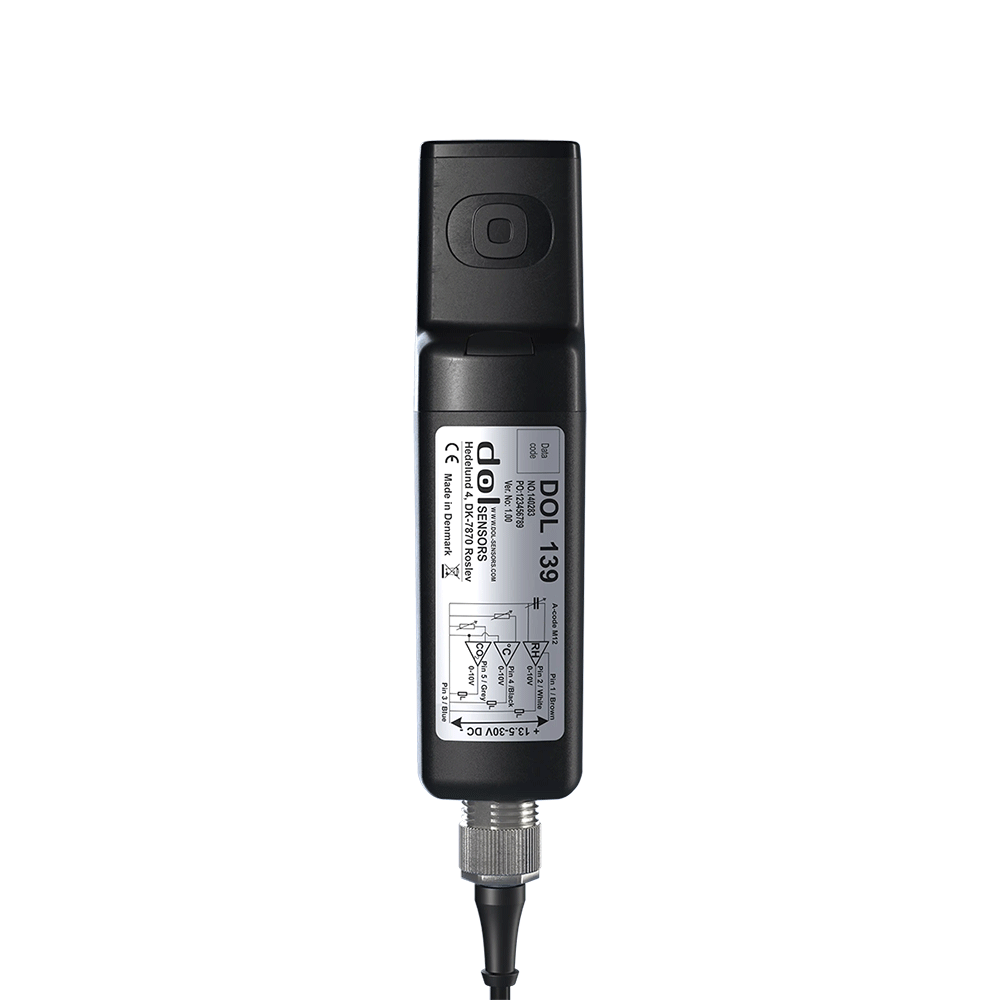
Manually adjusting fans, heaters, and vents is labour-intensive and often imprecise. Automated climate control systems regulate temperature, humidity, CO₂, and ammonia levels around the clock. This not only decreases labour requirements but also ensures stable conditions for flock health and performance.
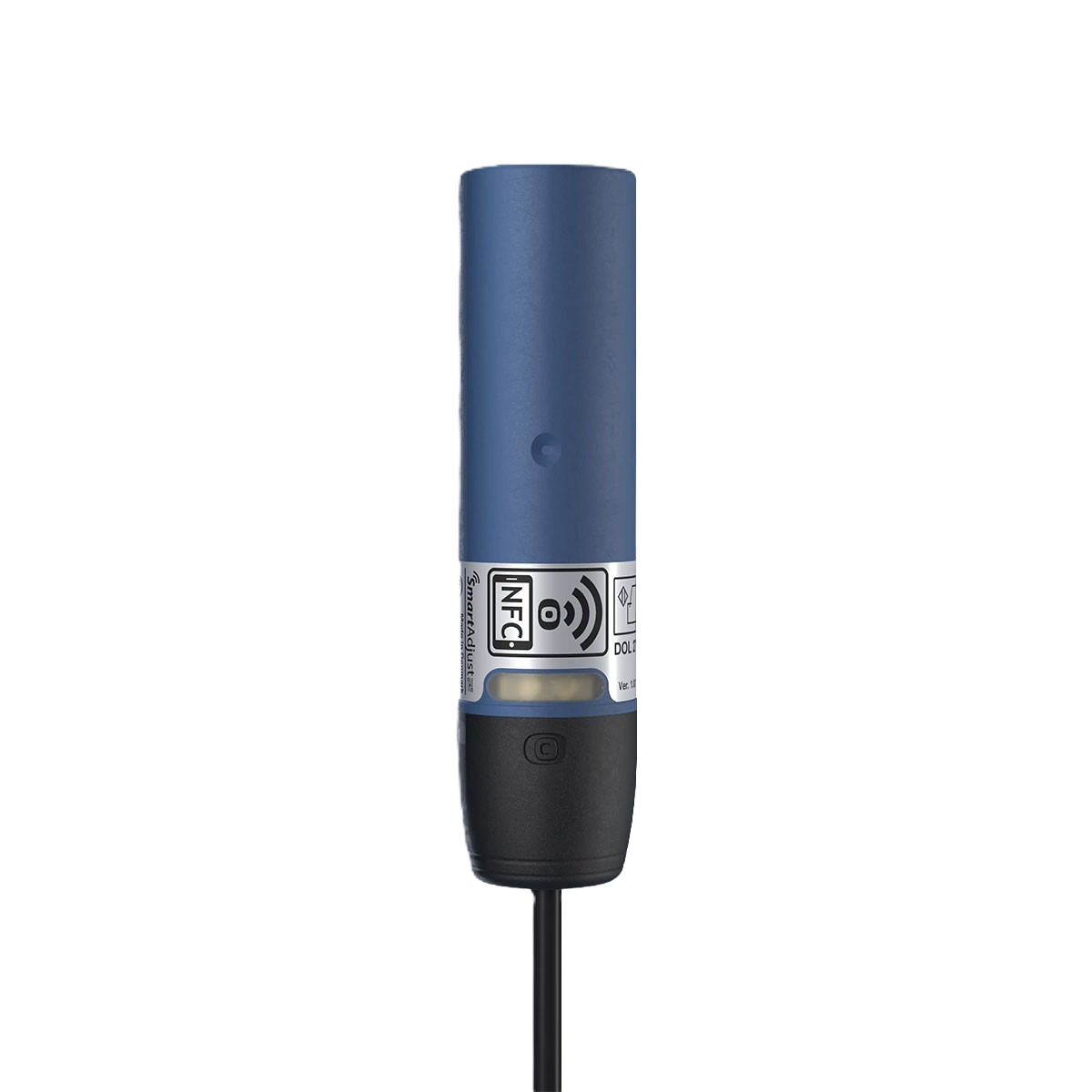
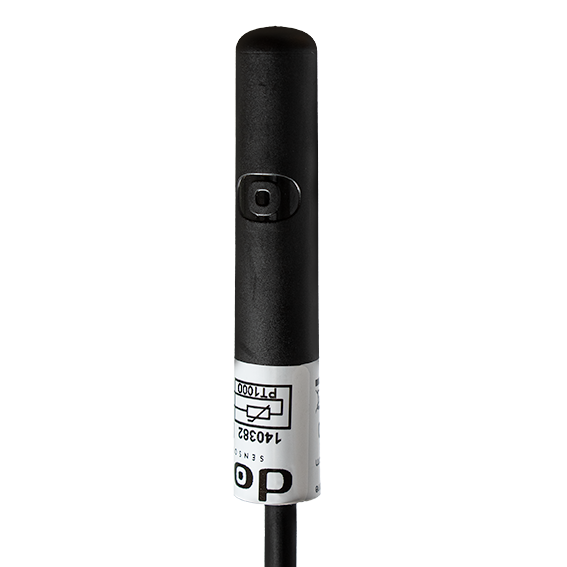
3. Smart Monitoring with Sensors
Sensors for climate, light, and feed levels provide real-time data to farm managers, eliminating the need for constant manual checks. When connected to controllers or farm management software, these systems alert staff to issues before they become critical, reducing the need for routine inspections.
4. Automated Lighting Programs
Lighting schedules can be programmed to support growth, welfare, and production cycles. Automated dimmable lighting reduces the need for manual adjustments while providing the optimal conditions for both broilers and layers.
5. Data-Driven Management
Farm management software integrates data from multiple sources—feed, climate, health, and production performance—into a single platform. This saves time on record-keeping and analysis, allowing managers to focus on decision-making rather than administration.
6. Improved Barn Design
Simple design choices can also reduce labour demands. Centralized control rooms, easy-to-clean surfaces, and well-planned layouts minimize the time needed for inspections, maintenance, and cleaning.