Avoid High Mortality In Poultry Production

One of the most concerning challenges faced by poultry producers is high mortality rates, which not only affect profits but also indicate underlying issues in management, disease control, and environmental conditions. However, with proper planning, management, and proactive measures, it’s possible to mitigate mortality rates and sustain a healthy poultry operation.

Adequate Ventilation

Create a comfortable and stress-free environment for your poultry by providing well-ventilated housing that protects them from extreme weather conditions. Proper ventilation helps remove excess moisture, CO2, and ammonia from the air, reducing the risk of respiratory diseases.

Exposure to excessive heat or cold stress can weaken the immune system, making birds more susceptible to diseases and increasing mortality rates. Thus, adequate ventilation is vital to ensure the right temperature in the poultry house.

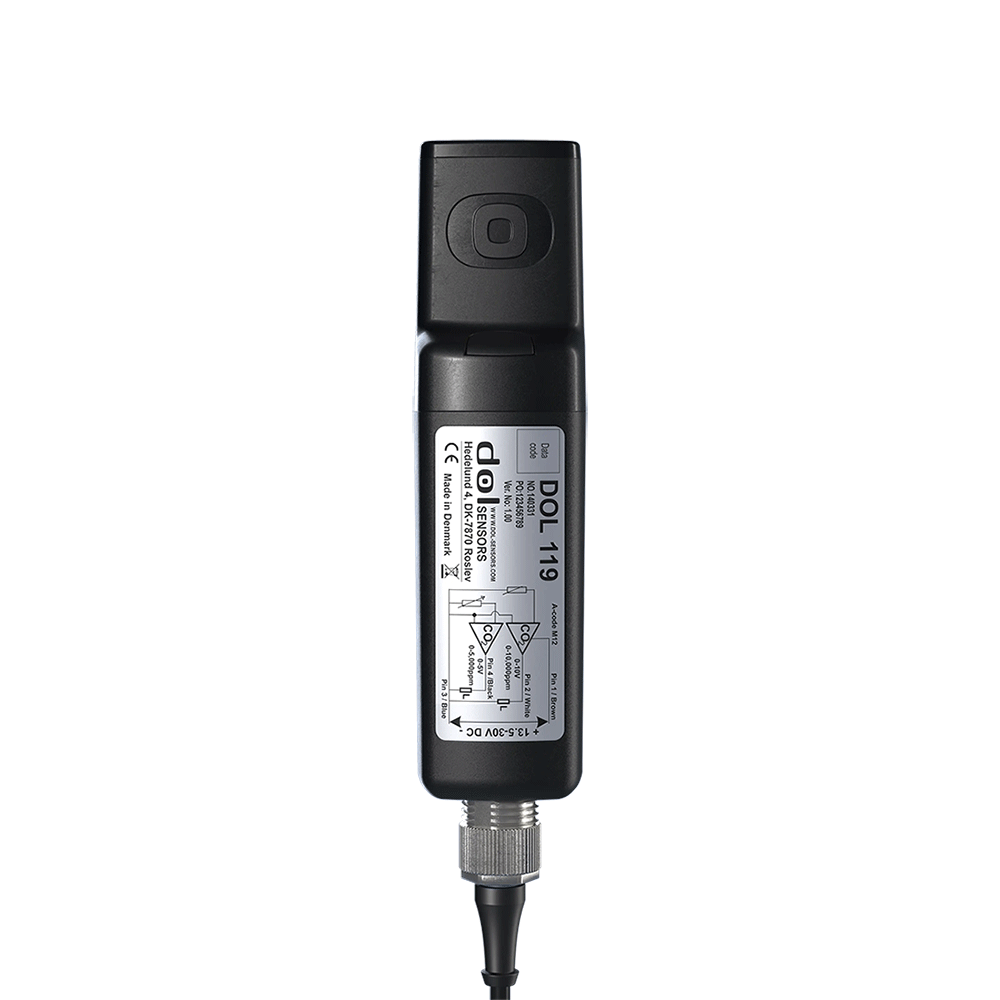
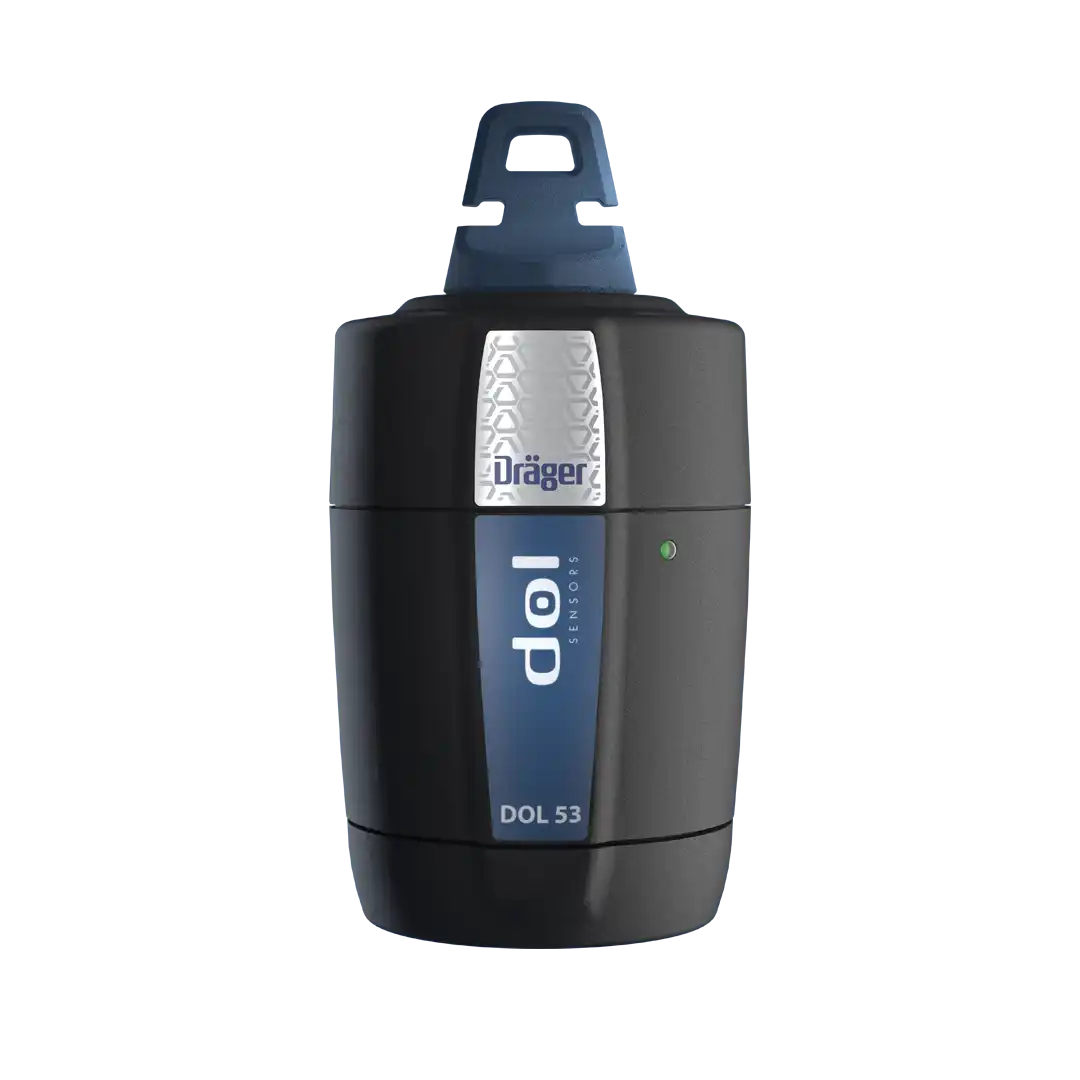
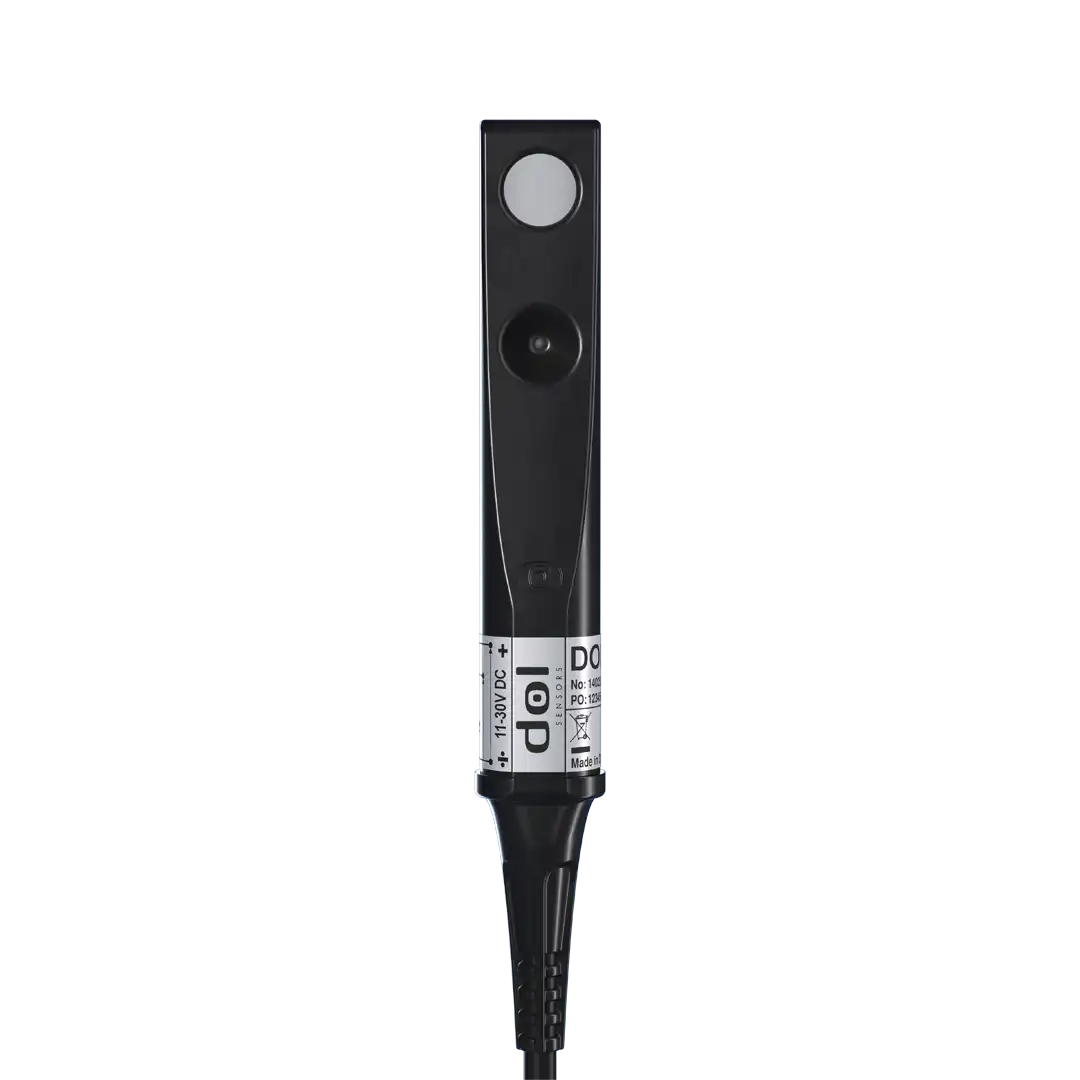
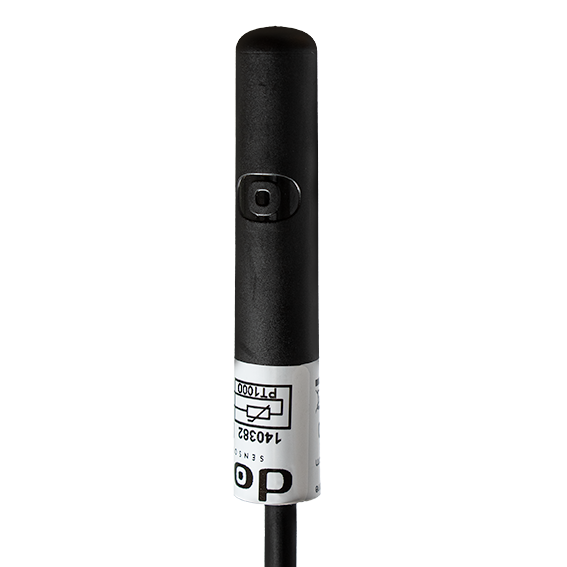
Climate sensors provide your ventilation system with data on humidity, CO2, and ammonia levels ad well as the temperature in different reas of the house.

Get Control
Discover how to get control in your poultry production through smarter sensor data.

Rigorous Biosecurity Measures

Implementing strict biosecurity protocols is the first line of defense against diseases that can decimate poultry flocks. This includes controlling access to the farm, disinfecting equipment, and ensuring proper hygiene practices for staff and visitors. Additionally, separating different age groups of birds and maintaining strict quarantine measures for new arrivals can prevent the spread of infectious diseases.

Optimal Nutrition

Proper nutrition plays a vital role in the overall health and immunity of poultry. Ensure that birds receive a balanced diet formulated to meet their specific nutritional requirements at each stage of growth. Regularly monitor feed quality, provide clean water at all times, and avoid sudden changes in diet, which can cause stress and compromise immune function.

Disease Monitoring and Management

Regular monitoring for signs of illness or abnormal behavior is crucial for early detection and prompt intervention. Work closely with a veterinarian to establish a comprehensive disease prevention and management plan tailored to your farm’s specific needs. This may include vaccination programs, routine health screenings, and protocols for disease outbreak containment.

Hygiene and Sanitation

Maintaining cleanliness within the poultry housing and surrounding areas is essential for preventing the spread of pathogens. Implement a strict cleaning and disinfection schedule for equipment, housing facilities, and feeding areas. Remove litter and waste regularly to reduce the risk of bacterial and parasitic infections, which can contribute to increased mortality rates.

Stress Reduction

Minimize stressors that can compromise the well-being of your flock, such as excessive noise, overcrowding, handling, and sudden environmental changes. Handle birds gently and avoid unnecessary disturbances, especially during critical periods such as transportation, vaccination, and handling for routine procedures.
IP67 Protected Sensors
Learn how continuous monitoring helps producers identify developing production challenges through changes in water consumption, growth performance and other key production indicators.

For Harsh Environment in Livestock Houses

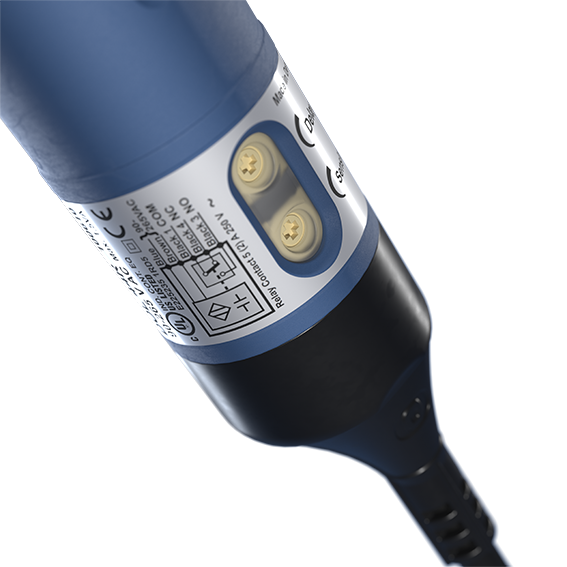
Livestock facilities often present challenging environments that require robust and reliable technology to ensure the well-being of animals and optimize operations. These facilities are characterized by demanding conditions including temperature fluctuations, humidity, dust, and potential exposure to water. These factors can compromise the functionality of traditional sensors, leading to inaccuracies in data collection and suboptimal control of critical parameters such as temperature, ventilation, and feeding systems. This is where the importance of IP67 protected sensors comes into play.

What is IP67 Protection?

IP67 is an Ingress Protection code that signifies the level of protection a sensor offers against solid particles (first digit) and liquids (second digit). The first digit “6” indicates complete protection against dust, preventing any ingress that could affect the sensor’s performance. The second digit “7” signifies the sensor’s ability to withstand immersion in water up to one meter depth for up to 30 minutes without sustaining damage. This level of protection ensures that IP67 sensors can withstand the harshest of conditions prevalent in livestock houses.

Benefits of IP67 Protected Sensors

Durability and Longevity

IP67 protected sensors are engineered to withstand the challenges of livestock environments. Their robust construction ensures they can endure mechanical impacts, vibrations, and extreme environmental conditions, resulting in a longer lifespan and reduced maintenance costs.

Accurate Data Collection

Precise data collection is essential for informed decision-making. IP67 sensors maintain their accuracy even in the presence of dust, moisture, and other environmental factors, ensuring that the collected data remains reliable for effective livestock management.

Real-time Monitoring

Livestock houses require real-time monitoring to promptly identify any irregularities. IP67 protected sensors enable continuous data transmission, facilitating immediate responses to changes in environmental conditions and ensuring animal welfare.

Easy Integration

Most IP67 sensors can seamlessly integrate into existing farm management systems. These sensors often come with various output options, making it easier to connect them to central monitoring systems, controllers, or other devices.

Reduced Downtime

Traditional sensors often face downtime due to environmental stressors, leading to operational disruptions. With IP67 protection, sensors remain operational even during adverse conditions, minimizing downtime and optimizing livestock house efficiency.

Optimum Animal Welfare
Learn how continuous monitoring helps producers identify developing production challenges through changes in water consumption, growth performance and other key production indicators.

Increased Production Due To Better Animal Welfare

The welfare of your animals is essential to the yield and profit of your pig production. In recent years, there has been a growing recognition of the link between animal welfare and farm productivity. Farm managers who invest in better living conditions, health care, and nutrition for their pigs often see a noticeable increase in production, alongside improved quality of produce.

The Connection Between Animal Welfare and Production

Animal welfare refers to the physical and mental health and well-being of animals. In pig farming, this encompasses several aspects, including housing conditions, diet, health care, and the ability to engage in natural behaviors. Good welfare practices lead to healthier animals, and healthier animals are more productive. They grow faster, have better reproductive performance, and produce higher quality meat.

Small Changes Often Tell the Biggest Stories in Poultry Production
Learn how continuous monitoring helps producers identify developing production challenges through changes in water consumption, growth performance and other key production indicators.

In poultry production, major challenges rarely appear without warning.

Before performance is affected, before welfare concerns become visible, and before corrective action becomes urgent, there are often small signs that something is changing within the house.

A slight increase in humidity.

A gradual rise in CO₂ levels.

A small temperature fluctuation.

Viewed individually, these changes may seem insignificant. However, together they can provide valuable insight into the production environment and help identify potential issues before they develop into larger challenges.

Environmental Conditions Influence Flock Performance

A stable environment is essential for maintaining bird health, welfare, and production performance.

Temperature, humidity, and air quality all play an important role in how birds interact with their surroundings. When these factors remain within the desired range, birds can focus their energy on growth and production.

However, when environmental conditions begin to change, even slightly, birds may experience stress long before visible symptoms appear.

For example:

  • High humidity can create unfavorable house conditions and contribute to litter quality issues.
  • Increased CO₂ levels may indicate insufficient ventilation.
  • Temperature fluctuations can affect bird comfort and feed intake.

While each factor provides useful information on its own, the real value comes from understanding how they interact.

→ Read: What Bird Movement Tells You About Barn Conditions

Looking at the Whole Picture

One of the biggest challenges in poultry management is distinguishing between normal variation and meaningful change.

A small increase in humidity may not be a concern by itself.

A slight rise in CO₂ may also seem manageable.

But when both occur simultaneously, they can indicate that ventilation performance is no longer optimal. This highlights the importance of viewing environmental conditions as part of a larger picture rather than as individual data points. Integrated monitoring helps producers understand not only what is changing, but also how different conditions may be influencing one another.

By identifying developing trends early, producers gain more time to investigate and respond before flock performance is affected.

Selected Sensors

Documents

English
Leaflet
DOL 119 One pager
English
Technical Information
DOL 53 Technical Info_EN
English
Technical Information
DOL 114_Technical Information_EN
English
Leaflet
DOL 112 Temperature Sensor Onepager

Join our newsletter

Stay ahead in livestock production.

Join our newsletter and get industry insights, expert perspectives, and practical strategies for optimizing performance and efficiency.