Small Capacitive Proximity Sensor for OEM Needs

Compact Capacitive Sensor for Demanding Agricultural and Industrial Applications

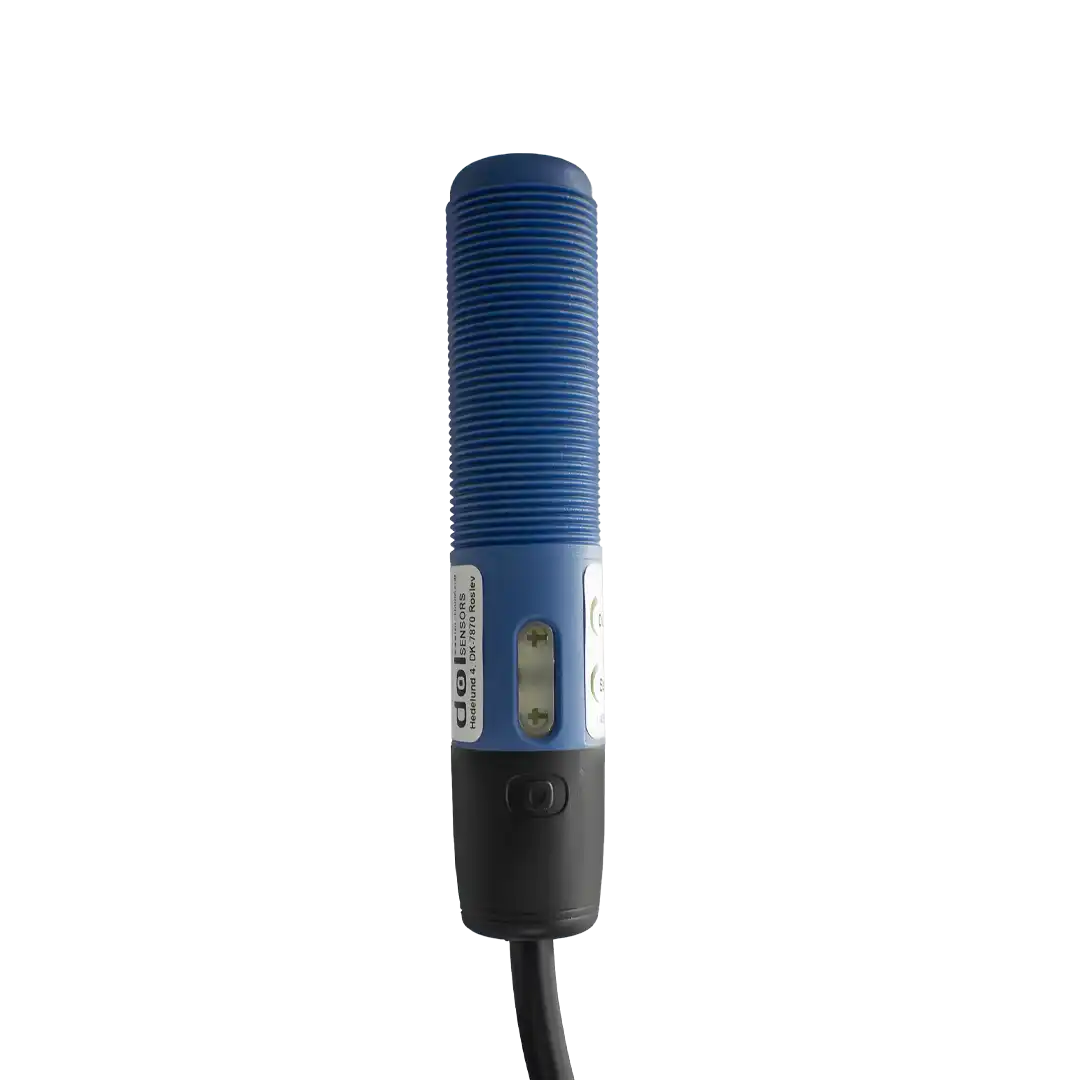
The DOL 26 Small Capacitive Proximity Sensor is a compact and reliable solution for detecting feed, grain, pellets, powders, and other solid materials in demanding environments. Designed for applications where installation space is limited, this miniature capacitive sensor delivers accurate material detection while maintaining the high durability required in modern agricultural and industrial systems.

Whether used in feed transportation, silo monitoring, or automated production processes, the DOL 26 helps ensure stable operation and efficient process control.

Why Choose a Small Capacitive Proximity Sensor?

Many production environments require sensors that can operate reliably in confined spaces while maintaining high detection performance. A small capacitive proximity sensor offers several advantages:

  • Easy installation in compact equipment
  • Reliable detection of feed, grain, and bulk materials
  • Reduced risk of operational downtime
  • Stable performance in dusty environments
  • Low maintenance requirements
  • Suitable for automated monitoring systems

The compact design of the DOL 26 makes it particularly suitable for installations where larger sensors are difficult to mount.

Read more → Consistent and Relable Feed supply

What Is a Miniature Capacitive Sensor?

A miniature capacitive sensor detects materials by measuring changes in capacitance when a target material enters the sensor's detection field. Unlike mechanical switches, capacitive sensors operate without physical contact, reducing wear and improving long-term reliability.

This technology is widely used for:

  • Feed flow monitoring
  • Material presence detection
  • Hopper and silo monitoring
  • Conveyor systems
  • Bulk solids handling
  • Automated process control

Because the sensor can detect a wide range of materials, capacitive sensing technology is an ideal choice for agricultural and industrial applications where robust performance is essential.

‍

‍

Small Capacitive Sensors for Feed and Material Detection
Learn more about accurate sensing performance in compact and demanding applications.

Reliable Feed Detection in Livestock Production

OEM's of feeding systems, transport equipment, and silo solutions require reliable sensing technologies that can be integrated into compact designs.

The DOL 26 Small Capacitive Proximity Sensor is developed to support equipment manufacturers with accurate material detection, long service life, and straightforward integration.

Robust Design for Flexible Installation

Space constraints are common in feed systems, conveyors, and processing equipment. The DOL 26 Small Capacitive Proximity Sensor is designed to fit into installations where larger sensors may not be practical.

Its compact form factor enables flexible mounting options while maintaining dependable sensing performance.

Typical installation areas include:

  • Feed silos
  • Feed augers
  • Conveying systems
  • Distribution equipment
  • Storage hoppers
  • Bulk material handling systems

Read more → Why Feed Sensors Fail in Dustry Environments

Improve Process Reliability with Capacitive Sensing Technology

Unplanned downtime can be costly in both agricultural and industrial operations. Using a miniature capacitive proximity sensor helps operators monitor material flow and detect process disruptions quickly.

By providing continuous material detection, the DOL 26 contributes to:

  • Improved process efficiency
  • More reliable automation
  • Reduced maintenance requirements
  • Better production planning
  • Increased operational uptime

Small Capacitive Sensor for Modern Automation

As automation becomes increasingly important across agriculture and industry, reliable sensing technology plays a critical role in maintaining efficient operations.

The DOL 26 Small Capacitive Proximity Sensor combines compact dimensions, robust construction, and dependable performance to deliver accurate material detection in demanding environments.
‍

粉塵の多い環境で飼料センサーが故障する理由
Learn how continuous monitoring helps producers identify developing production challenges through changes in water consumption, growth performance and other key production indicators.

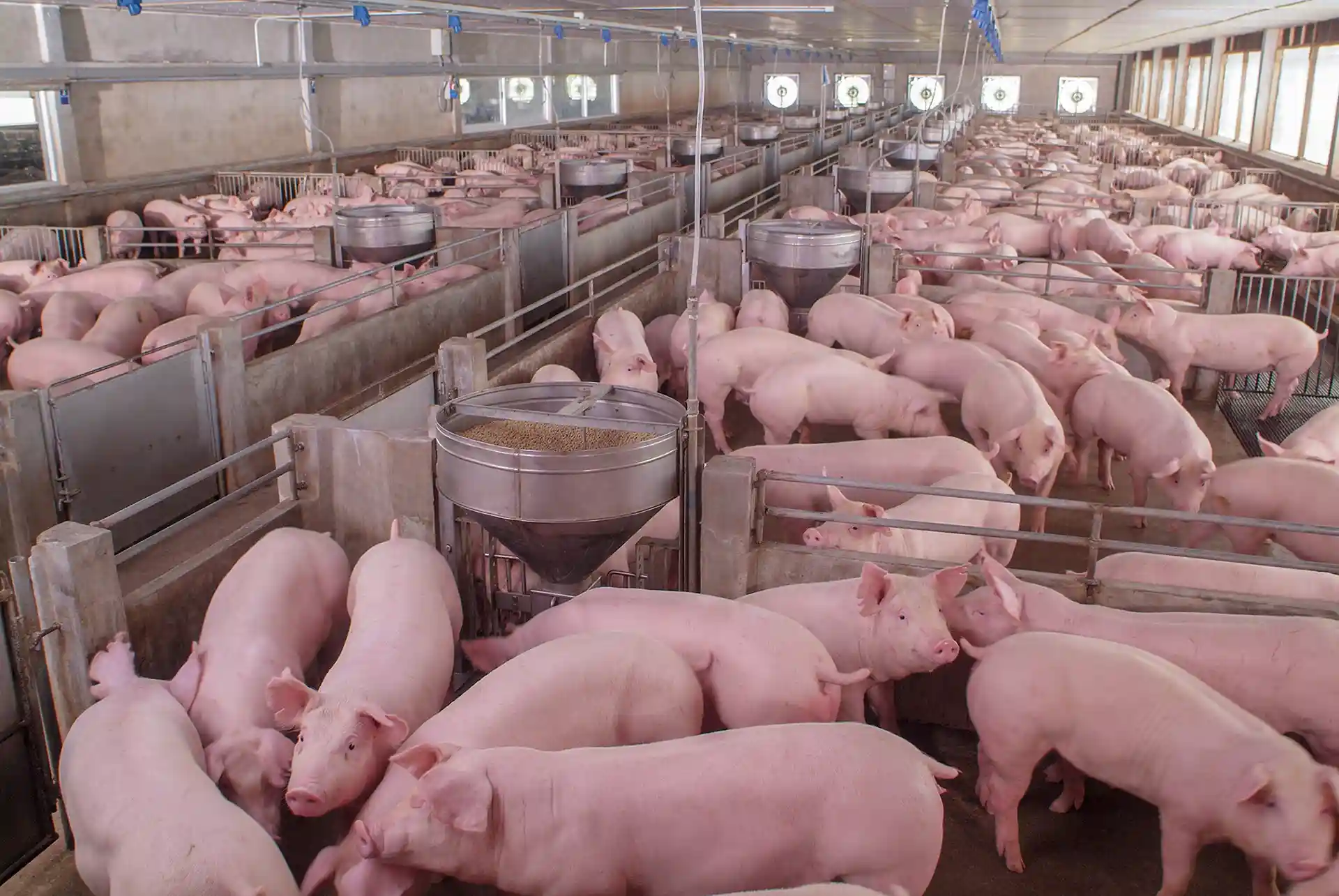
畜産において、粉塵は避けて通れない課題です。鶏舎や豚舎には飼料の粒子や敷料などが舞っており、これらが長期間にわたって機器の性能に影響を及ぼす可能性があります。粉塵の多い環境で飼料センサーが故障する原因を理解することは、より信頼性の高いソリューションを選択し、メンテナンスの手間を減らすことにつながります。

粉塵の多い環境で飼料センサーが故障するのはなぜか?

飼料センサーの故障原因として最も一般的なものの一つに、検知面や機械部品への粉塵の堆積が挙げられます。

機械式の飼料センサーは、可動部周辺に粉塵が溜まりやすく、センサーの作動に影響が出るため特に注意が必要です。対照的に、静電容量式センサーは機械的な部品を使用しないため、飼料の粉塵や空気中の粒子にさらされても安定した検知を維持できます。

その他の一般的な原因は以下の通りです。

  • センサー周辺への飼料粉塵の蓄積
  • 機械部品の摩耗
  • センサーの設置場所が不適切
  • 湿気と粉塵の付着

自動給餌システムにおいて、センサーの信号が不正確になると、給餌ラインが空になったり、給餌量に偏りが生じたり、飼料が溢れ出したりする原因となります。

一貫性のある信頼性の高い飼料供給
Learn how continuous monitoring helps producers identify developing production challenges through changes in water consumption, growth performance and other key production indicators.

飼料供給とは、工場、工場、家畜生産などの生産施設に原材料、原材料、または複合飼料を提供するプロセスを指します。一貫した信頼性の高い飼料供給を確保することは、あらゆる生産施設の円滑な運営と家畜生産における動物福祉にとって極めて重要です。

フィード供給における静電容量センサーの使用

フィード供給プロセスの効率を向上させる1つの方法は、静電容量センサーを使用することです。静電容量センサーは、材料に蓄積された電荷の容量または量を測定する電子機器です。静電容量、つまり材料が電荷を蓄える能力の変化を検出することで機能します。

給電プロセスにおける静電容量センサーの潜在的な用途は数多くあります。たとえば、貯蔵容器、サイロ、またはタンク内の原材料のレベルを測定するのに使用できます。これにより、不足を防ぎ、原材料や配合飼料の不足によって生産が中断されるのを防ぐことができます。

‍

給餌コストを削減する方法
Learn how continuous monitoring helps producers identify developing production challenges through changes in water consumption, growth performance and other key production indicators.

飼料は豚の生産における唯一の最大の経費であり、多くの場合、 総生産コストの60〜70%。したがって、飼料の効率とコストを管理することは、収益性と長期的な持続可能性を向上させるために重要です。以下は、生産者が成長性能や動物の健康を損なうことなく飼料コストを削減するのに役立つ5つの専門家による戦略です。

1。給餌の専門家と協力して飼料配合を最適化する

有資格者とのコラボレーション 動物栄養士または給餌専門家 は、最適な豚の性能を維持しながら飼料コストを削減する最も効果的な方法の1つです。こうした専門家には、無駄な出費を最小限に抑えながら、エネルギー、アミノ酸、ビタミン、ミネラルのバランス調整を正確に行うことができる技術的な専門知識と調合ソフトウェアへのアクセス権があります。

給餌の専門家は次のことができます。

  • 最小コスト配給の設計 最新の原材料価格と入手可能性に基づいて、すべての栄養素要件が効率的に満たされるようにします。
  • 識別 費用対効果の高い代替原料、パフォーマンスを維持しながらコストを削減する代替タンパク質やエネルギー源を組み込むなど。
  • 提供 継続的なフィードの評価と調整 豚の成長や市況の変化に合わせて、過剰給餌や過少給餌を防止します。

専門家による飼料アドバイスに投資することで、生産者は飼料効率の向上、成長率の向上、大幅な節約を実現することが多く、その結果は相談にかかる費用をはるかに上回ります。

2。フェーズ・フィーディング・プログラムの実施

豚は成長の各段階で必要な栄養素が異なります。生産期間全体を通して単一の飼料を与えると、栄養素の浪費につながることがよくあります。

  • フェーズフィード 成長期をいくつかの段階に分け、それぞれの段階に豚のニーズにぴったり合った餌を与えます。
  • 2段階の給餌プログラムから4段階の給餌プログラムに移行すると、 飼料コストを3~ 5% 削減 成長パフォーマンスを維持しながら。
  • スプリット・セックス・フィーディング バローとギルトでは必要な栄養素が異なるため、効率をさらに高めることができます。

3。飼料添加物による栄養素利用の改善

栄養素の消化率と吸収を高めることは、全体的な飼料コストを削減する実用的な方法です。酵素、プロバイオティクス、有機酸などの飼料添加物は、豚が食事にすでに存在する栄養素をより有効に活用するのに役立ち、高価な食材の必要性を減らすことができます。

  • 酵素 植物由来の原料から得られるリン、タンパク質、エネルギーなどの栄養素の利用可能性を高めることができます。
  • プロバイオティクスやその他の腸の健康増進剤 バランスの取れた腸内環境をサポートし、飼料の転換率を高め、消化器系の問題の発生率を減らします。
  • 有機酸 特に若い豚では、飼料の衛生状態を維持し、最適な消化を促進するのに役立ちます。

これらの添加剤は、栄養素の利用率を高めることで、1キログラムあたりの飼料の価値を最大化し、パフォーマンスと収益性の両方をサポートします。

‍

Selected Sensors

Documents

English
Leaflet
DOL 26 Capacitive/Proximity Sensor_Onepager

Join our newsletter

Stay ahead in livestock production.

‍Join our newsletter and get industry insights, expert perspectives, and practical strategies for optimizing performance and efficiency.