Consistent And Reliable Feed Supply

Feed supply refers to the process of providing raw materials, ingredients or compound feed to a production facility, such as a factory, plant, or livestock production. Ensuring a consistent and reliable feed supply is crucial for the smooth operation of any production facility and for the animal welfare in livestock production.

The Use of Capacitive Sensors In Feed Supply

One way to improve the efficiency of the feed supply process is through the use of capacitive sensors. Capacitive sensors are electronic devices that measure the capacity or amount of electrical charge stored in a material. They work by detecting changes in capacitance, which is the ability of a material to store an electrical charge.

There are many potential applications for capacitive sensors in the feed supply process. For example, they can be used to measure the level of raw materials in storage bins, silos or tanks. This can help to prevent shortages and ensure that production is not disrupted due to a lack of raw materials or compound feed.

Reduce Your Costs
Discover how sensors helps reduce your feeding costs, improve operational efficiency, and support better animal welfare and production performance.

Monitoring The Flow Rate

Capacitive sensors can also be used to monitor the flow rate of raw materials being transported through pipes or conveyor belts. This can help to optimize the rate at which materials are supplied to the production process, ensuring that there is neither an excess nor a deficiency of raw materials.

Overall, the use of capacitive sensors in the feed supply process can help to improve efficiency, reduce costs, and prevent disruptions in production. They offer a reliable and cost-effective means of monitoring and controlling the flow of raw materials, ensuring that production can be maintained at optimal levels.

Impact On Animal Welfare

If the capacitive sensor are failing in reliability, the feed supply will no longer be consistent. This means that the animals are either feeded too much or too little. Too much feed in a feed pan can make the animals eat too much, increasing the production cost and the FCR. But it can also result in mould formation in the feed pan causing illness and bad animal welfare.

Too little feed supply will of course decrease animal welfare and weight gain and even increase mortality.

Thus, reliable and robust capacitive sensors are vital to the production performance.

Different Outputs

dol-sensors’ capacitive proximity sensors comes with 4 different outputs; Relay, PNP, NPN, and SCR:

  1. Relay (DOL 44, DOL 40 Series, iDOL 46 ATEX, DOL 28, and DOL 20)
  2. PNP (DOL 26 and DOL 27)
  3. NPN (DOL 26 and DOL 27)
  4. SCR (DOL 20, DOL 26 and DOL 27)

Capacitive Proximity Sensors with Relay Output

Sensors with relay output can manage feed supply systems or small motors like a snail in pellet stoves. They simply detect whether there is material in front of them or not and provide the motor or fees supply system with a signal to open or close. Our relay sensors have no voltage drop.

DOL 44, DOL 40 series (DOL 41, DOL 43 , and DOL 45), and iDOL 46 ATEX are capacitive proximity sensors with relay ourput.

DOL 44 is a non-flushed sensor at 30 or 33mm with a sensitivity at 0-15mm. The sensor can be adjusted with two trimmers or with the SmartAdjust App for the iDOL 44. If you have the conical sensor DOL 33, you can replace it with the DOL 44 in 33mm.

The DOL 40 Series consist of 3 sensors with different types of relay; one with no delays – DOL 41, one with only off delay – DOL 43, and one with both on and off delays – DOL 45. The sensors can be adjusted with two switches.

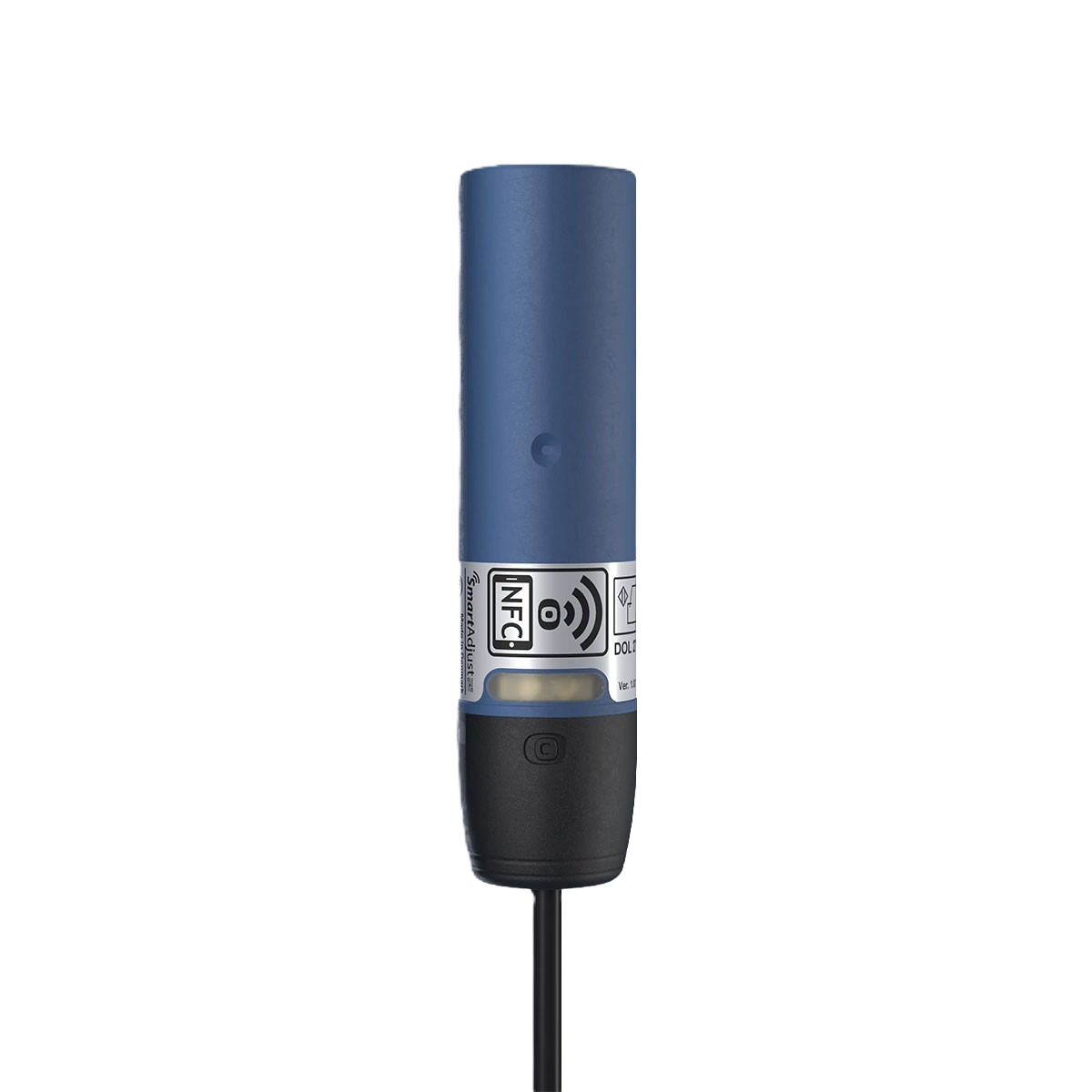
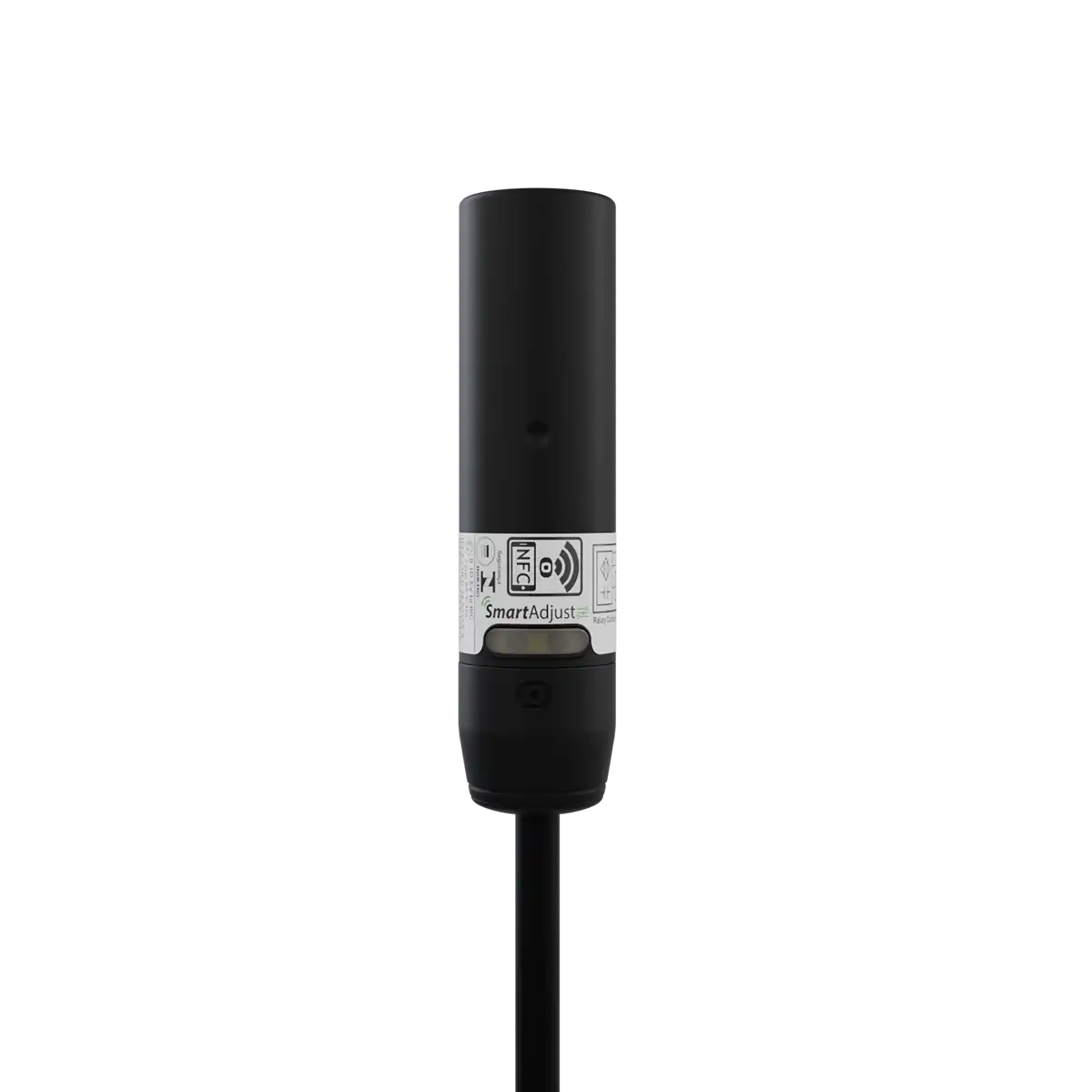
iDOL 46 ATEX is approved according to ATEX directive 2014/34/ EU for operation in potentially explosive dust atmospheres which is why it is suitable for the dusty environment in livestock houses. The sensor can be adjusted with the SmartAdjust App with a NFC connection to the sensor.

In a feed string you can place two capacitive proximity sensors; one in the beginning and one in the end. But in some cases you will place one sensors at the last feed pan in the feed string to make it monitor the level of feed and make sure no of the other feed pans are emptied. In this case, some people like having a light on the feed pan that is monitored by the sensor, since it can attract the broilers to this feed pan making it the most attractive one. Thus we have made DOL 28 with a light and two trimmers to adjust the sensor.

DOL 20 comes with both Relay and SCR output and due to its flat back it can be mounted outside of the container with screws or glue. The iDOL 20 can be adjusted with the SmartAdjust App and the DOL 20 with to trimmers.

Capacitive Proximity Sensors with PNP or NPN Output

Sensors with PNP or NPN outputs can manage industrial controls or custommade controls e.g. for feed supply systems and have a low voltage at 10-30V.

DOL 26 and DOL 27 are sensors with PNP, NPN or SCR outputs. The main difference between the two is that DOL 26 is only 18mm which makes it fit in narrow spaces and DOL 27 is 30mm which makes it detect loose or solid material on a futher distance with a sensitivity of 0-20mm. DOL 26 has a cable return to make it easy to strip the cable against the feed pan keeping it out of the animals’ reach. DOL 27 comes in a flushed version which means that it only detects loose and solid material in front of the sensor.

Capacitive Proximity Sensors with SCR Output

Sensors with a SCR output only have two conductors which makes them save power. These sensors are used as a substitute for at swich.

The sonsors that have SCR output are:

  • DOL 20
  • DOL 26
  • DOL 27

Adjusting Sensors with the SmartAdjust App

Our SmartAdjust App makes it possible for you to adjust your iDOL sensors with a NFC connection to the sensor. This gives you all our variant’s adjustment possiblities. with a DOL sensor you will have limited adjustment possiblities.
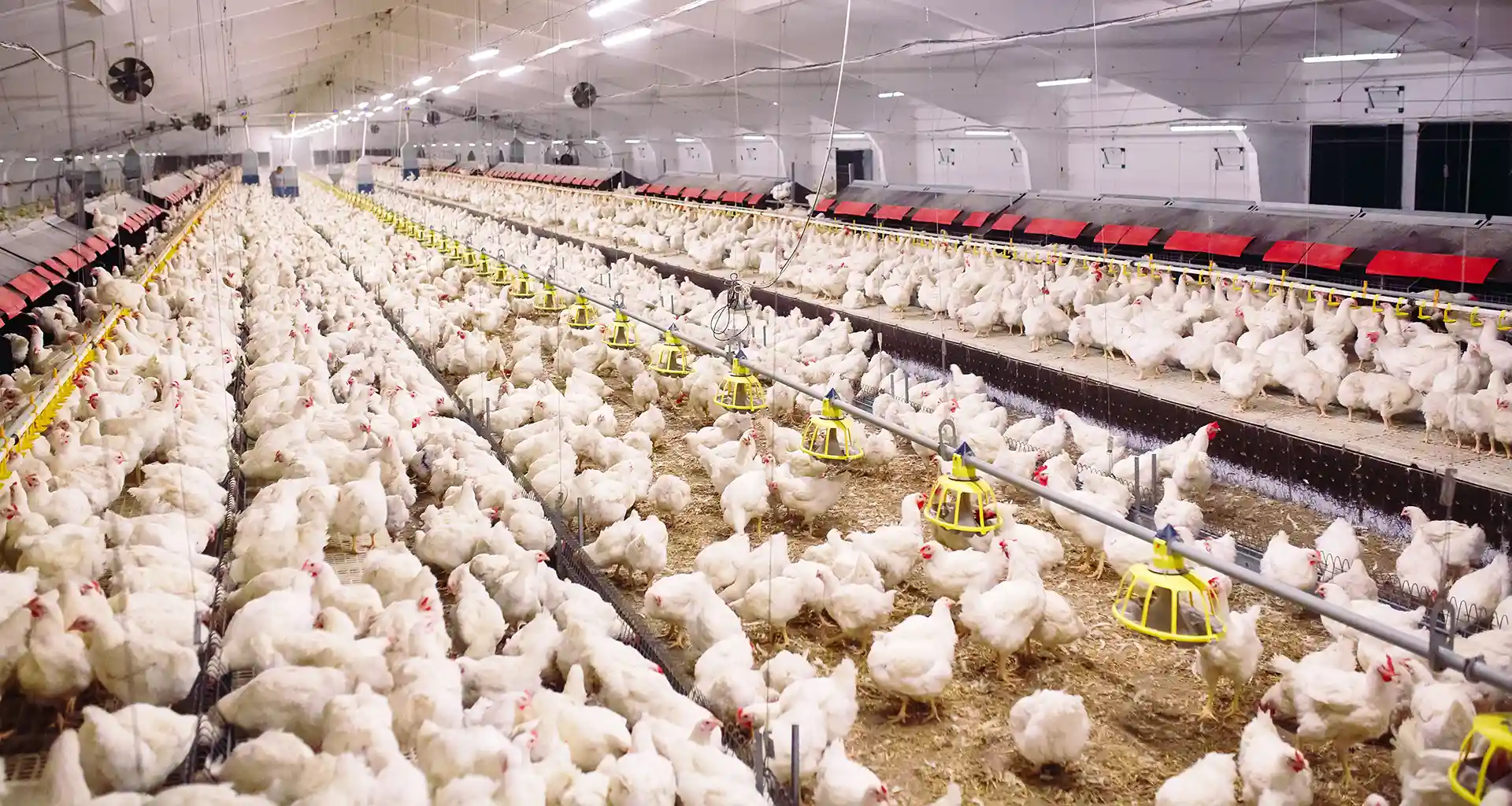
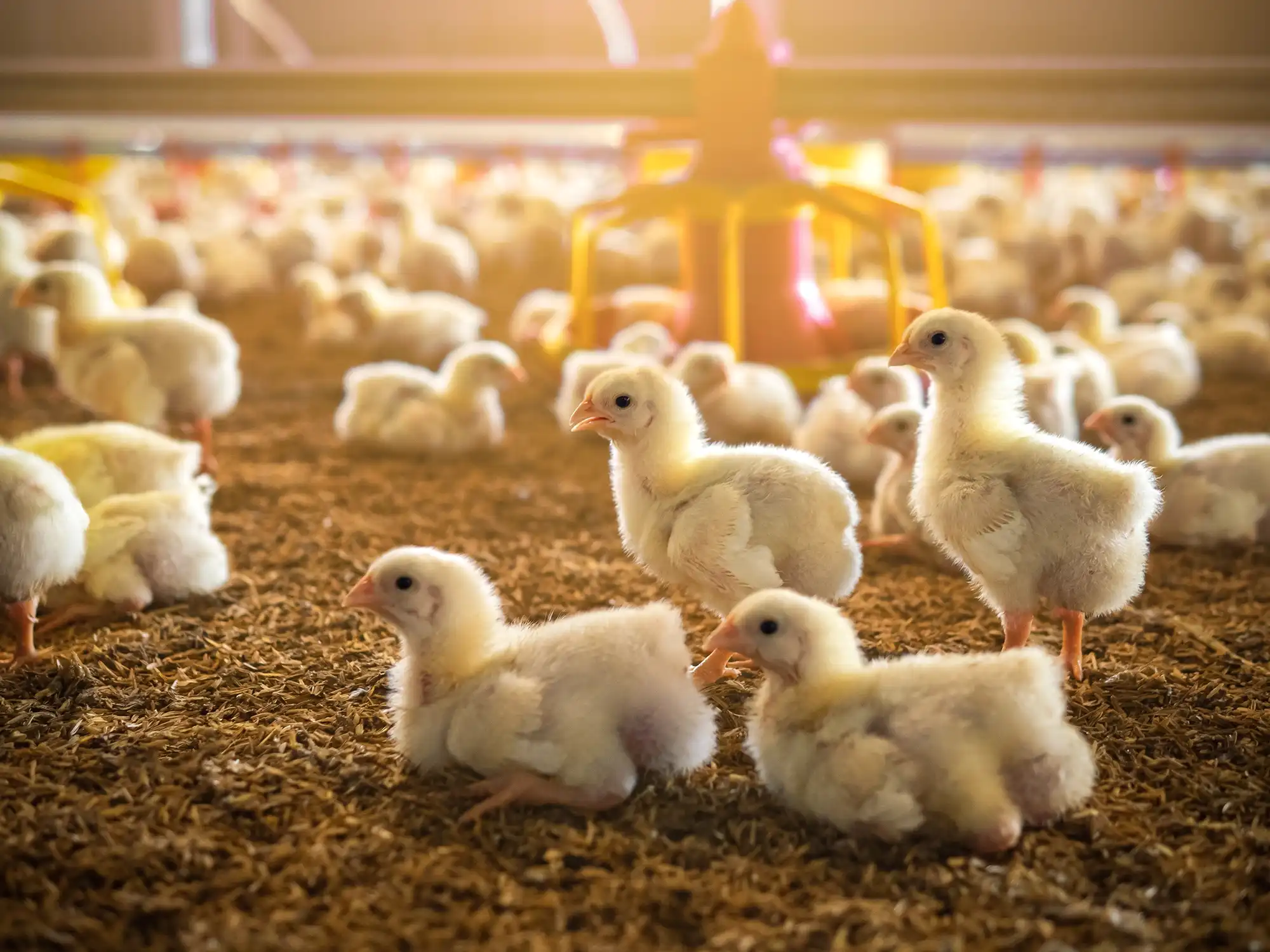
Consistent And Reliable Feed Supply In Poultry Production
Learn how continuous monitoring helps producers identify developing production challenges through changes in water consumption, growth performance and other key production indicators.

Feed supply involves the delivery of raw materials, ingredients, or mixed feed to production sites like factories, plants, or animal farming operations. Maintaining a steady and dependable supply of feed is essential for the efficient functioning of any production site and for the well-being of animals in farming contexts.

Incorporating Capacitive Sensors into Feed Supply Management

Enhancing the feed supply chain’s effectiveness can be achieved by integrating capacitive sensors. Capacitive sensors are electronic devices that measure the capacity or amount of electrical charge stored in a material. They work by detecting changes in capacitance, which is the ability of a material to store an electrical charge.

Capacitive sensors have a wide range of applications in managing feed supplies. For instance, they are effective in gauging the quantity of raw materials in storage facilities like bins, silos, or tanks. This monitoring helps in averting material shortages and guarantees uninterrupted production due to sufficient raw material or compound feed availability.

Monitoring The Flow Rate

Capacitive sensors can also be used to monitor the flow rate of raw materials being transported through pipes or conveyor belts. This can help to optimize the rate at which materials are supplied to the production process, ensuring that there is neither an excess nor a deficiency of raw materials.

Overall, the use of capacitive sensors in the feed supply process can help to improve efficiency, reduce costs, and prevent disruptions in production. They offer a reliable and cost-effective means of monitoring and controlling the flow of raw materials, ensuring that production can be maintained at optimal levels.

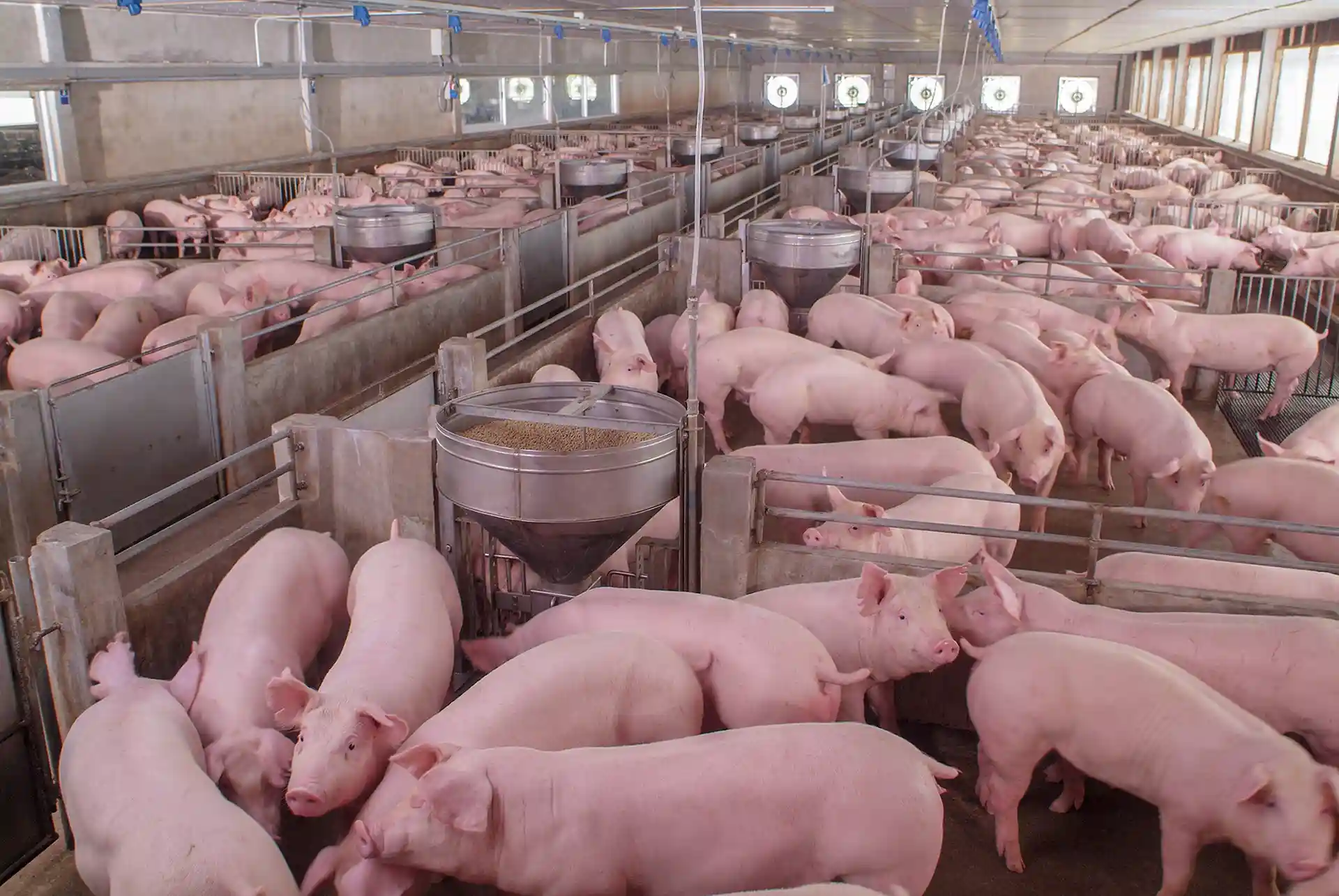
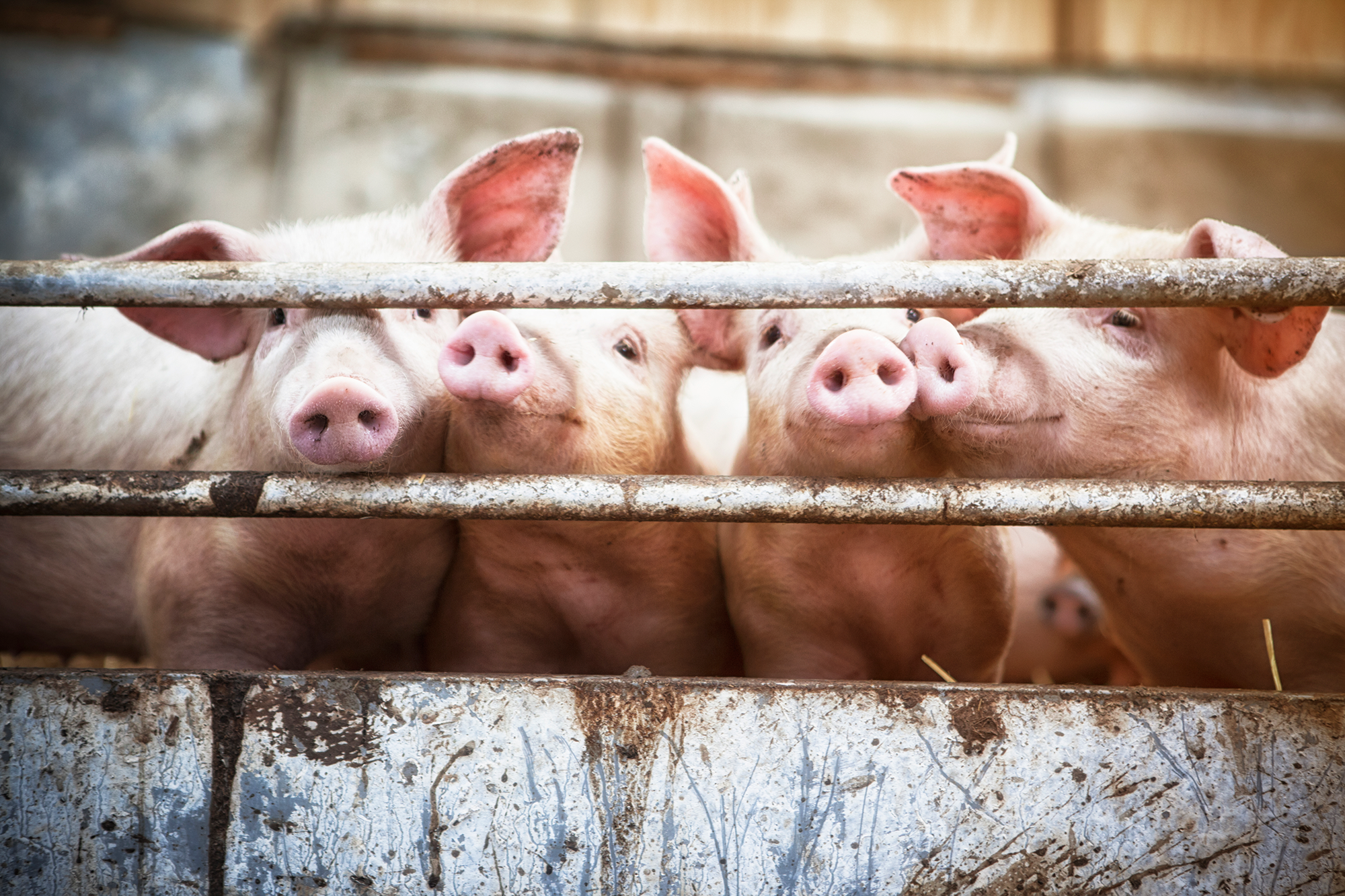
How Better Barn Environments Support Healthy Pig Growth
Learn how continuous monitoring helps producers identify developing production challenges through changes in water consumption, growth performance and other key production indicators.

Factors such as temperature, air quality, and overall barn stability shape how pigs behave, how efficiently they convert feed, and how vulnerable they are to disease. Modern production systems increasingly rely on real-time environmental monitoring to maintain these conditions, ensuring pigs live in a stable, predictable climate that supports their biological needs.

Why the Barn Matters for Growth

Pigs are highly sensitive to their surroundings. Even small fluctuations in temperature or air quality trigger stress responses which reduce feed intake, slow weight gain, and increase susceptibility to illness. A well-managed environment supports:

  • Optimal feed conversion - Pigs use energy for growth instead of fighting heat or cold stress
  • Stronger immune function - Stable conditions reduce respiratory challenges and pathogen pressure
  • Better welfare - Comfortable pigs are calmer, more active, and show fewer stress-related behaviors
  • Lower mortality and medication use - Healthy environments reduce disease outbreaks and treatment needs

These benefits translate directly into improved productivity and profitability for producers.

Key Environmental Factors That Influence Pig Growth

Temperature Stability

Continuous temperature monitoring helps producers maintain the ideal climate for each growth stage - from weaners to finishers.

Air Quality and Ventilation

Air quality is one of the most overlooked drivers of pig health. High levels of ammonia, CO₂, dust, and humidity can damage the respiratory system and increase disease risk.

Humidity Control

Humidity interacts with temperature influencing pig comfort. High humidity makes barns feel warmer, while low humidity increases dust levels in the air.

Noise and Stress Reduction

Environmental stressors - such as sudden noises, drafts, or inconsistent lighting - can disrupt feeding patterns and increase aggression. A calm, predictable environment supports steady growth and reduces injuries.

Monitoring Systems in Livestock Production
Learn how continuous monitoring helps producers identify developing production challenges through changes in water consumption, growth performance and other key production indicators.

The future of livestock farming is data-driven. By turning accurate, real-time insights into actionable decisions, producers can improve animal health and welfare, optimize performance, and build more sustainable operations. Data is becoming the foundation for smarter farming and a more resilient future.

Why Traditional Monitoring Is No Longer Enough

For generations, livestock management has relied heavily on visual observations and routine inspections. Experienced farmers can often identify changes in animal behavior, health, or performance through daily interactions with their animals.

However, modern livestock operations are becoming larger and more complex. Managing hundreds or thousands of animals makes it increasingly difficult to detect subtle changes that may indicate health issues, stress, or production inefficiencies.

Many problems develop gradually and may not become visible until they have already affected animal welfare or farm performance. Delayed detection can result in increased treatment costs, reduced productivity, and preventable losses.

Monitoring systems help bridge this gap by providing continuous observation and objective data that support faster and more informed decisions.

Key Areas Where Sensors Make the Biggest Impact

Selected Sensors

Documents

English
Technical User Guide
T-bracket for Sensor TUG_EN_604169
English
Technical Information
iDOL 46 ATEX_Technical Information_EN
English
Technical Information
DOL-40-series_DOL-41-43-45_Technical-Information_EN_45
English
Technical Information
DOL 20R_Technical Information_EN
English
Technical Information
DOL 44_DOL 44R and iDOL 44R_Technical Information_EN
English
Technical Information
DOL 27 iDOL 27 Technical Info_EN

Join our newsletter

Stay ahead in livestock production.

Join our newsletter and get industry insights, expert perspectives, and practical strategies for optimizing performance and efficiency.