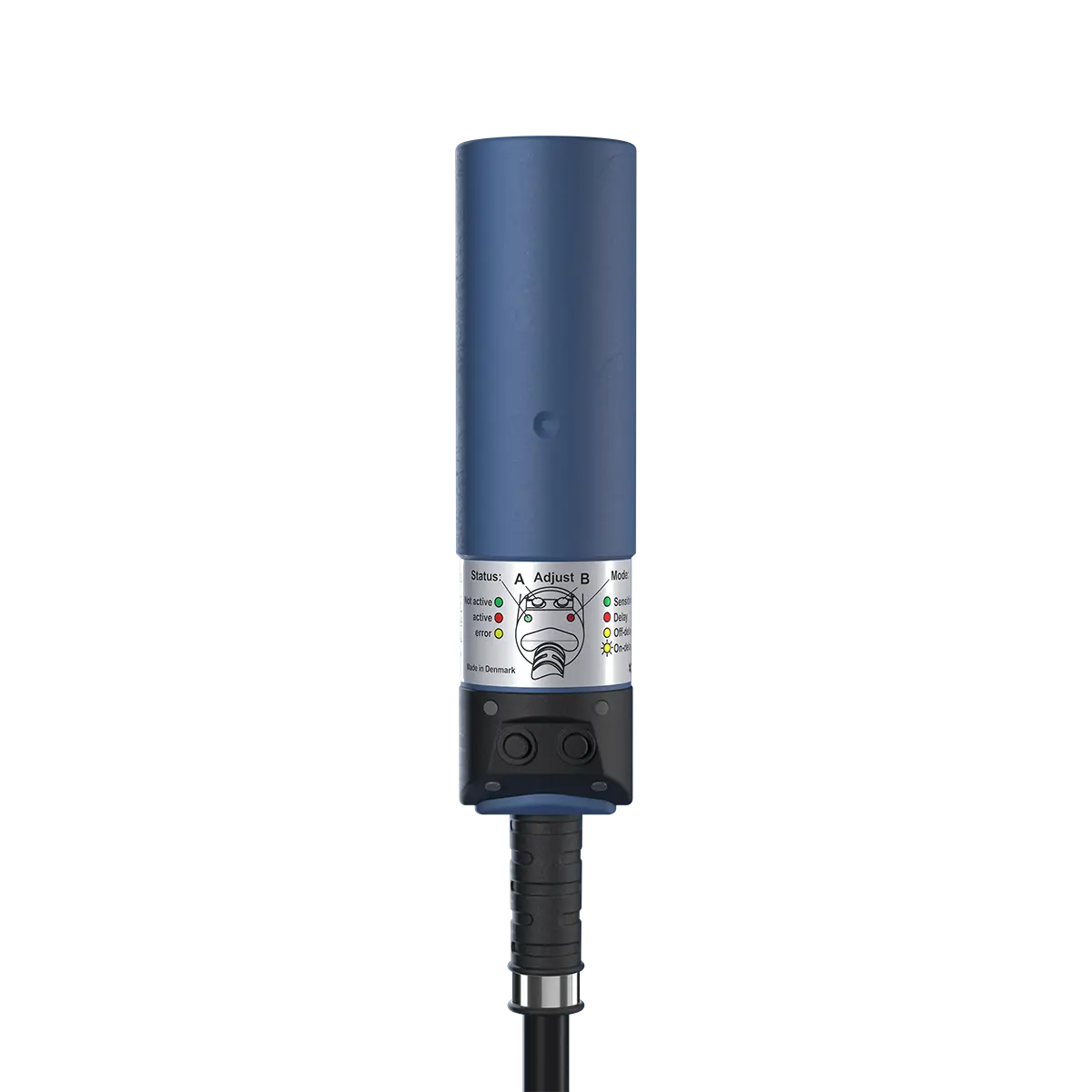
Why Feed Sensors Fail in Dusty Environments

Dust is an unavoidable challenge in livestock production. Poultry houses and pig facilities contain feed particles, bedding material, and other airborne contaminants that can affect equipment performance over time. Understanding why feed sensors fail in dusty environments can help producers choose more reliable solutions and reduce maintenance requirements.

Why Do Feed Sensors Fail in Dusty Environments?

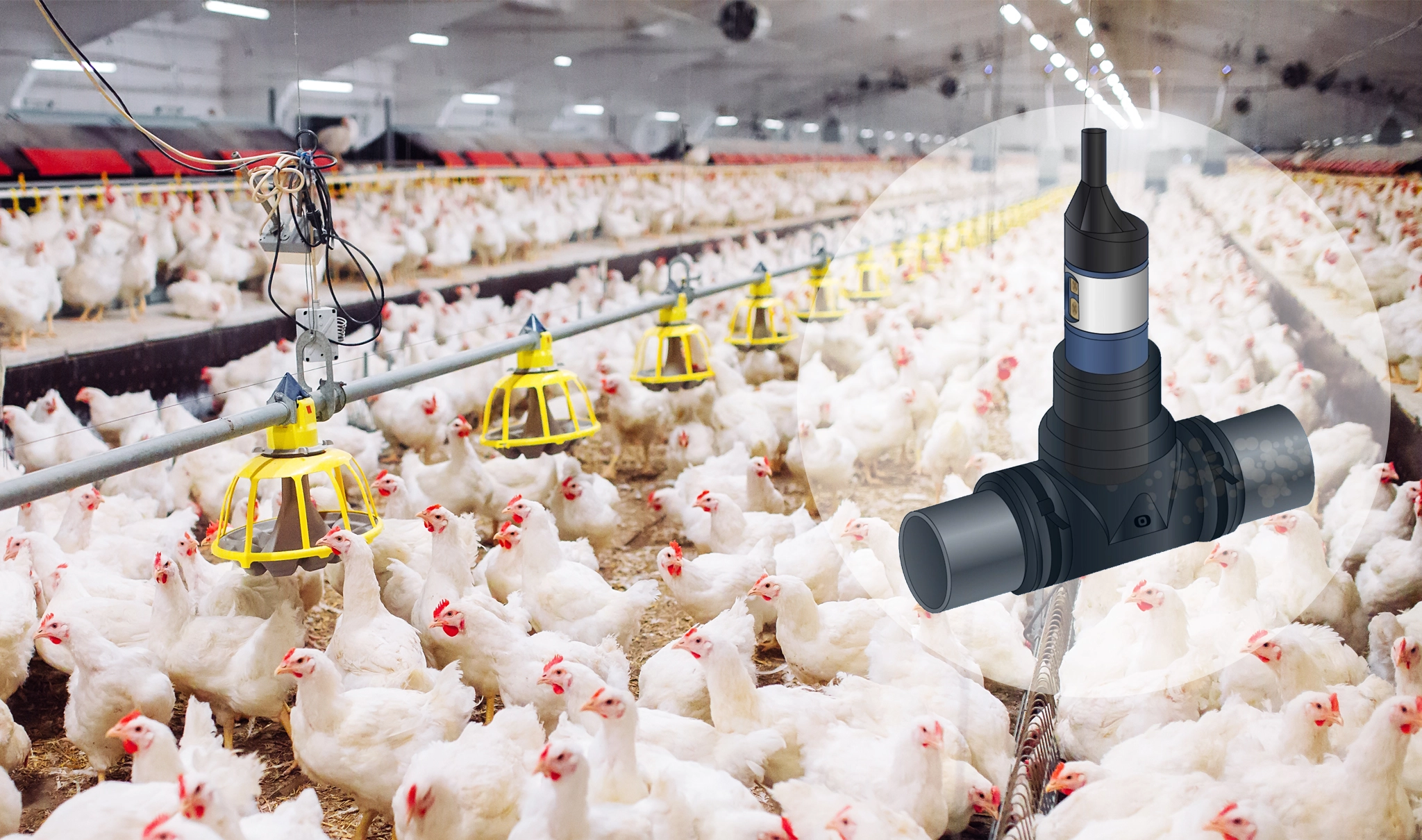
One of the most common causes of feed sensor failure is dust accumulation on the sensing surface or mechanical components.

Mechanical feed sensors may be particularly vulnerable because dust can accumulate around moving parts and affect sensor activation. In contrast, capacitive sensors operate without mechanical components, helping maintain reliable detection even when exposed to feed dust and airborne particles.

Other common causes include:

  • Build-up of feed dust around the sensor
  • Wear on mechanical components
  • Improper sensor placement
  • Moisture combined with dust contamination

In automated feeding systems, inaccurate sensor signals can result in empty feed lines, uneven feed distribution, or feed overflow.

How to Automate Livestock Feeding with Sensors
Discover how feed sensors detect empty feed lines, control augers, and improve feeding efficiency in livestock production.

Choosing Sensors Designed for Harsh Conditions

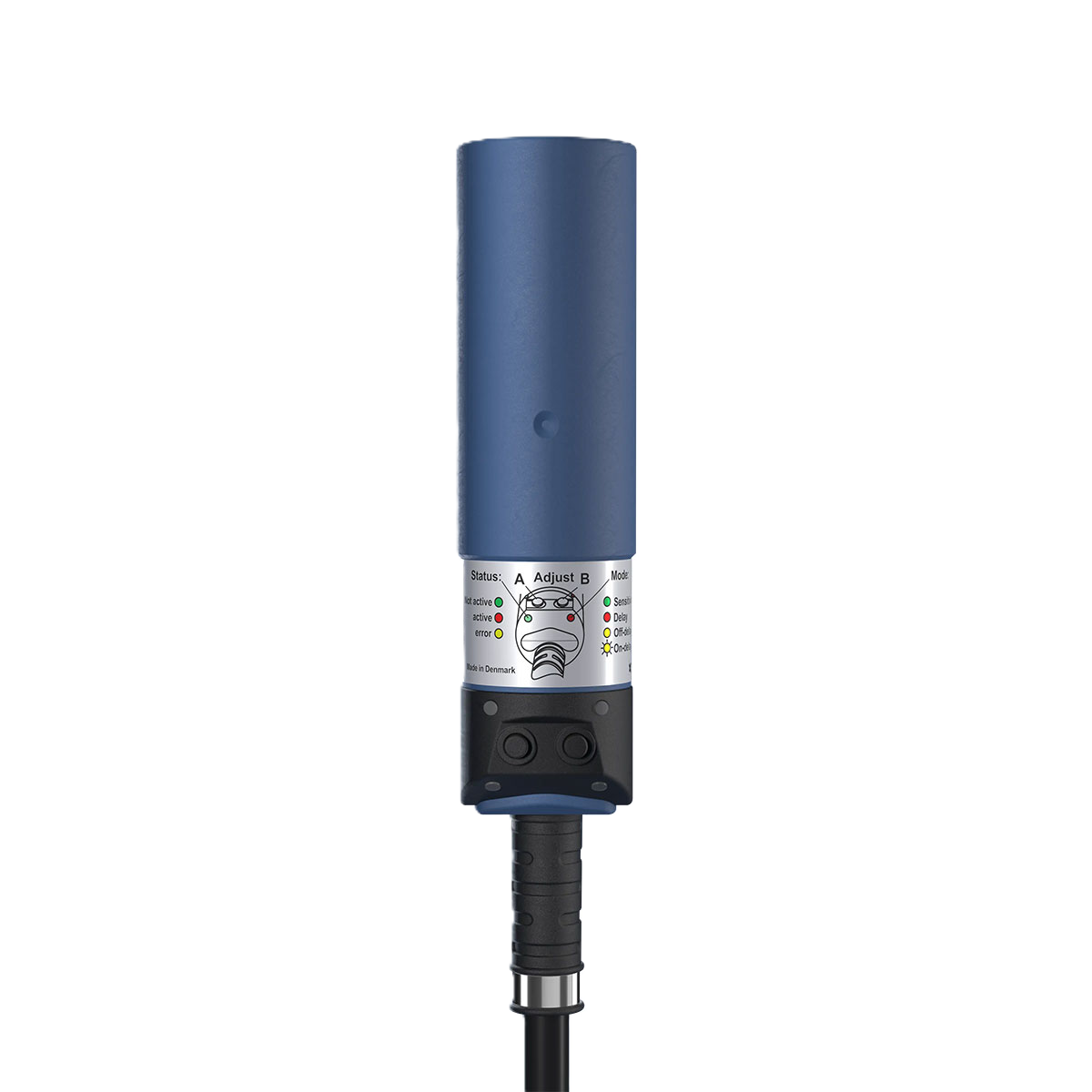
To improve reliability, many livestock producers use capacitive feed sensors. Because they operate without mechanical moving parts, they are less affected by dust and normal wear. This makes them well suited for poultry and pig production, where sensors must operate continuously in demanding environments.

When selecting a feed sensor, look for:

  • Dust-resistant design
  • No moving mechanical parts
  • High reliability in agricultural applications
  • Low maintenance requirements
  • Compatibility with automated feeding systems

In addition to dust-resistant design, our capacitive sensors are developed specifically for agricultural applications and provide reliable feed level detection in automated feeding systems. This helps reduce maintenance requirements while supporting consistent feed delivery.

Reliable Feed Monitoring Improves Feeding Efficiency

A reliable feed sensor helps maintain consistent feed availability, supports automated auger control, and reduces the risk of feed waste. By selecting sensors designed specifically for livestock environments, producers can improve feeding efficiency while minimizing downtime and maintenance.

How to Reduce Feeding Costs
Learn how continuous monitoring helps producers identify developing production challenges through changes in water consumption, growth performance and other key production indicators.

Feed is the single largest expense in pig production, often accounting for 60–70% of total production costs. Managing feed efficiency and cost is therefore critical to improving profitability and long-term sustainability. Below are five expert strategies that can help producers reduce feed costs without compromising growth performance or animal health.

1. Work with Feeding Specialists to Optimize Feed Formulation

Collaborating with a qualified animal nutritionist or feeding specialist is one of the most effective ways to reduce feed costs while maintaining optimal pig performance. These professionals have the technical expertise and access to formulation software that can balance diets precisely for energy, amino acids, vitamins, and minerals — all while minimizing unnecessary expenses.

A feeding specialist can:

  • Design least-cost rations based on the latest ingredient prices and availability, ensuring that every nutrient requirement is met efficiently.
  • Identify cost-effective ingredient substitutions, such as incorporating alternative protein or energy sources that maintain performance but reduce costs.
  • Provide ongoing feed evaluations and adjustments as pigs grow or as market conditions change, preventing over- or under-feeding.

By investing in professional feed advice, producers often achieve better feed efficiency, improved growth rates, and significant savings — results that far outweigh the cost of consultation.

2. Implement Phase Feeding Programs

Pigs have different nutrient requirements at each stage of growth. Feeding a single diet throughout the production period often results in nutrient wastage.

  • Phase feeding involves dividing the growth period into several phases, each with a diet precisely matched to the pigs’ needs.
  • Moving from a two-phase to a four-phase feeding program can reduce feed costs by 3–5% while maintaining growth performance.
  • Split-sex feeding can further enhance efficiency, as barrows and gilts have different nutrient requirements.

Improving feed efficiency requires continuous insight into both animal performance and barn conditions. Learn more about getting control in your pig production.

3. Improve Nutrient Utilization with Feed Additives

Enhancing the digestibility and absorption of nutrients is a practical way to lower overall feed costs. Feed additives such as enzymes, probiotics, and organic acids can help pigs make better use of the nutrients already present in their diets, reducing the need for expensive ingredients.

  • Enzymes can increase the availability of nutrients like phosphorus, protein, and energy from plant-based ingredients.
  • Probiotics and other gut health enhancers support a balanced intestinal environment, improving feed conversion and reducing the incidence of digestive problems.
  • Organic acids can help maintain feed hygiene and promote optimal digestion, particularly in young pigs.

By improving nutrient utilization, these additives help maximize the value of every kilogram of feed, supporting both performance and profitability.

Mechanical Switches Vs Capacitive Sensors
Learn how continuous monitoring helps producers identify developing production challenges through changes in water consumption, growth performance and other key production indicators.

Damaged Mechanical Switches Cause Problems in Livestock Feed Lines

In the world of livestock production, efficient and reliable feed delivery systems are crucial. These systems often rely on sensors to regulate and monitor feed flow.

Among the most commonly used are mechanical switches and capacitive sensors. While each has its advantages, there are some distinct problems associated with mechanical switches compared to capacitive sensors.

Mechanical Switches: Prone to Wear and Tear

Mechanical switches function through physical contact, which inherently makes them prone to wear and tear. In a livestock feed line, these switches are subjected to constant movement and abrasive feed materials, leading to a gradual degradation of their components. Over time, this can result in:

Increased Maintenance

Frequent replacements and adjustments become necessary as parts wear out. This means more work and more unwanted disturbances to the livestock.

Inaccuracy

Worn-out switches may fail to accurately detect feed levels, leading to overfilling or underfeeding. Every farm manager knows that this will have a huge effect on the production since it increases the risk of mold formation in the litter, leads to feed spill, and influences the growth of the livestock significantly.

Downtime

Failure of a mechanical switch can halt the feeding process, leading to downtime in operations. As with inaccuracy, downtime will influence the growth of the livestock and in extreme conditions lead to a large production loss.

Consistent And Reliable Feed Supply
Learn how continuous monitoring helps producers identify developing production challenges through changes in water consumption, growth performance and other key production indicators.

Feed supply refers to the process of providing raw materials, ingredients or compound feed to a production facility, such as a factory, plant, or livestock production. Ensuring a consistent and reliable feed supply is crucial for the smooth operation of any production facility and for the animal welfare in livestock production.

The Use of Capacitive Sensors In Feed Supply

One way to improve the efficiency of the feed supply process is through the use of capacitive sensors. Capacitive sensors are electronic devices that measure the capacity or amount of electrical charge stored in a material. They work by detecting changes in capacitance, which is the ability of a material to store an electrical charge.

There are many potential applications for capacitive sensors in the feed supply process. For example, they can be used to measure the level of raw materials in storage bins, silos or tanks. This can help to prevent shortages and ensure that production is not disrupted due to a lack of raw materials or compound feed.

Selected Sensors

Documents

English
Leaflet
Capacitive Brochure

Join our newsletter

Stay ahead in livestock production.

Join our newsletter and get industry insights, expert perspectives, and practical strategies for optimizing performance and efficiency.