Small Capacitive Proximity Sensor for OEM Needs

Compact Capacitive Sensor for Demanding Agricultural and Industrial Applications

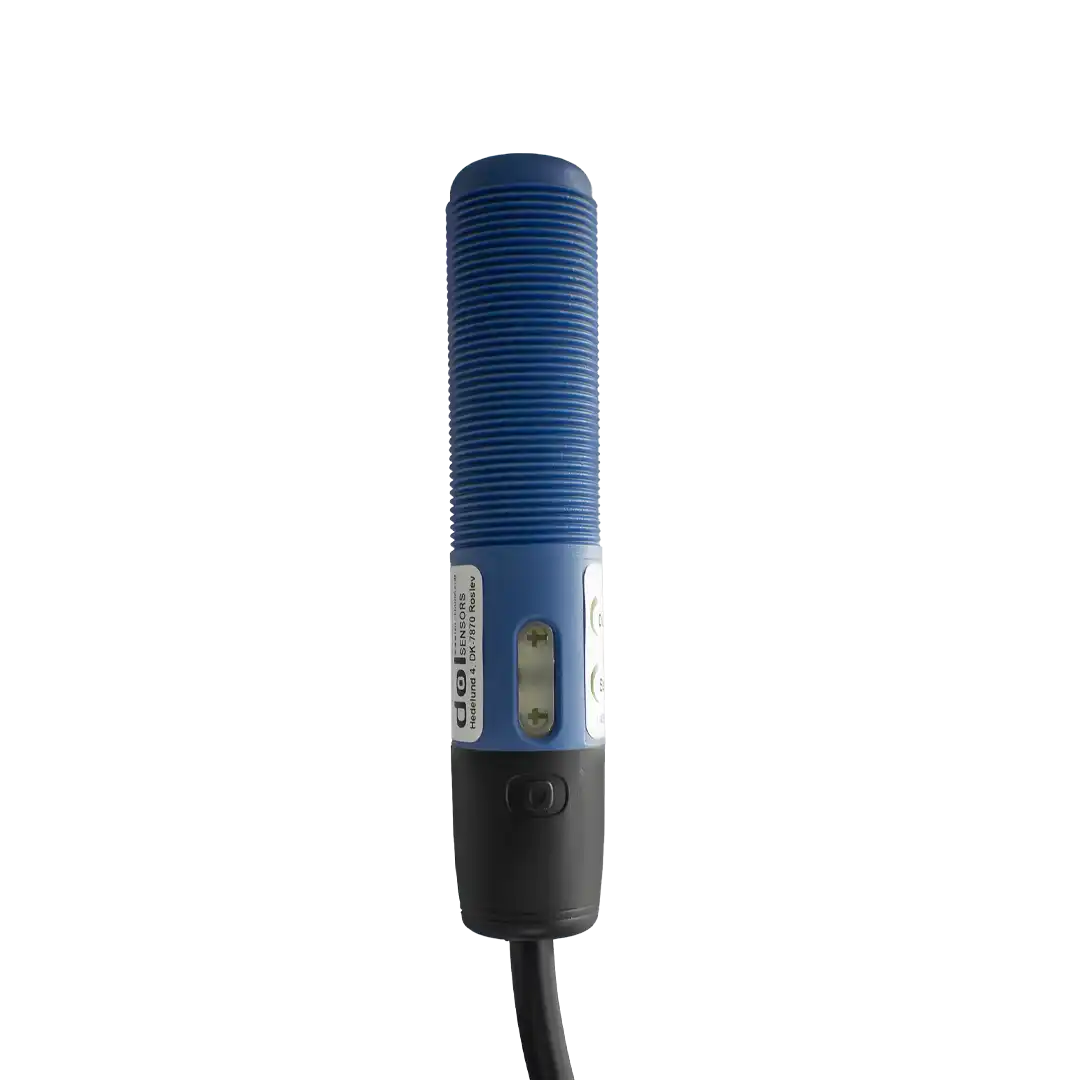
The DOL 26 Small Capacitive Proximity Sensor is a compact and reliable solution for detecting feed, grain, pellets, powders, and other solid materials in demanding environments. Designed for applications where installation space is limited, this miniature capacitive sensor delivers accurate material detection while maintaining the high durability required in modern agricultural and industrial systems.

Whether used in feed transportation, silo monitoring, or automated production processes, the DOL 26 helps ensure stable operation and efficient process control.

Why Choose a Small Capacitive Proximity Sensor?

Many production environments require sensors that can operate reliably in confined spaces while maintaining high detection performance. A small capacitive proximity sensor offers several advantages:

  • Easy installation in compact equipment
  • Reliable detection of feed, grain, and bulk materials
  • Reduced risk of operational downtime
  • Stable performance in dusty environments
  • Low maintenance requirements
  • Suitable for automated monitoring systems

The compact design of the DOL 26 makes it particularly suitable for installations where larger sensors are difficult to mount.

Read more → Consistent and Relable Feed supply

What Is a Miniature Capacitive Sensor?

A miniature capacitive sensor detects materials by measuring changes in capacitance when a target material enters the sensor's detection field. Unlike mechanical switches, capacitive sensors operate without physical contact, reducing wear and improving long-term reliability.

This technology is widely used for:

  • Feed flow monitoring
  • Material presence detection
  • Hopper and silo monitoring
  • Conveyor systems
  • Bulk solids handling
  • Automated process control

Because the sensor can detect a wide range of materials, capacitive sensing technology is an ideal choice for agricultural and industrial applications where robust performance is essential.

‍

‍

Small Capacitive Sensors for Feed and Material Detection
Learn more about accurate sensing performance in compact and demanding applications.

Reliable Feed Detection in Livestock Production

OEM's of feeding systems, transport equipment, and silo solutions require reliable sensing technologies that can be integrated into compact designs.

The DOL 26 Small Capacitive Proximity Sensor is developed to support equipment manufacturers with accurate material detection, long service life, and straightforward integration.

Robust Design for Flexible Installation

Space constraints are common in feed systems, conveyors, and processing equipment. The DOL 26 Small Capacitive Proximity Sensor is designed to fit into installations where larger sensors may not be practical.

Its compact form factor enables flexible mounting options while maintaining dependable sensing performance.

Typical installation areas include:

  • Feed silos
  • Feed augers
  • Conveying systems
  • Distribution equipment
  • Storage hoppers
  • Bulk material handling systems

Read more → Why Feed Sensors Fail in Dustry Environments

Improve Process Reliability with Capacitive Sensing Technology

Unplanned downtime can be costly in both agricultural and industrial operations. Using a miniature capacitive proximity sensor helps operators monitor material flow and detect process disruptions quickly.

By providing continuous material detection, the DOL 26 contributes to:

  • Improved process efficiency
  • More reliable automation
  • Reduced maintenance requirements
  • Better production planning
  • Increased operational uptime

Small Capacitive Sensor for Modern Automation

As automation becomes increasingly important across agriculture and industry, reliable sensing technology plays a critical role in maintaining efficient operations.

The DOL 26 Small Capacitive Proximity Sensor combines compact dimensions, robust construction, and dependable performance to deliver accurate material detection in demanding environments.

‍

Why Feed Sensors Fail in Dusty Environments
Learn how continuous monitoring helps producers identify developing production challenges through changes in water consumption, growth performance and other key production indicators.

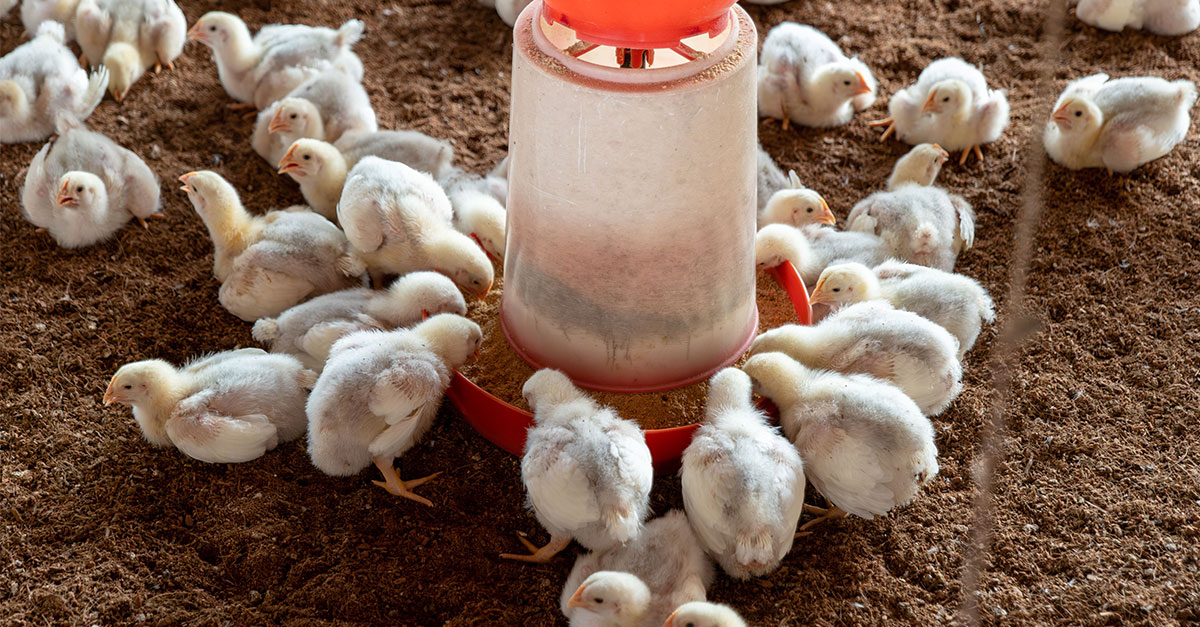
Dust is an unavoidable challenge in livestock production. Poultry houses and pig facilities contain feed particles, bedding material, and other airborne contaminants that can affect equipment performance over time. Understanding why feed sensors fail in dusty environments can help producers choose more reliable solutions and reduce maintenance requirements.

Why Do Feed Sensors Fail in Dusty Environments?

One of the most common causes of feed sensor failure is dust accumulation on the sensing surface or mechanical components.

Mechanical feed sensors may be particularly vulnerable because dust can accumulate around moving parts and affect sensor activation. In contrast, capacitive sensors operate without mechanical components, helping maintain reliable detection even when exposed to feed dust and airborne particles.

Other common causes include:

  • Build-up of feed dust around the sensor
  • Wear on mechanical components
  • Improper sensor placement
  • Moisture combined with dust contamination

In automated feeding systems, inaccurate sensor signals can result in empty feed lines, uneven feed distribution, or feed overflow.

Consistent And Reliable Feed Supply
Learn how continuous monitoring helps producers identify developing production challenges through changes in water consumption, growth performance and other key production indicators.

Feed supply refers to the process of providing raw materials, ingredients or compound feed to a production facility, such as a factory, plant, or livestock production. Ensuring a consistent and reliable feed supply is crucial for the smooth operation of any production facility and for the animal welfare in livestock production.

The Use of Capacitive Sensors In Feed Supply

One way to improve the efficiency of the feed supply process is through the use of capacitive sensors. Capacitive sensors are electronic devices that measure the capacity or amount of electrical charge stored in a material. They work by detecting changes in capacitance, which is the ability of a material to store an electrical charge.

There are many potential applications for capacitive sensors in the feed supply process. For example, they can be used to measure the level of raw materials in storage bins, silos or tanks. This can help to prevent shortages and ensure that production is not disrupted due to a lack of raw materials or compound feed.

How to Reduce Feeding Costs
Learn how continuous monitoring helps producers identify developing production challenges through changes in water consumption, growth performance and other key production indicators.

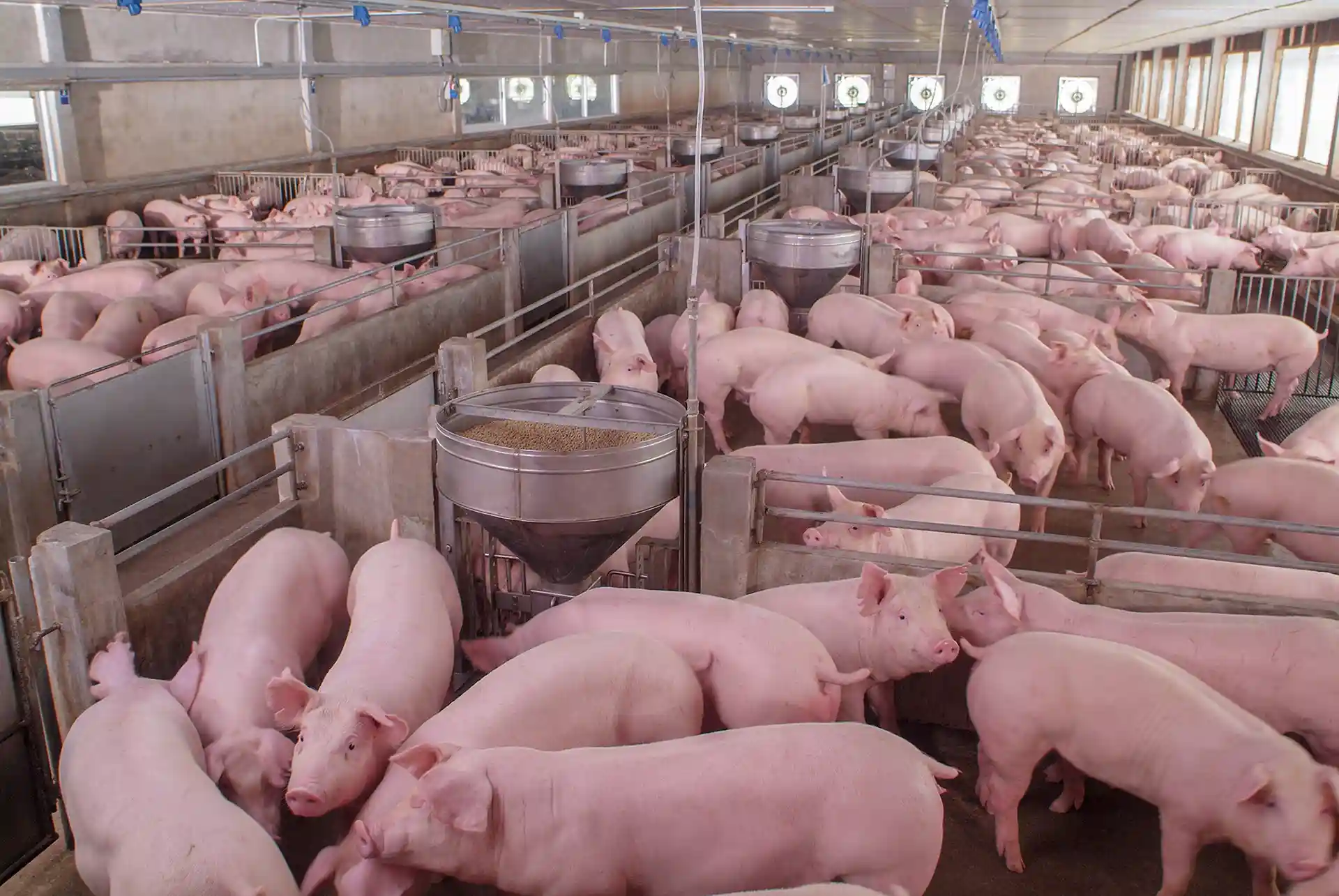
Feed is the single largest expense in pig production, often accounting for 60–70% of total production costs. Managing feed efficiency and cost is therefore critical to improving profitability and long-term sustainability. Below are five expert strategies that can help producers reduce feed costs without compromising growth performance or animal health.

1. Work with Feeding Specialists to Optimize Feed Formulation

Collaborating with a qualified animal nutritionist or feeding specialist is one of the most effective ways to reduce feed costs while maintaining optimal pig performance. These professionals have the technical expertise and access to formulation software that can balance diets precisely for energy, amino acids, vitamins, and minerals — all while minimizing unnecessary expenses.

A feeding specialist can:

  • Design least-cost rations based on the latest ingredient prices and availability, ensuring that every nutrient requirement is met efficiently.
  • Identify cost-effective ingredient substitutions, such as incorporating alternative protein or energy sources that maintain performance but reduce costs.
  • Provide ongoing feed evaluations and adjustments as pigs grow or as market conditions change, preventing over- or under-feeding.

By investing in professional feed advice, producers often achieve better feed efficiency, improved growth rates, and significant savings — results that far outweigh the cost of consultation.

2. Implement Phase Feeding Programs

Pigs have different nutrient requirements at each stage of growth. Feeding a single diet throughout the production period often results in nutrient wastage.

  • Phase feeding involves dividing the growth period into several phases, each with a diet precisely matched to the pigs’ needs.
  • Moving from a two-phase to a four-phase feeding program can reduce feed costs by 3–5% while maintaining growth performance.
  • Split-sex feeding can further enhance efficiency, as barrows and gilts have different nutrient requirements.

Improving feed efficiency requires continuous insight into both animal performance and barn conditions. Learn more about getting control in your pig production.

3. Improve Nutrient Utilization with Feed Additives

Enhancing the digestibility and absorption of nutrients is a practical way to lower overall feed costs. Feed additives such as enzymes, probiotics, and organic acids can help pigs make better use of the nutrients already present in their diets, reducing the need for expensive ingredients.

  • Enzymes can increase the availability of nutrients like phosphorus, protein, and energy from plant-based ingredients.
  • Probiotics and other gut health enhancers support a balanced intestinal environment, improving feed conversion and reducing the incidence of digestive problems.
  • Organic acids can help maintain feed hygiene and promote optimal digestion, particularly in young pigs.

By improving nutrient utilization, these additives help maximize the value of every kilogram of feed, supporting both performance and profitability.

‍

Selected Sensors

Documents

English
Leaflet
DOL 26 Capacitive/Proximity Sensor_Onepager

Join our newsletter

Stay ahead in livestock production.

‍Join our newsletter and get industry insights, expert perspectives, and practical strategies for optimizing performance and efficiency.