Which Production Indicators Can Help Detect Health Problems Earlier?

Health and production challenges rarely appear without warning.

Before mortality increases or production performance declines, animals often respond through small changes in their daily behaviour and biological processes.

These changes can be observed through production indicators.

Monitoring the right indicators helps producers identify developing challenges earlier, investigate potential causes sooner and make more informed management decisions.

The question is not whether production indicators matter.

The question is which indicators provide the most valuable insight for your operation.

No Single Indicator Provides Every Answer

Every production system is different.

The earliest sign of a developing challenge depends on many factors, including species, production stage and the nature of the issue.

Some problems may first become visible through changes in water consumption.

Others may influence growth performance, environmental conditions or animal behaviour.

Rather than relying on a single KPI, many producers combine multiple production indicators to build a broader understanding of what is happening inside the barn.

Which Production Indicator is Most Rrelevant For Your Operation?

Explore how different monitoring applications help provide earlier insight into animal health and production performance.

↓ Explore the production indicators below

How Continuous Monitoring Detects Problems Earlier
Discover how tracking key production indicators like water intake, growth performance, temperature, and air quality can help identify health issues before they impact productivity and welfare.

Water Consumption Monitoring

Water consumption is often one of the earliest production indicators to change.

Because animals drink continuously throughout the day, even small deviations from normal drinking patterns may indicate that production conditions have changed.

Continuous water monitoring can support earlier investigation of:

  • Emerging health challenges
  • Water supply issues
  • Feed-related changes
  • Environmental stress

Water consumption does not explain the cause of a problem.

It helps producers recognise when something has changed.

Explore Water Consumption Monitoring

Environmental Monitoring

Environmental conditions influence animal welfare, health and production performance every day.

Temperature, humidity, CO₂, ammonia and ventilation all affect how animals eat, drink and behave.

Continuous environmental monitoring helps producers maintain stable conditions while providing earlier visibility into:

  • Heat stress
  • Air quality
  • Ventilation performance
  • Environmental stability

Environmental insight supports both animal welfare and production consistency.

Explore Environmental Monitoring

Why Combining Indicators Creates Better Insight

Production challenges rarely affect only one parameter.

For example:

  • Environmental changes may influence water consumption.
  • Water consumption may affect growth performance.
  • Several indicators may begin changing before mortality increases.

Looking at multiple production indicators together provides a much stronger basis for understanding production performance than relying on a single measurement.

The objective is not simply to monitor more parameters.

It is to understand how different indicators work together to reveal developing production challenges.

Which Indicator Should You Start With?

The right starting point depends on your production system and the challenges you want to address.

Many producers begin with water consumption because it often changes early.

Others prioritise growth performance or environmental monitoring based on their operational priorities.

Regardless of where you begin, the objective remains the same:

Earlier visibility into production conditions.

Earlier investigation.

Better-informed management decisions.

Conclusion

Production indicators provide valuable insight long before production losses become visible.

By monitoring the right indicators, producers gain earlier visibility into changing production conditions and more time to investigate developing challenges.

Choosing the right production indicators is the first step.

The next step is understanding how each monitoring application works in practice and how it can support your production goals.

養鶏場における不十分な気候モニタリングの影響
Learn how continuous monitoring helps producers identify developing production challenges through changes in water consumption, growth performance and other key production indicators.

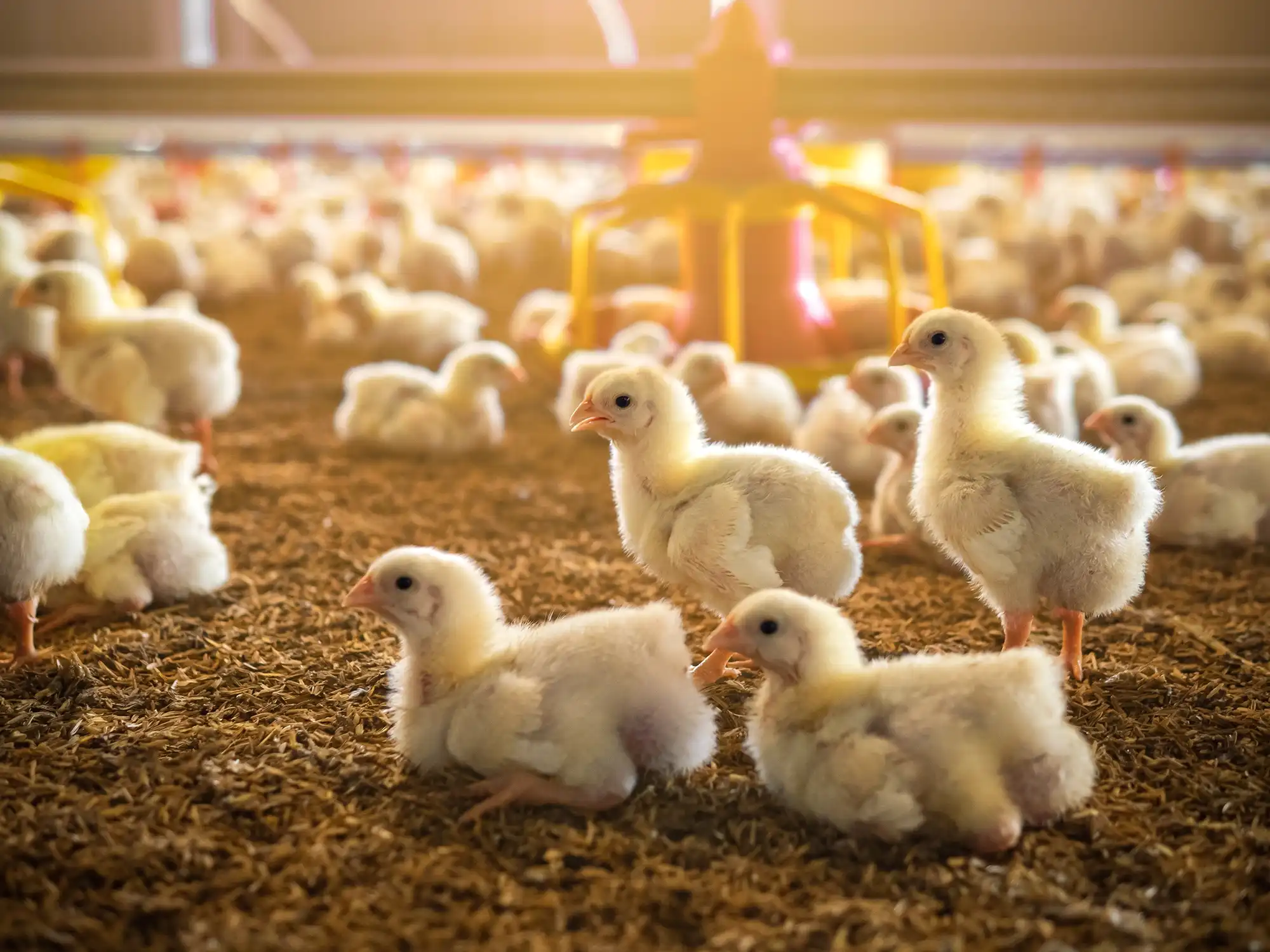
環境の安定は、健康と福祉を維持し、家禽生産の均一な成長を維持するために不可欠です。温度、空気の質、気流を継続的に監視しないと、偏差が徐々に発生し、群れのパフォーマンスにすでに影響が及ぶまで気づかないままになることがよくあります。これらの変化は鳥の行動と全体的な生産性に影響します。

温度ドリフトと不均一な成長

温度変化は、監視が不十分であることによる最も初期の結果の1つです。鳥は、暖かい地域に集まり、涼しい地域を避けることで反応します。これにより、飼料へのアクセスが変化し、競争が激化します。時間が経つにつれて、こうした行動の調整により、体重と飼料の転換率に測定可能な違いが生じます。温度ドリフトはゆっくりと進行するため、定期的なチェックだけで検出されることはほとんどありません。

湿度の上昇とゴミの停滞

特に夜間や寒い時期には、換気が少なくなると湿度が急激に上昇します。監視しなければ、ゴミが濡れたり固まったりするまで、これらの変動は気づかれません。湿度が高くなると、アンモニアの放出が促進され、安静時の快適性が低下します。鳥は湿った場所を避け、乾燥した地域に家畜密度を集中させ、不均一な成長パターンを強めます。

大気質の低下:CO₂とアンモニアの蓄積

CO₂とアンモニアは目に見えないため、感覚的な手がかりでは確実に評価できません。換気が弱まると、CO₂が急速に蓄積し、鳥の活動が減り、餌の摂取が抑制されます。ゴミの水分が増えるとアンモニアが上昇し、気道を刺激して免疫防御を弱めます。CO₂とアンモニアは、人体に気づくずっと前に有害なレベルに達する可能性があるため、手動チェックでは空気の質の問題を見つけるのが遅すぎます。

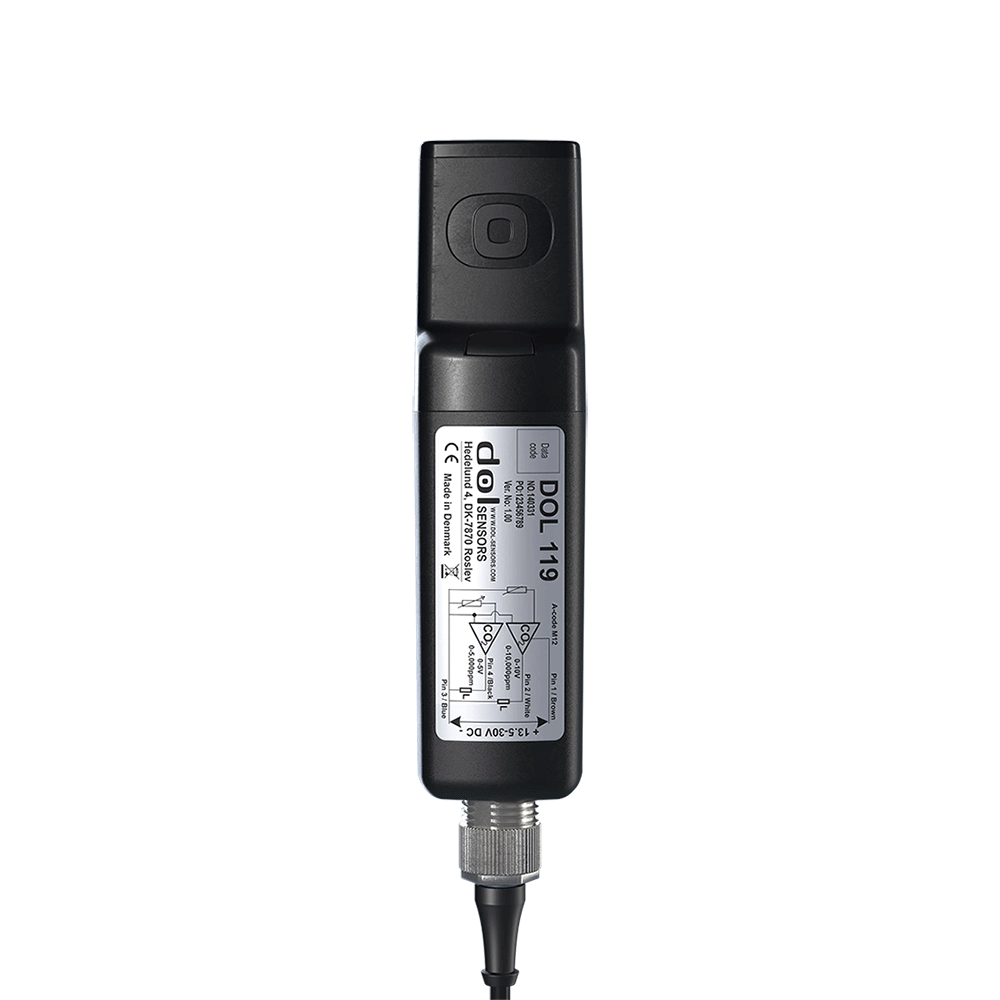
アンモニアレベルは、家禽生産における動物福祉、成長、飼料効率に直接影響します。 正確なアンモニア測定が、最適な条件を維持し、全体的な結果を改善するのにどのように役立つかをご覧ください

畜産における監視システム
Learn how continuous monitoring helps producers identify developing production challenges through changes in water consumption, growth performance and other key production indicators.

畜産の未来はデータ主導型です。正確なリアルタイムの洞察を具体的な意思決定へと変えることで、生産者は家畜の健康と福祉を向上させ、パフォーマンスを最適化し、より持続可能な運営を構築できます。データは、よりスマートな農業と、より強靭な未来を築くための基盤となりつつあります。

なぜ従来の監視だけでは不十分なのか

何世代にもわたり、畜産管理は目視による観察や定期的な点検に大きく依存してきました。経験豊富な農家は、日々の家畜との触れ合いを通じて、行動や健康状態、パフォーマンスの変化を察知することがよくあります。

しかし、現代の畜産経営は大規模化・複雑化しています。数百、数千頭もの家畜を管理する中で、健康問題やストレス、生産効率の低下を示すわずかな変化を検知することはますます困難になっています。

多くの問題は徐々に進行するため、家畜の福祉や農場のパフォーマンスに影響が出るまで目に見えないことが少なくありません。発見が遅れると、治療費の増加や生産性の低下、防げたはずの損失につながる可能性があります。

監視システムは、継続的な観察と客観的なデータを提供することでこのギャップを埋め、より迅速で的確な意思決定をサポートします。

センサーが最も大きな影響を与える主要分野

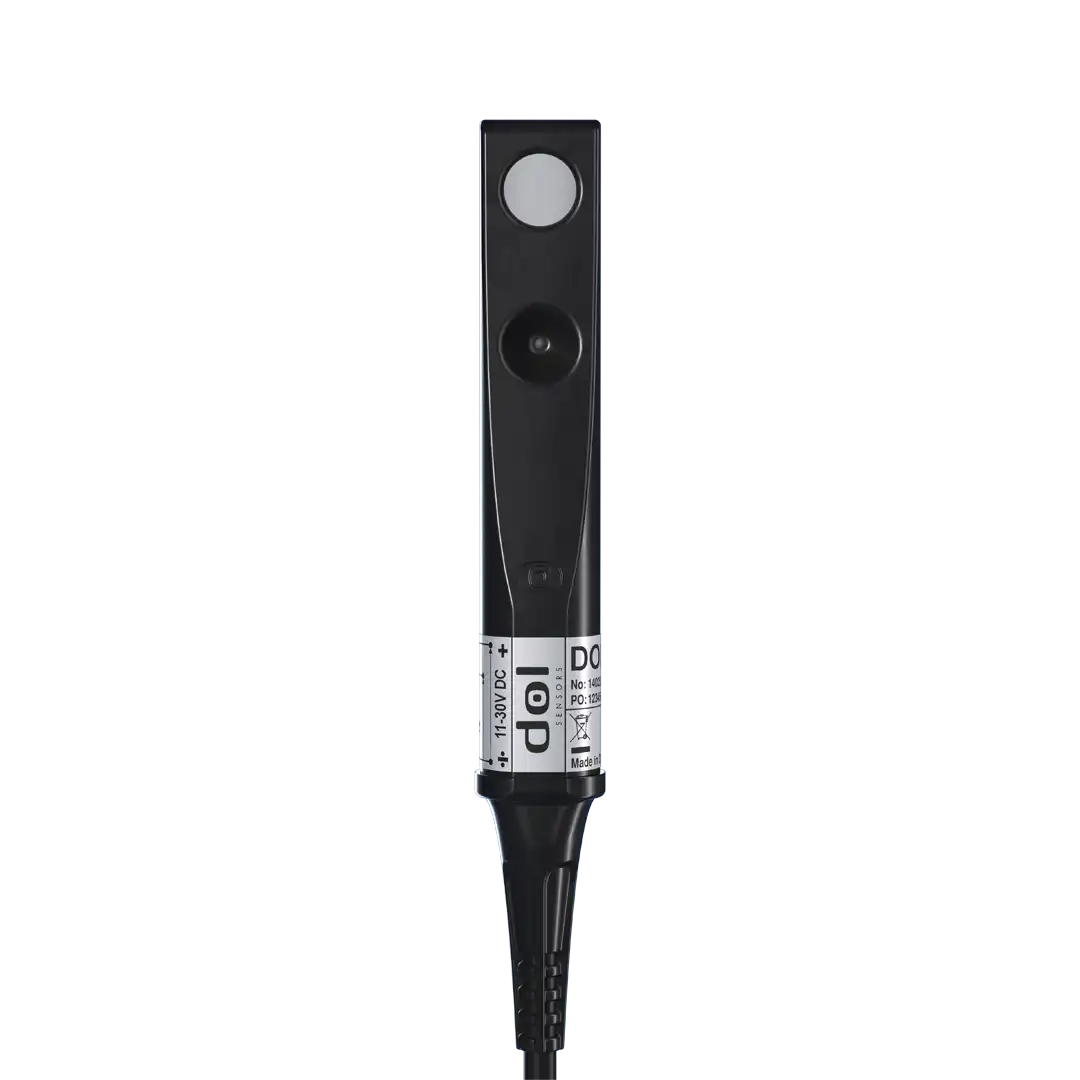
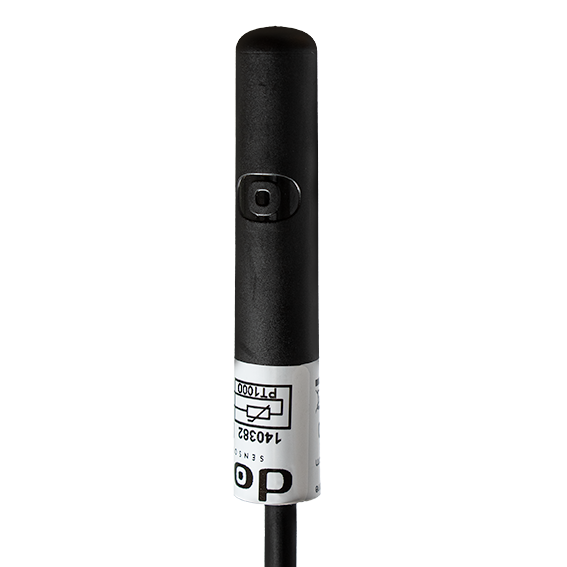
  • 環境制御: 温度、湿度、CO₂、アンモニア濃度を監視し、成長を促進しストレスを軽減する安定した環境を維持します。
  • 飼料・給水監視: 自動システムが詰まりや漏水、異常な消費パターンを検知します。
  • 換気の最適化: センサーが空気質とエネルギー効率のバランスを最適化します。
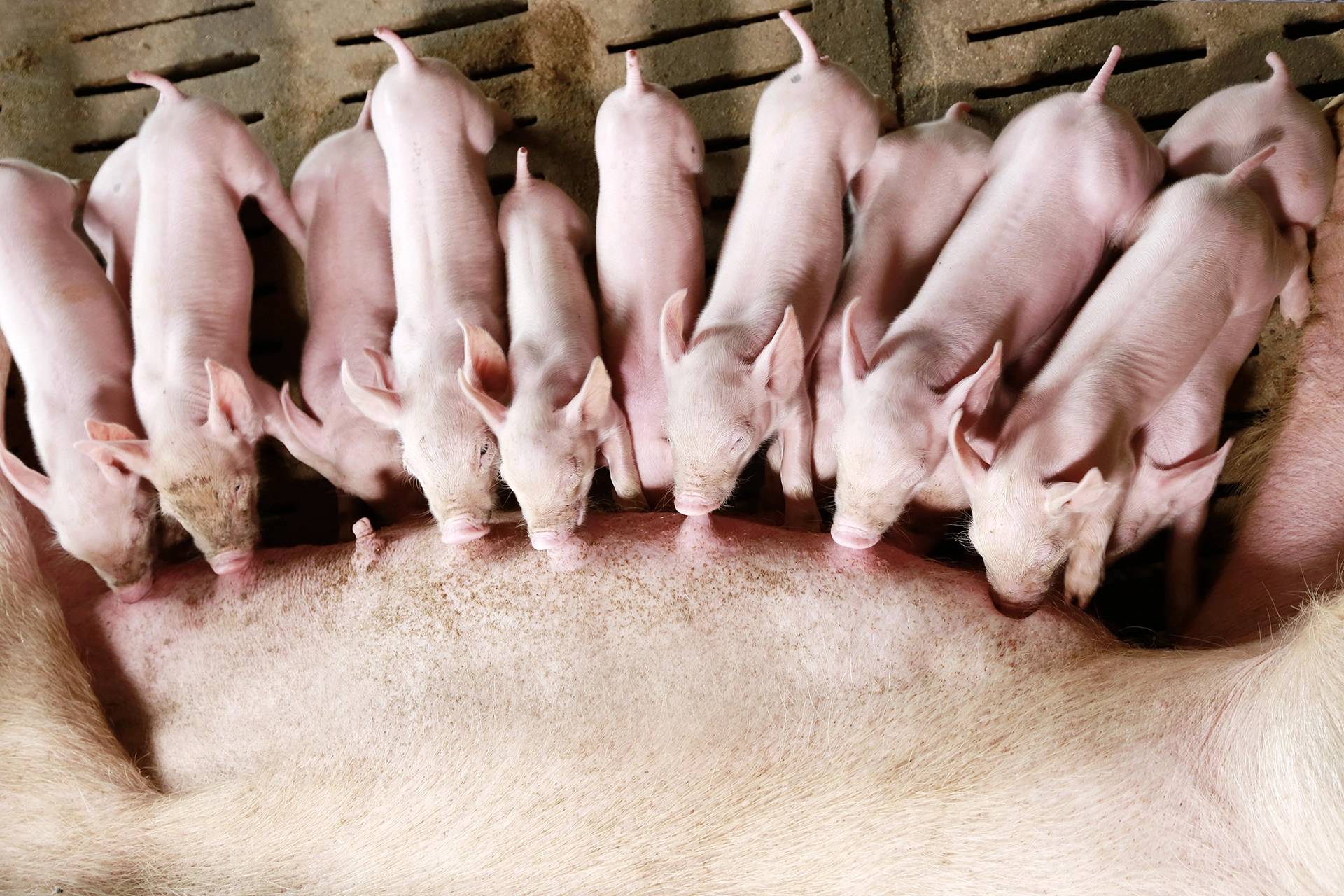
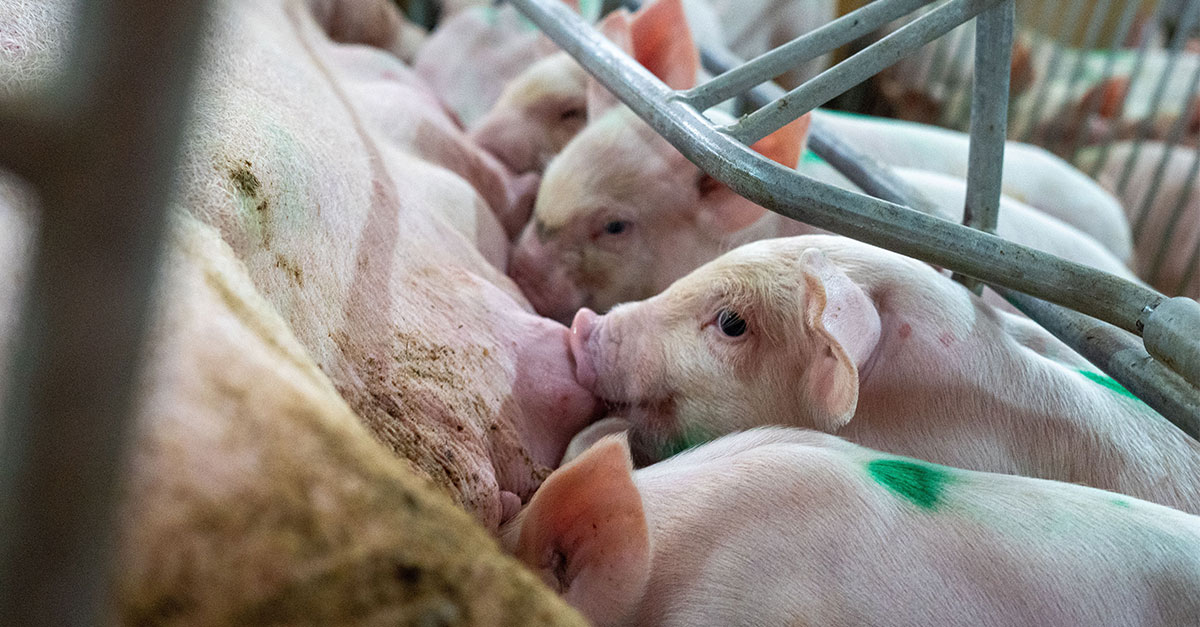
養豚生産における早期警告は費用のかかる損失の防止に役立ちます
Learn how continuous monitoring helps producers identify developing production challenges through changes in water consumption, growth performance and other key production indicators.

現在、豚の生産は世界のほとんどの地域で大きな圧力にさらされています。豚の価格変動と動物福祉と持続可能性に対する要求の高まりにより、利益率は着実に低下しています。同時に、生産者は、ますます複雑化し予測が困難になる状況下でも、一貫した業績を上げることが期待されています。

養豚業界に機器、システム、技術を提供するOEM企業にとって、これは明らかな課題となります。それは、パフォーマンスのわずかな偏差がすぐに大きな経済的損失につながる可能性がある環境で、顧客が収益性と安定性を維持できるように支援する方法です。

疾病圧力が世界の豚生産を変えました

疾病の流行は、過去10年間、豚の生産における最も破壊的な要因の1つでした。アフリカ豚コレラ(ASF)、PRRS、その他の風土病は、生産損失の規模が非常に大きいため、世界の豚肉供給に目に見えるほどの影響を及ぼしています。

2023年から2025年の間に、世界の食肉処理豚の損失は年間2,300万から4,000万頭と推定されており、これは世界の豚総生産量の約1.8〜2.8パーセントに相当します。ASFがアジア全域に広がった2019年から2021年にかけての危機のピーク時には、年間損失は4,500万~7,000万頭と劇的に増加し、これは世界の生産量の3.5~ 5.0% に相当します。

これらの数字は、疾病予防と早期発見が業務上の懸案事項から戦略的優先事項へと移行した理由を示しています。この規模での生産損失は、供給を減少させただけでなく、価格変動の増大の一因にもなり、生産者にとって収益計画や長期的な投資決定を著しく困難にしています。

経済的圧力により反応が遅れるとコストが増大する

マージンが狭いと、対応が遅すぎることによるコストが不釣り合いに高くなります。病気、ストレス、最適とは言えない気候、または飼料の変化が一晩で現れることはめったにありません。ほとんどの場合、飼料摂取量の減少、成長の鈍化、変動の増加、または微妙な行動の変化により、パフォーマンスの低下は徐々に始まります。

しかし、こうした初期のシグナルは、従来の生産環境では見過ごされがちです。通常、死亡率が上昇したり、飼料の転換率が悪化したり、獣医の介入が必要になったりして初めて問題が発見されます。その時点で、金銭的損害はすでに発生しています。

OEMにとって、これは根本的な疑問を提起します。それは、テクノロジーがパフォーマンスの偏差を早期に把握し、損失が蓄積する前に是正措置を講じるにはどうすればよいかということです。

福祉への期待の高まりと抗生物質の使用量の減少が水準を引き上げる

消費者の期待も急速に変化しています。主要な市場全体で、より高い動物福祉基準のもとで生産され、抗生物質の使用を最小限に抑えた豚肉に対する需要が高まっています。小売業者、加工業者、規制当局が、福祉目標が達成されていること、抗生物質の使用が正当化および管理されていることを証明する書類を求めるケースが増えています。

こうした状況は、生産者に対し、事後的にではなく、積極的に健康管理を行うようさらに圧力をかけています。良好な福祉成果は、安定した環境、早期の介入、一貫した管理にかかっています。これらはすべて、日々の生産実績をよりよく把握できることから恩恵を受けます。

自動車メーカーにとって、福祉、健康、生産性を結びつけるデータ主導型の洞察で顧客をサポートする能力は、重要な差別化要因になりつつあります。

Selected Sensors

Documents

No items found.

Join our newsletter

Stay ahead in livestock production.

Join our newsletter and get industry insights, expert perspectives, and practical strategies for optimizing performance and efficiency.