Which Production Indicators Can Help Detect Health Problems Earlier?

Health and production challenges rarely appear without warning.

Before mortality increases or production performance declines, animals often respond through small changes in their daily behaviour and biological processes.

These changes can be observed through production indicators.

Monitoring the right indicators helps producers identify developing challenges earlier, investigate potential causes sooner and make more informed management decisions.

The question is not whether production indicators matter.

The question is which indicators provide the most valuable insight for your operation.

No Single Indicator Provides Every Answer

Every production system is different.

The earliest sign of a developing challenge depends on many factors, including species, production stage and the nature of the issue.

Some problems may first become visible through changes in water consumption.

Others may influence growth performance, environmental conditions or animal behaviour.

Rather than relying on a single KPI, many producers combine multiple production indicators to build a broader understanding of what is happening inside the barn.

Which Production Indicator is Most Rrelevant For Your Operation?

Explore how different monitoring applications help provide earlier insight into animal health and production performance.

↓ Explore the production indicators below

How Continuous Monitoring Detects Problems Earlier
Discover how tracking key production indicators like water intake, growth performance, temperature, and air quality can help identify health issues before they impact productivity and welfare.

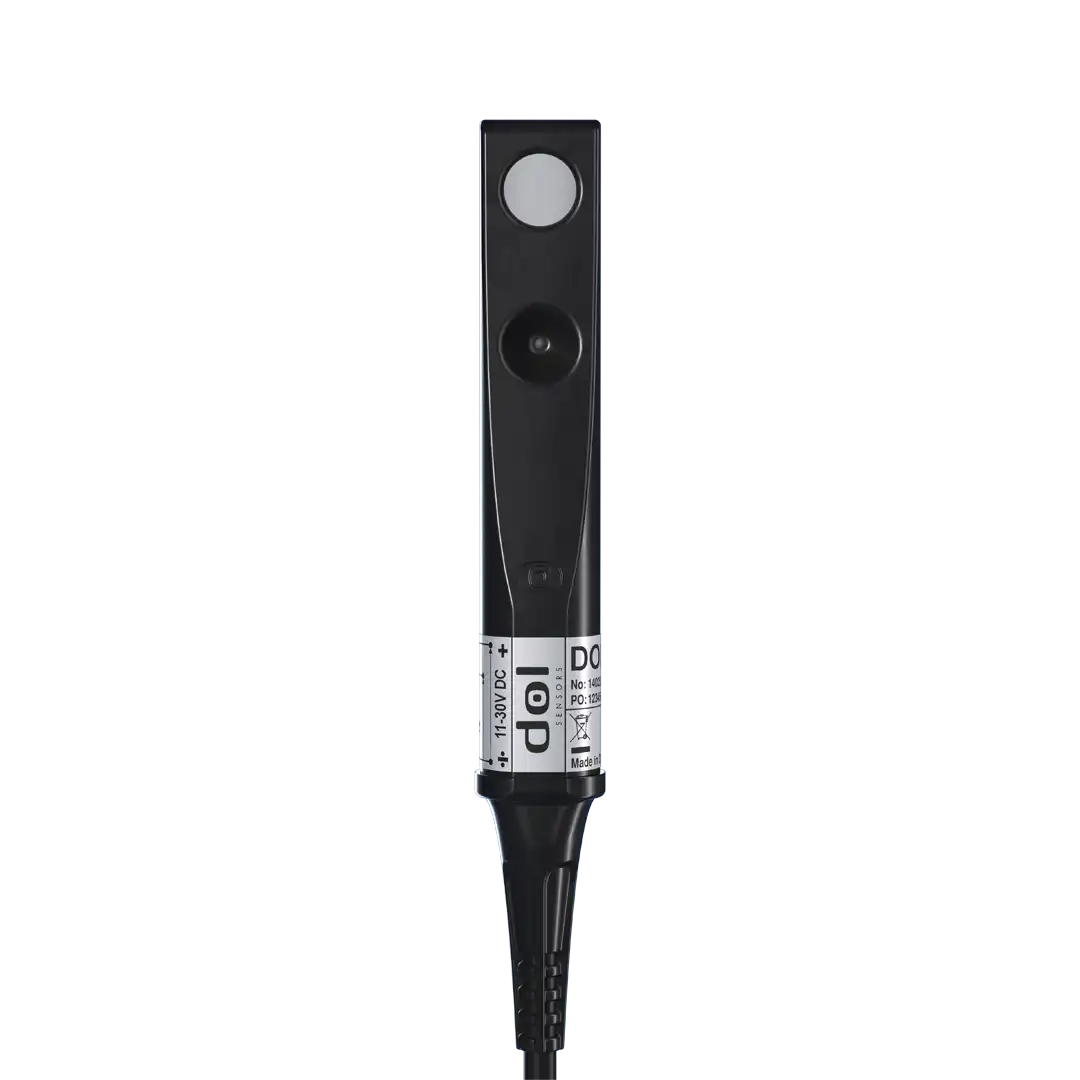
Water Consumption Monitoring

Water consumption is often one of the earliest production indicators to change.

Because animals drink continuously throughout the day, even small deviations from normal drinking patterns may indicate that production conditions have changed.

Continuous water monitoring can support earlier investigation of:

  • Emerging health challenges
  • Water supply issues
  • Feed-related changes
  • Environmental stress

Water consumption does not explain the cause of a problem.

It helps producers recognise when something has changed.

Explore Water Consumption Monitoring

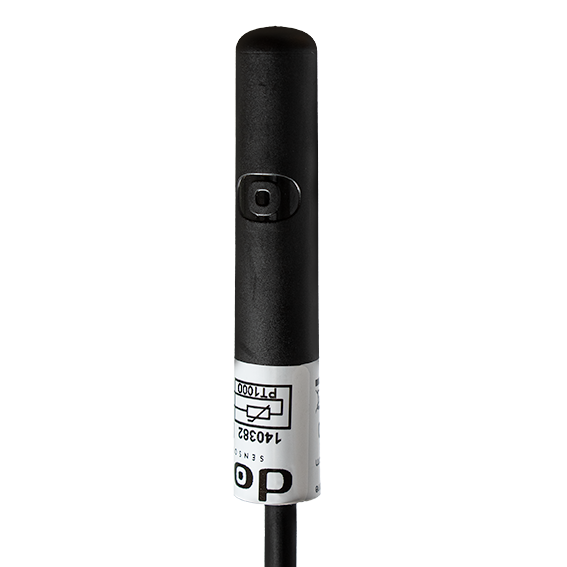
Environmental Monitoring

Environmental conditions influence animal welfare, health and production performance every day.

Temperature, humidity, CO₂, ammonia and ventilation all affect how animals eat, drink and behave.

Continuous environmental monitoring helps producers maintain stable conditions while providing earlier visibility into:

  • Heat stress
  • Air quality
  • Ventilation performance
  • Environmental stability

Environmental insight supports both animal welfare and production consistency.

Explore Environmental Monitoring

Why Combining Indicators Creates Better Insight

Production challenges rarely affect only one parameter.

For example:

  • Environmental changes may influence water consumption.
  • Water consumption may affect growth performance.
  • Several indicators may begin changing before mortality increases.

Looking at multiple production indicators together provides a much stronger basis for understanding production performance than relying on a single measurement.

The objective is not simply to monitor more parameters.

It is to understand how different indicators work together to reveal developing production challenges.

Which Indicator Should You Start With?

The right starting point depends on your production system and the challenges you want to address.

Many producers begin with water consumption because it often changes early.

Others prioritise growth performance or environmental monitoring based on their operational priorities.

Regardless of where you begin, the objective remains the same:

Earlier visibility into production conditions.

Earlier investigation.

Better-informed management decisions.

Conclusion

Production indicators provide valuable insight long before production losses become visible.

By monitoring the right indicators, producers gain earlier visibility into changing production conditions and more time to investigate developing challenges.

Choosing the right production indicators is the first step.

The next step is understanding how each monitoring application works in practice and how it can support your production goals.

Consequences of Insufficient Climate Monitoring in Poultry Houses
Learn how continuous monitoring helps producers identify developing production challenges through changes in water consumption, growth performance and other key production indicators.

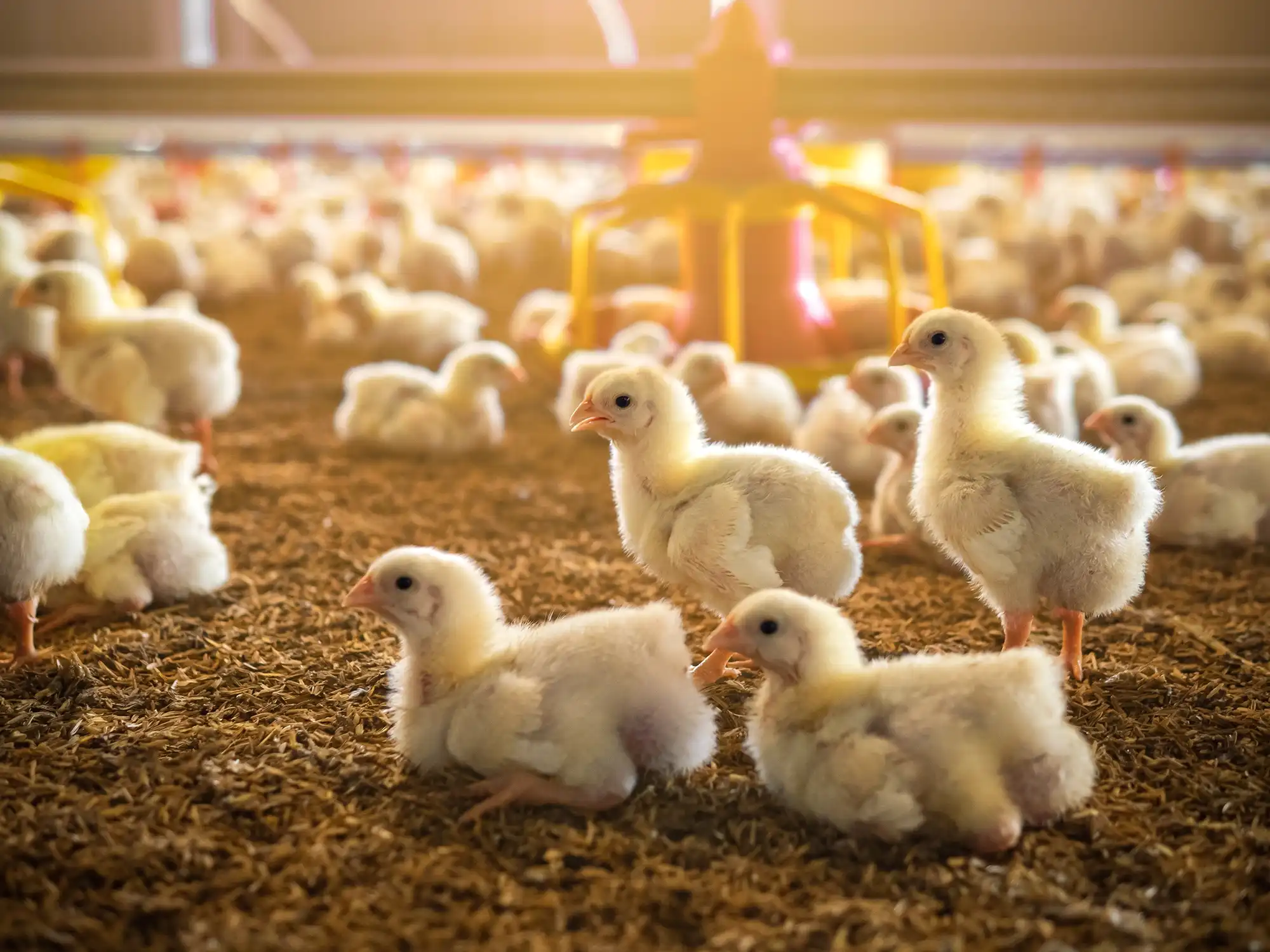
Environmental stability is essential for maintaining health, welfare, and uniform growth in poultry production. When temperature, air quality, and airflow are not monitored continuously, deviations often develop gradually and remain unnoticed until they have already affected flock performance. These changes influence bird behavior and overall productivity.

Temperature Drift and Uneven Growth

Temperature variation is one of the earliest consequences of inadequate monitoring. Birds respond by clustering in warmer areas and avoiding cooler zones, which alters feed access and increases competition. Over time, these behavioral adjustments lead to measurable differences in body weight and feed conversion. Because temperature drift develops slowly, it is rarely detected through periodic checks alone.

Humidity Rise and Litter Stagnation

Humidity increases rapidly when ventilation is reduced, especially during nighttime or cold weather. Without monitoring, these fluctuations remain unnoticed until litter becomes wet or compacted. Elevated humidity accelerates ammonia release and reduces resting comfort. Birds avoid wet areas, concentrating stocking density in drier zones and reinforcing uneven growth patterns.

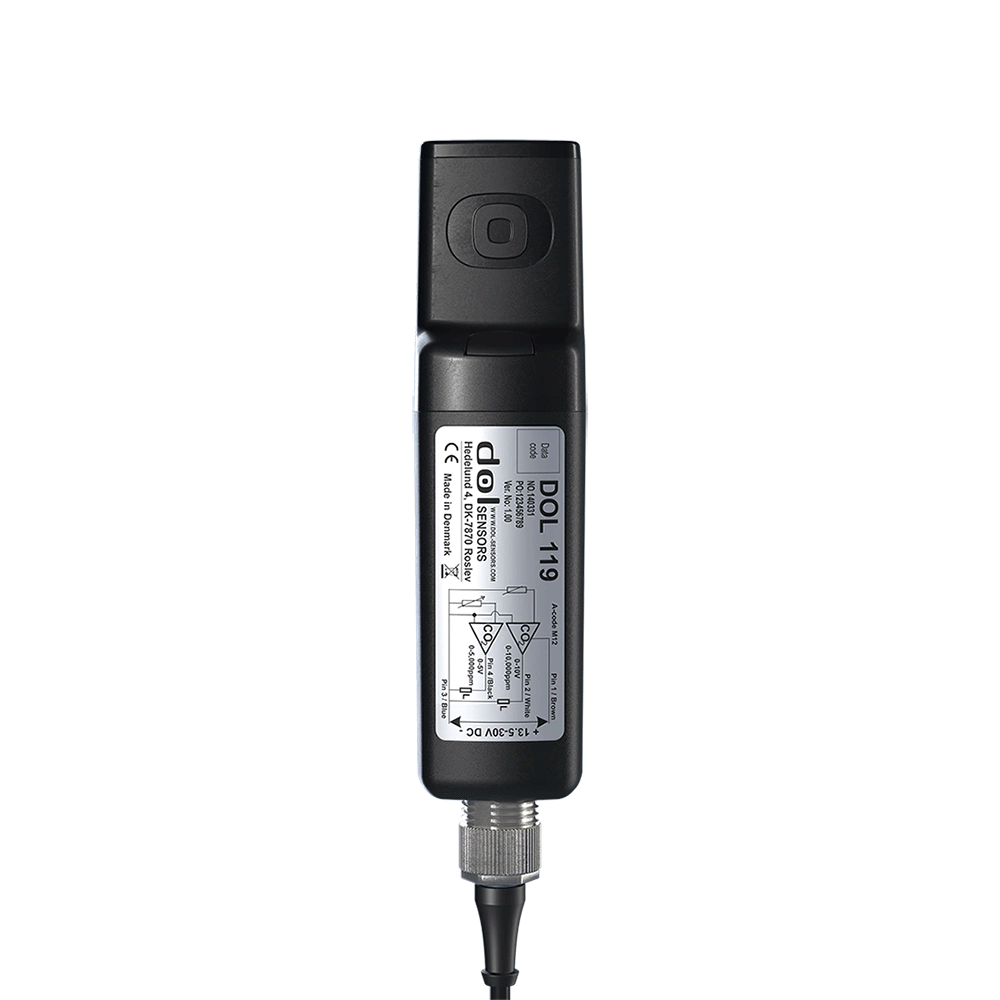
Air Quality Decline: CO₂ and Ammonia Accumulation

CO₂ and ammonia are invisible and cannot be reliably assessed through sensory cues. When ventilation weakens, CO₂ accumulates quickly, reducing bird activity and suppressing feed intake. Ammonia rises as litter moisture increases, irritating the respiratory tract and compromising immune defenses. Manual checks detect air quality problems too late, because CO₂ and ammonia can reach harmful levels long before they become noticeable to humans.

Ammonia levels have a direct impact on animal welfare, growth, and feed efficiency in poultry production. Explore how accurate ammonia measurement can help you maintain optimal conditions and improve overall results.

Monitoring Systems in Livestock Production
Learn how continuous monitoring helps producers identify developing production challenges through changes in water consumption, growth performance and other key production indicators.

The future of livestock farming is data-driven. By turning accurate, real-time insights into actionable decisions, producers can improve animal health and welfare, optimize performance, and build more sustainable operations. Data is becoming the foundation for smarter farming and a more resilient future.

Why Traditional Monitoring Is No Longer Enough

For generations, livestock management has relied heavily on visual observations and routine inspections. Experienced farmers can often identify changes in animal behavior, health, or performance through daily interactions with their animals.

However, modern livestock operations are becoming larger and more complex. Managing hundreds or thousands of animals makes it increasingly difficult to detect subtle changes that may indicate health issues, stress, or production inefficiencies.

Many problems develop gradually and may not become visible until they have already affected animal welfare or farm performance. Delayed detection can result in increased treatment costs, reduced productivity, and preventable losses.

Monitoring systems help bridge this gap by providing continuous observation and objective data that support faster and more informed decisions.

Key Areas Where Sensors Make the Biggest Impact

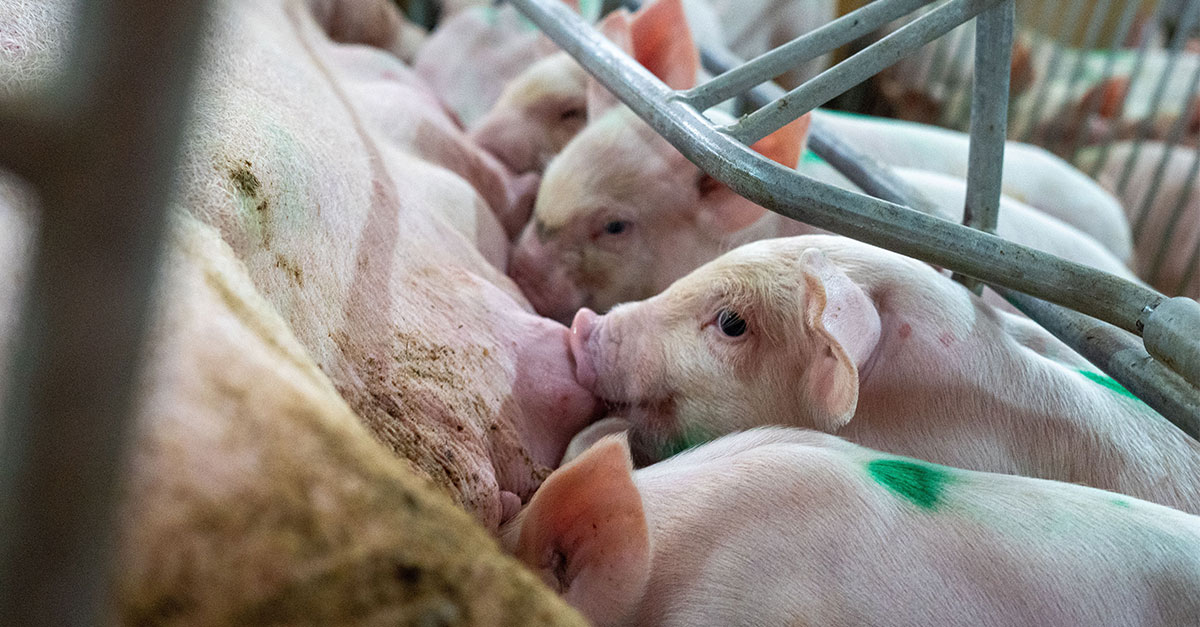
Early Warnings in Pig Production Help Prevent Costly Losses
Learn how continuous monitoring helps producers identify developing production challenges through changes in water consumption, growth performance and other key production indicators.

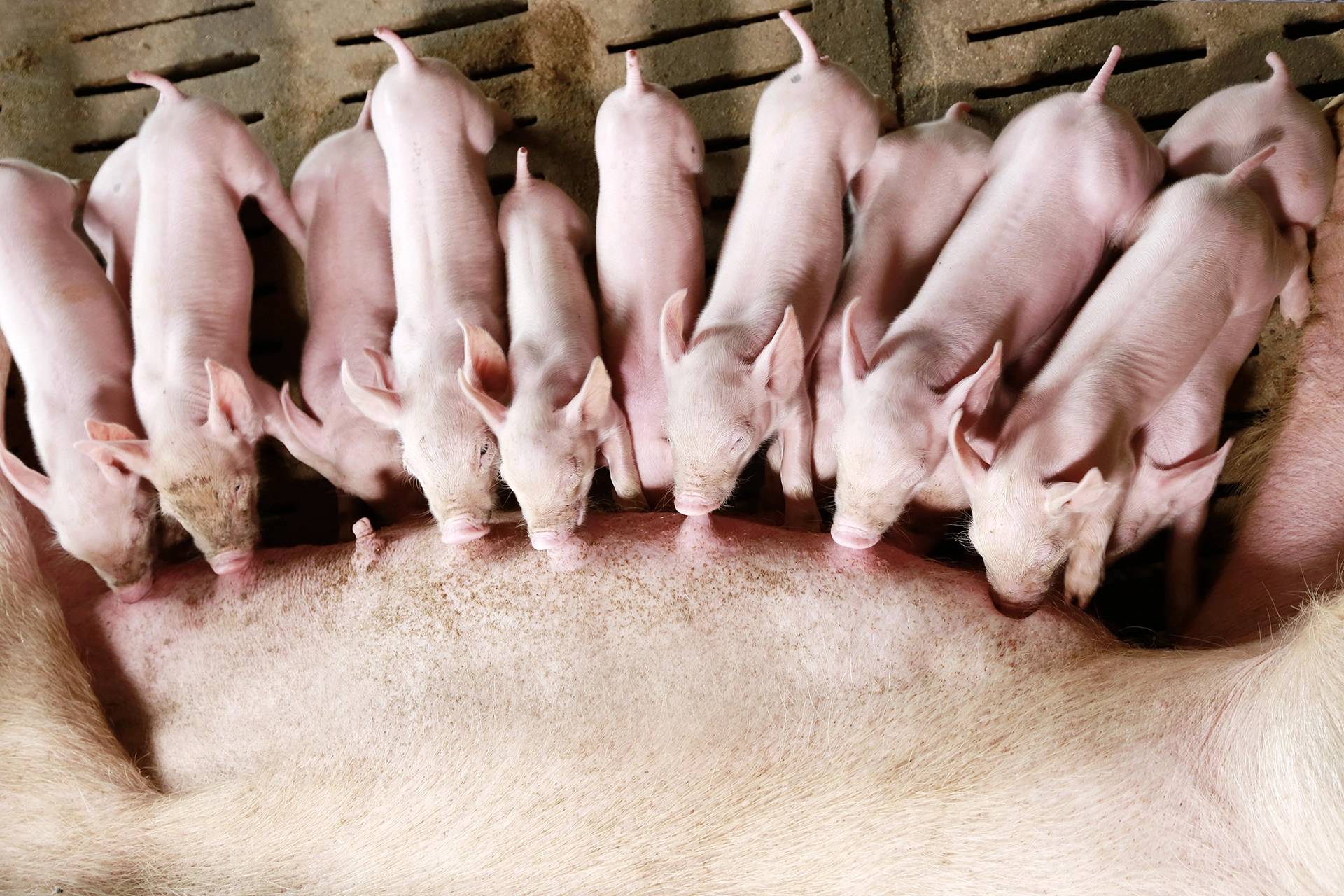
Pig production is currently under significant pressure across most regions of the world. Volatile pig prices and increasing requirements for animal welfare and sustainability are steadily eroding margins. At the same time, producers are expected to deliver consistent performance under conditions that are becoming more complex and less predictable.

For OEMs supplying equipment, systems and technology to the pig production industry, this creates a clear challenge: how to help customers maintain profitability and stability in an environment where small deviations in performance can quickly turn into substantial financial losses.

Disease pressure has reshaped global pig production

Disease outbreaks have been one of the most disruptive forces in pig production over the past decade. African Swine Fever (ASF), PRRS and other endemic diseases have had a measurable impact on global pork supply due to the sheer scale of production losses.

Between 2023 and 2025, global losses of slaughter pigs are estimated at 23–40 million animals annually, corresponding to approximately 1.8–2.8 percent of total global pig production. During the peak crisis period from 2019 to 2021, when ASF spread widely across Asia, annual losses rose dramatically to 45–70 million slaughter pigs, equivalent to 3.5–5.0 percent of global production.

These figures illustrate why disease prevention and early detection have moved from being operational concerns to becoming strategic priorities. Production losses on this scale have not only reduced supply but also contributed to increased price volatility, making revenue planning and long-term investment decisions significantly more difficult for producers.

Economic pressure amplifies the cost of late reactions

When margins are tight, the cost of reacting too late becomes disproportionately high. Disease, stress, suboptimal climate or feed changes rarely appear overnight. In most cases, performance deterioration starts gradually, through reduced feed intake, slower growth, increased variation or subtle behavioral changes.

However, these early signals are often missed in traditional production setups. Problems are typically detected only once mortality increases, feed conversion worsens or veterinary intervention becomes necessary. At that point, the financial damage has already occurred.

For OEMs, this raises a fundamental question: how can technology provide earlier insight into performance deviations, so corrective actions can be taken before losses accumulate?

Higher welfare expectations and reduced antibiotic use raise the bar

Consumer expectations are also changing rapidly. Across key markets, demand is growing for pork produced with higher animal welfare standards and minimal use of antibiotics. Retailers, processors and regulators increasingly require documentation to prove that welfare targets are being met and that antibiotic use is justified and controlled.

This development places additional pressure on producers to manage health proactively rather than reactively. Good welfare outcomes depend on stable environments, early intervention and consistent management, all of which benefit from better visibility into daily production performance.

For OEMs, the ability to support customers with data-driven insights that link welfare, health and productivity is becoming a critical differentiator.

Selected Sensors

Documents

DOL 90 Water Meter_One Pager
English
Leaflet
DOL 104 Humidity Sensor_Onepager
English
Leaflet
DOL 119 One pager

Join our newsletter

Stay ahead in livestock production.

Join our newsletter and get industry insights, expert perspectives, and practical strategies for optimizing performance and efficiency.