Which Production Indicators Can Help Detect Health Problems Earlier?

Health and production challenges rarely appear without warning.

Before mortality increases or production performance declines, animals often respond through small changes in their daily behaviour and biological processes.

These changes can be observed through production indicators.

Monitoring the right indicators helps producers identify developing challenges earlier, investigate potential causes sooner and make more informed management decisions.

The question is not whether production indicators matter.

The question is which indicators provide the most valuable insight for your operation.

No Single Indicator Provides Every Answer

Every production system is different.

The earliest sign of a developing challenge depends on many factors, including species, production stage and the nature of the issue.

Some problems may first become visible through changes in water consumption.

Others may influence growth performance, environmental conditions or animal behaviour.

Rather than relying on a single KPI, many producers combine multiple production indicators to build a broader understanding of what is happening inside the barn.

Which Production Indicator is Most Rrelevant For Your Operation?

Explore how different monitoring applications help provide earlier insight into animal health and production performance.

↓ Explore the production indicators below

How Continuous Monitoring Detects Problems Earlier
Discover how tracking key production indicators like water intake, growth performance, temperature, and air quality can help identify health issues before they impact productivity and welfare.

Water Consumption Monitoring

Water consumption is often one of the earliest production indicators to change.

Because animals drink continuously throughout the day, even small deviations from normal drinking patterns may indicate that production conditions have changed.

Continuous water monitoring can support earlier investigation of:

  • Emerging health challenges
  • Water supply issues
  • Feed-related changes
  • Environmental stress

Water consumption does not explain the cause of a problem.

It helps producers recognise when something has changed.

Explore Water Consumption Monitoring

Environmental Monitoring

Environmental conditions influence animal welfare, health and production performance every day.

Temperature, humidity, CO₂, ammonia and ventilation all affect how animals eat, drink and behave.

Continuous environmental monitoring helps producers maintain stable conditions while providing earlier visibility into:

  • Heat stress
  • Air quality
  • Ventilation performance
  • Environmental stability

Environmental insight supports both animal welfare and production consistency.

Explore Environmental Monitoring

Why Combining Indicators Creates Better Insight

Production challenges rarely affect only one parameter.

For example:

  • Environmental changes may influence water consumption.
  • Water consumption may affect growth performance.
  • Several indicators may begin changing before mortality increases.

Looking at multiple production indicators together provides a much stronger basis for understanding production performance than relying on a single measurement.

The objective is not simply to monitor more parameters.

It is to understand how different indicators work together to reveal developing production challenges.

Which Indicator Should You Start With?

The right starting point depends on your production system and the challenges you want to address.

Many producers begin with water consumption because it often changes early.

Others prioritise growth performance or environmental monitoring based on their operational priorities.

Regardless of where you begin, the objective remains the same:

Earlier visibility into production conditions.

Earlier investigation.

Better-informed management decisions.

Conclusion

Production indicators provide valuable insight long before production losses become visible.

By monitoring the right indicators, producers gain earlier visibility into changing production conditions and more time to investigate developing challenges.

Choosing the right production indicators is the first step.

The next step is understanding how each monitoring application works in practice and how it can support your production goals.

家禽舍气候监测不足的后果
Learn how continuous monitoring helps producers identify developing production challenges through changes in water consumption, growth performance and other key production indicators.

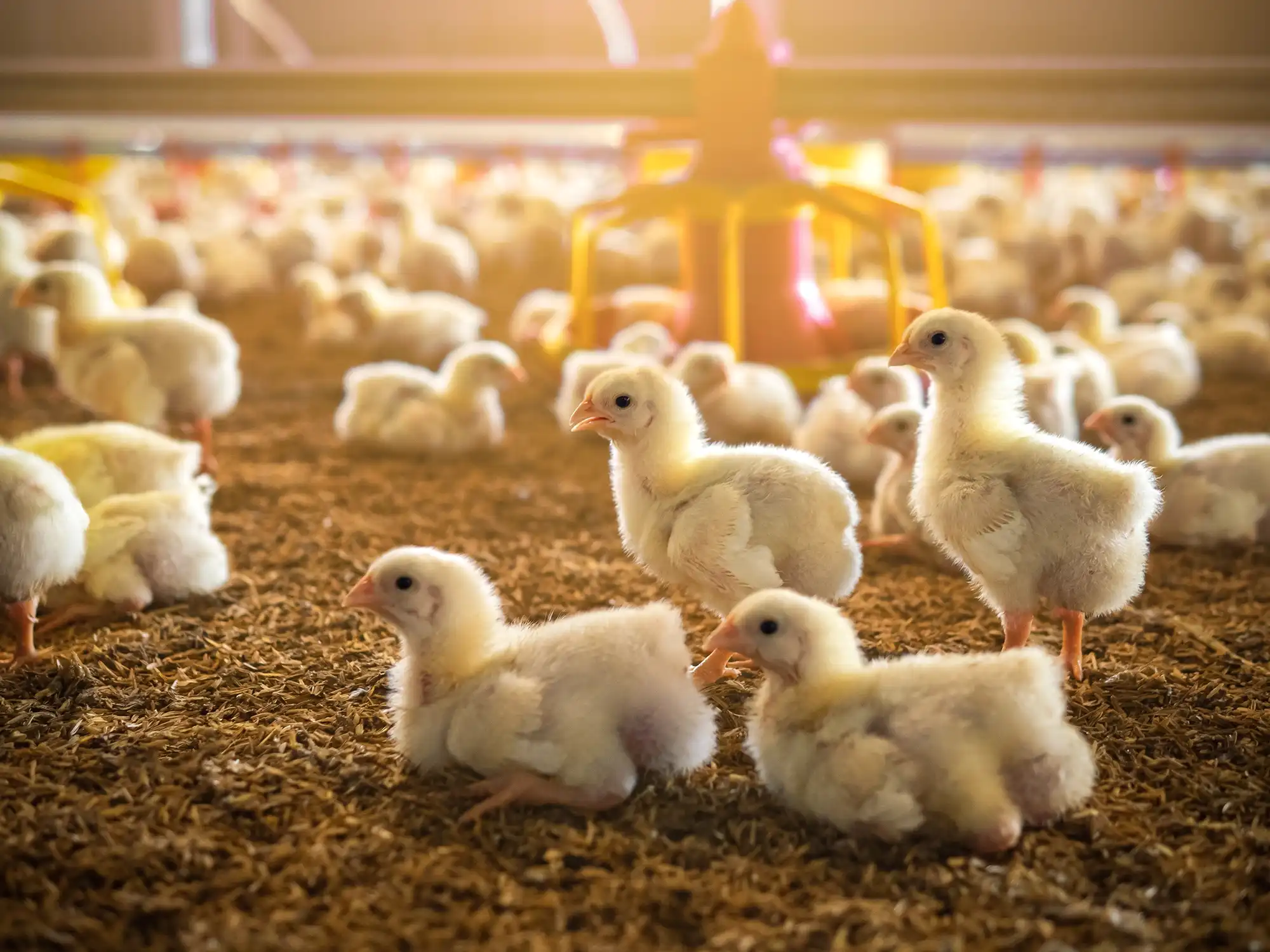
环境稳定对于维持健康、福利和家禽生产的均匀增长至关重要。如果不对温度、空气质量和气流进行持续监测,偏差通常会逐渐出现,并且在影响羊群性能之前一直不会被注意到。这些变化会影响鸟类的行为和整体生产力。

温度漂移和生长不均衡

温度变化是监测不足的最早后果之一。鸟类的反应是聚集在较温暖的区域并避开较冷的区域,这会改变饲料获取途径并增加竞争。随着时间的推移,这些行为调整会导致体重和饲料转化率的显著差异。由于温度漂移发展缓慢,因此很少仅通过定期检查就能检测到温度漂移。

湿度上升和垃圾停滞

通风减少时,湿度会迅速增加,尤其是在夜间或寒冷的天气中。如果不进行监测,直到垃圾变湿或压实,这些波动才会被注意到。湿度升高会加速氨的释放并降低休息舒适度。鸟类避开潮湿区域,将牲畜密度集中在较干燥的地区,并加剧了不均匀的生长模式。

空气质量下降:二氧化碳和氨的积累

二氧化碳和氨是不可见的,无法通过感官线索进行可靠评估。当通风减弱时,二氧化碳会迅速积累,从而减少鸟类活动并抑制饲料摄入。随着垃圾水分的增加,氨气会升高,刺激呼吸道并损害免疫防御能力。手动检查发现空气质量问题为时已晚,因为二氧化碳和氨在人类发现之前很久就可能达到有害水平。

氨水平直接影响家禽生产中的动物福利、生长和饲料效率。 探索准确的氨气测量如何帮助您保持最佳条件并改善整体结果

畜牧生产中的监测系统
Learn how continuous monitoring helps producers identify developing production challenges through changes in water consumption, growth performance and other key production indicators.

畜牧业的未来在于数据驱动。通过将精准的实时洞察转化为可执行的决策,生产者能够改善动物健康与福利,优化生产性能,并构建更具可持续性的运营模式。数据正成为智慧养殖和实现更具韧性未来的基石。

为何传统监测已不再足够

几代以来,畜牧管理主要依赖于肉眼观察和日常巡视。经验丰富的农场主往往能通过与动物的日常接触,察觉到它们在行为、健康或生产表现上的变化。

然而,现代畜牧业的规模正变得越来越大,结构也愈发复杂。在管理成百上千头牲畜时,想要及时发现那些预示着健康问题、压力或生产效率低下的细微变化,变得愈发困难。

许多问题都是逐渐演变的,往往在对动物福利或农场效益造成影响后才显现出来。发现滞后会导致治疗成本增加、生产力下降以及本可避免的损失。

监测系统通过提供持续的观察和客观的数据,帮助弥补这一差距,从而支持更快速、更明智的决策。

传感器发挥最大影响的关键领域

  • 气候控制: 监测温度、湿度、二氧化碳和氨气水平,确保稳定的环境条件,从而促进生长并减少应激。
  • 饲料与饮水监测: 自动化系统可检测堵塞、泄漏或异常的消耗模式。
  • 通风优化: 传感器有助于在空气质量与能源效率之间取得平衡。
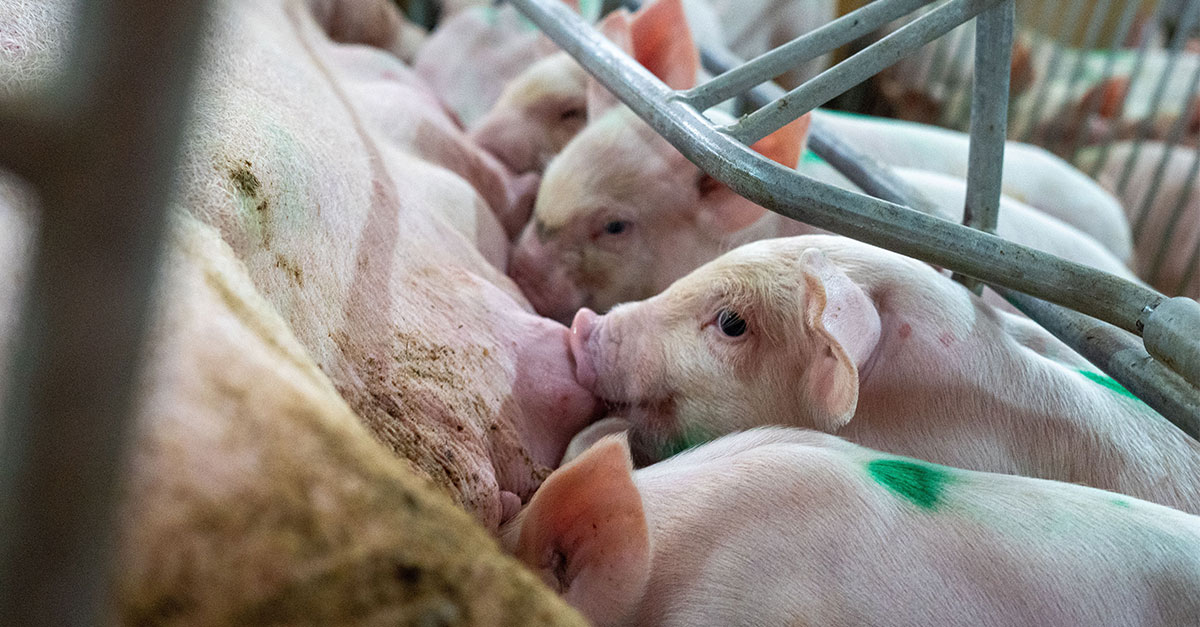
生猪生产的预警有助于防止代价高昂的损失
Learn how continuous monitoring helps producers identify developing production challenges through changes in water consumption, growth performance and other key production indicators.

目前,世界上大多数地区的生猪生产都承受着巨大的压力。猪价波动以及对动物福利和可持续性要求的增加正在稳步侵蚀利润率。同时,生产商有望在越来越复杂和不可预测的条件下提供稳定的业绩。

对于向养猪生产行业提供设备、系统和技术的原始设备制造商来说,这带来了明显的挑战:如何帮助客户在绩效的微小偏差很快转化为巨额财务损失的环境中保持盈利能力和稳定性。

疾病压力重塑了全球生猪产量

在过去的十年中,疾病疫情一直是生猪生产中最具破坏性的力量之一。由于产量损失的巨大,非洲猪热(ASF)、PRRS和其他地方病对全球猪肉供应产生了可衡量的影响。

在2023年至2025年之间,全球屠宰猪每年损失2300万至4000万只动物,约占全球生猪总产量的1.8-2.8%。在2019年至2021年的危机高峰期,当ASF广泛传播到亚洲时,每年的损失急剧上升至4500万至7000万头屠宰猪,相当于全球产量的3.5-5.0%。

这些数字说明了为什么疾病预防和早期发现已从行动问题转变为战略重点。如此规模的生产损失不仅减少了供应,而且还加剧了价格波动,使生产商的收入规划和长期投资决策变得更加困难。

经济压力放大了后期反应的成本

当利润紧张时,过晚做出反应的成本就会变得不成比例地高。疾病、压力、不理想的气候或饲料变化很少在一夜之间出现。在大多数情况下,由于饲料摄入量减少、生长放缓、变异增加或细微的行为变化,性能逐渐恶化。

但是,在传统的制作设置中,这些早期信号经常被忽视。通常只有在死亡率增加、饲料转化率恶化或需要兽医干预时,才会发现问题。那时,经济损失已经发生。

对于原始设备制造商来说,这提出了一个基本问题:技术如何能够更早地洞察性能偏差,以便在损失累积之前采取纠正措施?

更高的福利期望和减少抗生素的使用提高了标准

消费者的期望也在迅速变化。在主要市场中,对以更高的动物福利标准和最低限度使用抗生素生产的猪肉的需求正在增长。零售商、加工商和监管机构越来越需要文件来证明福利目标已实现,抗生素的使用是合理和受控的。

这一事态发展给生产商带来了额外的压力,要求他们主动而不是被动地管理健康。良好的福利结果取决于稳定的环境、早期干预和持续的管理,所有这些都得益于对日常生产绩效的更好了解。

对于 OEM 而言,为客户提供将福利、健康和生产力联系在一起的数据驱动见解的能力已成为一项关键的差异化因素。

Selected Sensors

Documents

No items found.

Join our newsletter

Stay ahead in livestock production.

Join our newsletter and get industry insights, expert perspectives, and practical strategies for optimizing performance and efficiency.