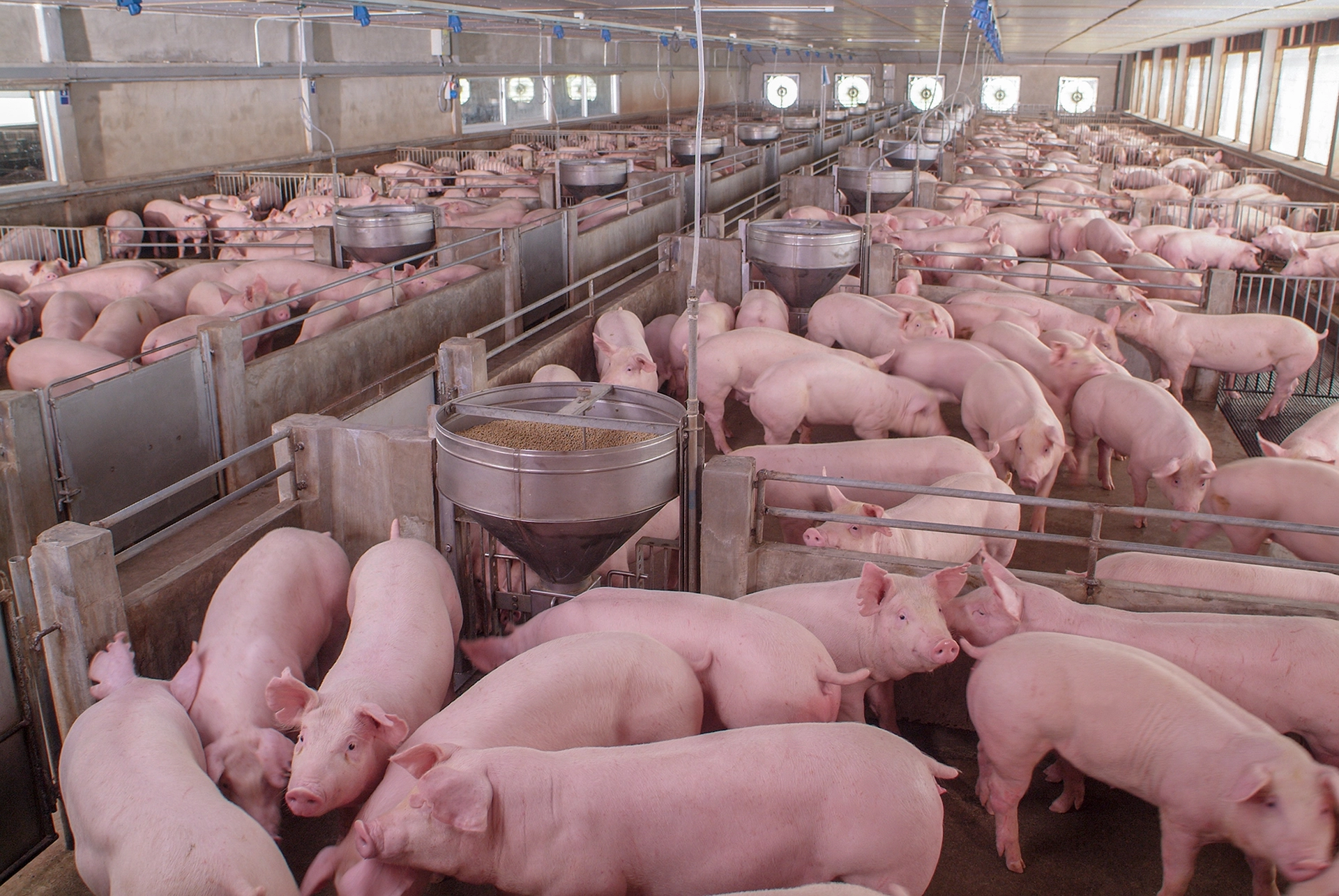
Why Standard Monitoring Doesn’t Always Fit Modern Pig Production

Every Pig Farm Has Its Own Challenges

Pig producers face a wide range of challenges every day.

Maintaining a stable climate, controlling energy consumption, ensuring animal welfare, and optimizing production performance all require reliable information from the barn. Sensors play a crucial role in providing that information.

While these challenges are shared across the industry, the way they appear on individual farms can vary significantly.

Differences in building design, ventilation strategies, production stages, management practices, and local conditions mean that no two pig operations are exactly alike.

When Standard Solutions Are Not the Right Fit

Most sensor solutions are designed to meet common industry needs, and for many applications, that works well.

However, pig production is becoming increasingly specialized. Differences in housing design, production systems, equipment layouts, and operational requirements mean that monitoring needs can vary significantly from one application to another.

In some cases, measurements need to be collected in a unique location. Existing equipment must be integrated with new technology. A system can require a particular output, communication protocol, or sensor configuration. While standard sensors often address many of these needs, they may not always provide the optimal fit.

The Cost of Compromise

As a result, producers, equipment manufacturers, and system integrators need to work around the limitations of a standard product. Additional components can be required, installations may become more complex, and valuable time can be spent adapting the system rather than focusing on production goals.

These compromises can seem minor, but over time they can reduce flexibility, make future upgrades more challenging, and increase the overall complexity of the solution.

What Does Mortality Really Cost a Pig Producer?
The impact of mortality extends far beyond the value of the animal. Discover how mortality influences production efficiency, resource utilization, and profitability throughout the production cycle.
No items found.

Finding the Right Fit

When monitoring requirements fall outside standard specifications, a more tailored approach may be needed.

Some applications require sensors with specific outputs or communication protocols. Others need adapted measurement ranges, housing designs, or integration with existing equipment. In these situations, the goal is not customization for its own sake, but to ensure the sensor supports the application as effectively as possible.

At dol-sensors,customized solutions start by understanding the challenge. Whether the need involves adapting an existing sensor or developing a more specialized configuration, the focus is on creating a solution that fits naturally into the overall system and provides reliable measurements in demanding agricultural environments.

By aligning the sensor with the application's specific requirements, producers, equipment manufacturers, and system integrators can gain the flexibility needed to support both current operations and future.

Conclusion

As pig production becomes increasingly specialized, monitoring requirements are becoming more diverse.

While standard sensor solutions continue to meet many common needs, some applications require a more tailored approach. By adapting sensor technology to specific operational requirements, producers, equipment manufacturers, and system integrators can create monitoring solutions that better fit their systems, support reliable data collection, and help meet the evolving demands of modern pig production.
養豚における死亡がもたらす隠れたコスト
Learn how continuous monitoring helps producers identify developing production challenges through changes in water consumption, growth performance and other key production indicators.

死亡率の測定は、往々にして手遅れになりがちです

生産者が生産パフォーマンスを評価する際、死亡率は通常、結果として確認されます。

死亡率はバッチ終了時に報告されますが、その時点ではすでに豚が失われています。課題は、死亡率が「プロセス」ではなく「結果」として扱われがちであるという点です。

実際には、死亡が突然発生することは稀です。

多くの場合、それは数日前、あるいは数週間前から始まっていた変化の最終的な結末です。生産レポートで死亡率として目に見えるようになったときには、損失を防ぐ機会はすでに失われている可能性があります。

‍

生産上の損失は、死亡から始まることはほとんどありません。

継続的なモニタリングが、どのように生産者の早期問題発見を支援するのかをご覧ください。

→ 記事を読む: 継続的なモニタリングによる生産上の問題の早期発見

豚生産における高い死亡率を避けてください
Learn how continuous monitoring helps producers identify developing production challenges through changes in water consumption, growth performance and other key production indicators.

高い死亡率は、豚の生産における最も深刻な課題の1つです。死亡率の上昇は、直接的な経済的損失以外にも、健康管理、住居環境、栄養、バイオセキュリティに関連する根本的な問題を示している場合が多い。適切な計画、継続的な監視、積極的な管理を行うことで、養豚業者は死亡率を大幅に減らし、健康で生産性の高い牛群を維持することができます。

適切な換気と気候制御

豚に安定した快適な室内環境を提供することは、ストレスを軽減し、病気を予防するために不可欠です。適切な換気は、呼吸器の健康に悪影響を及ぼす可能性のある余分な水分、二酸化炭素、ほこり、アンモニアなどの有害ガスを空気から取り除きます。

豚は特に熱ストレスに弱いです。子豚の低温ストレスはエネルギー需要を高め、病気にかかりやすくなります。一方、成長期や生産を終えた豚の熱ストレスは、飼料摂取量を減らし、免疫機能を弱めます。適切に設計された換気システムは、生産サイクル全体を通して最適な温度と空気の質を維持するのに役立ちます。

気候センサーは、建物のさまざまなゾーンの温度、湿度、二酸化炭素、アンモニアレベルに関する継続的なデータを換気システムに提供します。これにより、換気と暖房を自動的に調整できるため、一貫した状態を確保し、死亡リスクを低減できます。

センサー技術が現代の豚生産をどのように変えているか
Learn how continuous monitoring helps producers identify developing production challenges through changes in water consumption, growth performance and other key production indicators.

精密畜産(PLF)は、ニッチな概念から高性能豚生産の中核戦略へと移行しました。農場の規模が拡大し、労働力が厳しくなるにつれて、生産者は動物福祉の維持、飼料効率の最適化、生産リスクの軽減を目的として、自動監視システムへの依存度が高まっています。

センサーが重要な理由

  • 継続的モニタリング 生産者に牛舎の気候、飼料消費量、水摂取量に関するリアルタイムの洞察を提供します。
  • 早期発見 水分摂取量の減少や気温の上昇などの偏差は、病気の発生やパフォーマンスの低下を防ぐのに役立ちます。
  • データ主導の意思決定 生産サイクル全体にわたる一貫性を向上させ、手作業による観察への依存を減らします。

センサーが最大の影響を与える主要領域

  • 気候制御:温度、湿度、CO₂、アンモニアを監視することで、成長を支え、ストレスを軽減する安定した状態を確保できます。
  • 飼料と水の監視: 自動システムは、詰まり、漏れ、または異常な消費パターンを検出します。
  • 換気の最適化:センサーは、空気の質とエネルギー効率のバランスを取るのに役立ちます。

Selected Sensors

No items found.

Documents

No items found.

Join our newsletter

Stay ahead in livestock production.

‍Join our newsletter and get industry insights, expert perspectives, and practical strategies for optimizing performance and efficiency.