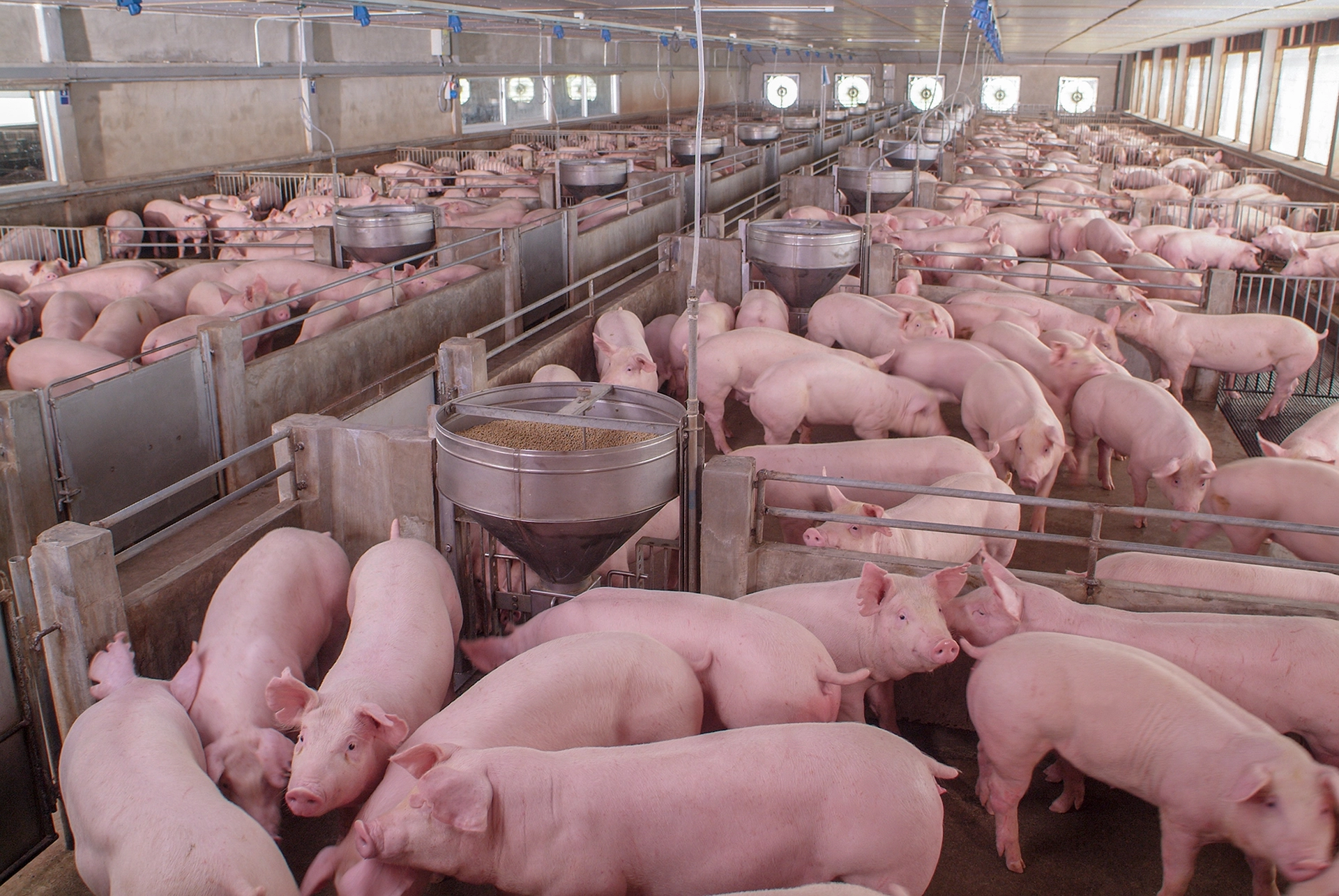
Why Standard Monitoring Doesn’t Always Fit Modern Pig Production

Every Pig Farm Has Its Own Challenges

Pig producers face a wide range of challenges every day.

Maintaining a stable climate, controlling energy consumption, ensuring animal welfare, and optimizing production performance all require reliable information from the barn. Sensors play a crucial role in providing that information.

While these challenges are shared across the industry, the way they appear on individual farms can vary significantly.

Differences in building design, ventilation strategies, production stages, management practices, and local conditions mean that no two pig operations are exactly alike.

When Standard Solutions Are Not the Right Fit

Most sensor solutions are designed to meet common industry needs, and for many applications, that works well.

However, pig production is becoming increasingly specialized. Differences in housing design, production systems, equipment layouts, and operational requirements mean that monitoring needs can vary significantly from one application to another.

In some cases, measurements need to be collected in a unique location. Existing equipment must be integrated with new technology. A system can require a particular output, communication protocol, or sensor configuration. While standard sensors often address many of these needs, they may not always provide the optimal fit.

The Cost of Compromise

As a result, producers, equipment manufacturers, and system integrators need to work around the limitations of a standard product. Additional components can be required, installations may become more complex, and valuable time can be spent adapting the system rather than focusing on production goals.

These compromises can seem minor, but over time they can reduce flexibility, make future upgrades more challenging, and increase the overall complexity of the solution.

What Does Mortality Really Cost a Pig Producer?
The impact of mortality extends far beyond the value of the animal. Discover how mortality influences production efficiency, resource utilization, and profitability throughout the production cycle.
No items found.

Finding the Right Fit

When monitoring requirements fall outside standard specifications, a more tailored approach may be needed.

Some applications require sensors with specific outputs or communication protocols. Others need adapted measurement ranges, housing designs, or integration with existing equipment. In these situations, the goal is not customization for its own sake, but to ensure the sensor supports the application as effectively as possible.

At dol-sensors,customized solutions start by understanding the challenge. Whether the need involves adapting an existing sensor or developing a more specialized configuration, the focus is on creating a solution that fits naturally into the overall system and provides reliable measurements in demanding agricultural environments.

By aligning the sensor with the application's specific requirements, producers, equipment manufacturers, and system integrators can gain the flexibility needed to support both current operations and future.

Conclusion

As pig production becomes increasingly specialized, monitoring requirements are becoming more diverse.

While standard sensor solutions continue to meet many common needs, some applications require a more tailored approach. By adapting sensor technology to specific operational requirements, producers, equipment manufacturers, and system integrators can create monitoring solutions that better fit their systems, support reliable data collection, and help meet the evolving demands of modern pig production.
The Hidden Cost of Mortality in Pig Production
Learn how continuous monitoring helps producers identify developing production challenges through changes in water consumption, growth performance and other key production indicators.

Mortality is often measured too late

When producers evaluate production performance, mortality is usually reviewed as a result.

A mortality rate is reported at the end of a batch, after pigs have already been lost. The challenge is that mortality is often treated as an outcome rather than a process.

In reality, mortality rarely occurs suddenly.

It is often the final consequence of changes that started days or even weeks earlier. By the time mortality becomes visible in production reports, the opportunity to prevent losses may already have passed.

Avoid High Mortality In Pig Production
Learn how continuous monitoring helps producers identify developing production challenges through changes in water consumption, growth performance and other key production indicators.

High mortality rates are one of the most serious challenges in pig production. Beyond the direct economic losses, elevated mortality often signals underlying problems related to health management, housing conditions, nutrition, or biosecurity. With proper planning, continuous monitoring, and proactive management, pig producers can significantly reduce mortality and maintain a healthy, productive herd.

Adequate Ventilation and Climate Control

Providing pigs with a stable and comfortable indoor climate is essential for reducing stress and preventing disease. Proper ventilation removes excess moisture, carbon dioxide, dust, and harmful gases such as ammonia from the air, all of which can negatively affect respiratory health.

Pigs are particularly vulnerable to thermal stress. Cold stress in piglets increases energy demand and susceptibility to disease, while heat stress in growing and finishing pigs reduces feed intake and weakens immune function. Well-designed ventilation systems help maintain optimal temperatures and air quality throughout the production cycle.

Climate sensors supply ventilation systems with continuous data on temperature, humidity, carbon dioxide, and ammonia levels in different zones of the building. Continuous ammonia monitoring with the DOL 53 maintain good air quality and reduce health risks.This allows ventilation and heating to be adjusted automatically, ensuring consistent conditions and reducing mortality risk.

How Sensors Technology is Transforming Modern Pig Production
Learn how continuous monitoring helps producers identify developing production challenges through changes in water consumption, growth performance and other key production indicators.

Precision livestock farming (PLF) has moved from a niche concept to a core strategy in high-performance pig production. As farms scale and labor becomes tighter, producers increasingly rely on automated monitoring systems to maintain animal welfare, optimize feed efficiency, and reduce production risks.

Why Sensors Matter

  • Continuous monitoring gives producers real-time insight into barn climate, feed consumption, and water intake.
  • Early detection of deviations - such as reduced water intake or rising temperature - helps prevent disease outbreaks and performance losses.
  • Data-driven decisions improve consistency across production cycles and reduce reliance on manual observation.

Key Areas Where Sensors Make the Biggest Impact

  • Climate control: Monitoring temperature, humidity, CO₂, and ammonia ensure stable conditions that support growth and reduce stress.
  • Feed and water monitoring: Automated systems detect blockages, leaks, or abnormal consumption patterns.
  • Ventilation optimization: Sensors help balance air quality with energy efficiency.

Selected Sensors

No items found.

Documents

No items found.

Join our newsletter

Stay ahead in livestock production.

‍Join our newsletter and get industry insights, expert perspectives, and practical strategies for optimizing performance and efficiency.