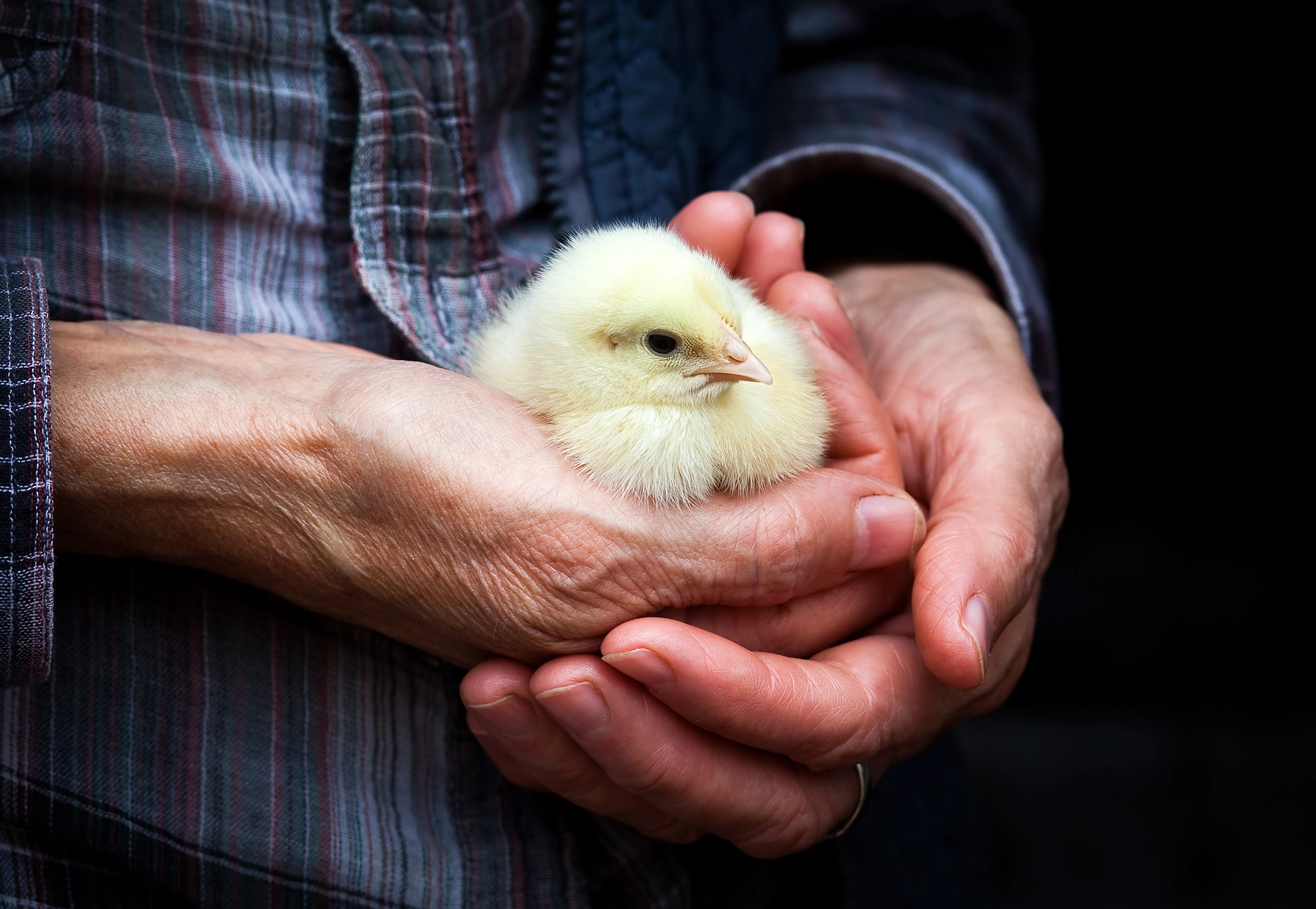
Five Practical Ways to Strengthen Bird Welfare in Modern Poultry Production

Five Practical Ways to Strengthen Bird Welfare in Modern Poultry Production

Improving bird welfare doesn’t always require major changes - often, the biggest gains come from understanding how the barn environment shapes behavior, health, and performance. With better climate control, smarter monitoring, and thoughtful management, producers can create conditions where birds stay healthier, more active, and more uniform.

1. Keep Airflow Consistent from Day One

Young birds depend on fresh air just as much as warmth. When ventilation is too limited, CO₂ rises quickly, oxygen drops, and chicks become inactive, eat less, and grow unevenly. Opening inlets early and ensuring steady airflow helps distribute heat, reduce moisture, and maintain a healthier environment. Even in winter, controlled ventilation supports stronger starts and better long‑term performance.

2. Use Enrichment Strategically - and rotate it

Birds are naturally curious and motivated to forage, scratch, and peck. Enrichment items like straw bales, pecking blocks, or ramps help direct this behavior in positive ways. But enrichment only works when it stays interesting. Rotating items, adjusting placement, and choosing tools that match the flock’s needs - such as promoting activity in heavier birds - helps maintain engagement and reduce unwanted behaviors like feather pecking.

3. Support Gut Health from the Beginning

A healthy digestive system is the foundation for growth, immunity, and feed efficiency. Early-life challenges - humidity, litter moisture, coccidiosis pressure - can disrupt gut function and lead to long-term performance losses. Working with nutrition and veterinary teams to support gut health from placement onward helps birds absorb nutrients better, maintain stronger immunity, and stay on track throughout the cycle.

4. Prioritize Darkness and Rest

Consistent dark periods are essential for bird welfare. Scheduled darkness improves sleep quality, supports bone strength, reduces stress, and even enhances feed digestibility. Birds quickly adapt to predictable light cycles, eating before lights-out and resting more deeply during dark hours. Proper dimming and flicker-free lighting systems help maintain calm behavior and reduce piling or panic responses.

5. Match Pullets to Their Future Housing

For layers, early experience shapes how well birds adapt later. Pullets raised with access to perches, ramps, and multi-level structures navigate adult housing more confidently, maintain better bone strength, and show fewer injuries. Familiarity reduces stress and helps birds find feed, water, and nest boxes more easily - leading to better welfare and more consistent production.

Building Better Welfare Through Better Insight

Small, well‑timed adjustments can significantly improve flock health and performance. When good management is paired with continuous monitoring of climate and airflow, producers can react earlier, prevent issues, and maintain a more stable, welfare‑friendly barn environment.

Selected Sensors

Documents

English
Leaflet
Climate brochure Hatchery
English
Leaflet
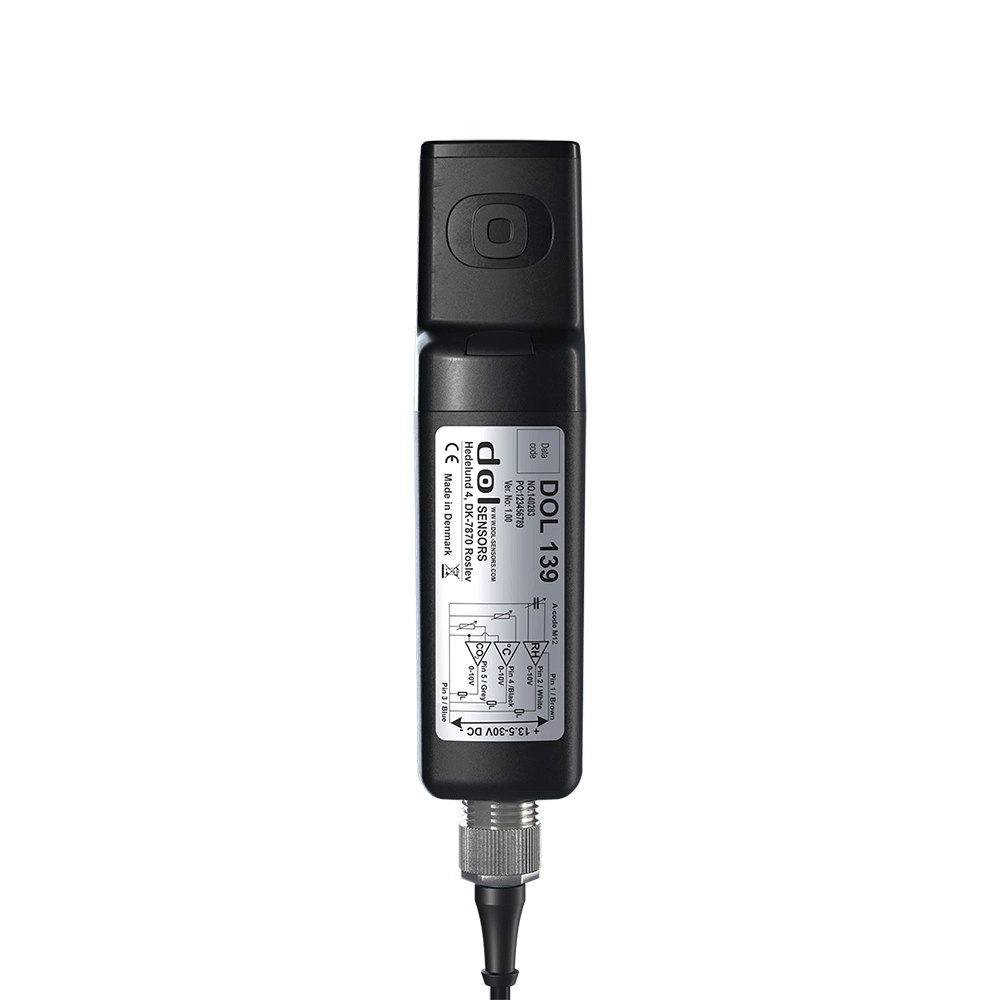
DOL 139 Humidity, Temperature and CO2 Sensor
English
Leaflet
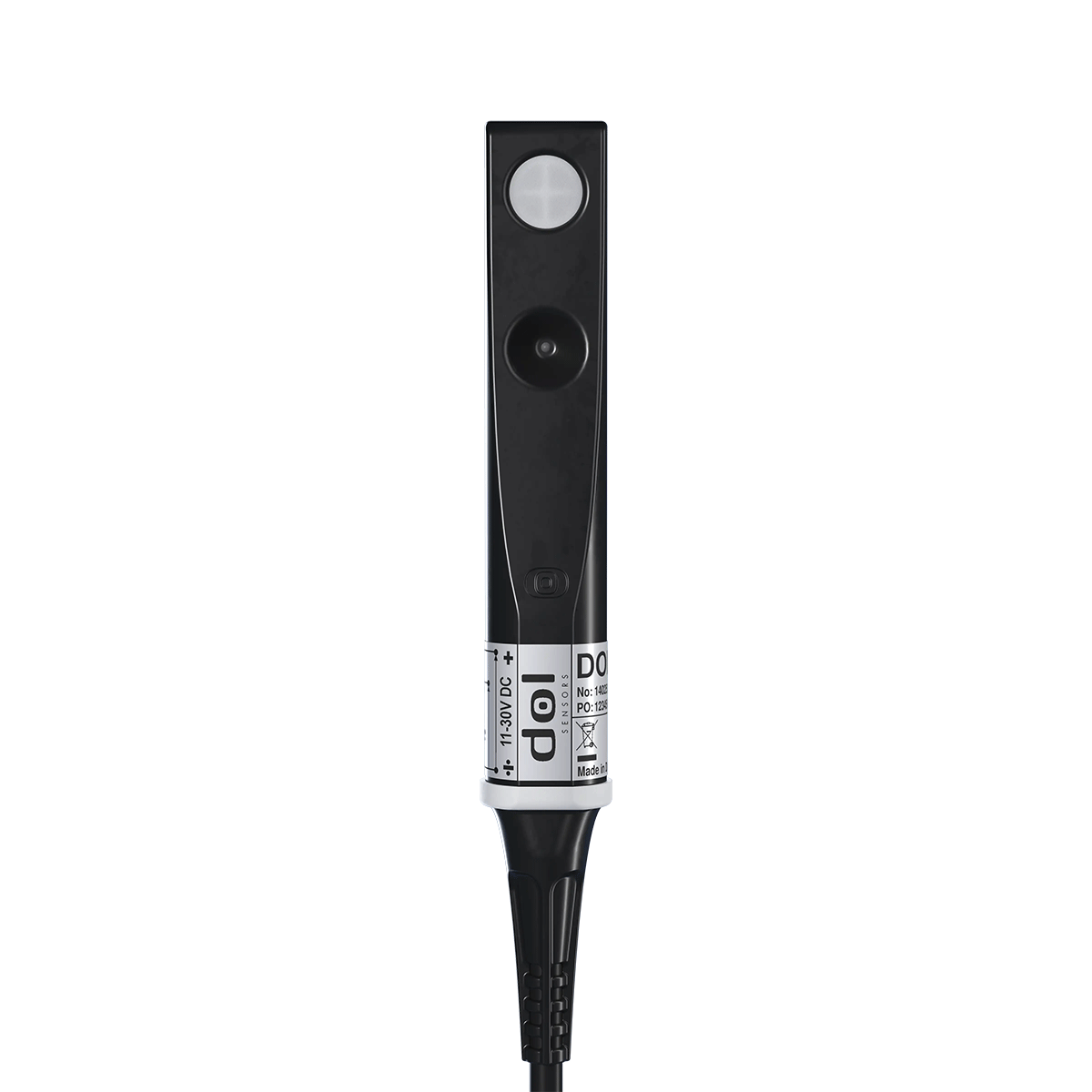
DOL 16 Light Sensor_Onepager