The future of livestock farming is data-driven. By turning accurate, real-time insights into actionable decisions, producers can improve animal health and welfare, optimize performance, and build more sustainable operations. Data is becoming the foundation for smarter farming and a more resilient future.
For generations, livestock management has relied heavily on visual observations and routine inspections. Experienced farmers can often identify changes in animal behavior, health, or performance through daily interactions with their animals.
However, modern livestock operations are becoming larger and more complex. Managing hundreds or thousands of animals makes it increasingly difficult to detect subtle changes that may indicate health issues, stress, or production inefficiencies.
Many problems develop gradually and may not become visible until they have already affected animal welfare or farm performance. Delayed detection can result in increased treatment costs, reduced productivity, and preventable losses.
Monitoring systems help bridge this gap by providing continuous observation and objective data that support faster and more informed decisions.
Livestock production is changing. Increasing demands for efficiency, animal welfare, and sustainability are reshaping how farms operate - and intuition alone is no longer enough. The future of livestock production is data-driven, where accurate insights form the foundation for better decisions, healthier animals, and greener production.
Modern production is more complex than ever. Factors such as temperature, humidity, CO2, ammonia levels, and water intake interact continuously - and small changes can have a big impact on animal welfare. Data allows farm managers to move from reacting to problems toward anticipating and preventing them. When critical parameters are measured accurately and consistently, decision-making becomes proactive rather than reactive.
Real-time monitoring enables faster responses and more precise climate adjustments. With continuous data, farm managers can:
When animals thrive, production becomes both more ethical and more efficient.
Data‑driven livestock production is not only good for animals - it also supports sustainable and responsible farming.
Accurate monitoring allows producers to optimize ventilation, heating, and resource use based on actual needs rather than assumptions. This reduces energy consumption, minimizes waste, and supports lower emissions - all while maintaining optimal production conditions.
Smarter data enables:
In this way, data becomes a key driver of greener production.
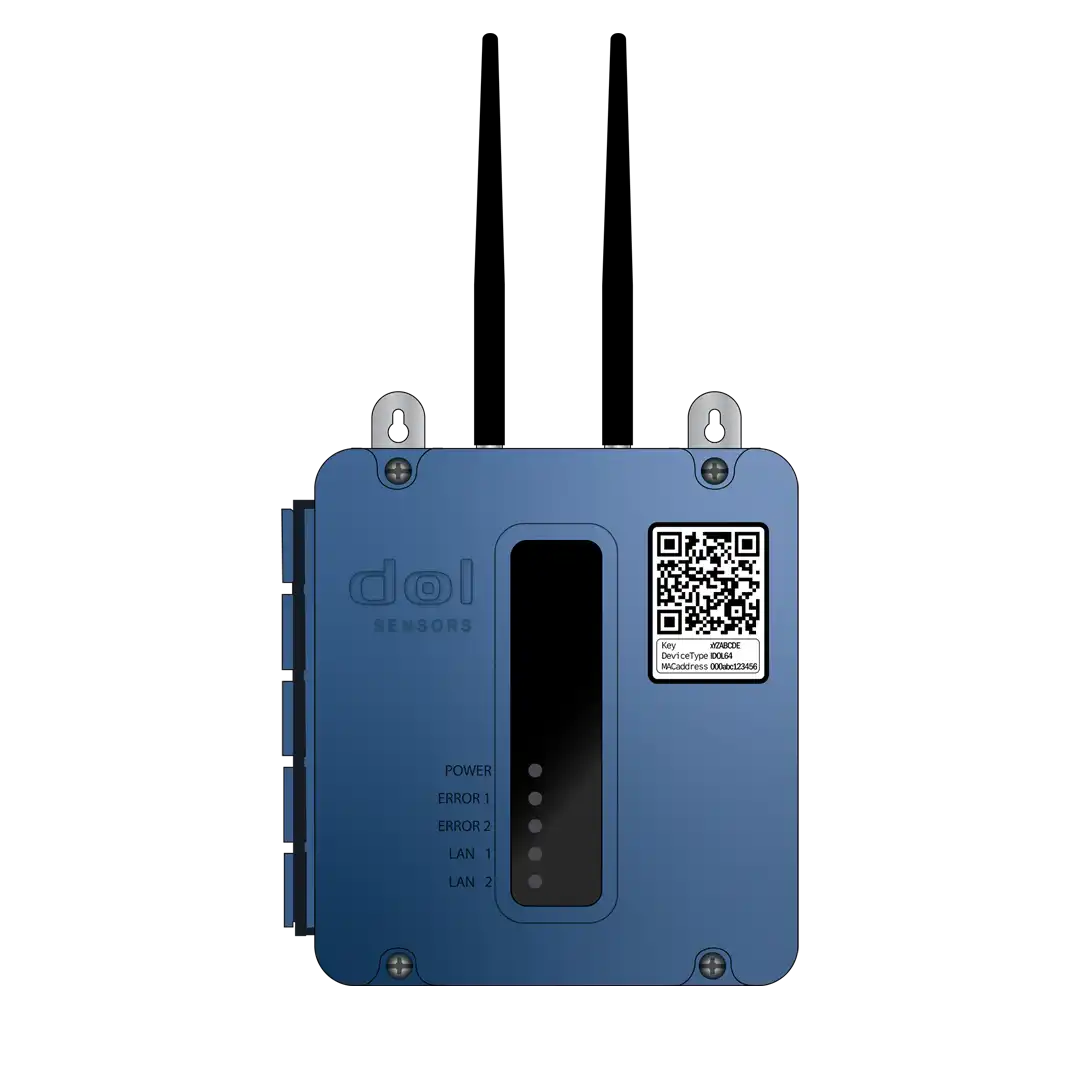
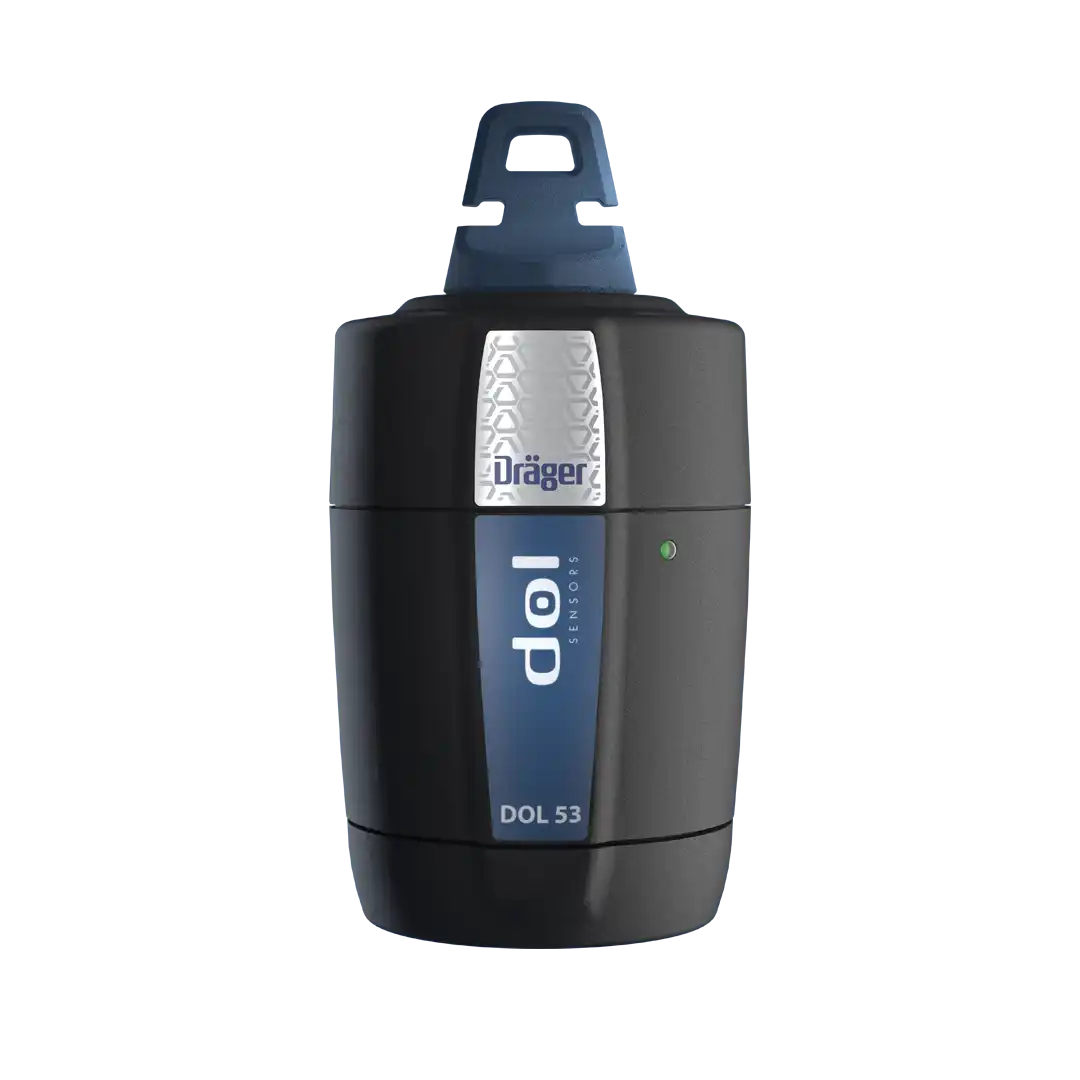
At dol-sensors, we are passionate about revolutionizing agriculture through the use of cutting-edge technology. Our farming sensors are designed to help farmers and farm managers to optimize their production, lower their costs, lower FCR and mortality, increase animal welfare, and reduce ammonia emmission.
Imagine being able to monitor the climate in your livestock house, controlling the filling and emptying of silos, automate the ventilation, heating, and cooling of the farm house, and make informed decisions on how to manage your production. Combined with a farm controller, that’s exactly what our sensors can do for you. Whether you’re a small-scale farmer or a large agribusiness, our sensors can help you improve your production and increase your profits.
dol-sensors has more than 50 years of experience in the farming industry. We strive to be the leading supplier through innovation of climate and capacitive sensors for food production and other industries.
Our mission is to provide intelligent sensor solutions to contribute to global efficient and sustainable food production.

Litter management is one of the most important, yet often underestimated, aspects of poultry production. The condition of the bedding in a poultry house directly affects air quality, animal welfare, and overall production efficiency. Poor litter management can lead to elevated levels of carbon dioxide (CO₂) and ammonia, both of which reduce flock performance and increase costs.
Wet or compacted litter creates an environment where harmful gases build up quickly. High levels of ammonia irritate the respiratory system, reduce growth rates, and negatively impact feed conversion ratios (FCR). Elevated CO₂ levels, often caused by poor ventilation combined with wet bedding, decrease oxygen availability, resulting in slower growth, higher mortality, and greater susceptibility to disease.
Beyond animal health, poor litter conditions also affect meat and egg quality, as prolonged exposure to wet bedding can cause breast blisters, footpad dermatitis, and other welfare issues that compromise product value.
Achieving perfect litter management requires continuous attention and a proactive approach. Some key practices include:
Stay ahead in livestock production.
Join our newsletter and get industry insights, expert perspectives, and practical strategies for optimizing performance and efficiency.