Ammonia (NH₃) is one of the most significant environmental and welfare challenges in modern pig production. While it is a natural by-product of livestock systems, excessive ammonia emissions can negatively affect animal health, worker safety, and the surrounding environment. Understanding how ammonia is produced — and how it can be managed — is essential for sustainable, efficient pig farming.
In pig production, ammonia is primarily formed when urea and uric acid in manure and urine are broken down by bacteria. The enzyme urease, naturally present in feces, catalyzes this conversion, releasing ammonia gas into the air.
Key factors influencing ammonia formation include:
High concentrations of ammonia irritate the pigs’ respiratory tract, leading to:
Concentrations above 20 ppm are considered harmful to pigs, and levels above 10 ppm are generally discouraged in modern facilities.
Ammonia exposure can cause eye and throat irritation, headaches, and long-term respiratory problems in farm workers. Maintaining clean air is therefore not only an animal welfare priority but also a matter of occupational safety.
Once emitted into the atmosphere, ammonia contributes to acid rain among other things. This has downstream effects on soil, water quality, and climate. The pig industry and other industries are under increasing regulatory pressure to reduce ammonia emissions as part of broader sustainability goals.
Ammonia doesn’t just affect welfare — it has a direct impact on productivity. Chronic exposure to elevated ammonia levels has been shown to:
Studies indicate that pigs exposed to ammonia concentrations above 25–30 ppm may experience growth rate reductions of 5–10%, depending on duration and housing conditions. Maintaining low ammonia levels therefore supports both animal health and economic performance.
Reducing ammonia requires an integrated approach across nutrition, housing, and manure management.
Some producers are finding that small nutritional adjustments can make a big difference in reducing ammonia emissions. Since ammonia comes mainly from excess nitrogen in manure, improving how pigs use dietary protein is one of the most effective ways to limit emissions.
Many farms now reduce crude protein levels in the diet and instead balance amino acids like lysine, methionine, threonine, and tryptophan. This helps pigs grow efficiently while producing less nitrogen waste.
Others use feed additives to support this goal. For example, acidifiers such as benzoic acid can lower urine pH and reduce ammonia volatilization, while yucca extracts and zeolites may help bind or neutralize ammonia in the manure.
Phase feeding — adjusting feed formulations according to the pigs’ growth stages — is another strategy gaining traction. It ensures nutrients are provided in line with the animals’ actual requirements, improving feed efficiency and reducing waste.
Because results can vary between farms, it’s always best to consult a swine nutritionist or feed specialist before making dietary changes. They can help tailor a feeding program that maintains performance while minimizing emissions and feed costs.
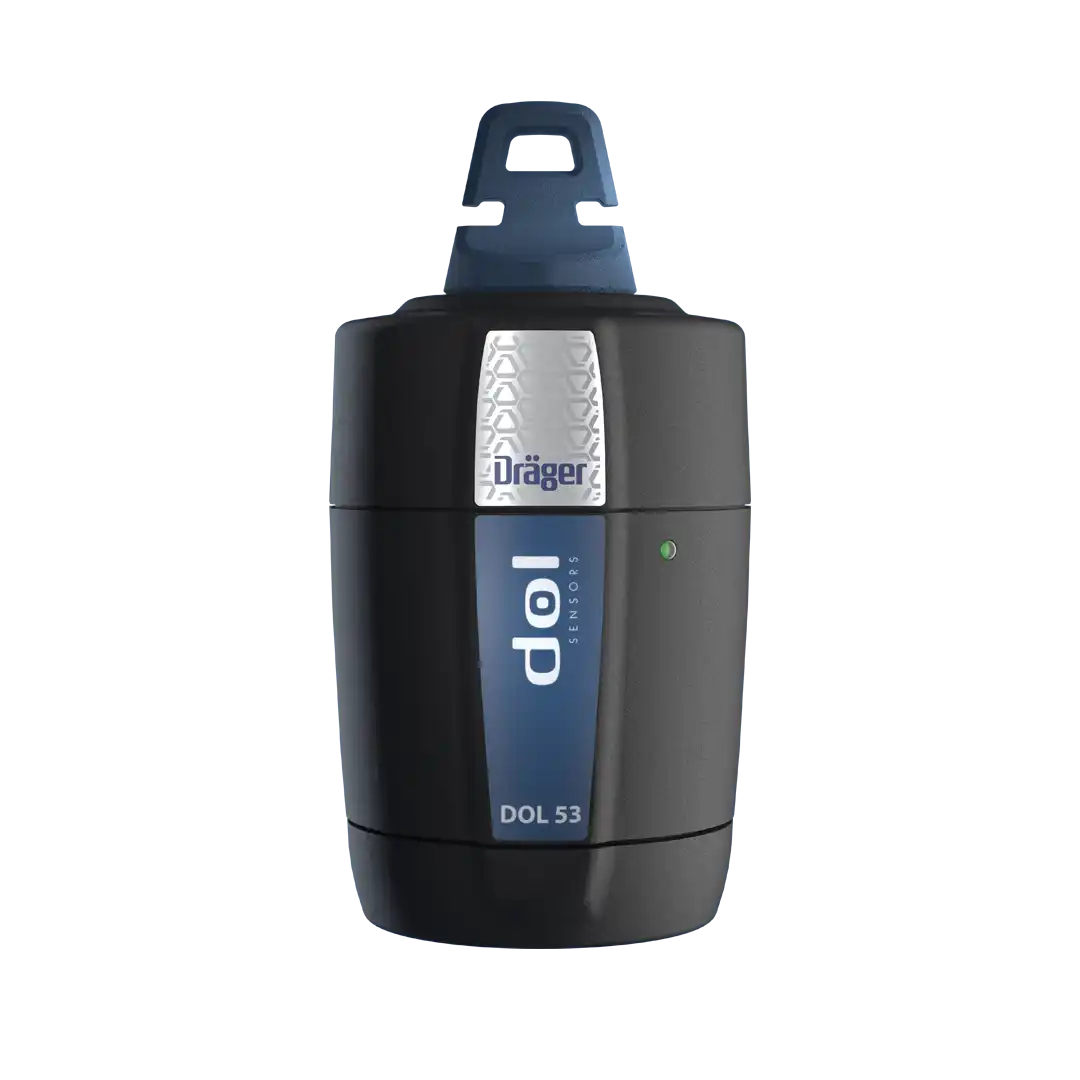
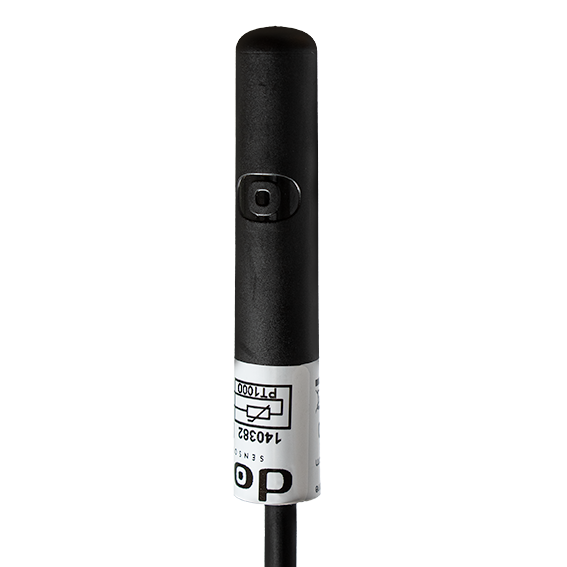
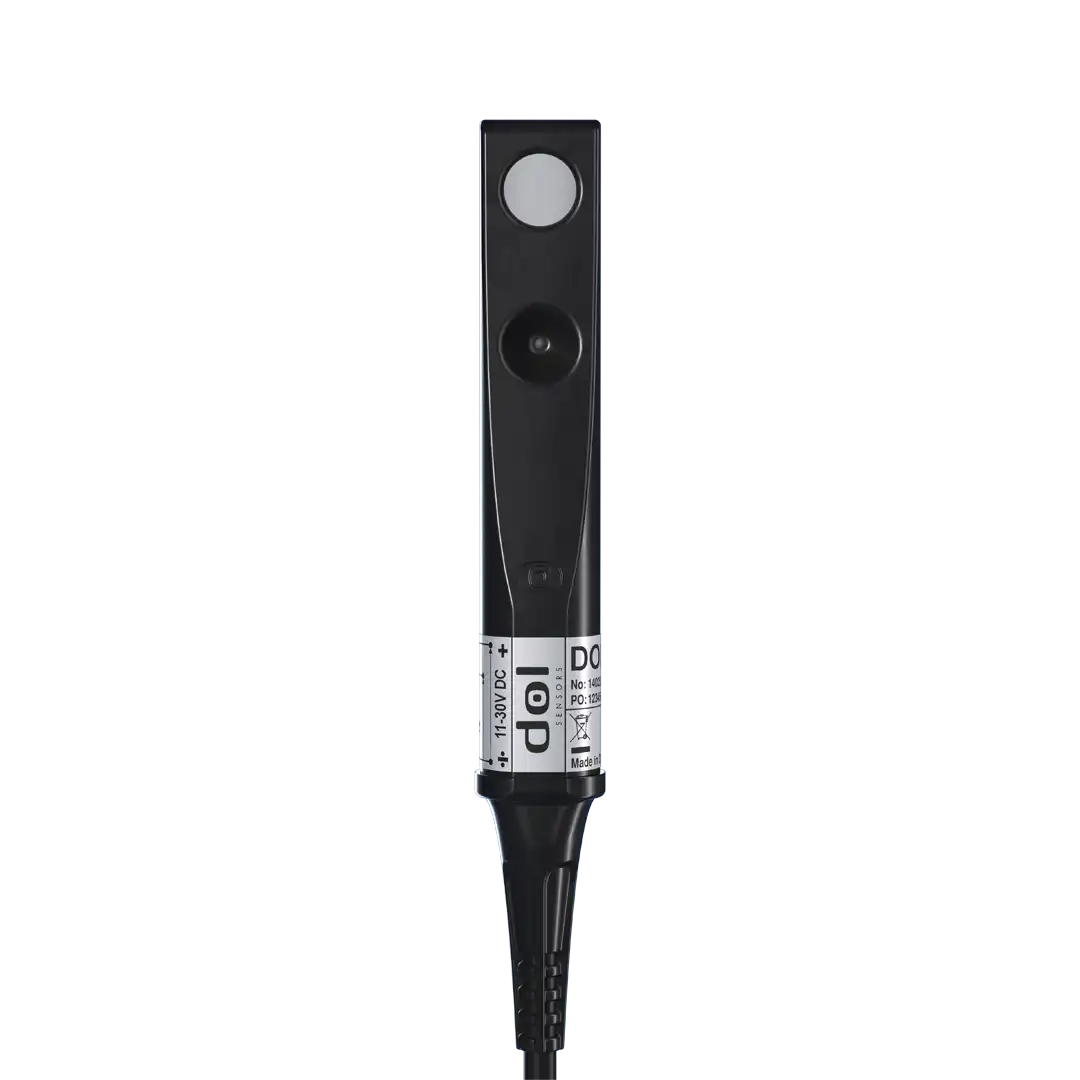
Regular monitoring is essential. Accurate ammonia sensors designed for the harsh environment in a pig production can help producers maintain safe and efficient barn environments.