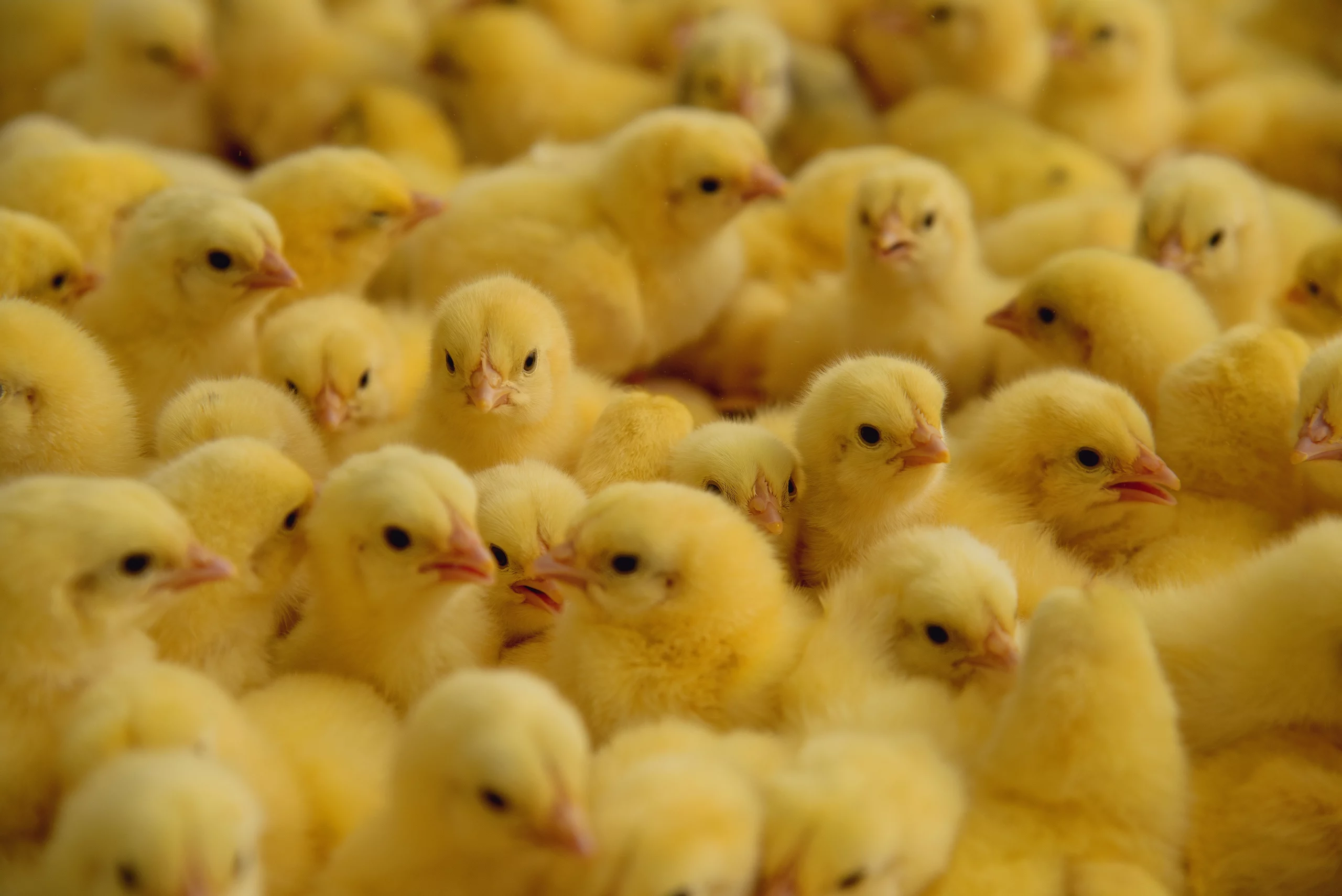
One of the most concerning challenges faced by poultry producers is high mortality rates, which not only affect profits but also indicate underlying issues in management, disease control, and environmental conditions. However, with proper planning, management, and proactive measures, it’s possible to mitigate mortality rates and sustain a healthy poultry operation.
Create a comfortable and stress-free environment for your poultry by providing well-ventilated housing that protects them from extreme weather conditions. Proper ventilation helps remove excess moisture, CO2, and ammonia from the air, reducing the risk of respiratory diseases.
Exposure to excessive heat or cold stress can weaken the immune system, making birds more susceptible to diseases and increasing mortality rates. Thus, adequate ventilation is vital to ensure the right temperature in the poultry house.
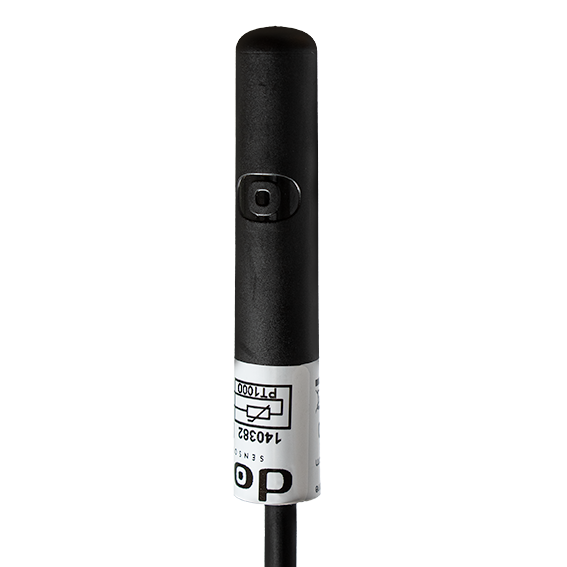
Climate sensors provide your ventilation system with data on humidity, CO2, and ammonia levels ad well as the temperature in different reas of the house.
Implementing strict biosecurity protocols is the first line of defense against diseases that can decimate poultry flocks. This includes controlling access to the farm, disinfecting equipment, and ensuring proper hygiene practices for staff and visitors. Additionally, separating different age groups of birds and maintaining strict quarantine measures for new arrivals can prevent the spread of infectious diseases.
Proper nutrition plays a vital role in the overall health and immunity of poultry. Ensure that birds receive a balanced diet formulated to meet their specific nutritional requirements at each stage of growth. Regularly monitor feed quality, provide clean water at all times, and avoid sudden changes in diet, which can cause stress and compromise immune function.
Regular monitoring for signs of illness or abnormal behavior is crucial for early detection and prompt intervention. Work closely with a veterinarian to establish a comprehensive disease prevention and management plan tailored to your farm’s specific needs. This may include vaccination programs, routine health screenings, and protocols for disease outbreak containment.
Maintaining cleanliness within the poultry housing and surrounding areas is essential for preventing the spread of pathogens. Implement a strict cleaning and disinfection schedule for equipment, housing facilities, and feeding areas. Remove litter and waste regularly to reduce the risk of bacterial and parasitic infections, which can contribute to increased mortality rates.
Minimize stressors that can compromise the well-being of your flock, such as excessive noise, overcrowding, handling, and sudden environmental changes. Handle birds gently and avoid unnecessary disturbances, especially during critical periods such as transportation, vaccination, and handling for routine procedures.