
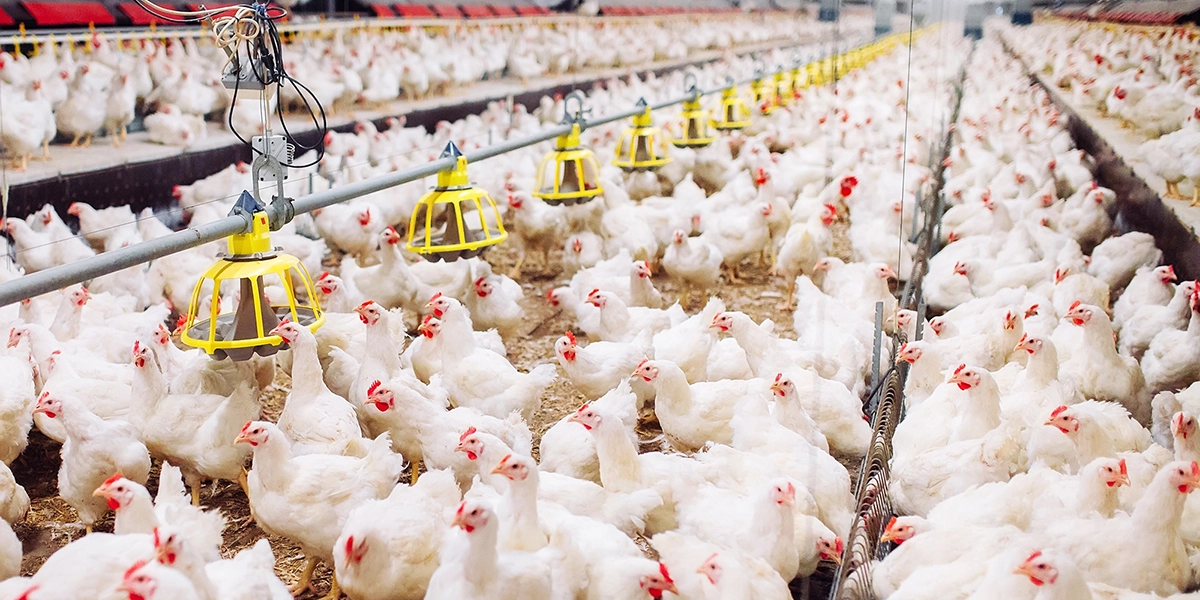
Negative Pressure In Poultry Houses

Negative Pressure In Poultry Houses

Negative Pressure in Poultry Houses: Why It Matters

Ventilation is one of the most critical aspects of poultry production. A well-ventilated poultry house provides fresh air, removes harmful gases, regulates temperature, and maintains proper humidity levels. Among the various systems used, negative pressure ventilation is one of the most widely adopted solutions in modern poultry farming.

What Is Negative Pressure Ventilation?

Negative pressure ventilation works by creating a slightly lower air pressure inside the poultry house compared to the outside. Fans installed on one end of the house draw air out, causing fresh air to be pulled in through inlets or vents. The controlled air movement ensures a steady exchange of stale indoor air with fresh outdoor air.

This principle allows farmers to control airflow, ensuring that incoming air mixes with warm air inside the barn before reaching the birds. Done correctly, negative pressure systems improve air quality while maintaining an energy-efficient environment.

Benefits of Negative Pressure Ventilation

  1. Improved Air Quality
    By drawing out stale air, negative pressure systems help remove harmful gases such as ammonia, carbon dioxide, and excess moisture, creating healthier conditions for the flock.
  2. Consistent Temperature Control
    Properly designed systems ensure even distribution of air throughout the house, preventing drafts and cold spots that can stress birds and reduce productivity.
  3. Energy Efficiency
    Compared to natural ventilation or poorly designed systems, negative pressure ventilation uses fans strategically, reducing energy waste and lowering production costs.
  4. Better Litter Quality
    Consistent airflow helps keep litter drier by removing excess moisture, which reduces ammonia formation and supports animal welfare.

No items found.

Key Considerations for Effective Negative Pressure

While negative pressure ventilation is highly effective, it requires careful setup and management:
  • Tight House Construction
    A well-sealed poultry house is essential. Leaks around doors, walls, or ceilings can disrupt airflow and reduce system efficiency.
  • Proper Inlet Design
    Air inlets must be positioned and adjusted to direct airflow correctly. Poor inlet management can lead to drafts, uneven air distribution, and poor mixing of warm and cold air.
  • Fan Maintenance
    Fans should be regularly cleaned and maintained to ensure they are operating at the correct capacity. Dirty or damaged fans reduce airflow and increase energy costs.
  • Monitoring and Automation
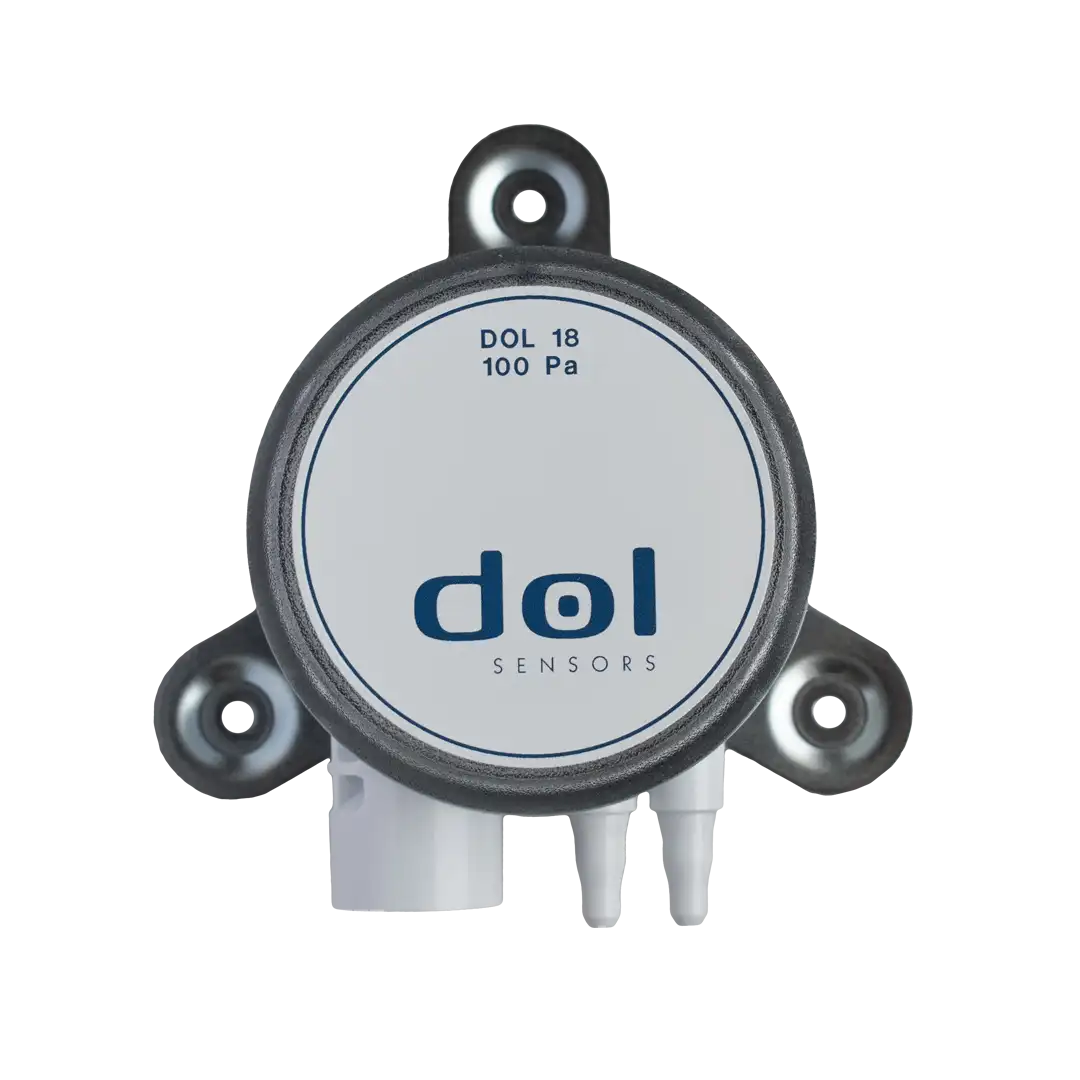
    Sensors for temperature, humidity, and pressure can be integrated with controllers to automatically adjust fan speed and inlet openings. Automation ensures the system adapts to changing conditions, maintaining optimal airflow without constant manual adjustments.

Selected Sensors

Documents

English
Leaflet
DOL 18 Sub-pressure Sensor_Onepager
English
Technical Information
DOL 18 Technical Information_EN
English
Technical User Guide
DOL 18 Technical User Guide_EN