
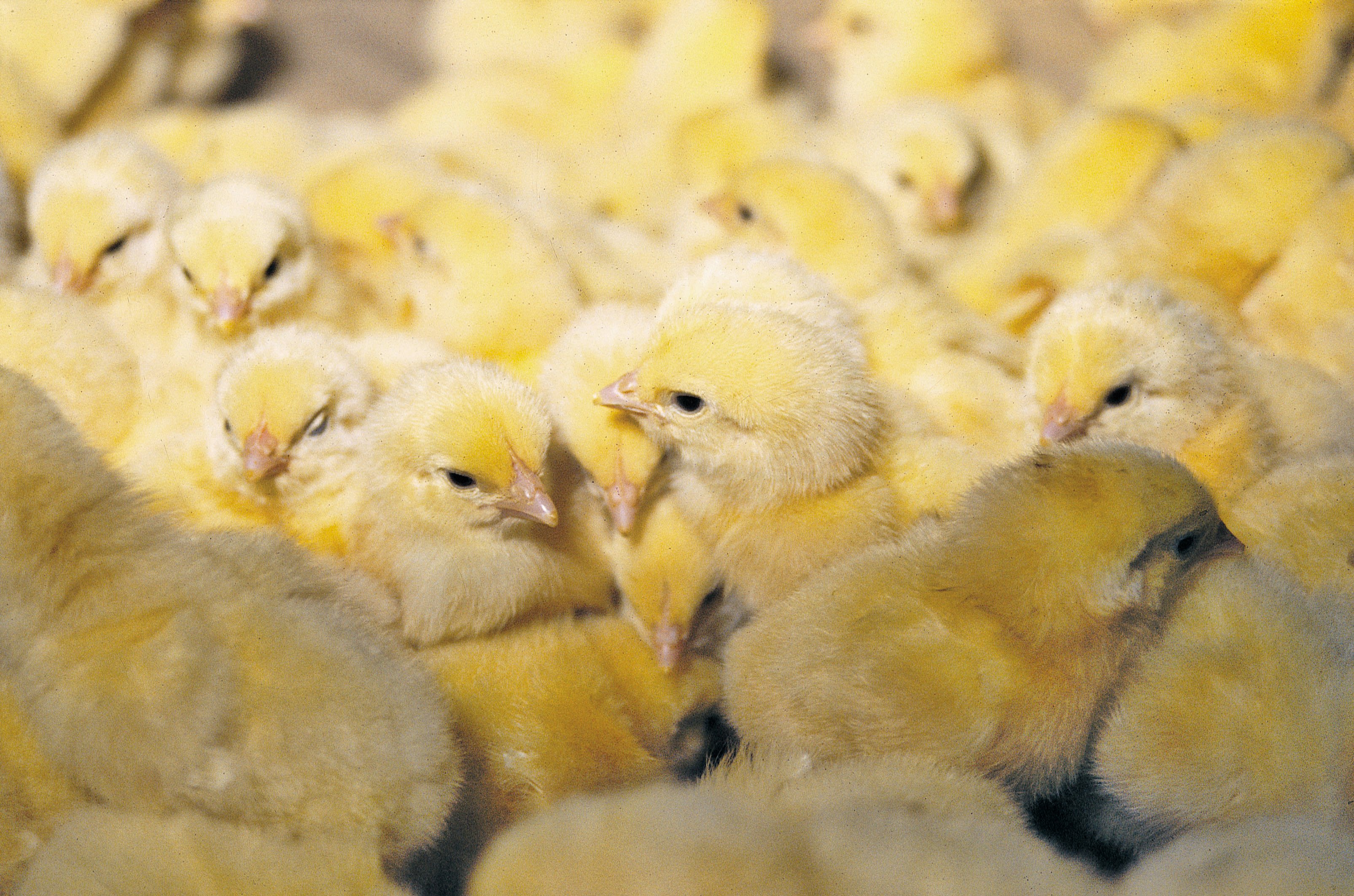
Stocking density—the number of birds kept per square meter—plays a crucial role in poultry farming. It directly affects welfare, behavior, health, and ultimately the profitability of production. While keeping more birds in the same space might seem like a way to maximize output, overcrowding often leads to hidden costs that undermine performance.
When space is limited, competition for feed, water, and resting areas increases. This can trigger aggression, feather pecking, and cannibalism. Stressed birds are less productive and more vulnerable to disease.
Overcrowding accelerates the buildup of ammonia, CO₂, and moisture, making ventilation systems work harder. Poor air quality harms respiratory health and reduces growth rates, while increasing the risk of footpad dermatitis and other welfare problems.
More birds mean more droppings in the same area. Wet, compacted litter not only produces ammonia but also creates conditions for bacterial growth. This negatively impacts both welfare and meat quality.
High densities make it easier for pathogens to spread rapidly through close contact. Even minor infections can quickly escalate and cause significant losses.
Birds kept at appropriate densities experience less stress, eat more consistently, and convert feed more efficiently—leading to better growth rates and healthier flocks.
Adequate space allows birds to rest, move, and behave naturally. This reduces mortality rates and improves overall welfare.
Maintaining optimal density helps ensure better litter conditions and air quality, both of which contribute to higher meat and egg quality.
Stocking density is not just about numbers—it’s about finding the balance between maximizing production and ensuring bird welfare. Industry guidelines and regulations often provide stocking density recommendations, but the right level may also depend on housing design, ventilation capacity, and management practices.